
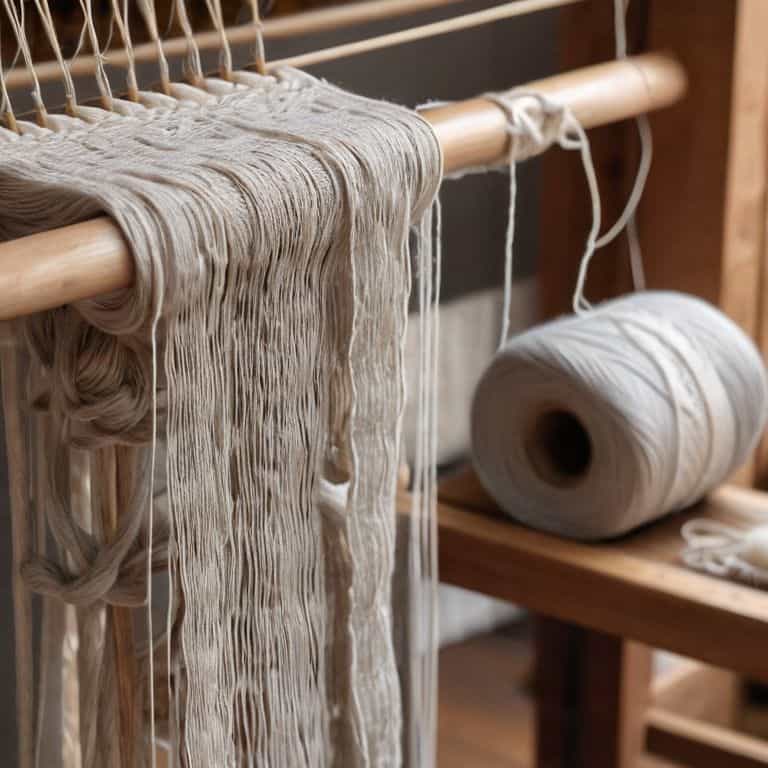
As I sit at my loom, surrounded by spools of cotton yarn, I’m reminded of the countless times I’ve been asked for a guide to cotton yarn for weaving. It’s a topic that’s both simple and complex, much like the threads that make up a beautiful tapestry. I’ve found that many people believe that working with cotton yarn is a tedious, boring process, but I’m here to tell you that’s just not true. In fact, I think it’s one of the most rewarding materials to work with, especially when you’re looking for a guide to cotton yarn for weaving.
In this article, I’ll share my personal approach to working with cotton yarn, including the tips and tricks I’ve learned over the years. You can expect honest, practical advice on how to choose the right cotton yarn for your project, how to work with different weights and textures, and how to troubleshoot common issues that arise during the weaving process. My goal is to inspire you to see cotton yarn in a new light, as a versatile and beautiful material that can be used to create stunning, one-of-a-kind pieces. Whether you’re a seasoned weaver or just starting out, I hope you’ll join me on this journey into the world of cotton yarn and discover the joy of creating something truly unique.
Table of Contents
Guide Overview: What You'll Need
Total Time: 2 hours 30 minutes
Estimated Cost: $20 – $50
Difficulty Level: Intermediate
Tools Required
- Loom tabletop or floor loom
- Shuttle for passing yarn back and forth
- Scissors for cutting cotton yarn
- Measuring tape for measuring warp and weft
- Yarn needle for weaving in ends
Supplies & Materials
- Cotton yarn various colors and weights
- Warp thread cotton or blend
- Weft yarn cotton or blend
- Loom picks for beating the weft
- Threading hook for threading the loom
Step-by-Step Instructions
- 1. To begin working with cotton yarn, start by selecting the right weight and color for your project. I like to think of this process as _building a foundation_, where the yarn’s weight and hue will set the tone for the entire piece. Consider the texture and mood you want to achieve, and choose a yarn that resonates with your vision.
- 2. Next, measure and cut your yarn to the desired length. This is a crucial step, as it will determine the overall size and scale of your woven piece. I find it helpful to use a _yardage calculator_ to ensure I have enough yarn for the project, taking into account the type of weave and the loom I’m using.
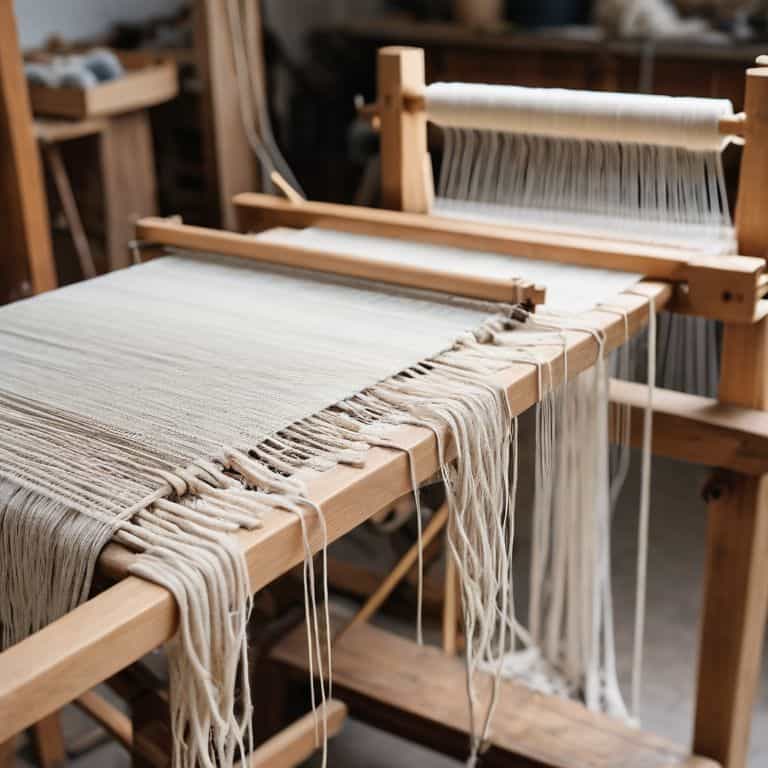
- 3. Now it’s time to set up your loom. As a former architect, I appreciate the _structural integrity_ of a well-designed loom, and I enjoy building my own using minimalist woodworking techniques. Whether you’re using a handmade or commercial loom, make sure it’s properly tensioned and ready for weaving.
- 4. With your loom in place, begin threading the yarn through the warp threads. This is a meditative process that requires patience and attention to detail. I like to think of it as _creating a rhythm_, where each thread is carefully placed to create a harmonious pattern.
- 5. Once the yarn is threaded, start weaving. This is where the magic happens, and your design begins to take shape. I recommend starting with a simple _tabby weave_ and then experimenting with more complex patterns as you become more comfortable with the process.
- 6. As you weave, pay attention to the texture and tension of the yarn. This is where the _art of weaving_ really comes into play, and you can start to see the fabric of your design take shape. Don’t be afraid to experiment and adjust the tension as needed to achieve the desired effect.
- 7. Finally, finish and trim your weaving. This is the final step in bringing your design to life, and it requires a bit of _flair and finesse_. Take your time to carefully trim the edges and secure the yarn, and then step back to admire your handiwork – you’ve created something truly unique and beautiful.
A Guide to Cotton Yarn for Weaving
As I delve into the world of cotton yarn, I’m reminded of the importance of cotton yarn weight for beginners. It’s essential to choose a weight that’s not too dense, allowing for a more relaxed weaving experience. I often recommend starting with a medium-weight cotton yarn, as it provides a great balance between texture and manageability. When it comes to weaving patterns for cotton fabrics, I’m particularly fond of simple, geometric designs that allow the natural beauty of the yarn to shine through.
When working with cotton yarn, it’s crucial to consider cotton yarn care and maintenance. A gentle hand wash and dry flat approach can help preserve the texture and color of the yarn. I’ve also found that using a rigid heddle loom can be an excellent way to add tension and control to your weave, resulting in a more polished finish. By taking the time to properly care for your cotton yarn, you can create pieces that will last for years to come.
In my experience, the best cotton yarns for weaving are those that strike a balance between quality and affordability. Some of the best cotton yarn brands for weaving offer a range of weights and colors, making it easy to find the perfect fit for your project. Whether you’re a seasoned weaver or just starting out, experimenting with different cotton yarns and techniques can help you develop a unique voice and style in your work.
Expert Tips for Weaving Patterns on Cotton Fabrics
As I delve into the world of cotton yarn, I’m reminded of the countless hours I’ve spent experimenting with different patterns. For me, the key to creating stunning woven pieces lies in the subtle balance of texture and visual interest. When it comes to weaving patterns on cotton fabrics, I always recommend starting with simple, repetitive designs to build confidence and develop a sense of rhythm.
My go-to technique is to play with the natural texture of the cotton yarn, accentuating its inherent softness and drape. By combining different stitch patterns and yarn weights, you can achieve a rich, layered look that adds depth and visual intrigue to your woven pieces. Remember, the beauty of weaving lies in its nuances – don’t be afraid to experiment and push the boundaries of what’s possible with this timeless, versatile fiber.
Unraveling Cotton Yarn Weight for Beginners
Unraveling Cotton Yarn Weight for Beginners
When I first started weaving, I was perplexed by the various weights of cotton yarn. It wasn’t until I began experimenting with different threads that I understood the significance of weight in achieving the desired texture and drape. For beginners, it’s essential to grasp that yarn weight is categorized from lace to bulky, with each weight yielding distinct results. I find that working with a medium-weight yarn is an excellent starting point, as it offers versatility and forgiveness for minor mistakes.
As I delve into my stash, I’m reminded that the right yarn weight can make or break a piece. A lighter weight yarn, for instance, is ideal for creating intricate patterns and delicate textures, while a heavier weight yarn is better suited for producing robust, chunky weaves. By understanding and selecting the appropriate yarn weight, you’ll be well on your way to crafting stunning, one-of-a-kind textiles that showcase your unique artistic vision.
Weaving Wisdom: 5 Essential Tips for Working with Cotton Yarn
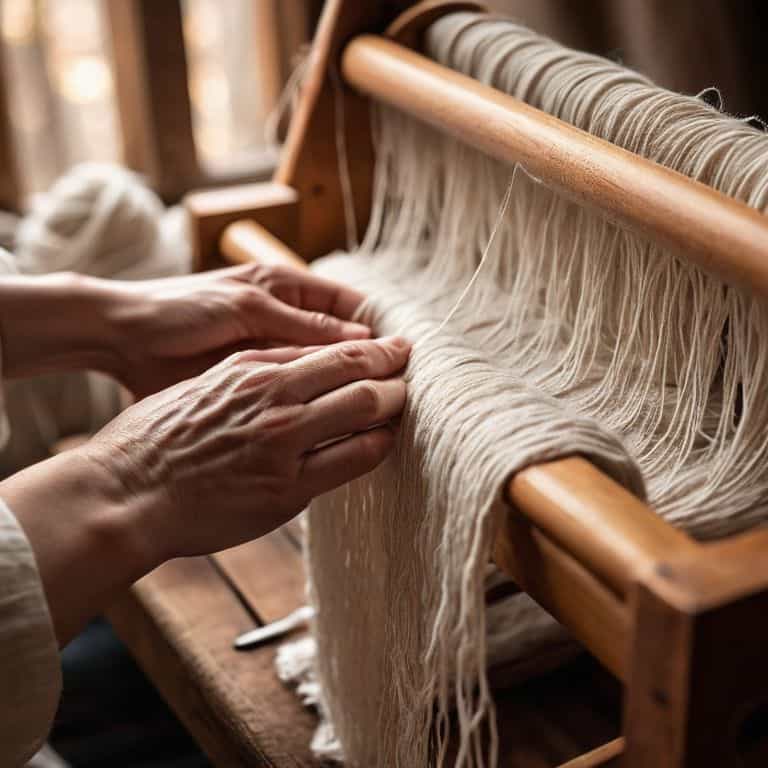
- I always start by considering the texture I want to achieve – cotton yarn can range from soft and delicate to robust and chunky, so it’s crucial to choose the right weight for your project
- Natural fibers like cotton have a unique ability to absorb dye, so don’t be afraid to experiment with different colors and techniques to create one-of-a-kind hues
- To achieve a truly professional finish, pay attention to the tension of your weave – a consistent tension will make all the difference in the world, trust me
- Mixing cotton with other fibers can add incredible depth and interest to your weave – I love combining it with linen or raw silk for a unique texture
- For a truly show-stopping piece, don’t underestimate the power of simple, repetitive patterns – sometimes, it’s the restraint that makes a weave truly breathtaking
Key Takeaways for Working with Cotton Yarn
I’ve found that understanding the weight of cotton yarn is crucial – it can make or break the texture and form of your woven piece, so take the time to experiment and find the perfect weight for your project
Experimenting with different weaving patterns on cotton fabrics can elevate your work from simple to stunning – don’t be afraid to try out new techniques and see what works best for you
Remember, the beauty of cotton yarn lies in its versatility and tactile quality – don’t be afraid to push the boundaries of what’s possible and create something truly unique and textured
Weaving Wisdom
As I coax cotton yarn into being, I’m reminded that the true beauty of weaving lies not in the threads themselves, but in the spaces between – the gentle tension, the soft give, and the quiet strength that emerges when texture and form converge.
Ethan Thorne
Weaving a Legacy with Cotton Yarn
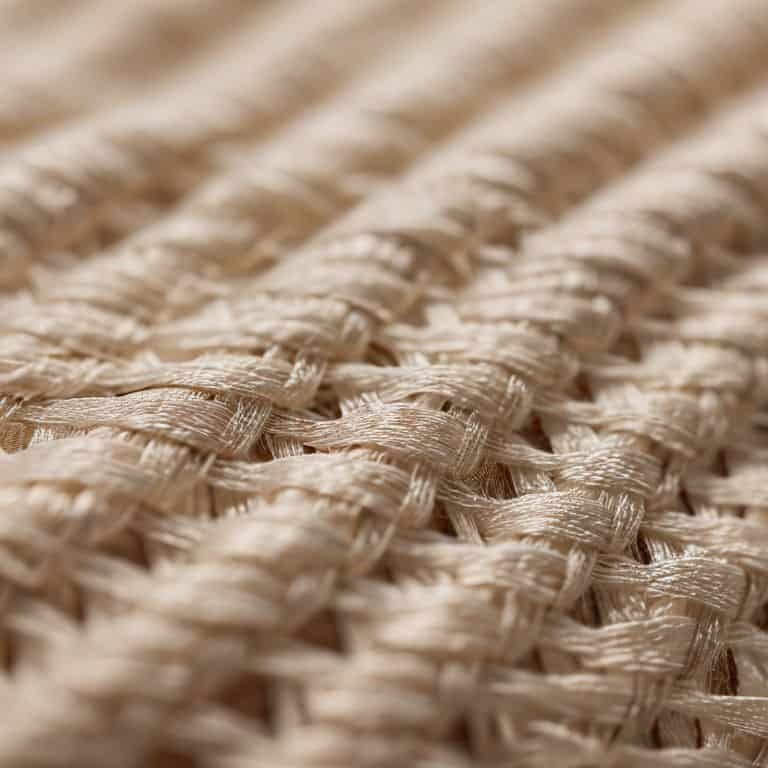
As I reflect on our journey through the world of cotton yarn, I’m reminded of the intricacies of texture and the way it can elevate a piece from simple to sublime. From understanding the different weights of cotton yarn to expertly weaving patterns on cotton fabrics, we’ve covered the fundamental steps to mastering this versatile medium. Whether you’re a beginner or an experienced weaver, the key to unlocking the full potential of cotton yarn lies in experimentation and a willingness to push the boundaries of what’s possible. By embracing the unique characteristics of cotton and combining them with your own creative vision, you’ll be well on your way to crafting truly timeless pieces.
As you embark on your own weaving journey, I encourage you to see the process as a form of architectural art, where every thread and every stitch contributes to the overall structure and beauty of the piece. Don’t be afraid to build with yarn, to construct and deconstruct, and to explore the infinite possibilities that cotton yarn has to offer. Remember, the true magic of weaving lies not just in the end result, but in the journey itself, and the lessons you learn along the way about patience, perseverance, and the pursuit of creative excellence.
Frequently Asked Questions
What are the best ways to care for and maintain cotton yarn woven pieces to ensure they last a long time?
To keep my cotton yarn woven pieces vibrant and long-lasting, I swear by gentle spot cleaning and avoiding direct sunlight. For more thorough cleaning, I opt for hand washing in cold water with a mild detergent, then air drying to preserve the texture and color. It’s all about treating them with love and care.
How do I choose the right cotton yarn weight for my specific weaving project?
For me, choosing the right cotton yarn weight is all about texture and drape. I consider the project’s intended use and desired visual impact. A thicker yarn creates a chunky, rustic feel, while a finer yarn yields a softer, more elegant result. I always swatch before committing to a specific weight, ensuring the perfect balance of form and function.
Can I mix cotton yarn with other fibers, like wool or linen, to create unique textures and patterns in my weaving?
I love experimenting with mixed fibers, and yes, you can definitely combine cotton yarn with wool or linen to create intriguing textures and patterns. I’ve found that blending cotton with wool adds a lovely depth, while mixing it with linen introduces a beautiful subtlety. The key is to balance their unique properties to achieve the desired effect in your woven piece.
