
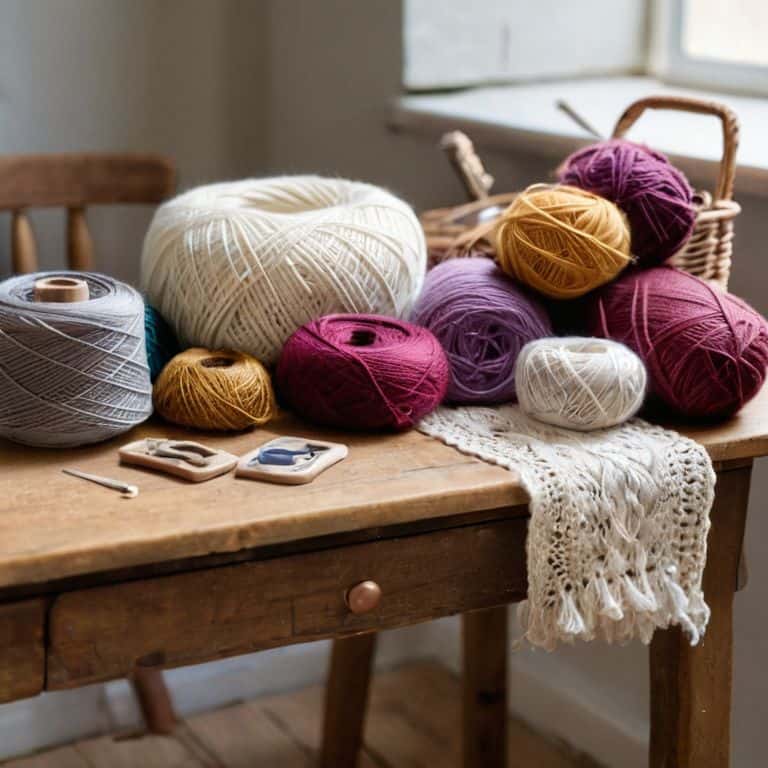
I still remember the frustration of my early days as a yarn store owner, when customers would come in, overwhelmed by the vast array of yarns and unsure of how to choose the right one for their project. They’d often ask for a simple guide to navigating the different yarn weights, and I’d realize that even I had been guilty of assuming that everyone understood the basics of a guide to yarn weights. But the truth is, selecting the right yarn weight can make all the difference between a project that turns out beautifully and one that’s a disappointment.
As someone who’s spent years testing and working with various yarns, I’m excited to share my expertise with you in this article. Here, I’ll cut through the confusion and provide you with practical advice on how to choose the perfect yarn weight for your knitting or crochet project. I’ll cover the essentials of yarn weight categories, and offer tips on how to select the right yarn for your specific needs. My goal is to empower you with the knowledge to make informed decisions, so you can create something truly beautiful and lasting. Whether you’re a beginner or an experienced maker, this guide is designed to be your go-to resource for all things yarn weight-related.
Table of Contents
Guide Overview: What You'll Need
Total Time: 1 hour
Estimated Cost: $10 – $20
Difficulty Level: Easy
Tools Required
- Yarn Scale (optional)
- Measuring Tape (for measuring yarn lengths in inches)
- Ruler (for measuring yarn thickness in millimeters)
Supplies & Materials
- Yarn Samples of different weights and fibers
- Yarn Weight Chart for reference
- Scissors for cutting yarn
- Stitch Markers (optional)
Step-by-Step Instructions
- 1. First, let’s start by understanding the yarn weight system, which is crucial for any fiber project. It’s essential to comprehend that yarn weights are categorized into several types, ranging from lace to bulky, and each weight has its unique characteristics and uses. I always recommend beginning with a clear understanding of the project’s requirements and the desired outcome to choose the perfect yarn weight.
- 2. Next, we need to consider the project’s purpose and the level of durability required. For instance, if you’re making a garment that will be worn frequently, you’ll want to opt for a yarn that is durable and can withstand repeated washing and wear. On the other hand, if you’re creating a delicate lace shawl, you may prefer a lighter weight yarn that drapes elegantly.
- 3. Now, let’s dive into the different yarn weights and their corresponding gauge ranges. It’s vital to choose a yarn that matches the recommended gauge for your project to ensure the desired texture and drape. I always keep a detailed journal of the yarns I’ve used, including their gauge and how they’ve performed over time, which helps me make informed decisions for future projects.
- 4. The fourth step is to swatch and block your yarn to determine its true nature. This step is often overlooked, but it’s crucial in understanding how the yarn will behave in the finished project. I like to think of swatching as a yarn test drive, where you get to experience the yarn’s texture, drape, and overall performance before committing to a larger project.
- 5. Once you’ve selected your yarn, it’s essential to consider the needle or hook size recommended for that particular yarn weight. Using the correct needle or hook size will ensure that your stitches are even, and your project lies flat. I’ve found that using the wrong needle or hook size can lead to a less-than-desirable fabric that may not hold up well over time.
- 6. Sixth, we need to think about the fiber content of the yarn and how it will affect the project’s overall performance. Different fibers have unique properties, such as softness, warmth, and breathability, which can impact the finished project. For example, if you’re making a summer garment, you may prefer a yarn with a high cotton or linen content for its cooling properties.
- 7. Finally, it’s crucial to read reviews and ask for recommendations from fellow makers who have experience with the yarn you’re considering. I always say that a yarn’s reputation is just as important as its technical specifications, and hearing from others who have used the yarn can provide valuable insights into its performance and any potential drawbacks.
A Guide to Yarn Weights
As I delve into the world of yarn weights, I want to emphasize the importance of understanding yarn labels. It’s crucial to recognize that different manufacturers may have varying standards for their yarn weights, making it essential to read labels carefully. When choosing the right yarn weight, consider the yarn weight conversion charts provided by manufacturers or online resources to ensure you’re getting the correct weight for your project.
In my experience, yarn weight and fiber type play a significant role in determining the overall look and feel of a project. For instance, a bulky yarn made from wool will have a different texture and drape compared to a bulky yarn made from acrylic. As a beginner, it’s essential to start with simple projects that help you develop an understanding of yarn weight and knitting tension. This will enable you to make informed decisions when selecting yarns for more complex projects.
To make the most of your yarn, I recommend keeping a journal to track your projects, including the yarn weight, fiber type, and knitting tension used. This will help you develop a sense of how different yarns behave over time, allowing you to make more informed decisions when choosing the right yarn weight for your next project. By doing so, you’ll be able to create beautiful, lasting pieces that reflect your skill and attention to detail.
Choosing Right Yarn Weight Matters
Choosing the right yarn weight is crucial, as it directly impacts the durability and overall appearance of your finished project. I’ve seen too many beautiful patterns ruined by the wrong yarn choice. In my experience, a yarn that’s too thin can lead to a fragile fabric, while one that’s too thick can result in a stiff, unyielding texture. My ‘sweater test’ has taught me that even the most promising yarns can disappoint over time if they’re not suited to the project.
By selecting the right weight, you’ll ensure your hard work lasts for years to come. I always consider the intended use of the project, as well as the desired texture and drape. For example, a lacy shawl requires a much lighter yarn than a warm, chunky sweater.
Yarn Weight Conversion Simplified
When it comes to yarn weight conversion, I’ve found that many makers get bogged down in confusing charts and conflicting information. But trust me, it doesn’t have to be that way. Over the years, I’ve developed a simple system for converting between different yarn weights, and it’s been a game-changer for my own projects. By focusing on the actual gauge and fiber content of the yarn, rather than just the labeled weight, you can ensure a smooth and successful substitution.
I’ve included a handy reference guide on my website that outlines the most common yarn weight conversions, including tips for adjusting stitch counts and needle sizes as needed. With a little practice, you’ll be able to navigate even the most complex yarn substitutions with ease, and your finished projects will thank you.
The Yarn Whisperer's Top 5 Tips for Mastering Yarn Weights
- Always Consider the Project’s End Use: Think about how your finished project will be used – will it be worn regularly, hung on a wall, or used as a decorative item? This will help you choose the right yarn weight for durability and functionality
- Swatch, Swatch, Swatch: Don’t skip the swatching process, as it’s crucial for determining the right yarn weight and ensuring your project turns out the right size
- Understand the Fiber Content: Different fibers have unique properties that affect the yarn weight – for example, wool yarns tend to be warmer and more dense than cotton yarns
- Be Mindful of Gauge: Your knitting or crochet gauge can greatly impact the final project, so make sure to choose a yarn weight that will give you the right stitch density
- Don’t Be Afraid to Mix and Match: Combining different yarn weights can add texture and visual interest to your project – just be sure to swatch and adjust your pattern accordingly to ensure a cohesive finish
Key Takeaways for the Discerning Maker
Understanding yarn weights is crucial for a project’s success, and it’s not just about the label – it’s about how the fiber behaves in your hands and over time
Converting between yarn weights doesn’t have to be a mystery, and with a little practice, you can confidently substitute one weight for another to achieve the perfect drape and texture
By choosing the right yarn weight and considering factors like fiber content, needle size, and intended use, you can create pieces that are not only beautiful but also durable and long-lasting, making every stitch count
The Heart of Yarn Selection
Choosing the right yarn weight is not just about following a pattern, it’s about understanding the soul of your project – the drape, the texture, the way it will wear and tell the story of your craftsmanship over time.
Audrey Vance
Weaving It All Together
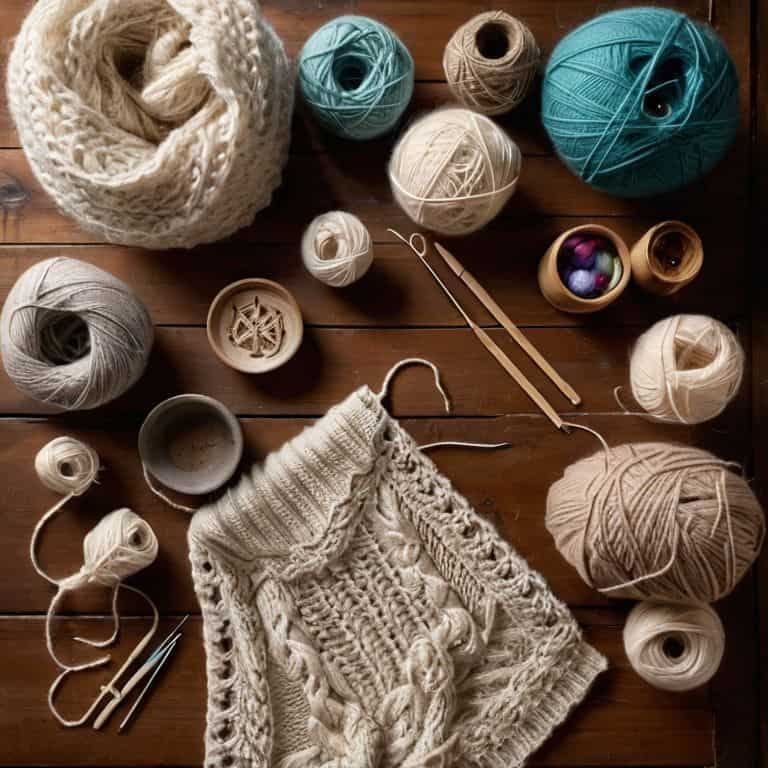
As we conclude this guide to yarn weights, remember that choosing the right yarn weight is crucial for the success and longevity of your project. We’ve covered the importance of understanding yarn weights, from the fingerweight of a lace shawl to the bulky warmth of a winter sweater. By mastering yarn weight conversion and considering factors like fiber content, drape, and durability, you’ll be well on your way to creating beautiful, lasting pieces that bring joy to you and those who receive them.
So, the next time you embark on a new project, I encourage you to trust your instincts and take the time to select a yarn that truly speaks to you. With practice and patience, you’ll develop a keen sense of what works and what doesn’t, and your creations will become a reflection of your unique voice and vision as a maker. Happy crafting, and remember, the right yarn can make all the difference in turning a good project into a truly exceptional one.
Frequently Asked Questions
How do I determine the right yarn weight for a specific project, such as a blanket or a sweater?
To determine the right yarn weight, consider the project’s intended use and desired texture. For a blanket, you’ll want a sturdy weight that’s soft yet durable, while a sweater requires a weight that drapes well and provides the right amount of warmth. I always refer to my yarn journal, where I’ve tracked the performance of various weights in similar projects.
Can you explain the difference between yarn weight and fiber type, and how they impact the overall look and feel of a finished project?
Yarn weight and fiber type are two distinct factors that greatly impact a project’s outcome. Weight refers to the yarn’s thickness, while fiber type affects its texture, drape, and durability. For instance, a bulky weight yarn made from merino wool will produce a warm, dense fabric, whereas the same weight in cotton will result in a lighter, more breathable fabric.
Are there any general guidelines or rules of thumb for substituting one yarn weight for another in a pattern, without affecting the overall fit and texture of the finished item?
When substituting yarn weights, I follow a simple rule: swap within one weight category, or adjust your needle size to compensate. For example, if a pattern calls for worsted weight, you can substitute with a heavy worsted or a light aran, but be prepared to adjust your stitches or needle size to maintain the desired texture and fit.
