
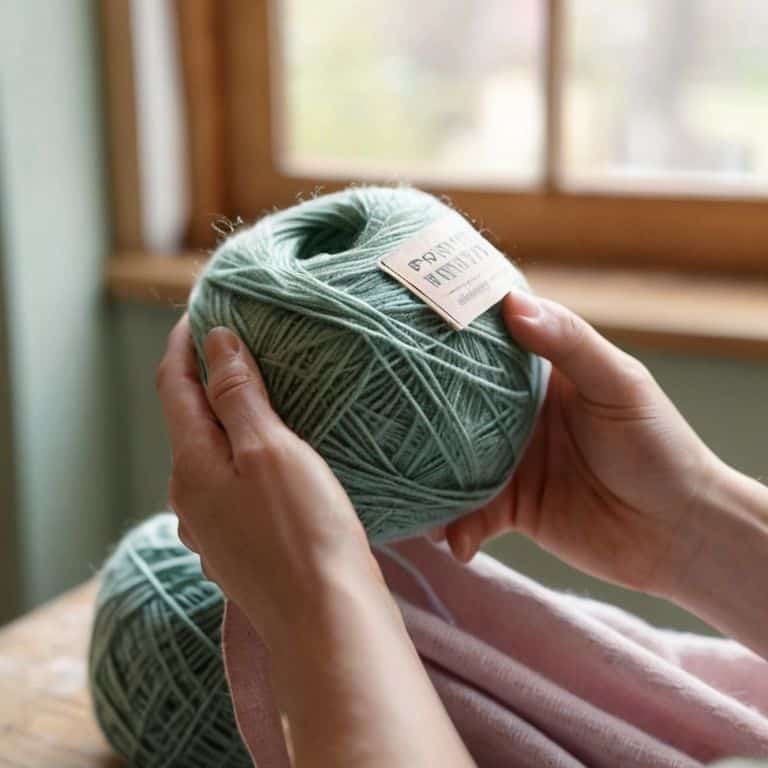
I still remember the first time I tried to how to read a yarn label – it was like deciphering a secret code. I was a beginner, eager to start my first crochet project, but the tiny label on the yarn had me stumped. I thought to myself, “Why is this so complicated?” But, as I delved deeper into the world of fiber art, I realized that understanding yarn labels is actually a crucial part of creating something truly unique and special. It’s not just about following a pattern, but about bringing your vision to life, and that’s what I want to share with you.
In this article, I’ll cut through the confusion and share my honest, no-hype advice on how to read a yarn label. I’ll walk you through the process, step by step, and show you how to unlock the secrets of yarn labels. You’ll learn how to choose the perfect yarn for your project, and how to avoid common mistakes that can ruin your handmade masterpiece. My goal is to empower you with the knowledge and confidence to create something truly amazing, and to make the process of reading yarn labels a breeze. So, let’s get started and uncover the mystery of yarn labels together!
Table of Contents
Guide Overview: What You'll Need
Total Time: 15 minutes
Estimated Cost: Free (using existing yarn label)
Difficulty Level: Easy
Tools Required
- Reading Glasses (optional)
Supplies & Materials
- Yarn with Label any type of yarn with a label
Step-by-Step Instructions
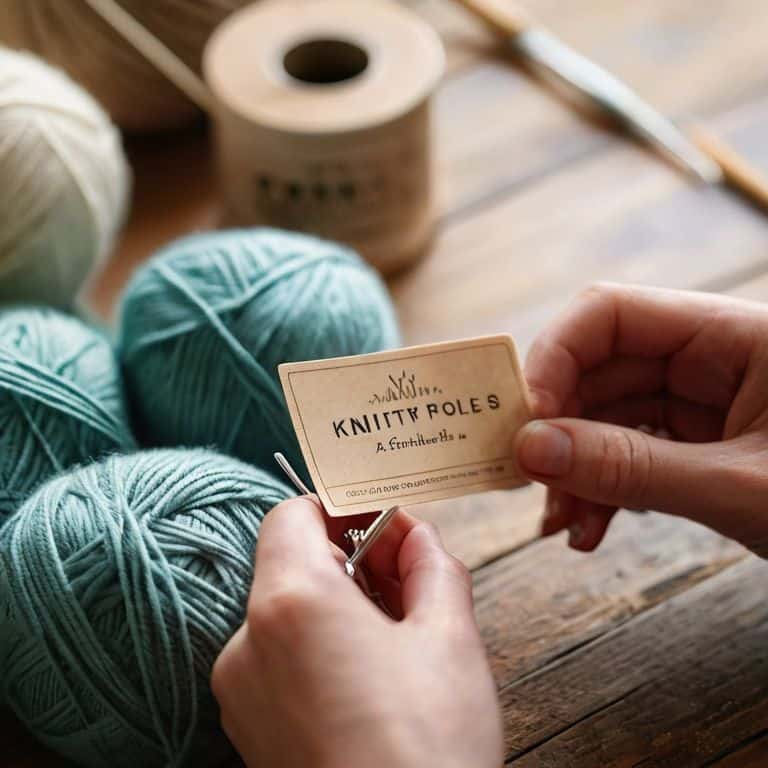
- 1. First, let’s start with the basics – understanding the yarn label itself. Take a closer look at that tiny label that comes with your yarn, and you’ll notice it’s packed with information that’ll make all the difference in your handmade masterpiece. From the fiber content to the recommended hook size, it’s all there, waiting to be deciphered.
- 2. Next, identify the fiber content, which is usually listed at the top of the label. This will tell you what type of yarn you’re working with, whether it’s made from natural fibers like cotton or wool, or synthetic fibers like acrylic or nylon. Knowing the fiber content is crucial, as it will affect the texture, durability, and care of your finished project.
- 3. Now, let’s talk about yarn weight, which is often indicated by a series of numbers or a yarn weight symbol. This will give you an idea of how thick or thin the yarn is, and help you choose the right hook size and pattern for your project. Don’t worry if it seems confusing at first – with a little practice, you’ll be a pro at reading yarn labels in no time.
- 4. The care instructions are also an essential part of the yarn label, as they’ll tell you how to wash and dry your finished project. Make sure to check if the yarn can be machine washed, or if it needs to be hand-washed or dry-cleaned. You don’t want to accidentally felt your beautiful handmade scarf or sweater.
- 5. Another important detail to look for is the dye lot number, which indicates the specific batch of yarn you’re working with. This is especially important if you’re planning to use multiple skeins of the same yarn, as you’ll want to make sure they’re all from the same dye lot to ensure color consistency.
- 6. Now, let’s not forget about the gauge information, which will tell you how many stitches and rows per inch you can expect to get with the recommended hook size. This is crucial for ensuring that your finished project turns out the right size, and that your stitches are even and consistent.
- 7. Finally, take a look at the recommended hook size, which is usually listed on the label along with the suggested needle size for knitting. This will give you a good starting point for your project, but don’t be afraid to experiment and adjust the hook size as needed to achieve the desired texture and drape.
Unlocking Yarn Secrets
As you become more comfortable with deciphering yarn labels, you’ll start to unlock the secrets of choosing the perfect yarn for your projects. One crucial aspect to consider is understanding yarn weights, as this will greatly impact the overall look and feel of your handmade item. By recognizing the different yarn weights, you’ll be able to select the ideal yarn for your project, ensuring it turns out exactly as you envisioned.
When it comes to fiber content for beginners, it’s essential to know what you’re working with. Different fibers have unique properties, and understanding these will help you make informed decisions about your project. For instance, if you’re looking to create a delicate, lacy pattern, you may want to opt for a yarn with a high cotton or silk content. On the other hand, if you’re making a warm, cozy blanket, a yarn with a high wool content might be a better choice.
To take your yarn knowledge to the next level, try calculating yarn yardage to ensure you have enough yarn to complete your project. This simple calculation can save you from running out of yarn mid-project, which can be frustrating and time-consuming to fix. By mastering these skills, you’ll be well on your way to becoming a yarn expert, and your handmade creations will reflect your newfound understanding of the craft.
Decoding Fiber Content for Beginners
Now that we’ve uncovered some of the yarn secrets, let’s dive deeper into decoding fiber content. This is where things can get really interesting, and I just love sharing my knowledge with fellow fiber enthusiasts. When you’re checking out the yarn label, you’ll usually see a breakdown of the different fibers used, like wool, cotton, or acrylic. But what does it all mean? For instance, if a yarn is 80% wool and 20% nylon, it’s likely to be durable and resistant to pilling, but may not be as soft as a 100% wool yarn.
As a beginner, it’s essential to understand these fiber combinations, as they can affect the look, feel, and overall performance of your handmade project. Don’t worry if it seems overwhelming at first – with a little practice, you’ll become a pro at deciphering yarn labels in no time. And trust me, it’s worth it: choosing the right yarn can make all the difference in your finished project, whether it’s a cozy blanket, a stylish hat, or a set of colorful plant hangers.
Understanding Yarn Weights and Yardage
Now that we’ve got the fiber content figured out, let’s dive into the fascinating world of yarn weights and yardage. Think of yarn weight like a recipe – it’s all about the right balance of ingredients to achieve the desired texture and drape. Yarn weights range from lace to bulky, and understanding the differences is crucial for choosing the perfect yarn for your project. Generally, the higher the yarn weight, the thicker and warmer the finished product will be.
When it comes to yardage, it’s all about having enough yarn to complete your project without running out mid-stitch. A general rule of thumb is to have a little extra yardage, just in case. Check the label for the total yardage, and consider the complexity of your project – intricate patterns and larger items will require more yarn.
Yarn Label Secrets Unraveled: 5 Essential Tips to Get You Started
- Always check the fiber content first, as it determines the durability and texture of your final project
- Understand the difference between yarn weight and yardage to ensure you have enough for your creation
- Look for the recommended hook or needle size to achieve the perfect tension and avoid frustration
- Decipher the care instructions to prevent accidental felting or shrinkage of your handmade masterpiece
- Check for any special features, such as superwash or eco-friendly certifications, to inform your yarn choices and creative decisions
Key Takeaways to Unlock Your Yarn's Full Potential
Always read beyond the yarn label’s basics to uncover hidden gems of information that can elevate your handmade projects
Understanding the fiber content, yarn weight, and yardage is crucial for selecting the perfect yarn that brings your creative vision to life
By mastering the art of decoding yarn labels, you’ll unlock a world of endless possibilities, from creating stunning textiles to crafting unique, personalized gifts for loved ones
The Yarn Label Wisdom
Embracing the art of reading a yarn label is like unlocking a secret world of creative possibilities – it’s where the magic begins, and your handmade dreams start to take shape, one delicious thread at a time!
Ruby Warren
Weaving It All Together
As we’ve explored the world of yarn labels, you’ve learned how to decode the secrets hidden within those tiny labels. From understanding fiber content to grasping yarn weights and yardage, you’re now equipped with the knowledge to make informed decisions for your next project. Remember, deciphering a yarn label is not just about following instructions, it’s about unlocking the full potential of your creativity and bringing your unique vision to life. Whether you’re a seasoned crafter or just starting out, this newfound understanding will empower you to experiment with different materials and techniques, pushing the boundaries of what’s possible with yarn.
So, as you embark on your next handmade adventure, don’t be afraid to think outside the box and try something new. With every stitch, you’re not just creating something beautiful, you’re telling a story that’s uniquely yours. And that, my friends, is the true magic of making something with your own hands. Keep exploring, keep creating, and most importantly, keep enjoying the journey – one yarn label at a time!
Frequently Asked Questions
What does the yarn weight category on the label really mean for my project?
So, the yarn weight category is like a secret code that tells you how thick or thin your yarn is. It’s usually labeled as lace, fingering, worsted, or bulky – and it’s crucial for choosing the right hook size and getting the texture just right for your project. Think of it like the recipe for your handmade dish!
How do I know if the yarn is suitable for my specific crochet or knitting pattern?
The million-dollar question! To ensure the yarn is suitable for your pattern, check the label’s recommended gauge, yarn weight, and fiber content. You can also swatch it to see how it behaves – trust me, it’s a game-changer! If you’re still unsure, try checking the pattern’s designer notes or online reviews for yarn recommendations.
Are there any special care instructions I should look for on the yarn label to ensure my handmade item lasts?
Ah, great question! When it comes to making your handmade item last, check the label for special care instructions like hand-washing, dry flat, or no ironing. Some yarns might need a little extra TLC, so be sure to look for those specific symbols or notes to keep your creation looking its best.
