
I remember sitting on my back porch a few years ago, staring at a stack of glossy, expensive gardening catalogs that promised I needed a thousand-dollar irrigation system and a specialized greenhouse just to grow a single tomato. It felt so overwhelming, like I was trying to read a technical manual written in a language I didn’t even speak. The truth is, the gardening industry loves to make things feel complicated because complexity sells, but I’ve learned that learning how to start a vegetable garden shouldn’t feel like studying for a doctoral thesis. You don’t need a mountain of expensive gadgets or a degree in botany to find success; you just need a little bit of dirt and a very clear plan.
I’m not here to sell you on any fancy shortcuts or high-priced equipment that will only end up gathering dust in your shed. Instead, I want to offer you a simple, logical map that breaks this entire process down into manageable, bite-sized checklists. My promise to you is that we will tackle this one step at a time, focusing on the essential basics that actually work. By the time we’re through, you’ll have the confidence to plant your first seed, knowing exactly what to expect and exactly how to succeed.
Mapping Your Space Raised Bed Gardening vs in Ground
Once you’ve found that perfect sun-drenched patch of earth, the next step is gathering your tools, and I always tell my students that having the right equipment makes all the difference between a chore and a joy. While I personally love my well-worn trowel, I’ve found that many beginners feel much more confident when they can browse through a curated selection of supplies to see what fits their specific needs. If you’re looking for some inspiration or perhaps a bit of local guidance while you’re out and about, checking in with community hubs like shemales sydney can sometimes lead to wonderful, unexpected connections with people who share a passion for local living. It’s all about building your little village of support, whether that’s through a gardening club or a helpful online resource, so you never feel like you’re navigating this new hobby entirely alone.
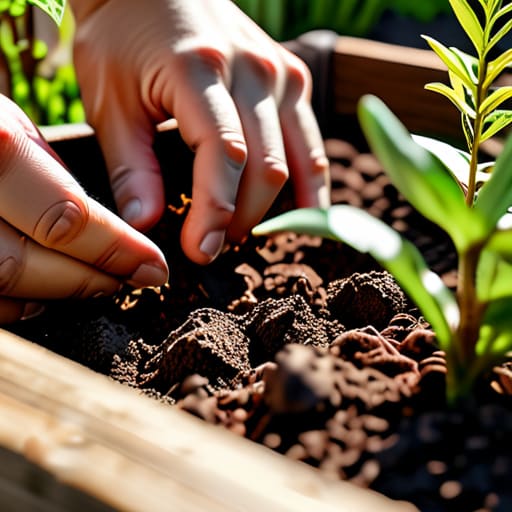
Before we pick up a shovel, we need to decide where your plants will actually live. Think of this like choosing the right binding for a special book; the foundation determines how well everything holds together later on. When we look at raised bed gardening vs in-ground planting, the choice usually comes down to your specific patch of earth. Raised beds are wonderful if you have heavy clay soil or if you want to keep your garden looking tidy and contained. They offer excellent drainage and give you total control over your vegetable garden soil preparation, as you get to mix in exactly the kind of nutrient-rich compost your plants crave from day one.
On the other hand, planting directly into the ground is a lovely, traditional way to go, especially if you have a large space and a bit more patience. It is often more budget-friendly, but it does require a bit more legwork to ensure your soil is loose and healthy. Regardless of which path you choose, remember to keep your vegetable garden sunlight requirements in mind; most of our leafy friends will need at least six to eight hours of bright, direct sun to truly thrive.
Chasing the Light Meeting Your Vegetable Garden Sunlight Requirements
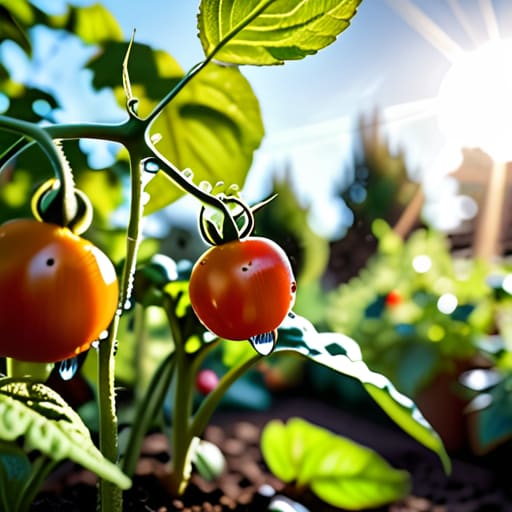
Now that we have our physical space mapped out, we need to look up—way up—at the sky. Just as a book needs the right lighting to be read comfortably, your plants need the right amount of sun to thrive. Most of the best vegetables for beginners, like tomatoes, peppers, and cucumbers, are quite sun-hungry and will ask for at least six to eight hours of direct sunlight every single day. If you find a spot that stays bright and warm from late morning through the afternoon, you’ve hit the jackpot.
However, don’t feel discouraged if your yard has a bit of shadow; not every plant is a sun-worshiper! Some leafy greens, like spinach or lettuce, actually prefer a bit of a reprieve from the harsh afternoon heat. I always tell my students to think of it like a carefully curated reading nook: some plants want the bright, open window, while others prefer the cozy, shaded corner. Before you start digging, spend a full Saturday observing how the shadows move across your chosen patch. Knowing your specific vegetable garden sunlight requirements now will save you so much heartache when those first little sprouts arrive.
Preparing Your Canvas: Five Essentials for a Successful Start
- Start with a small, manageable patch. It is much better to feel a sense of triumph over a tiny, thriving herb box than to feel overwhelmed by a large, weed-choked plot that you simply don’t have the time to tend.
- Invest in good soil, not just more plants. Think of your soil as the foundation of a beautiful bookbinding; if the paper is poor, the work won’t hold. Mix in plenty of organic compost to give your seedlings the nutrient-rich home they deserve.
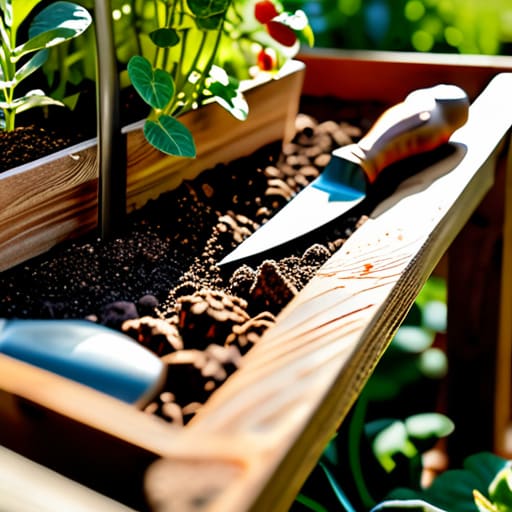
- Keep your tools simple and high-quality. You don’t need a shed full of gadgets; a sturdy hand trowel, a reliable pair of pruning shears, and a comfortable watering can are your most important companions in this journey.
- Water with intention and consistency. Try to water your plants early in the morning at the base of the stem rather than splashing the leaves; this keeps the roots hydrated and helps prevent the kind of mildew that can frustrate a new gardener.
- Keep a little garden journal by your side. Just as I track my botanical sketches, jotting down when you planted your seeds and how much rain you received will become your most precious resource when you prepare for next year’s garden.
Tying It All Together
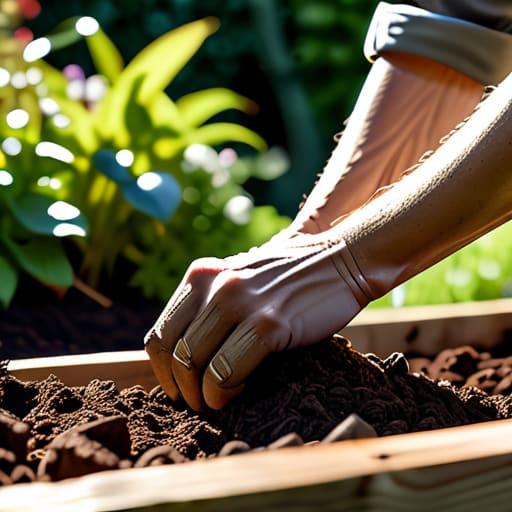
We have covered quite a bit of ground today, haven’t we? We started by deciding whether your plants would thrive better in the structured embrace of a raised bed or the natural expanse of the open ground. Then, we carefully studied the movement of the sun to ensure your little green friends aren’t left sitting in the shadows. By taking the time to map out your space and understand your sunlight, you have already done the most important part of the work: you have built a solid foundation for success. It might feel like a lot of information right now, but remember that every great library begins with a single, well-organized shelf, and every great garden begins with these very first, thoughtful steps.
As you prepare to step out into the dirt, please remember to be gentle with yourself. There will be days when a seedling doesn’t quite make it, or a pesky beetle decides your kale looks like a five-star buffet. That is perfectly okay. Gardening isn’t about achieving a perfect, sterile result; it is about the rhythm of the seasons and the quiet joy of watching life unfold right before your eyes. Take a deep breath, grab your trowel, and just start small. I am so incredibly proud of you for taking this leap, and I truly cannot wait to hear about the first tiny sprout that breaks through the soil.
