
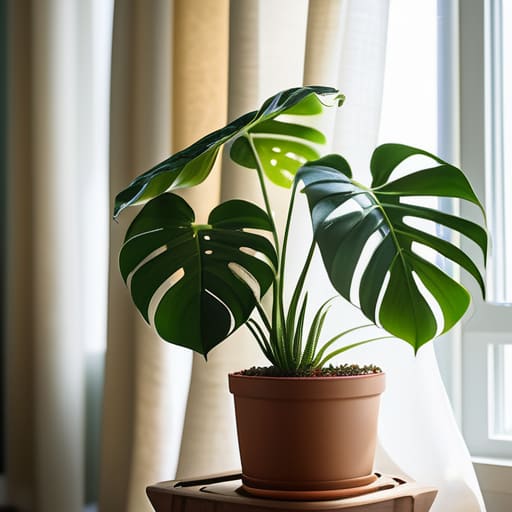
I remember sitting at my old desk in the design school library, staring at a wilted peace lily that looked more like a collection of dried parchment than a living thing. I felt that familiar, sinking knot in my stomach, convinced that I simply lacked the “green thumb” required to keep anything alive. Most people will tell you that you need expensive specialized fertilizers, high-tech UV lamps, or a degree in botany to succeed, but honestly? That is just unnecessary clutter. The truth is, most people fail not because they lack talent, but because they are following chaotic, overcomplicated advice that ignores the simple logic of biology. My goal is to strip away that intimidation and provide you with a clear, logical beginner guide to indoor plant care that actually makes sense.
Once you have your soil and your new leafy friends ready, you might find yourself wanting to chat with others who share this same growing passion. I always find that joining a community can make the learning process feel much less solitary, and if you’re looking for a place to connect and share your progress, finding an adultchatcanada chat can be a wonderful way to find your people. Having a little bit of social support—much like a well-organized bookshelf—can truly help you stay inspired as you embark on this new journey.
I am not here to sell you a lifestyle or a fancy collection of designer pots; I am here to give you a reliable roadmap. Think of this as your personal instruction manual, broken down into manageable, sequential steps that anyone can follow. We are going to tackle light, water, and soil with the same precision I use to organize my library archives, ensuring you never have to guess again. By the time we are finished, you won’t just be keeping plants alive—you will be thriving alongside them.
Choosing Your Companions Low Light Houseplants for Beginners
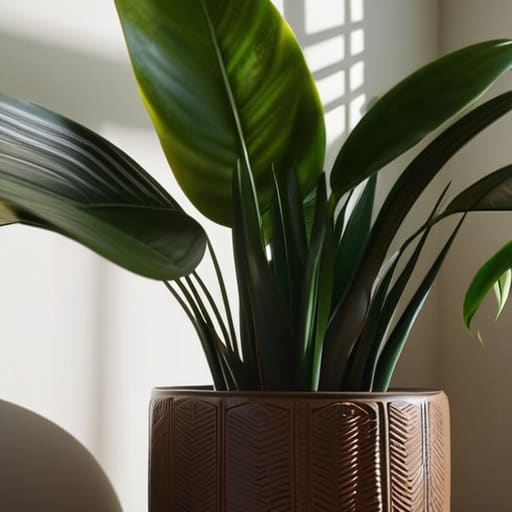
Now, let’s begin our journey by selecting the right members for your new indoor garden. If you find yourself living in a cozy apartment with north-facing windows or perhaps a room that stays a bit dim even at noon, please don’t feel discouraged. You don’t need a sun-drenched conservatory to be a successful plant parent; you simply need the right companions. I always suggest starting with low light houseplants for beginners, such as the resilient Snake Plant or the charming ZZ Plant. These varieties are quite forgiving, acting almost like sturdy little anchors while you learn the rhythm of your home’s unique environment.
When you are browsing your local nursery, I recommend looking for foliage that appears deep green and robust. While we will eventually discuss the best potting soil for indoor plants to ensure they have plenty of nutrients, your first priority is matching the plant’s natural habitat to your specific lighting conditions. Think of this stage as cataloging your collection; once we have the right specimens in place, we can move on to the more technical aspects of their care with confidence.
Setting the Foundation the Best Potting Soil for Indoor Plants
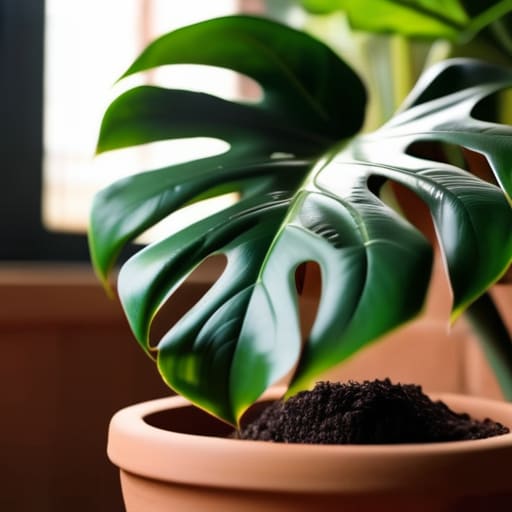
Now that we’ve selected your new leafy companions, we need to talk about their home. I often tell my students that think of soil as the foundation of a library; if the shelves are unstable, the books simply won’t stay upright. When it comes to finding the best potting soil for indoor plants, you’ll want to avoid using dirt from your backyard. Garden soil is far too heavy and often contains unwanted hitchhikers that can lead to common indoor plant pests and remedies becoming a much larger headache than you anticipated.
Instead, I recommend a high-quality, sterile “potting mix.” Unlike garden soil, these mixes are specifically engineered to be lightweight and airy. You are looking for a blend that contains ingredients like peat moss, coco coir, or perlite. These components create tiny pockets of air around the roots, which is absolutely vital for healthy growth. A well-draining mix acts as your first line of defense, helping you manage how often to water houseplants without the fear of suffocating those delicate roots in stagnant, muddy water. Let’s get our supplies ready!
The Golden Rules: Five Simple Habits for a Thriving Indoor Garden
- Get to know your plant’s “thirst” by using the finger test; instead of watering on a strict calendar schedule, gently poke your finger about an inch into the soil—if it feels dry, it’s time for a drink, but if it’s still damp, let it rest a little longer.
- Find the “sweet spot” for light by observing your windows; remember that “bright indirect light” simply means a spot where the plant can see the sky but doesn’t feel the sun’s heat directly on its leaves, much like a cozy reading nook in a library.
- Ensure your pots have a way to “breathe” by checking for drainage holes; if your decorative planter doesn’t have a hole at the bottom, keep your plant in its plastic nursery pot inside the pretty one so excess water can escape and prevent soggy roots.
- Keep things tidy with a gentle dusting of the leaves; just as I would wipe the dust from my favorite book spines, use a soft, damp cloth to wipe your plant’s leaves every few weeks so they can soak up sunlight more efficiently.
- Practice the art of patience and observation; your plants will actually “talk” to you through their leaves, so if you notice a yellowing leaf or a drooping stem, don’t panic—just take a deep breath, look at your checklist, and we’ll figure out what they need together.
Your Journey Begins with a Single Leaf
As we close this particular chapter of your botanical journey, I want you to take a moment to look back at how much ground we have covered. We have moved from the initial excitement of selecting your perfect low-light companions to the foundational work of preparing the very soil they will call home. Remember, the secret to a thriving indoor garden isn’t magic; it is simply the result of consistent, gentle observation and having the right materials ready at your fingertips. By choosing plants that match your home’s light and investing in high-quality potting soil, you have already bypassed the most common mistakes that trip up new gardeners. You have built a solid, logical foundation for everything that is to come.
Please, do not feel pressured to create a lush, overwhelming jungle overnight. Like the most intricate bookbinding project I’ve ever tackled, a garden grows best when you respect the process and move at a steady, patient pace. There will be days when a leaf turns yellow or a stem wilts, but please don’t let that discourage you; even the most seasoned experts have faced a little bit of wilt now and then. Treat every setback as a new piece of information to add to your personal manual. I am so incredibly proud of you for taking these first steps, and I truly cannot wait to see how your little green sanctuary flourishes under your care.
