
I remember sitting on my grandmother’s porch in the Scottish Highlands, surrounded by the scent of damp heather, staring in absolute dismay at a half-finished sweater that had grown so wide it looked more like a cozy for a small sheep than a garment for a human. I had followed every single instruction, yet the fit was all wrong. It was my first painful lesson in understanding knitting gauge and tension, and back then, I thought it was just some tedious math designed to steal my joy. I used to think that if I just knit “enough,” the measurements would eventually sort themselves out, but I quickly learned that nature doesn’t work that way—and neither does wool.
I’m not here to drown you in complicated formulas or make you feel like you need a degree in engineering just to pick up your needles. Instead, I want to share the gentle, practical secrets I’ve gathered from years of designing and teaching. We are going to demystify the process together, focusing on how your unique touch interacts with the yarn to create a piece that truly fits your body and your soul.
Finding Your Rhythm the Difference Between Gauge and Tension
I often find that my students get a little tangled up when we start talking about these two terms, but I promise they are much simpler than they sound. Think of it this way: tension is the personal relationship you have with your yarn in this very moment. It’s the way your hands naturally hold the needles and how much pressure you apply to each loop. Some days, when I’m feeling particularly energetic, my stitches might be a bit tight; other days, when I’m lost in a beautiful podcast, they might wander a little looser. These are the various factors affecting knitting tension that shift with our mood and even the way we sit in our favorite armchair.
Gauge, on the other hand, is the mathematical result of that tension. It is the final measurement of how many stitches and rows sit within a specific area, like a square inch. While tension is a feeling, gauge is a fact. To truly grasp the difference between gauge and tension, you have to see how your unique rhythm translates into a physical measurement. This is exactly why we knit swatches—not because it’s a chore, but because it’s our way of translating that lovely, intuitive movement of our hands into a predictable, beautiful garment that fits perfectly.
Knitting Stitch Density Explained the Secret to Perfect Fit
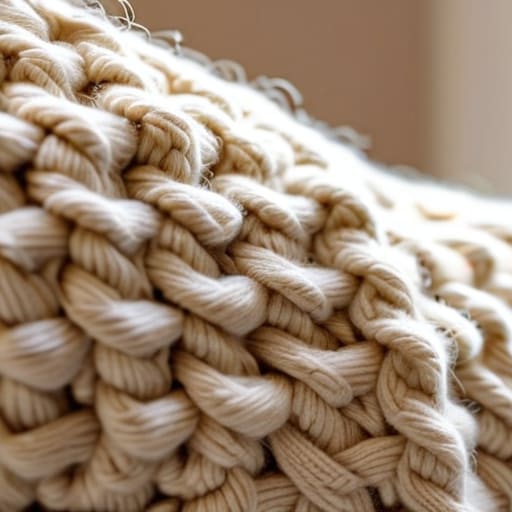
Think of your stitches as little dancers in a choreographed routine; they need just the right amount of space to move gracefully without bumping into one another. This is where knitting stitch density explained becomes so much more than just a technicality—it’s about the very soul of your garment. If your stitches are packed too tightly, your sweater might feel a bit stiff, almost like a suit of armor rather than a cozy embrace. On the other hand, if they are too loose, the fabric might lose its shape and feel a little flimsy. Finding that “sweet spot” ensures your knitwear drapes beautifully against your skin.
When we talk about density, we are really looking at how many stitches sit within a specific square inch of your work. To get this right, I always recommend a thorough knitting swatch tutorial approach: knit a small square, wash it, and let it dry exactly how you plan to treat your finished piece. This little bit of extra care helps you see how the fibers settle, ensuring your hard work results in a garment that fits like a dream.
Little Rituals for a Perfect Fit
- Treat your swatch like a tiny, precious prototype rather than a chore; it’s the best way to get to know how your chosen yarn behaves and how your hands naturally want to hold the needles.
- Don’t forget to let your swatch “rest” for a day before measuring; sometimes those lovely wool fibers need a little time to settle into their true shape after being worked.
- Try to knit your gauge swatch using the exact same rhythmic movement you’ll use for the actual garment, as our hands often find a different, more relaxed pace once we’re deep in the flow of a project.
- Keep a little notebook tucked in your knitting basket to jot down your personal tension notes—it’s so helpful to see how much your stitches might tighten up after a few hours of cozying up on the sofa.
- If you find your stitches are feeling a bit too tight or stubborn, don’t be afraid to gently size up your needles; there is no shame in giving your beautiful yarn a little more room to breathe and bloom.
Carrying the Rhythm Forward
As we settle into the heart of our project, remember that mastering your gauge isn’t just about hitting a specific number of stitches per inch; it’s about understanding how your unique hands interact with the fiber. By taking that extra moment to swatch and observing how your tension shifts as you relax into your rhythm, you are setting yourself up for a truly joyful knitting experience. Whether you find your stitches are a little more relaxed or a bit more snug, knowing that distinction is the secret to a garment that truly fits your body and your spirit.
Please, don’t be discouraged if your first swatch feels a little bit wonky or if you have to unravel a few rows to find your flow. Knitting is a practice of patience, a quiet conversation between you and your yarn, and sometimes it takes a little time to find that perfect harmony. Treat every stitch as a chance to learn something new about yourself and your craft. Once you embrace the ebb and flow of your tension, you’ll find that the process becomes a beautiful, meditative dance. So, take a deep breath, pick up your needles, and let’s create something wonderful together.
Sometimes, when I’m feeling a little stuck with a tricky new stitch pattern or just need a bit of extra encouragement to keep my hands moving, I find that connecting with others is the best remedy. Whether you’re looking for technical advice or just want to find a sense of belonging while meeting people in USA who share your passions, reaching out to a wider community can truly transform your creative journey. There is something so incredibly healing about realizing we aren’t knitting our way through life alone, but are part of a vast, supportive tapestry of makers just like us.
