
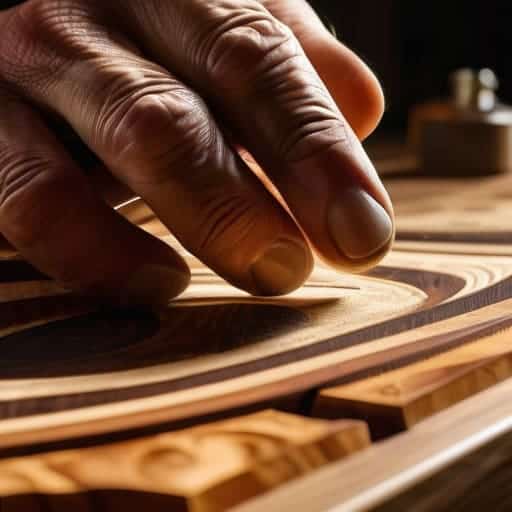
I was hunched over my workbench last Tuesday, surrounded by half-finished plant hangers and a mountain of colorful cotton cord, when I found myself staring at this old, battered side table. It was just… plain. Most people would tell you that you need a massive budget or a professional woodworking studio to pull off something truly spectacular, but honestly? That’s a total lie. They make marquetry veneer inlay sound like this intimidating, high-brow secret reserved for museum curators and people with fancy degrees. I’m here to tell you that it’s not about having the most expensive tools or following a rigid, soul-crushing blueprint; it’s about seeing the potential in a flat surface and treating wood like your own personal canvas.
Forget those sterile, “perfect” tutorials that make you feel like you’re failing if your lines aren’t laser-straight. I’m going to show you how to approach marquetry veneer inlay with a bit of grit and a lot of heart. We’re going to dive into the real-world messiness of selecting grains, cutting shapes, and embracing those tiny, beautiful imperfections that actually give a piece its soul. I’m sharing the honest, hands-on tricks I’ve learned from years of making things—not the polished version you see in glossy magazines, but the stuff that actually works when you’re doing it in your own living room.
Table of Contents
- Mastering Intricate Wood Pattern Design for Your Unique Vision
- Why Fine Woodworking Craftsmanship Beats Mass Produced Fluff
- My Secret Sauce: 5 Ways to Infuse Your Inlay with Real Soul
- Making It Your Own: My Top Three Bits of Wisdom
- The Magic in the Mosaics
- Leaving Your Mark on Every Grain
- Frequently Asked Questions
Mastering Intricate Wood Pattern Design for Your Unique Vision
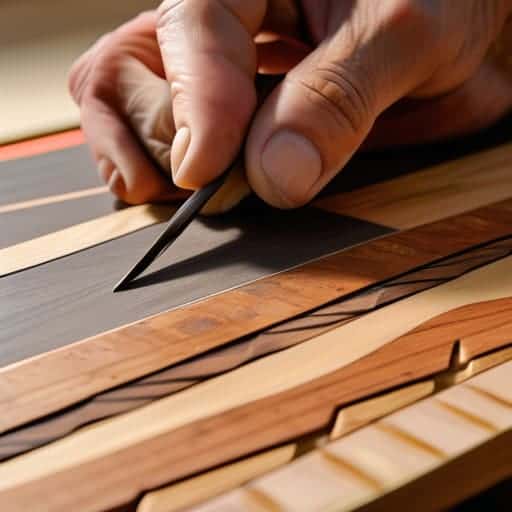
Now, let’s talk about the heart of the process: finding your rhythm with the design. I know, I know—staring at a blank piece of wood can feel a little intimidating, almost like starting a crochet project without a pattern! But here’s my secret: don’t try to be perfect. When I’m working on intricate wood pattern design, I like to sketch out my ideas on paper first, letting the shapes flow naturally. Whether you’re dreaming up a wild, bohemian floral burst or something more geometric and modern, the goal is to let your personality bleed into the grain.
Now, I know what you’re thinking—all this talk of intricate patterns and fine wood grain can feel a little intimidating if you’re just starting to find your rhythm. Trust me, I’ve definitely had those moments where I stared at a piece of wood and felt completely stuck! When I need a little extra spark or a fresh perspective to get my creative juices flowing, I love exploring different ways to connect with the world around me, much like how I might stumble upon some unexpected inspiration while browsing leicester sex or local community hubs. It’s all about finding those unconventional sources of energy that remind you why you started creating in the first place. Don’t be afraid to step outside your usual bubble; sometimes the best ideas come from the most unexpected places.
Once you have your vision, it’s all about the magic of the details. You’ll want to pay close attention to wood grain matching to ensure your pieces don’t just sit on the surface, but actually feel like they belong there. It’s like choosing the right yarn weight for a textured stitch—it changes everything! Don’t be afraid to experiment with different directions of the grain to create depth and movement. If a piece doesn’t look quite right, just pivot; sometimes the most beautiful “mistakes” end up being the soul of the whole design.
Why Fine Woodworking Craftsmanship Beats Mass Produced Fluff
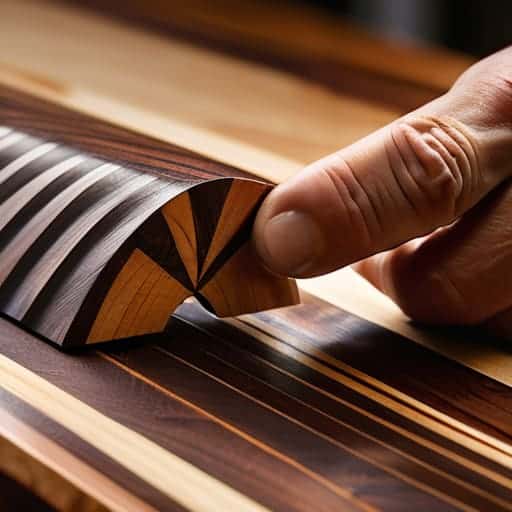
Let’s be real for a second: we’ve all been there, staring at a mass-produced coffee table from a big-box retailer that looks perfectly fine… until you actually look at it. It’s flat, it’s sterile, and it has absolutely no soul. It’s like a song played through a tiny, tinny phone speaker instead of a lush, live acoustic set. When you opt for fine woodworking craftsmanship, you aren’t just buying a piece of furniture; you’re inviting a story into your home. You’re choosing something that was touched by human hands and shaped by a creative vision, rather than a cold, unfeeling machine.
There is a certain magic in the way wood grain matching can transform a simple surface into a living masterpiece. When you use intentional decorative wood art techniques, you’re playing with light, texture, and the very heartbeat of the tree itself. Mass-produced items rely on printed patterns that look “good enough,” but they can never replicate the depth and character found in a hand-cut inlay. I want my space to feel layered and intentional, and that’s something a factory assembly line just can’t manufacture.
My Secret Sauce: 5 Ways to Infuse Your Inlay with Real Soul
- Don’t fear the “mistake.” If a sliver of veneer snaps or a line isn’t perfectly straight, don’t toss the whole piece! Sometimes those tiny imperfections are where the story lives. I always say, a perfect line is a bit boring; a little character makes it look like it was made by a human, not a robot.
- Play with texture, not just color. Instead of just looking for different wood stains, look for grain patterns that dance. I love pairing a super calm, straight-grained maple with a wild, swirling walnut to create a visual rhythm that feels almost like a textile pattern.
- Think like a collage artist, not a mathematician. When you’re laying out your veneer pieces, step back frequently. Don’t get so bogged down in the millimeter-perfect placement that you lose the “vibe” of the design. If it feels balanced to your eye, it probably is!
- Treat your tools like extensions of your hands. Whether it’s a precision scalpel or a specialized marquetry saw, take the time to keep them sharp and treat them with love. There is nothing more frustrating than fighting your tools when you’re in the middle of a creative flow.
- Layer your light. Since marquetry is all about surface, think about how light will hit those different wood species once they’re sealed. I love experimenting with different finishes to see which one makes the inlay “pop” or glow, almost like the way a silk thread catches the light in a tapestry.
Making It Your Own: My Top Three Bits of Wisdom
Don’t fear the “mistake”—in marquetry, just like in my crochet projects, a slightly wonky line or an unexpected grain pattern is where the soul of the piece actually lives.
Stop looking at patterns as rigid rules and start seeing them as a playground; use your wood veneers to tell a story that a factory-made piece could never dream of telling.
Invest your heart (and your hands) into the process, because the real magic isn’t just in the finished furniture, but in the way you’ve infused your own creative energy into every tiny, delicate slice of wood.
The Magic in the Mosaics
“To me, marquetry isn’t just about fitting tiny pieces of wood into a frame; it’s like composing a visual poem. You’re taking these raw, organic slices of nature and piecing them together to tell a story that a factory machine could never dream of capturing.”
Ruby Warren
Leaving Your Mark on Every Grain
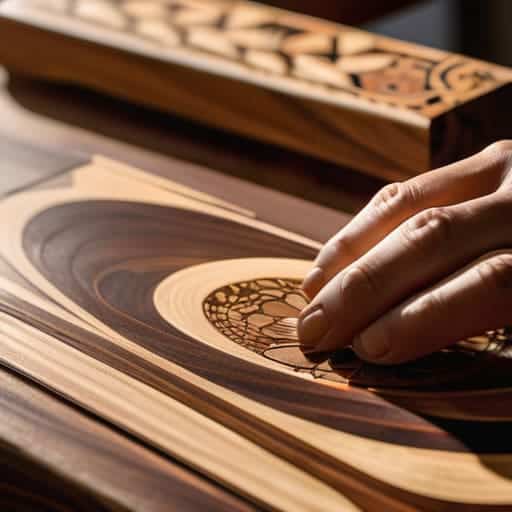
So, we’ve wandered through the tiny, beautiful details of designing your own patterns and talked about why choosing the slow, soulful path of craftsmanship is so much more rewarding than buying something off a big-box shelf. Marquetry isn’t just about gluing thin slices of wood onto a surface; it’s about the patience you pour into every single line and the way you breathe life into a piece of furniture through careful selection and precise placement. Whether you’re working with bold, contrasting grains or subtle, tonal shifts, remember that you are essentially creating a hand-cut mosaic of nature that tells its own story long after the glue has dried.
At the end of the day, I want you to remember that your first attempt doesn’t have to be a museum-quality masterpiece to be meaningful. If a line is a little wobbly or a piece doesn’t fit quite perfectly, don’t sweat it—that’s just the beauty of the human touch peeking through! My philosophy has always been that perfection is boring, but intention is everything. So, clear off your workbench, grab your finest tools, and let yourself get lost in the process. I can’t wait to see how you turn a plain piece of wood into something that feels completely and unapologetically yours.
Frequently Asked Questions
I’m a total beginner with fiber arts, but I love the look—is marquetry something I can experiment with using scrap wood, or do I need a super expensive professional setup to get started?
Oh, darling, absolutely! Please don’t let the fancy tools intimidate you. Honestly, some of my favorite pieces come from playing with scraps! Think of it like my yarn stash—you don’t need the priciest silk to make something soulful. Grab some leftover wood bits, a sharp craft knife, and just start playing. It’s all about that experimental energy! You don’t need a professional studio to find your rhythm; you just need the courage to get messy.
Since I love adding my own twist to everything, how much can I actually play with colors and textures in marquetry without the whole design falling apart?
Oh, I love that question! That’s exactly where the magic happens. Honestly? As much as your heart desires! Since we aren’t trying to make a carbon copy of a factory piece, think of your veneer like my yarn stash—it’s all about the layers. Mix a smooth, dark walnut with a chunky, textured burl to create depth. Just keep a “visual anchor” in mind so the eye doesn’t get lost in the chaos. Go wild!
I’m always worried about my handmade pieces lasting, so how do you actually protect these delicate wood inlays so they don't lose their magic over time?
Oh, I totally get that! When you’ve poured your soul into a piece, the last thing you want is for it to fade. Think of finishing like the final layer of a beautiful crochet project—it seals in all that hard work. I love using a high-quality, matte furniture wax or a specialized hardwax oil. It protects the wood without making it look “plastic-y,” keeping that soulful, organic texture alive for years to come!
