
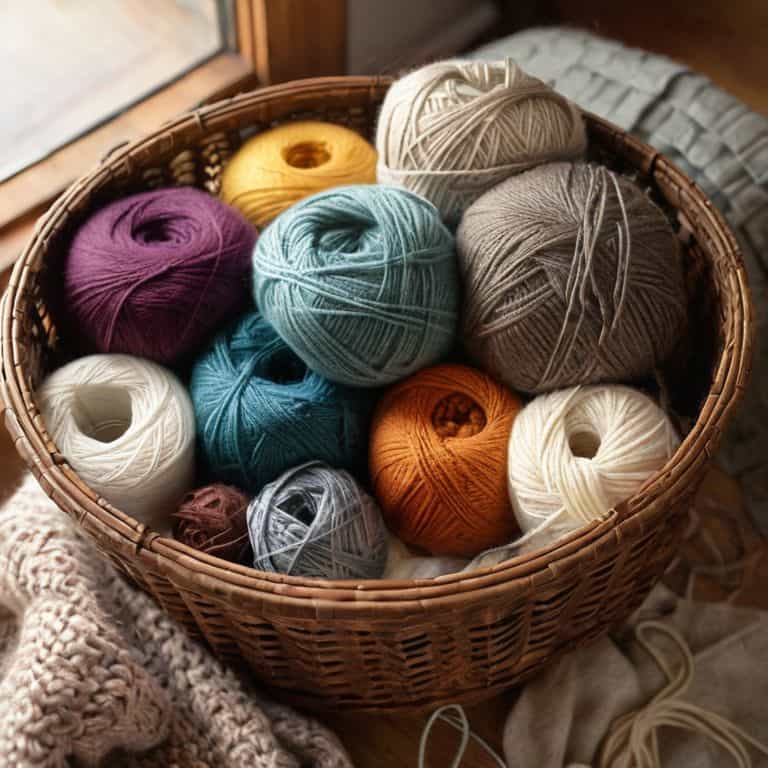
I still remember the first time I struggled with finding the perfect yarn substitute for a project. I was working on a scarf pattern designed by my friend Emily, and I just couldn’t find the exact yarn she used. That’s when I realized that having a guide to yarn substitution would be a total game-changer. I’ve since learned that it’s not just about finding a yarn with the same weight or fiber content, but about understanding the nuances of how different yarns behave. I’ve had the chance to talk to many designers and dyers about this topic on my podcast, and I’ve learned that there’s no one-size-fits-all solution.
In this article, I’ll share my own experiences and the wisdom of the fiber community to provide you with practical advice on how to substitute yarn like a pro. You’ll learn how to read yarn labels, understand the role of fiber content, and make informed decisions about which yarns to use as substitutes. My goal is to empower you with the knowledge and confidence to tackle any project, even if the original yarn is no longer available. By the end of this guide to yarn substitution, you’ll be equipped with the skills to navigate the sometimes-overwhelming world of yarn and find the perfect match for your next project.
Table of Contents
Guide Overview: What You'll Need
Total Time: 1 hour 15 minutes
Estimated Cost: $10 – $30
Difficulty Level: Intermediate
Tools Required
- Measuring Tape (for measuring yarn weight and fiber content)
- Yarn Needle (for weaving in ends)
- Scissors (for cutting yarn)
- Stitch Dictionary or Pattern (for reference)
Supplies & Materials
- Yarn (various fibers and weights)
- Yarn Substitution Chart (optional, but recommended)
- Stitch Markers (for marking gauge and stitch count)
- Calculator (for calculating yarn requirements)
Step-by-Step Instructions
- 1. First, let’s start by understanding the basics of yarn substitution. It’s essential to recognize that substituting yarn is not just about replacing one skein with another, but about finding a yarn that will give you the desired texture, drape, and look for your project. I’ve learned this from my conversations with indie dyers and designers, who always emphasize the importance of swatching before starting a project.
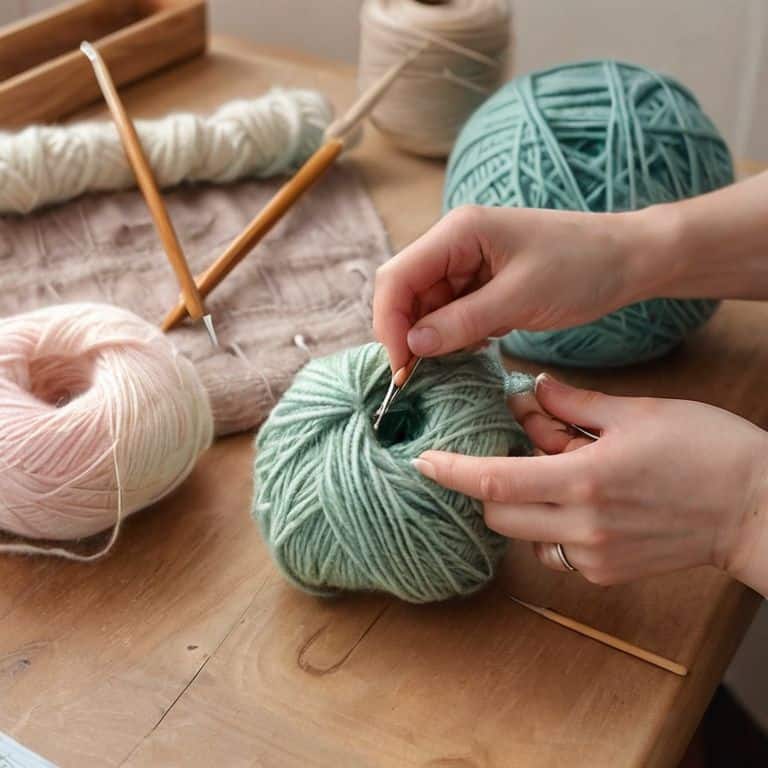
- 2. Next, take a closer look at the yarn you want to substitute. Check the fiber content, weight, and gauge to get a sense of its characteristics. You can find this information on the yarn label or by consulting the manufacturer’s website. My friend, a talented knitwear designer, always says that understanding the yarn is key to successful substitution.
- 3. Now, it’s time to explore alternative yarns. Look for yarns that have similar characteristics to the original, such as the same fiber content, weight, and gauge. You can use online yarn directories or consult with fellow crafters to find suitable substitutes. I’ve found that asking for recommendations from experienced makers can be incredibly helpful in finding the perfect replacement.
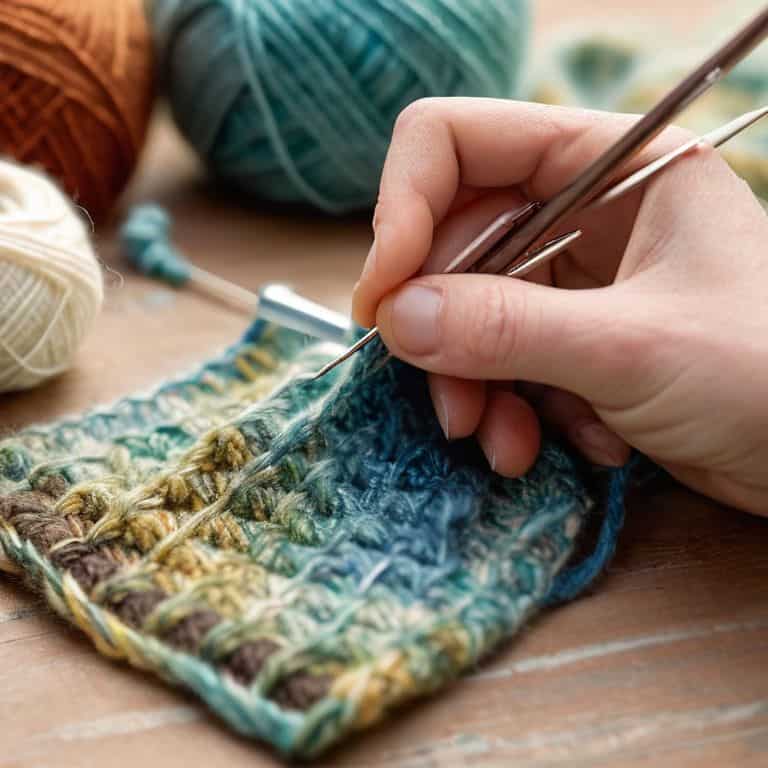
- 4. Once you’ve identified potential substitute yarns, it’s essential to swatch and compare. Knit or crochet a swatch using each of the alternative yarns to see how they behave and how they compare to the original yarn. This step is crucial in determining whether the substitute yarn will work for your project.
- 5. When evaluating the swatches, pay attention to the texture, drape, and stitch definition. Ask yourself if the substitute yarn provides the same visual appeal as the original. Consider factors like color, sheen, and softness, as these can affect the overall look and feel of your project. I’ve learned that it’s not just about finding a yarn that matches the technical requirements, but also about finding one that resonates with your personal taste.
- 6. Another critical factor to consider is the yarn’s care instructions. Make sure the substitute yarn has similar care requirements to the original, such as washing and drying instructions. You don’t want to end up with a finished project that requires special care or handling. My experience with traveling to fiber festivals has taught me that understanding the yarn’s care instructions can make all the difference in the long run.
- 7. Finally, record your findings and keep track of the substitute yarns you’ve tried. Take notes on the yarn’s characteristics, how it performed in the swatch, and whether it’s a good match for your project. This will help you develop a personal yarn database and make future substitution decisions easier. I’ve found that keeping a yarn journal can be a valuable resource for any crafter, and it’s a habit I highly recommend.
A Guide to Yarn Substitution
As I’ve traveled to various fiber festivals, I’ve noticed that yarn weight conversion can be a significant challenge when substituting yarns. It’s essential to understand that different yarns, even if they appear to be the same weight, can have distinct properties that affect the final project. I recall a conversation with a designer who emphasized the importance of swatching before starting a project, especially when working with unfamiliar yarns.
When it comes to substituting yarn fibers, it’s crucial to consider the intended use of the finished project. For example, a scarf made from a yarn with a high percentage of wool will have a different yarn drape and texture compared to one made from a yarn with a high percentage of cotton. As a beginner, choosing yarn can be overwhelming, but it’s worth taking the time to research and understand the properties of different yarns.
I’ve found that using yarn substitution charts can be incredibly helpful in navigating the world of yarn substitution. These charts provide a comprehensive guide to yarn fiber blends and their equivalent weights, making it easier to find a suitable substitute. By understanding the intricacies of yarn substitution, you’ll be well on your way to creating beautiful, unique projects that showcase your personal style.
Mastering Yarn Fiber Blends for Beginners
As I’ve traveled to fiber festivals, I’ve seen how different yarn fiber blends can elevate a project. For beginners, it’s essential to understand the basics. I recall a conversation with a indie dyer who emphasized the importance of considering the fiber content when substituting yarn. She explained how blending fibers like merino wool and nylon can create a durable yet soft yarn, perfect for garments that need to withstand wear and tear.
When starting out, it’s best to experiment with small projects, like hats or scarves, to get a feel for how different fiber blends work up. I’ve tried my hand at spinning yarn, and it’s amazing how much of a difference the fiber blend can make in the final product. By mastering yarn fiber blends, you’ll open yourself up to a world of creative possibilities and be well on your way to becoming a skilled yarn substituter.
Unraveling Yarn Weight Conversion Secrets
As I delved into the world of yarn substitution, I realized that understanding yarn weight conversion is crucial. I recall a conversation with a talented indie dyer, who shared her struggles with finding the perfect substitute for a specific project. She emphasized the importance of considering the yarn’s weight, fiber content, and drape. I’ve found that a simple yarn weight conversion chart can be a lifesaver, but it’s also essential to consider the nuances of each yarn.
When exploring yarn weight conversion, I’ve learned to ask questions like “What’s the intended use of the project?” and “How will the yarn interact with the needles or hook?” By considering these factors, we can unlock the secrets of successful yarn substitution. Whether you’re a seasoned maker or just starting out, mastering yarn weight conversion will open up a world of creative possibilities, and I’m excited to share more of my discoveries with you.
5 Essential Tips for Yarn Substitution
- Consider the Project’s Intended Use: Think about how your finished project will be used and choose a substitute yarn that fits its purpose, just like I did with my friend Rachel’s baby blanket pattern
- Swatch, Swatch, Swatch: Always swatch your substitute yarn to ensure the gauge and drape are similar to the original, trust me, I’ve learned this one the hard way
- Look Beyond the Color: When substituting yarn, don’t just match the color, consider the fiber content, weight, and texture to ensure a similar look and feel, as I discussed with indie dyer, Sarah, on my podcast
- Check the Yarn’s Care Instructions: Make sure the substitute yarn has similar care instructions to the original to avoid any, ahem, ‘felting’ disasters, like the one I had with my first handmade sweater
- Join the Conversation: Share your yarn substitution successes and failures with the fiber community, you never know who might have a valuable tip or trick to share, and I’d love to hear about it on my podcast, so don’t be shy
Key Takeaways for Yarn Substitution
As you embark on your yarn substitution journey, remember that every skein has a story to tell, and finding the perfect substitute is all about understanding the nuances of yarn weight, fiber blend, and project requirements
By mastering yarn weight conversion secrets and exploring different fiber blends, you’ll become more confident in your ability to substitute yarns and create unique, personalized projects that reflect your style and creativity
Whether you’re a seasoned maker or just starting out, the art of yarn substitution is a skill that will serve you well, allowing you to breathe new life into old patterns, experiment with new textures and colors, and connect with the vibrant community of fiber artists around the world
The Heart of Yarn Substitution
The art of substituting yarn is not just about swapping one skein for another, but about understanding the story of the yarn and how it will unfold in your hands, just as the fiber itself unfolds into a tapestry of texture and color.
Noah Byrne
Weaving It All Together
As we’ve explored the world of yarn substitution, I hope you’ve gained a deeper understanding of the importance of yarn weight conversion and how to master yarn fiber blends. These key concepts will serve as the foundation for your future projects, allowing you to confidently substitute yarns and bring your creative visions to life. Whether you’re a seasoned crafter or just starting out, remembering that every skein of yarn has a story to tell can help guide your decisions and make the process even more enjoyable. By embracing the journey and not being afraid to experiment, you’ll find that yarn substitution becomes an exciting opportunity for growth and discovery.
As you close this guide and embark on your next crafting adventure, I want to leave you with a final thought: the art of yarn substitution is a journey, not a destination. It’s a chance to connect with the fiber arts community, to learn from one another, and to create something truly unique and meaningful. So, go ahead, ask yourself and others, what are you working on?, and watch how the stories and inspiration begin to flow. Happy crafting, and I look forward to hearing about your yarn substitution successes and adventures along the way!
Frequently Asked Questions
What are some common mistakes to avoid when substituting yarn in a pattern?
You know, I’ve seen many a maker trip up when substituting yarn. One common mistake is not accounting for fiber content and how it affects drape and texture. My friend, indie dyer Rachel, once told me that ignoring this can lead to a finished project that’s just not what you envisioned. So, always consider how the yarn will behave, not just its weight or color.
How do I determine the best yarn substitute for a project when the original yarn is no longer available?
For me, finding a great yarn substitute is all about understanding the story behind the original yarn. I ask myself, “What made this yarn special?” Was it the fiber blend, the weight, or the color? Once I have a sense of that, I can start exploring alternatives that capture the same essence, like my friend Sarah did when she substituted a similar yarn for her grandma’s vintage pattern.
Can I substitute yarns with different fiber blends and still achieve the desired texture and drape in my finished project?
When substituting yarns with different fiber blends, it’s all about finding the right balance. I’ve seen it work beautifully, like my friend Sarah’s blend of merino and silk for a luscious scarf. The key is to consider how each fiber contributes to texture and drape, and adjust your pattern accordingly. Experiment with swatches to ensure the perfect blend for your project.
