
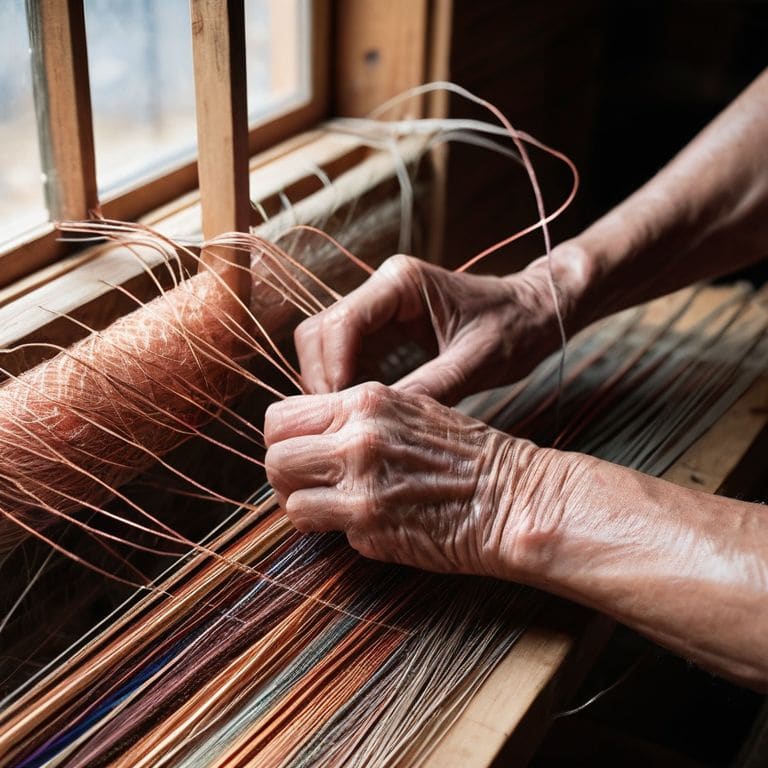
I still remember the first time I decided to push the boundaries of traditional weaving by incorporating unconventional materials into my work. It was a eureka moment, as I discovered that using unconventional materials in weaving could add a whole new dimension to my pieces. I experimented with everything from vintage fabric scraps to metal wire, and the results were nothing short of breathtaking. As I delved deeper into this uncharted territory, I realized that the key to success lay in embracing the unexpected and allowing the materials to guide my creative process.
In this article, I’ll share my personal approach to using unconventional materials in weaving, and provide you with practical tips on how to get started. You’ll learn how to select the right materials, combine them in innovative ways, and troubleshoot common challenges that may arise. My goal is to empower you to think outside the box and unlock the full potential of your weaving practice. By the end of this guide, you’ll be equipped with the knowledge and confidence to create unique, texture-rich pieces that showcase your individuality and style. Whether you’re a seasoned weaver or just starting out, I invite you to join me on this exciting journey of discovery and creativity.
Table of Contents
Guide Overview: What You'll Need
Total Time: 3 hours 45 minutes
Estimated Cost: $50 – $100
Difficulty Level: Intermediate
Tools Required
- Loom or a simple frame loom
- Scissors (sharp and dedicated to cutting various materials)
- Tape measure for measuring warp and weft lengths
- Pencil for marking patterns or guides
- Pickup stick for weaving and beating
Supplies & Materials
- Unconventional yarns such as plastic bags, newspaper strips, or fabric scraps
- Natural fibers like cotton, wool, or hemp for blending with unconventional materials
- Cardboard for creating a simple loom or as a material in weaving
- Plastic mesh for creating unique textures and patterns
- Wooden or plastic rods 6 inches long, for creating a simple frame loom
Step-by-Step Instructions
- 1. To start, I like to brainstorm a list of unconventional materials I can incorporate into my weaving, such as vintage fabric, scrap metal, or even found objects like leaves or branches. This is the fun part – letting my imagination run wild and thinking about how each material can add a unique texture or element to my piece.
- 2. Next, I’ll sort and prepare my materials, cleaning and cutting them into usable pieces. For example, if I’m using vintage fabric, I might cut it into strips or squares, while scrap metal might need to be bent or shaped into a form that can be easily woven.
- 3. Now it’s time to create a foundation for my weaving, which typically involves setting up my loom and threading it with a base yarn. I like to use a simple, neutral-colored yarn for this step, as it allows me to focus on the unconventional materials I’ll be adding later.
- 4. With my foundation in place, I can start incorporating my unconventional materials into the weave. This might involve threading them through the loom, tying them in place, or even using a needle and thread to sew them into position. I love this part of the process, as it’s where the magic really happens and my piece starts to take shape.
- 5. As I continue to weave, I’ll experiment with different textures and patterns, combining my unconventional materials with traditional yarns to create a unique and visually interesting piece. This is where my background in architecture comes in handy, as I think about the overall structure and composition of the piece, and how each element contributes to the whole.
- 6. Once I’ve completed the main body of my weaving, I’ll add any final details, such as trimming the edges, adding a decorative border, or even incorporating additional materials like beads or sequins. This is the finishing touch, and it’s where I can really make my piece shine.
- 7. Finally, I’ll step back and evaluate my finished piece, thinking about what works and what doesn’t, and making any necessary adjustments. This is an important part of the process, as it allows me to reflect on what I’ve learned and how I can apply it to future projects – and it’s also where I get to enjoy the fruits of my labor, and appreciate the beauty and uniqueness of my finished weaving.
Weaving Beyond Bounds
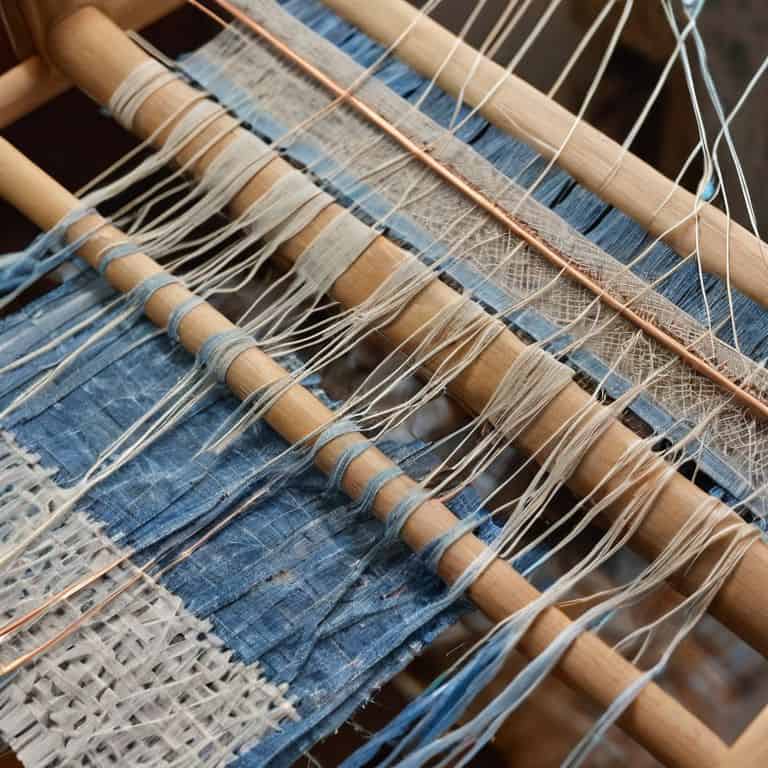
As I continue to push the boundaries of textile art, I find myself drawn to weaving with recycled materials. There’s something beautiful about taking discarded objects and transforming them into something new and meaningful. I’ve experimented with incorporating old plastic bags, vintage clothing, and even metal wire into my weavings. The key is to think outside the box and consider the texture, color, and form of each material.
When working with natural fiber weaving techniques, I love to combine different materials to create unique textures and patterns. For example, pairing raw silk with linen can create a stunning contrast of smooth and rough textures. This approach allows me to build complex, layered designs that are both visually striking and thought-provoking. By embracing experimental textile art, I’ve discovered a world of possibilities that challenge traditional notions of weaving.
As I explore the world of hand weaving with found objects, I’m constantly inspired by the potential for sustainable weaving practices. By repurposing materials that would otherwise be discarded, I’m not only creating unique art pieces but also reducing waste and promoting eco-friendly habits. This approach has led me to develop a distinct style that blends modern design sensibilities with ancient craft techniques, resulting in truly one-of-a-kind mixed media weaving inspiration.
Natural Fiber Fusion Techniques
As I delve into the world of natural fiber fusion, I’m reminded of my architectural background – combining disparate elements to create something cohesive and beautiful. I love blending linen, raw silk, and organic cotton to produce unique textures and hues. By merging these fibers, I can craft intricate patterns and dimensional effects that add depth to my woven pieces.
My approach involves carefully selecting fibers that complement each other, then experimenting with different weaving techniques to bring out their natural characteristics. The result is a harmonious fusion of texture, color, and form, where each element enhances the others to create a stunning work of art.
Woven Rebel Recycled Materials
As I delve deeper into the world of unconventional materials, I find myself drawn to the possibilities of recycled fibers. There’s something beautiful about breathing new life into discarded materials, like plastic bags or old clothing. I’ve experimented with weaving plastic strips into vibrant, textured pieces that challenge traditional notions of beauty. The result is a unique blend of ruggedness and elegance, with each thread telling a story of its past life. By embracing recycled materials, I’m not only reducing waste but also creating a sense of history and narrative within my weavings.
Breaking Free: 5 Essential Tips for Weaving with Unconventional Materials
- I always start by experimenting with small swatches to test the texture and durability of unusual materials, like vintage leather or repurposed plastic
- Considering the weight and flexibility of non-traditional materials is crucial – I once tried weaving with copper wire and it added an incredible dimension to the piece
- Mixing unconventional materials with traditional fibers can create a fascinating dialogue between textures, as I discovered when combining raw silk with reclaimed wood yarn
- To achieve a cohesive look, I balance bold, unconventional elements with more subtle, natural fibers, creating a visual tension that draws the viewer in
- Embracing the unpredictability of working with unusual materials is key – I’ve found that some of my most striking pieces have resulted from happy accidents and spontaneous decisions during the weaving process
Key Takeaways: Weaving with Unconventional Materials
I’ve discovered that incorporating unexpected materials into my weavings can add an extraordinary layer of texture and visual interest, from vintage fabrics to natural fibers like linen and raw silk
By embracing unconventional materials and techniques, such as combining metal scraps with traditional yarns, I’ve found that my woven pieces can transcend traditional boundaries and become true architectural installations
Through experimentation and creative risk-taking, I believe that anyone can unlock the full potential of weaving as a form of artistic expression, and I hope to inspire others to join me on this journey of innovation and discovery in the world of textile art
Breaking Free from Tradition
The true beauty of weaving lies not in the threads we’ve been taught to use, but in the unorthodox materials we dare to experiment with, for it’s in these unexpected textures and forms that we discover the innovative spirit of textile architecture.
Ethan Thorne
Weaving a New Narrative
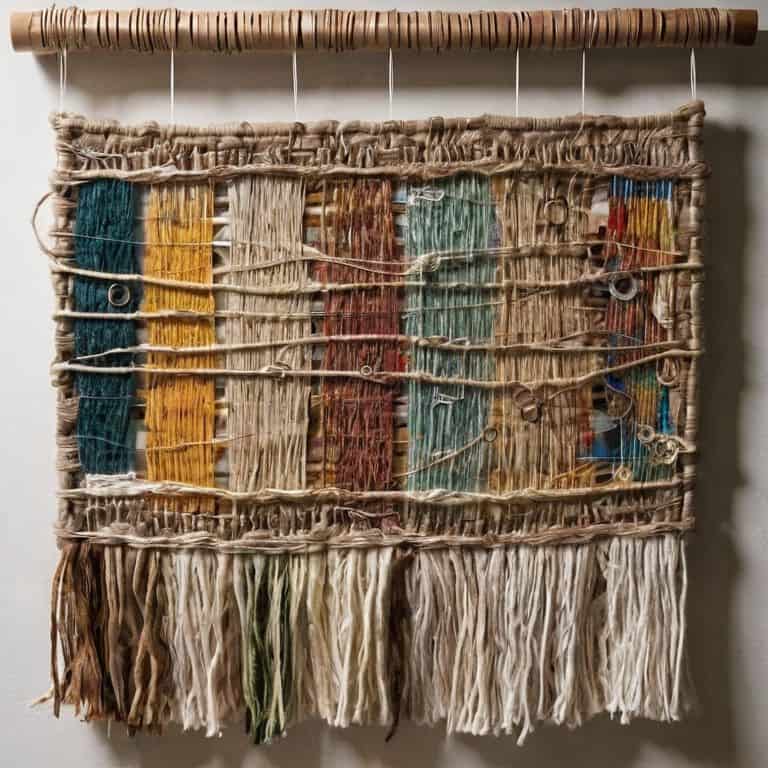
As I reflect on our journey through the world of unconventional materials in weaving, I’m reminded of the endless possibilities that await us when we dare to experiment. From repurposed plastics to natural fibers, we’ve explored the ways in which these unorthodox materials can add texture and depth to our woven creations. We’ve delved into the realm of recycled materials, discovering how discarded items can be transformed into unique and thought-provoking pieces. By embracing these unconventional materials, we’ve not only pushed the boundaries of traditional weaving but also fostered a sense of innovation that can inspire us to new heights.
As we conclude this exploration, I want to leave you with a final thought: the true beauty of weaving lies in its ability to evolve. As we continue to push the limits of what’s possible with fiber and thread, we’ll uncover new ways to express ourselves, to tell our stories, and to connect with one another. So, I encourage you to keep experimenting, to keep weaving beyond bounds, and to never lose sight of the magic that happens when we bring seemingly disparate elements together in the pursuit of artistic expression. The world of weaving is full of surprises, and I have no doubt that together, we’ll create a tapestry of innovation that will inspire generations to come.
Frequently Asked Questions
How do I know if an unconventional material is suitable for weaving, and what are the key factors to consider when selecting unusual fibers?
For me, it’s all about experimentation and intuition. I consider factors like texture, weight, and pliability when selecting unusual fibers. Ask yourself: how will this material interact with others? Will it add tension or harmony to the piece? Trust your instincts and don’t be afraid to try something new – it’s often the unexpected combinations that lead to the most exciting results.
What are some common challenges that arise when working with unconventional materials in weaving, and how can I troubleshoot issues like texture clashes or stability problems?
When working with unconventional materials, I often encounter texture clashes or stability issues. To troubleshoot, I reassess my material choices and consider the inherent properties of each fiber. I might adjust my weave density or try combining materials in different ratios to achieve harmony and stability.
Can you share some examples of successful woven pieces that incorporate unconventional materials, and what inspired your own experiments with non-traditional fibers in your textile art?
I’ve had the thrill of creating pieces that merge metal wire, recycled plastic, and even repurposed wood with traditional yarns. My ‘Urban Tapestry’ series, for instance, combines industrial materials with organic fibers, reflecting the harmony between structure and nature. These experiments have been a game-changer for my art, allowing me to push the boundaries of texture and form.
