
As I sit amidst my loom and threads, I often think about the difference between tapestry and cloth weaving. It’s a topic that’s often shrouded in mystery, with many believing that one is inherently more valuable or difficult than the other. But I’m here to tell you that this isn’t necessarily the case. In my experience, the distinction between these two forms of weaving is more about intention and technique than anything else. I’ve seen many a weaver get caught up in the notion that tapestry weaving is the more “artistic” pursuit, while cloth weaving is simply about creating functional items. But I believe this mindset does a disservice to the richness and diversity of both practices.
As someone who’s spent years exploring the intersection of modern design and ancient craft, I want to share my insights with you in a way that’s clear, concise, and free from hype. In this article, I’ll guide you through the key differences between tapestry and cloth weaving, and show you how to apply these principles to your own projects. Whether you’re a seasoned weaver or just starting out, my goal is to empower you with the knowledge and confidence to create beautiful, meaningful pieces that reflect your unique vision and style. By the end of this journey, you’ll have a deeper understanding of the technical and creative aspects of both tapestry and cloth weaving, and be well on your way to crafting stunning works of art that showcase your skills and imagination.
Table of Contents
Tapestry vs Cloth Weaving
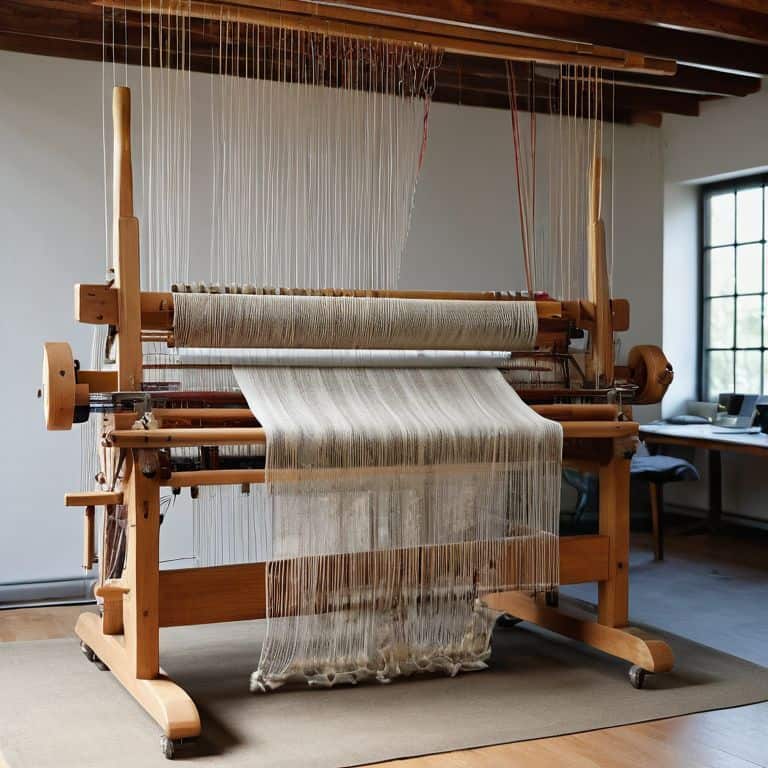
As I delve into the world of fiber, I’m reminded of the intricate details that set tapestry and cloth weaving apart. Tapestry weaving, for instance, often requires specialized looms designed to handle the complex patterns and dense threading that this ancient craft demands. In contrast, cloth weaving can be accomplished on a variety of looms, from simple frame looms to complex computer-controlled models.
When it comes to the materials used, the choice of yarn can greatly impact the final product. Wool, with its natural crimp and elasticity, is often preferred for tapestry weaving due to its ability to hold shape and create vibrant textures. Cotton, on the other hand, is commonly used for cloth weaving, particularly for garments and home textiles, where its breathability and softness are valued. Understanding the properties of these materials is essential for creating pieces that not only look stunning but also serve their intended purpose.
For those just starting out, weaving patterns for beginners can be a great way to dip their toes into the world of tapestry and cloth weaving. Simple patterns, such as stripes or chevrons, can help build confidence and develop the necessary skills to tackle more complex projects. As one progresses, they can explore more intricate designs, incorporating various techniques and materials to create truly unique pieces, such as wall hangings that add a touch of handmade elegance to any room.
Types of Looms for Tapestry Mastery
When it comes to tapestry weaving, the type of loom used can greatly impact the final result. I’ve found that rigid heddle looms offer a great balance between simplicity and versatility, allowing for a wide range of creative expression. These looms are perfect for beginners and experienced weavers alike, as they provide a solid foundation for building complex patterns and designs.
To take your tapestry weaving to the next level, consider investing in a floor loom. This type of loom offers unparalleled control over the weaving process, allowing for intricate patterns and textures to be created with ease. With a floor loom, you’ll be able to experiment with a wide range of yarns and techniques, pushing the boundaries of what’s possible in the world of tapestry weaving.
Wool vs Cotton the Fiber Difference
As I delve into the world of fibers, I’m reminded that the choice between wool and cotton can greatly impact the final piece. Texture plays a crucial role in this decision, as wool tends to produce a more rugged and earthy feel, while cotton yields a softer and more delicate touch.
When it comes to durability, density is key. Wool fibers are generally more dense, making them less prone to wear and tear, whereas cotton fibers are more susceptible to pilling and fraying over time. This distinction is essential to consider when selecting the perfect fiber for your tapestry or cloth weaving project.
Weaving Worlds Apart
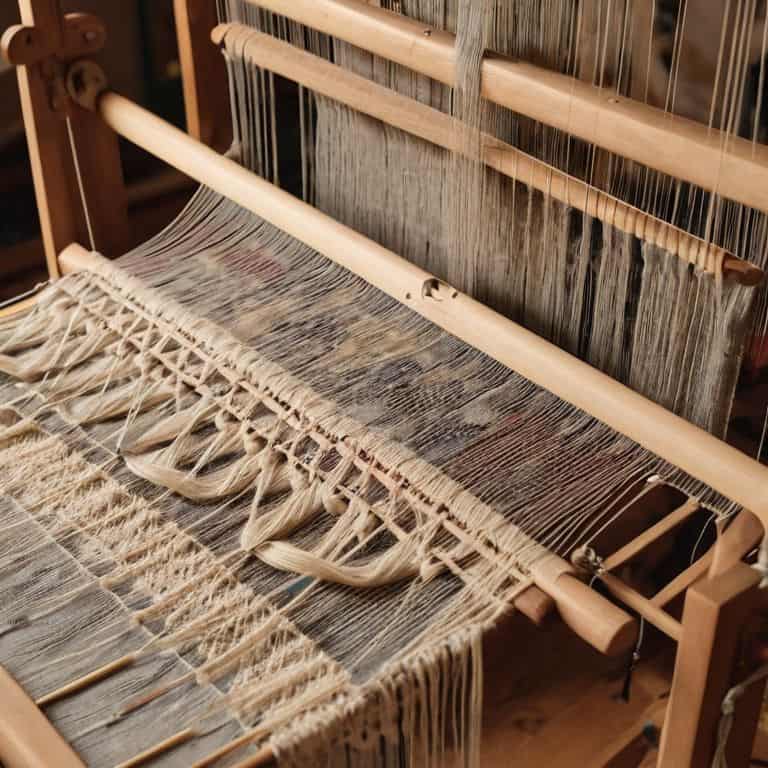
As I delve into the realm of tapestry and cloth weaving, I find myself drawn to the intricate patterns that emerge from the intersection of threads. The types of looms used for tapestry weaving play a significant role in creating these complex designs. I’ve had the opportunity to work with various looms, from simple frame looms to complex floor looms, and each one has its own unique character. The history of tapestry weaving is rich and fascinating, with ancient civilizations using this art form to tell stories and convey messages.
When it comes to choosing the right materials, the difference between wool and cotton is crucial. Wool, with its natural crimp and texture, lends itself beautifully to tapestry weaving, while cotton is often preferred for cloth weaving due to its softness and durability. I’ve experimented with both fibers, and each has its own advantages and disadvantages. For beginners, I recommend starting with simple weaving patterns and gradually moving on to more complex designs.
As I explore the world of weaving, I’m struck by the modern applications of this ancient craft. From wall hangings to functional textiles, the possibilities are endless. I’ve had the opportunity to create large-scale woven installations, and the process of bringing a design to life is truly exhilarating. Whether you’re a seasoned weaver or just starting out, I encourage you to experiment with different weaving techniques and push the boundaries of what’s possible with thread and yarn.
History Meets Modern Tapestry Applications
As I delve into the world of tapestry, I’m fascinated by how traditional techniques are being reimagined in modern contexts. From contemporary art installations to high-end interior design, the applications of tapestry are vast and varied. I’ve seen tapestries used as room dividers, wall hangings, and even as intricate details in furniture design.
In my own practice, I love experimenting with innovative materials, combining natural fibers like linen and raw silk with modern textiles to create unique, large-scale woven pieces. This blend of old and new allows me to push the boundaries of what’s possible with tapestry, creating works that are both rooted in history and distinctly contemporary.
Patterns for Beginners a New Start
As I sit at my loom, surrounded by threads of every color, I’m reminded that creating patterns is an art form in itself. For beginners, it’s essential to start with simple, repetitive designs that allow you to focus on technique and texture. I often recommend beginning with a basic over-under pattern, which provides a solid foundation for more complex designs.
When designing for beginners, I emphasize the importance of balance in a pattern. A well-balanced design can elevate a simple weave into a stunning piece of art. By playing with different thread weights, colors, and textures, you can create a unique and captivating pattern that showcases your skills as a weaver.
Weaving Wisdom: 5 Key Tips to Navigate the Difference Between Tapestry and Cloth Weaving
- Understand the fabric density: Tapestry weaving typically involves a more open weave, while cloth weaving is often denser, which affects the overall texture and durability of your piece
- Choose the right yarn for the job: Consider the fiber content, weight, and color of your yarn, as these factors will significantly impact the final appearance and feel of your tapestry or cloth
- Select the appropriate loom: Different types of looms are suited for tapestry and cloth weaving, so make sure you’re using the right tool for your project to achieve the desired tension and weave
- Experiment with pattern and design: Tapestry weaving often features intricate patterns and designs, while cloth weaving may involve more subtle textures and stripes, so don’t be afraid to try new things and push the boundaries of your creativity
- Consider the intended use: Will your woven piece be a functional item, like a blanket or garment, or a decorative wall hanging? This will help you decide between tapestry and cloth weaving and inform your design decisions
Key Takeaways: Weaving a New Understanding
I’ve come to realize that the choice between tapestry and cloth weaving depends on the texture and form you want to achieve, with tapestry allowing for more intricate designs and cloth weaving exceling at creating functional, everyday items
Understanding the differences in looms, fibers, and patterns can help you unlock new creative possibilities, whether you’re a seasoned weaver or just starting out on this fascinating journey
By embracing the ancient craft of weaving and merging it with modern design principles, you can create unique, large-scale art installations that not only showcase your skills but also tell a story of texture, color, and form
The Essence of Two Crafts
The difference between tapestry and cloth weaving lies not just in their techniques, but in the stories they tell: tapestry weaves a narrative of intricate design and intentional texture, while cloth weaving whispers tales of functionality and everyday beauty.
Ethan Thorne
Weaving a Deeper Understanding

As we’ve explored the difference between tapestry and cloth weaving, it’s become clear that each has its own unique characteristics and applications. From the types of looms used in tapestry mastery to the fiber differences between wool and cotton, every detail plays a role in shaping the final product. We’ve also seen how patterns for beginners can serve as a new starting point, and how history meets modernity in tapestry applications. By understanding these distinctions, we can appreciate the craftsmanship that goes into creating each type of woven piece, and make informed decisions about which techniques to use in our own projects.
As we conclude our journey through the world of tapestry and cloth weaving, I encourage you to embrace the creative possibilities that these ancient crafts have to offer. Whether you’re a seasoned artist or just starting out, the art of weaving can be a powerful medium for self-expression and innovation. Remember that every thread counts, and that the beauty of weaving lies not just in the end result, but in the process itself. So go ahead, get tangled up in the fascinating world of fiber, and see where your creativity takes you.
Frequently Asked Questions
What are the key differences in terms of texture and drape between tapestry and cloth weaving?
When it comes to texture and drape, tapestry weaving tends to be thicker and more rigid, while cloth weaving is often softer and more pliable. This is because tapestry weaving typically uses a more dense weave and thicker yarns, whereas cloth weaving employs a variety of techniques to create a wide range of textures and drapes.
Can I use the same loom for both tapestry and cloth weaving, or are there specific looms designed for each technique?
While some looms can be adapted for both tapestry and cloth weaving, I recommend using a dedicated tapestry loom for its unique requirements. However, a simple rigid heddle loom or a basic frame loom can work for both, with some adjustments.
How do I choose between wool and cotton fibers for my project, considering factors like durability, softness, and visual appeal?
When deciding between wool and cotton, I consider the project’s purpose and desired texture. Wool offers durability and a rich, earthy feel, while cotton provides softness and a more delicate appearance. For me, it’s about balancing form and function – what story do I want my woven piece to tell, and which fiber will help me convey that narrative?
