
As I sit at my loom, surrounded by spools of yarn and half-finished projects, I often think about the question what is warp and weft in weaving. It’s a topic that’s often shrouded in mystery, with many weaving enthusiasts making it seem like a complex, inaccessible concept. But I’m here to tell you that it’s not as complicated as it seems. In fact, understanding the basics of warp and weft is essential to creating beautiful, intricate woven pieces. I’ve seen many people get discouraged by the overly technical explanations and complicated patterns, but I believe that with a simple, straightforward approach, anyone can master the fundamentals of weaving.
My goal is to provide you with a clear, no-nonsense guide to understanding warp and weft. I’ll share my personal experiences, tips, and tricks for working with these two fundamental elements of weaving. By the end of this article, you’ll have a deep understanding of what is warp and weft in weaving and how to apply this knowledge to create your own unique woven pieces. I’ll cut through the jargon and technical terms, and provide you with a practical, hands-on approach to weaving that will inspire you to create something truly beautiful. Whether you’re a seasoned weaver or just starting out, I’m excited to share my passion for weaving with you and help you unlock the secrets of this ancient craft.
Table of Contents
Weavings Hidden Framework
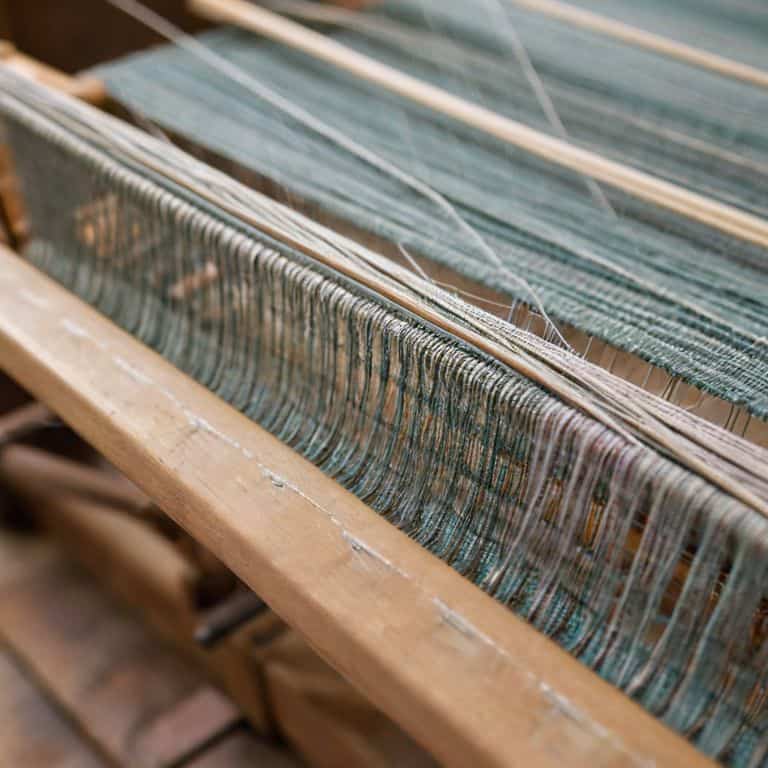
As I sit at my loom, I’m reminded that weaving patterns for beginners often start with understanding the fundamental relationship between warp and weft threads. The warp threads, which run lengthwise, provide the foundation for my design, while the weft threads, which run widthwise, weave in and out of the warp to create the fabric’s texture and pattern. This interplay is the backbone of weaving, and it’s what gives my pieces their unique character.
When I’m designing a new piece, I consider the difference between warp and weft threads and how they’ll interact to create the desired effect. The type of loom I use also plays a crucial role in this process, as different types of looms for weaving can produce distinct textures and patterns. For example, a simple frame loom is great for creating basic weaving patterns, while a more complex loom can produce intricate designs.
As I work, I think about the history of weaving and textile production and how it has influenced my craft. From ancient civilizations to modern-day artists, weavers have always sought to push the boundaries of what’s possible with thread and yarn. By understanding basic weaving techniques for fabric creation, I can create complex and beautiful pieces that showcase the art of weaving in all its glory.
Basic Weaving Techniques for Beginners
As I sit at my loom, I’m reminded that the foundation of weaving lies in the interplay of threads. For beginners, it’s essential to grasp the concept of plain weave, a simple yet versatile technique that involves alternating warp and weft threads. This basic technique allows weavers to create a wide range of fabrics, from delicate linens to sturdy cottons.
To start weaving, one must first understand the process of shedding, which involves lifting the warp threads to create a space for the weft thread to pass through. This fundamental action is the backbone of all weaving techniques, and mastering it is crucial for creating beautiful, intricate patterns and textures.
Understanding Warp and Weft Threads
As I sit at my loom, I’m constantly aware of the interplay between threads that will eventually form the fabric of my creation. The warp threads, which run lengthwise, provide the foundation for my design, while the weft threads, which run widthwise, weave in and out of the warp to create the intricate patterns and textures that bring my work to life.
The way these threads intersect and overlap is what gives my woven pieces their unique character, with the texture of the yarn playing a crucial role in determining the overall aesthetic of the finished piece.
What Is Warp and Weft in Weaving
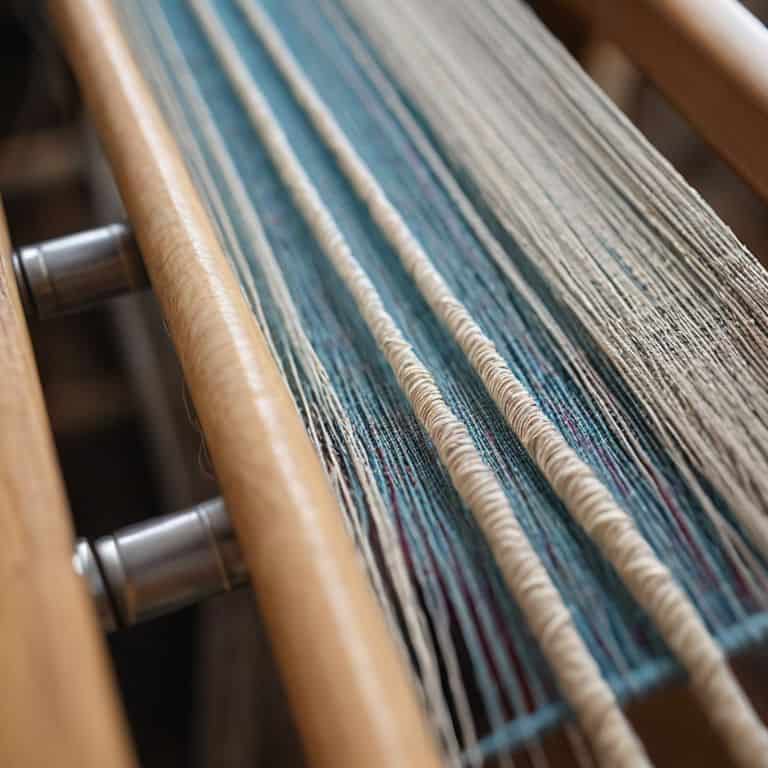
As I sit at my loom, I’m constantly reminded of the fundamental principles that govern the world of weaving. The difference between warp and weft threads is a crucial concept to grasp, especially for beginners. Weaving patterns for beginners often start with simple designs that highlight the interplay between these two elements. By understanding how warp and weft threads interact, weavers can create a wide range of textures and patterns that add depth and visual interest to their work.
The history of weaving and textile production is rich and varied, with different cultures developing their own unique techniques and tools. When it comes to types of looms for weaving, the choice of equipment can greatly impact the final product. As a weaver, I’ve had the opportunity to work with various looms, from simple frame looms to more complex floor looms. Each one has its own strengths and weaknesses, and understanding how to use them effectively is essential for creating high-quality woven pieces.
By mastering basic weaving techniques for fabric creation, weavers can unlock a world of creative possibilities. Understanding weaving notation is also essential, as it allows weavers to communicate their ideas and designs with precision and clarity. Whether you’re a seasoned pro or just starting out, the world of weaving has something to offer everyone. With patience, practice, and a willingness to learn, anyone can create beautiful, intricate patterns that showcase the beauty of warp and weft threads.
A Brief History of Looms and Textile Production
As I delve into the world of weaving, I often find myself fascinated by the evolution of loom technology. From ancient civilizations to modern times, the development of looms has played a crucial role in shaping the textile industry. The transition from simple frame looms to more complex machines has enabled mass production, making textiles more accessible to people around the globe.
The history of textile production is also marked by the introduction of new materials and techniques, which has led to a significant increase in textile diversity. This, in turn, has inspired weavers to experiment with innovative designs and patterns, pushing the boundaries of what is possible with fiber and thread.
Deciphering Weaving Notation and Patterns
As I delve into the world of weaving, I’m constantly fascinated by the complexity of patterns that can be created using simple threads. Weaving notation is a language that helps me communicate my design vision, and it’s essential to understand the basics of this notation to bring my ideas to life. By using a combination of numbers and symbols, I can represent the sequence of warp and weft threads, allowing me to replicate and refine my designs.
When working with weaving patterns, I often find myself lost in the rhythm of repeating sequences. The rhythmic flow of threads as they intersect and overlap is almost musical, and it’s this harmony that I strive to capture in my work. By deciphering these patterns, I can unlock new possibilities for texture and form, pushing the boundaries of what’s possible with woven art.
Unraveling the Essentials: 5 Key Tips to Mastering Warp and Weft
- Start with a solid foundation: Always begin by carefully planning and measuring your warp threads to ensure a stable and even base for your weave
- Choose the right yarn for the job: Selecting yarns with the right texture, weight, and color is crucial for creating a cohesive and visually striking piece
- Experiment with different weft patterns: Don’t be afraid to try out new and unconventional weft patterns to add depth, interest, and personality to your woven creations
- Pay attention to tension: Maintaining the right tension between your warp and weft threads is essential for creating a balanced and beautiful fabric
- Practice, practice, practice: Like any craft, weaving takes time and practice to master – don’t be discouraged by initial mistakes, and keep experimenting until you find your unique rhythm and style
Key Takeaways: Unlocking the Secrets of Warp and Weft
As I reflect on my journey from architecture to weaving, I realize that understanding the interplay between warp and weft threads is crucial for creating intricate textures and patterns in my woven art installations.
By mastering basic weaving techniques and deciphering notation and patterns, anyone can unlock the full potential of warp and weft to craft unique, visually stunning pieces that showcase the beauty of textile art.
Whether you’re a seasoned weaver or just starting out, embracing the ancient dance of warp and weft can help you build a strong foundation in weaving, allowing you to experiment with innovative designs and push the boundaries of this timeless craft.
The Essence of Weaving
Weaving is not just about intertwining threads, but about orchestrating a harmonious balance between the structural integrity of the warp and the expressive freedom of the weft, where every intersection tells a story of texture, form, and beauty.
Ethan Thorne
Weaving a Legacy: The Enduring Dance of Warp and Weft
As I reflect on the journey of understanding warp and weft, I’m reminded of the intricate beauty that arises from the intersection of ancient craft and modern design. From the basics of weaving techniques to the deciphering of notation and patterns, and through the brief history of looms and textile production, it’s clear that the skeleton of weaving is not just about threads, but about the artistic expression that brings them to life. Whether you’re a seasoned weaver or just starting out, grasping the fundamentals of warp and weft is essential to unlocking the full potential of your creativity.
As you embark on your own weaving journey, remember that the true magic lies not just in the technical skills, but in the emotional connection you make with each piece. Weaving is about building with yarn, creating textures, and playing with colors and forms. It’s an invitation to see the world in a different light, to appreciate the small details that make a big difference. So, let the dance of warp and weft inspire you to create something truly remarkable, a testament to the enduring power of art and craft to touch our lives and transform our spaces.
Frequently Asked Questions
How do I determine the optimal warp and weft thread counts for a specific weaving project?
To determine optimal warp and weft thread counts, I consider the fiber type, desired texture, and project scale. I sketch out my design on graph paper, thinking about the balance between warp and weft density, and then calculate the thread counts based on the specific yarn weights and my desired outcome.
What are some common mistakes to avoid when setting up the warp and weft on a loom?
When setting up the warp and weft on my loom, I’ve found that common mistakes to avoid include uneven tension, misaligned threads, and insufficient spacing. These errors can lead to a wonky weave or even damage the loom. To avoid them, I always double-check my measurements and thread placement before beginning a new project.
Can you explain how different materials and textures affect the interaction between warp and weft in a woven piece?
When I work with different materials and textures, I love how they alter the dialogue between warp and weft. For instance, smooth fibers like silk allow for a tighter weave, while chunky fibers like wool create a more relaxed, organic interaction. It’s fascinating to see how texture and materiality influence the visual tension and overall aesthetic of a piece.
