
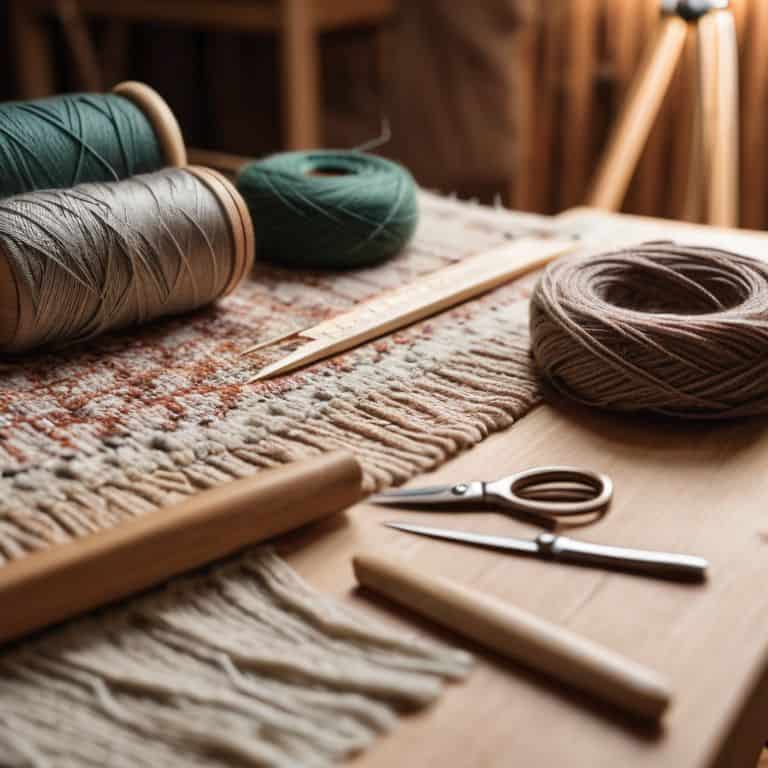
As I sit at my loom, surrounded by threads of every color and texture, I’m reminded of the journey that brought me here. When I first started weaving, I was overwhelmed by the numerous tools and techniques available. I wish I had known about the essential weaving tools for beginners that would have made my learning process smoother. The right tools can make all the difference in creating a beautiful piece of woven art, and I’ve learned that texture and form are just as important as color and pattern.
In this article, I’ll share with you the top 5 essential tools that every beginner should have in their weaving toolkit. You’ll learn how to choose the right loom, shuttle, and yarns to bring your unique vision to life. By the end of this list, you’ll be equipped with the knowledge to start building your own woven masterpieces, and you’ll understand how to balance simplicity with creativity. Whether you’re a crafter, artist, or simply someone who appreciates the beauty of handmade textiles, these essential weaving tools for beginners will provide a solid foundation for your creative journey.
Table of Contents
Laying the Groundwork
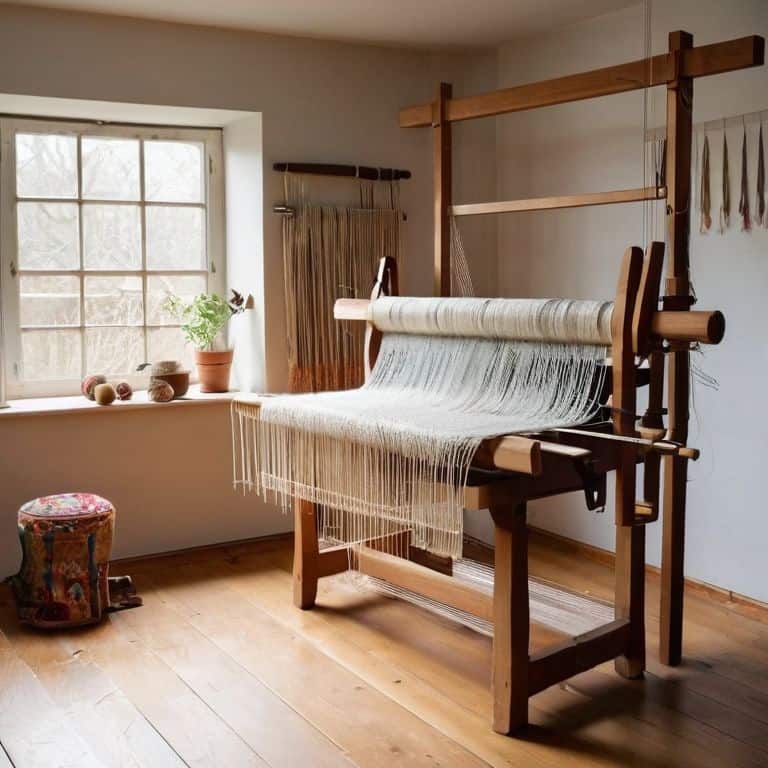
As I always say, building with yarn starts with the right foundation. For me, that means investing in a good loom. I remember when I first started weaving, I was tempted to buy a cheap, tabletop loom, but I’m so glad I didn’t. Instead, I opted for a floor loom, which has given me the flexibility and control I need to create large-scale, intricate pieces. When choosing a loom, consider the type of projects you want to work on and the amount of space you have available. A floor loom may seem intimidating, but trust me, it’s worth the investment.
The Shuttle: Your New Best Friend
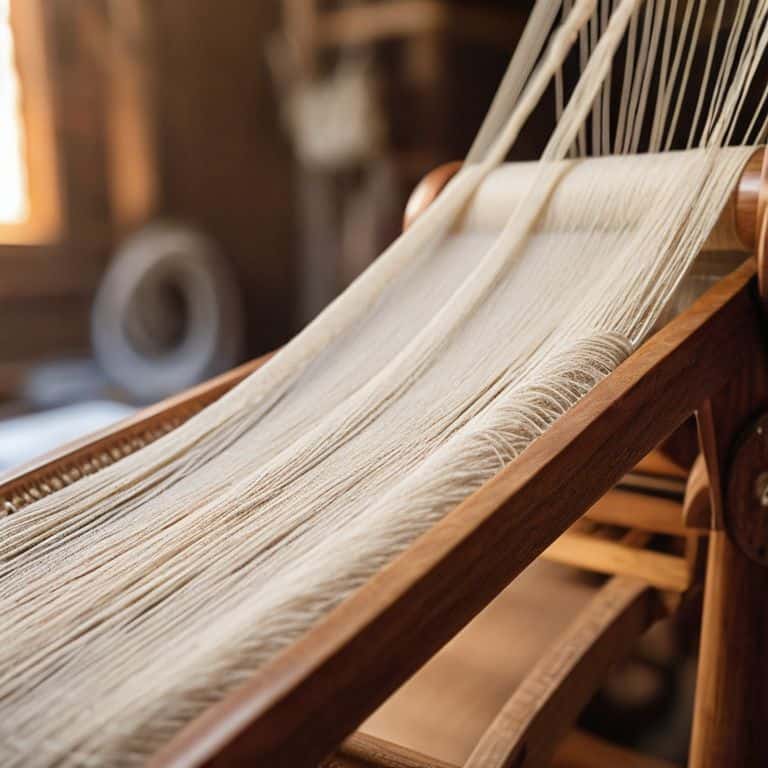
Once you have your loom, it’s time to think about the tools you’ll need to actually weave. For me, the shuttle is an extension of my own hand. I use it to pass the yarn back and forth through the warp threads, creating the fabric of my piece. When selecting a shuttle, look for one that feels comfortable in your hand and is made from a durable material. I prefer wooden shuttles, as they have a natural warmth and weight to them. With a good shuttle, you’ll be able to work efficiently and focus on the creative process.
Measuring Up
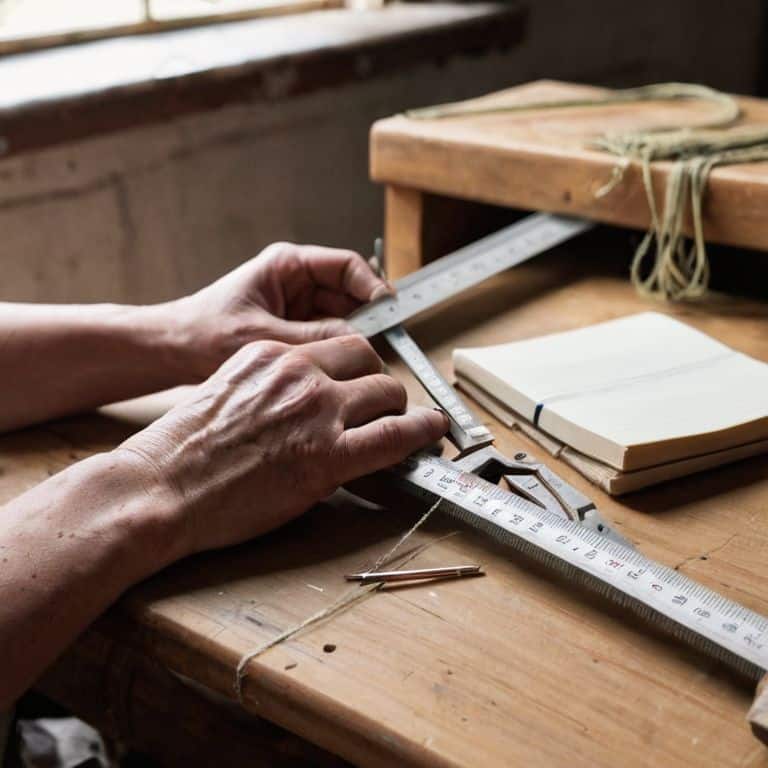
As an architect-turned-weaver, I can appreciate the importance of measurement and precision. That’s why I always recommend investing in a good measuring tape and a set of calipers. These tools will help you ensure that your warp threads are evenly spaced and that your tension is consistent. Don’t be afraid to get a little mathematical – it’s all part of the process. By taking the time to measure and calculate, you’ll be able to achieve a level of accuracy and control that will take your weaving to the next level.
Cutting Edge
When it comes to cutting your yarn, you’ll want to use sharp, dedicated scissors. I know it may seem like a small thing, but trust me, it makes a big difference. Dull scissors can cause your yarn to fray or become distorted, which can affect the overall texture and appearance of your piece. Look for scissors that are specifically designed for cutting yarn or fabric – they’ll have a sharp, curved blade that will make quick work of even the toughest fibers. And don’t forget to keep them clean and dry, as lint and debris can quickly build up and affect their performance.
The Right Yarn for the Job
Finally, no discussion of essential weaving tools would be complete without talking about yarn. As a weaver, your yarn is your medium, your material, and your mode of expression. With so many types of yarn available, it can be overwhelming to choose the right one for your project. My advice is to experiment and explore – try out different fibers, weights, and colors to see what works best for you. And don’t be afraid to mix and match – combining different yarns can create unique, intriguing textures and effects. By finding the right yarn for your project, you’ll be able to bring your vision to life and create something truly beautiful and meaningful.
Key Takeaways for Beginner Weavers
Understand that investing in quality tools, such as a sturdy loom and a well-crafted shuttle, is crucial for creating beautiful and durable woven pieces
Developing a keen sense of texture and form is essential for architectural weaving, and experimenting with different yarns and fibers can help you achieve unique visual effects
Remember that weaving is a process that requires patience, practice, and precision, and that mastering the basics will allow you to unlock your full creative potential and bring your textile designs to life
Weaving Wisdom
The right tools are not just a means to an end, but an extension of the weaver’s hand, allowing the raw beauty of the fibers to shine through and the architecture of the weave to unfold.
Ethan Thorne
Weaving a Strong Foundation
As we’ve explored the essential weaving tools for beginners, it’s clear that each one plays a vital role in the creative process. From the loom and shuttle to the yarn and scissors, every tool helps to bring your textile vision to life. I want to emphasize the importance of investing in quality tools, as they will make a significant difference in the overall quality of your weaving experience. By having the right tools at your disposal, you’ll be able to focus on the artistic expression and experimentation that makes weaving so rewarding.
As you embark on your weaving journey, remember that the true beauty of this craft lies in its ability to combine texture, color, and form in unique and captivating ways. Don’t be afraid to experiment and try new things, as this is where the magic happens. With patience, practice, and a willingness to learn, you’ll be well on your way to creating stunning woven pieces that reflect your personal style and artistic vision. Happy weaving, and I look forward to seeing the incredible things you’ll create!
Frequently Asked Questions
What is the best type of loom for a beginner to start with?
For a beginner, I recommend starting with a simple rigid heddle loom. It’s versatile, easy to use, and affordable, allowing you to experiment with different yarns and techniques without breaking the bank. I actually built my own rigid heddle loom as a woodworking project, and it’s still one of my favorites to this day.
How do I choose the right yarn for my first weaving project?
Choosing the right yarn is like selecting the perfect building material – it sets the tone for your entire project. I recommend starting with natural fibers like linen or raw silk, which offer a unique texture and visual interest. Consider the color, weight, and weave of the yarn to ensure it aligns with your design vision, and don’t be afraid to experiment with different combinations to find the perfect fit.
Are there any essential weaving tools that I can make or repurpose myself, rather than buying?
I love that spirit of resourcefulness. Yes, you can definitely repurpose or DIY some essential weaving tools. For instance, you can create a simple shuttle from a piece of wood or a cardboard tube, or even use a fork as a makeshift comb. Get creative and experiment – it’s all about building with what you have.
