
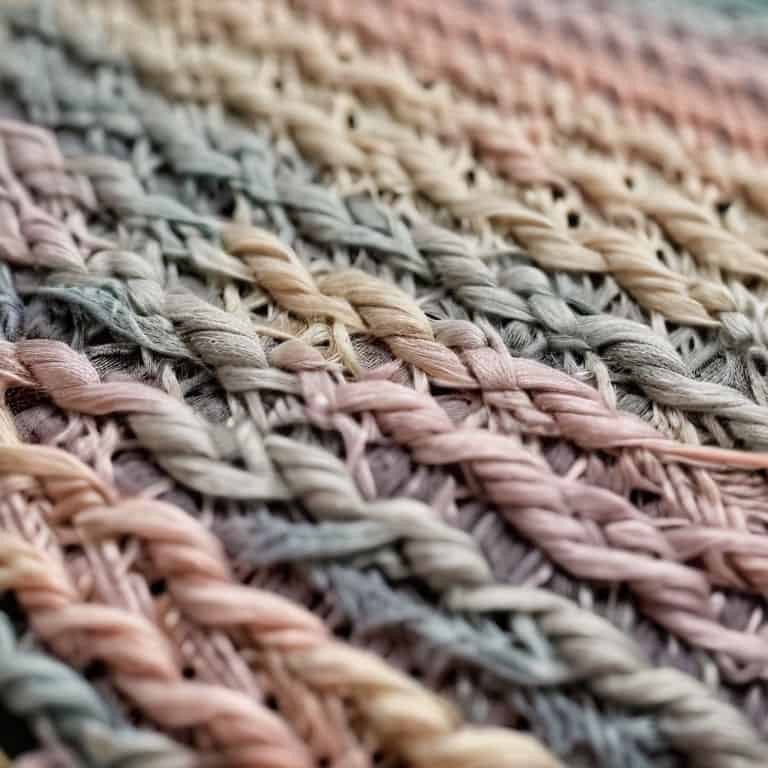
As I sit at my loom, surrounded by threads of every texture and hue, I’m reminded of a common myth that frustrates me: that balancing texture and pattern in weaving is a rigid formula, a set of strict rules that must be followed to achieve a visually appealing result. But the truth is, it’s an art form that thrives on experimentation and creativity. I’ve spent years perfecting my craft, and I’ve learned that the key to creating stunning woven pieces lies not in following a formula, but in understanding the intricate dance between texture, pattern, and color.
In this article, I’ll share my personal approach to balancing texture and pattern in weaving, gained from years of experience as a textile artist and weaver. I’ll walk you through the process of creating unique, captivating pieces that showcase the beauty of woven art. You’ll learn how to build texture and form using a variety of techniques, from simple to complex, and how to combine different patterns and colors to create a cohesive, stunning design. My goal is to empower you with the knowledge and confidence to create your own breathtaking woven masterpieces, and to show you that balancing texture and pattern in weaving is not just a technical skill, but a form of artistic expression.
Table of Contents
- Guide Overview: What You'll Need
- Step-by-Step Instructions
- Balancing Texture and Pattern in Weaving
- Harmonizing Threads: 5 Essential Tips for Balancing Texture and Pattern in Weaving
- Key Takeaways for Balancing Texture and Pattern
- The Harmony of Threads
- Weaving in Harmony: A Conclusion
- Frequently Asked Questions
Guide Overview: What You'll Need
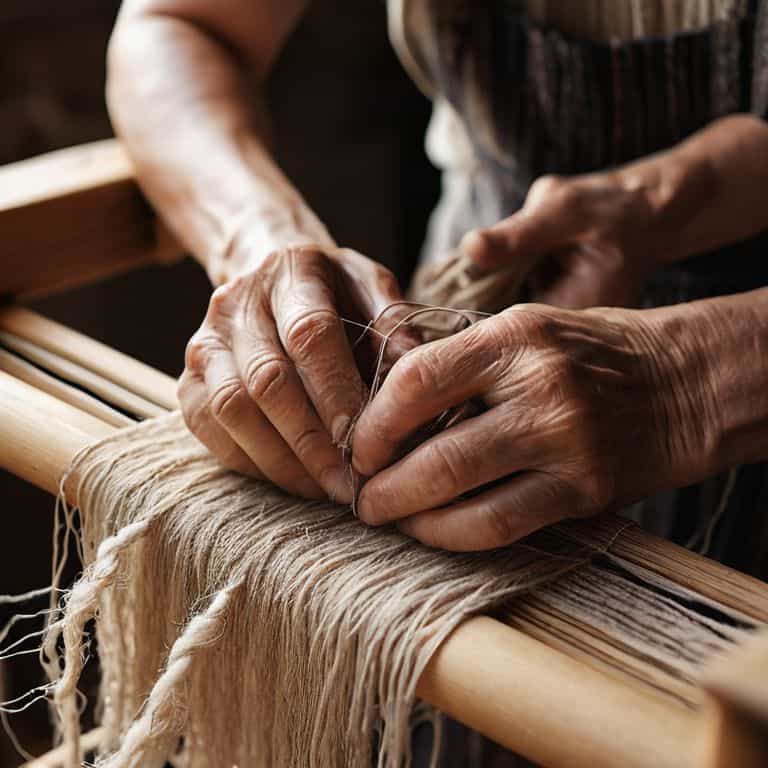
Total Time: 3 hours 15 minutes
Estimated Cost: $50 – $100
Difficulty Level: Intermediate
Tools Required
- Loom (any size, but a larger loom provides more flexibility)
- Shuttle (for passing weft yarn)
- Scissors (sharp, dedicated to cutting yarn)
- Measuring Tape (for measuring warp and weft spacing, in inches)
- Ruler (12 inches long, for straight edges and measuring small distances in inches)
Supplies & Materials
- Warp Yarn (choose a solid color or subtle texture to provide background)
- Weft Yarn (various textures and patterns, consider wool, cotton, or blends)
- Thread (for sewing in ends, match the color to your warp yarn)
- Yarn Needle (large eye for threading yarn, approximately 6 inches long)
Step-by-Step Instructions
- 1. To begin balancing texture and pattern in your weaving project, start by selecting a variety of yarns that offer different textures and visual interests. This could include anything from smooth, * Mercerized cotton * to more rustic, thick wool or even plant-based fibers like hemp or flax. The key is to create a palette that inspires you and offers a range of possibilities for combining textures and patterns.
- 2. Next, consider the scale of your pattern. If you’re working with a large, bold pattern, you may want to balance it with simpler, more subtle textures to avoid overwhelming the senses. Conversely, if your pattern is more understated, you can introduce more complex textures to add depth and visual interest. It’s all about finding that perfect harmony where each element complements the others.
- 3. Now, let’s talk about the art of mixing textures. This is where the magic happens, and your weaving starts to take on a life of its own. Experiment with combining smooth and rough, thick and thin, or matte and shiny yarns. Remember, the goal is to create a piece that’s not just visually appealing but also tactilely engaging. You want the viewer to be drawn in, to touch, to explore the different textures and experience the weaving in a multisensory way.
- 4. As you start to weave, pay attention to the rhythm of your pattern. Are you creating a sense of movement, of flow, or are you aiming for something more static and contemplative? The rhythm of your weaving can greatly impact the overall feel of the piece, so take your time, and don’t be afraid to experiment until you find the rhythm that feels right for your project.
- 5. One of the most critical steps in balancing texture and pattern is playing with negative space. Don’t be afraid to leave some areas of your weaving more open, allowing the viewer’s eye to rest. This negative space can provide a beautiful contrast to densely woven sections and add a sense of lightness and airiness to your work. It’s a delicate balance, but one that can elevate your weaving from merely beautiful to truly breathtaking.
- 6. As you work, keep in mind the importance of cohesion. While it’s wonderful to experiment with different textures and patterns, your piece should still feel like a unified whole. Consider the common thread that runs through your design – whether it’s a specific color palette, a texture, or a pattern – and use this to tie your various elements together. This will help create a sense of harmony and ensure that your weaving feels intentional and thoughtful.
- 7. Finally, don’t underestimate the power of editing. Once you’ve completed your weaving, take a step back and evaluate it with a critical eye. Are there areas where the texture and pattern feel overwhelming or out of balance? Don’t be afraid to make adjustments, to trim back or add to your weaving until it feels just right. Remember, the process of weaving is not just about creation, but also about refinement, and it’s often in the editing stage that a piece truly comes alive.
Balancing Texture and Pattern in Weaving
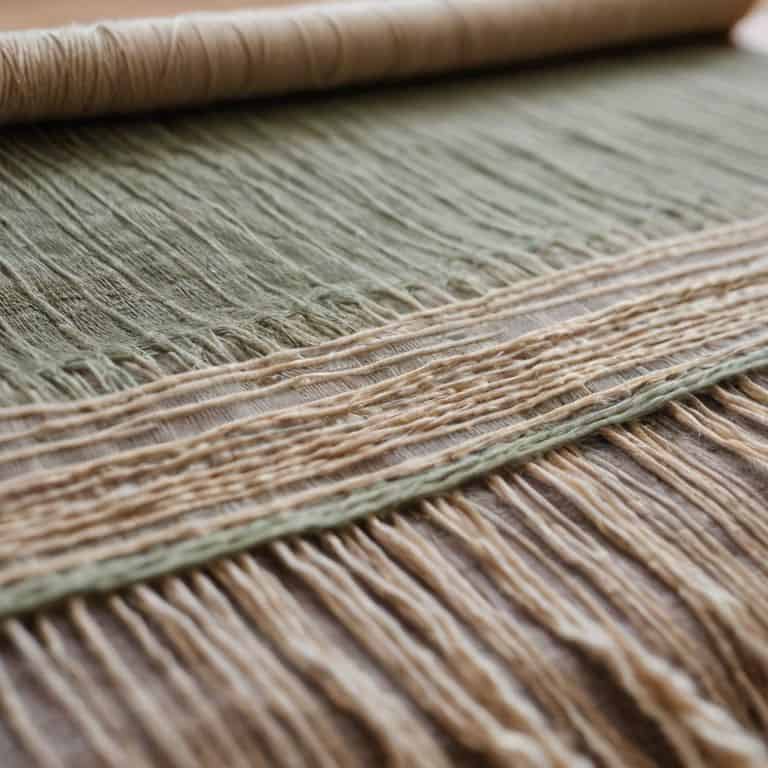
As I delve into the world of textile design, I find myself drawn to the art of mixing colors in weaving. It’s a delicate dance between hues, textures, and patterns. To create a visually stunning piece, one must consider the interplay between weft and warp. This fundamental principle of weaving for beginners is crucial in establishing a solid foundation for any design. By carefully selecting the colors and textures of both the weft and warp threads, you can set the stage for a beautiful, intricate pattern.
When it comes to creating visual interest in fabric, I always look to nature for inspiration. The way light filters through a leafy canopy or the gentle rustle of a silk scarf can be a powerful catalyst for creativity. In hand weaving techniques, the key to capturing this essence lies in the subtle nuances of texture and pattern. By combining smooth, lustrous yarns with more rustic, earthy ones, you can add depth and dimension to your weave.
As I work on a new piece, I often find myself experimenting with different textile design principles. The process is almost meditative, as I carefully weigh the merits of each thread and fiber. By embracing the unknown and allowing myself to take risks, I’ve discovered that even the most unexpected combinations can yield truly breathtaking results. Whether you’re a seasoned weaver or just starting out with weaving for beginners, I encourage you to do the same – push the boundaries of what’s possible, and watch your creations come alive.
Mixing Colors for Visual Interest
When I’m designing a new piece, I love experimenting with color combinations to add depth and visual interest. For me, it’s all about creating a harmonious balance between hues that complement each other. I often start by selecting a core color palette and then introduce contrasting threads to add a pop of color and texture. This technique allows me to build a narrative within the weave, drawing the viewer’s eye through the piece.
By carefully mixing colors, I can evoke emotions and moods, from the warmth of earthy tones to the coolness of blues and greens. The key is to trust your instincts and have fun with the process, remembering that every thread is an opportunity to tell a story and add visual interest to your woven art.
Weaving Worlds Ancient Meets Modern
As I sit at my loom, surrounded by spools of linen and raw silk, I’m reminded of the ancient craft that has inspired me to merge modern design with timeless techniques. The intersection of old and new is where the magic happens, and I believe that’s what sets weaving apart as a form of artistic expression. By combining traditional methods with contemporary materials and ideas, we can create pieces that not only tell a story but also transcend time.
In my own work, I’ve found that this blend of ancient and modern allows me to push the boundaries of what’s possible with fiber. I experiment with natural dyes, unusual materials, and innovative textures to craft unique, large-scale installations that invite viewers to touch, to feel, and to experience the beauty of weaving firsthand.
Harmonizing Threads: 5 Essential Tips for Balancing Texture and Pattern in Weaving
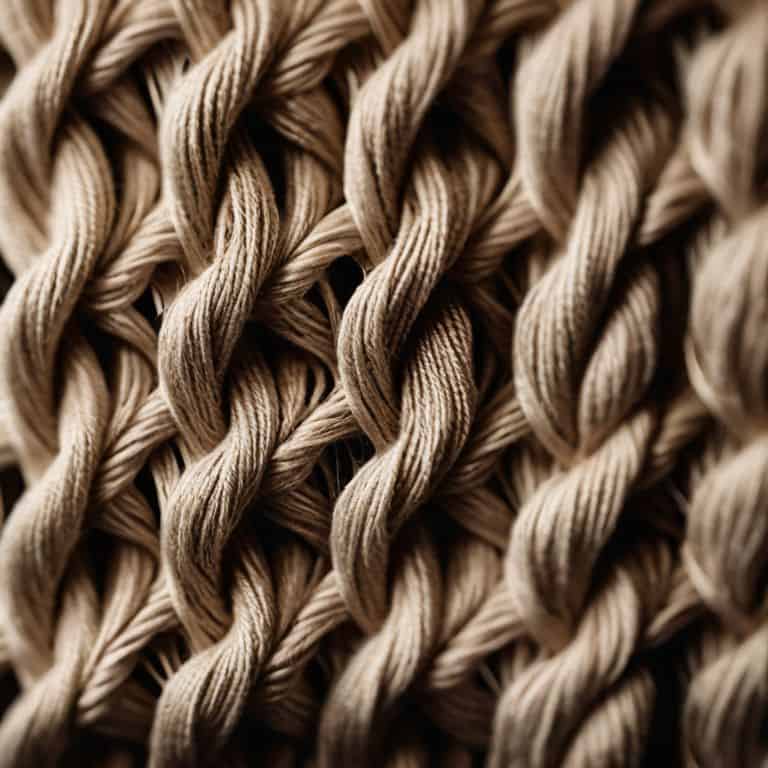
- Start with a neutral base: Begin your weaving project with a simple, neutral-colored warp to provide a clean canvas for experimenting with texture and pattern
- Play with contrasting textures: Combine smooth yarns with chunky or bouclé textures to add depth and visual interest to your woven piece
- Limit your palette: Restrict your color palette to 3-5 complementary hues to prevent visual overload and allow your textures and patterns to shine
- Experiment with pattern density: Balance busy patterns with solid-colored sections or subtle textures to create a sense of harmony and balance in your weaving
- Step back and observe: Regularly take a step back from your loom to assess your work, making adjustments as needed to ensure your textures and patterns are working in harmony
Key Takeaways for Balancing Texture and Pattern
Weaving is not just about combining threads, but about building a narrative through texture, pattern, and color, where every element contributes to the overall aesthetic and emotional impact of the piece
By embracing the intersection of ancient craft and modern design, we can unlock new dimensions in weaving, creating pieces that are both timeless and contemporary, with texture playing a pivotal role in defining the character of the work
Ultimately, the art of weaving lies in its ability to balance the tactile quality of natural fibers with the visual harmony of patterns and colors, requiring patience, experimentation, and a deep understanding of how different elements interact to create a cohesive and beautiful whole
The Harmony of Threads
As I weave, I’m reminded that balance is not about symmetry, but about tension – the delicate dance between texture and pattern, where each thread tells a story and every stitch sings in harmony.
Ethan Thorne
Weaving in Harmony: A Conclusion
As we’ve explored the world of balancing texture and pattern in weaving, it’s become clear that this ancient craft is not just about creating something beautiful, but also about telling a story. We’ve delved into the importance of texture and how it can elevate a piece from simple to extraordinary. By mixing colors, experimenting with different yarns, and understanding the interplay between visual interest and restraint, we can create woven art that is not only visually stunning but also deeply personal. Whether you’re a seasoned weaver or just starting out, the key is to embrace the process and let your creativity guide you.
As you continue on your weaving journey, remember that the true magic happens when you allow yourself to experiment and take risks. Don’t be afraid to try new things, to push the boundaries of what you thought was possible with fiber and thread. Weaving is a form of artistic expression, and like any art form, it’s a journey, not a destination. So, go ahead, pick up your loom, and start building your next masterpiece, one thread at a time, and watch as your creations come alive with texture, color, and beauty.
Frequently Asked Questions
How can I effectively combine smooth and rough textures in a single weaving project without creating visual discord?
To combine smooth and rough textures, I like to think of it as layering contrasting elements in architecture. Try pairing smooth yarns with rough, organic fibers like linen or raw silk, and balance them through intentional placement, allowing each texture to enhance the other, creating a harmonious visual dialogue.
What role does the scale of patterns play in balancing texture and pattern, and how can I use it to create a cohesive design?
When working with patterns, scale is crucial. I like to think of it as the rhythm of my weave. By balancing large and small patterns, you can create visual interest and harmony. Experiment with scaling up or down to find the perfect balance, and don’t be afraid to let one pattern dominate while others provide subtle support.
Are there any specific rules of thumb for introducing new textures or patterns into an existing weaving project to maintain balance and harmony?
When introducing new textures or patterns, I follow a simple principle: start with a unifying thread, literally. Choose a common yarn or color that ties the new element to the existing weave, then experiment with subtle variations to maintain harmony and balance.
