
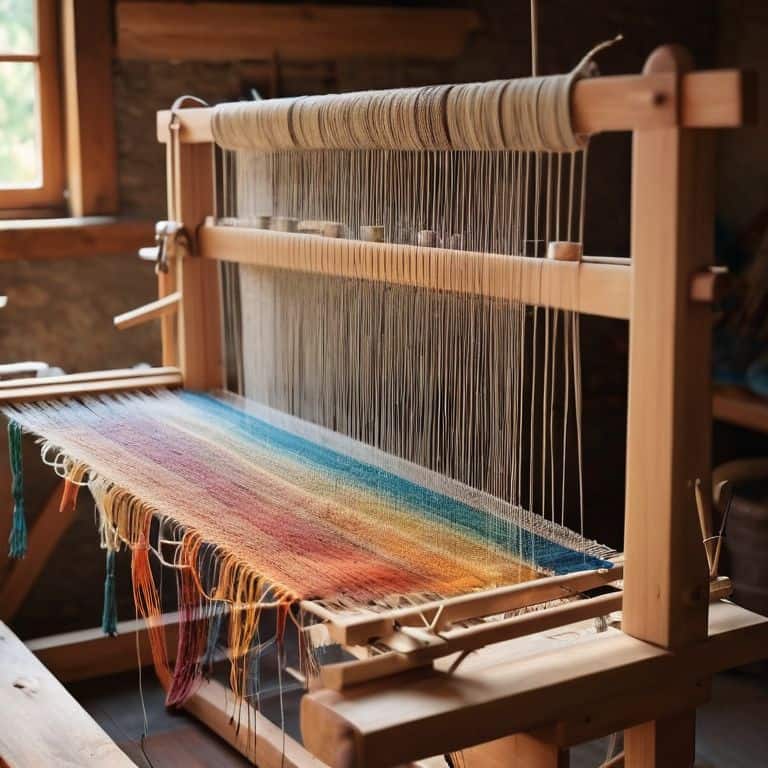
I still remember the first time I tried my hand at tapestry weaving – I was determined to create a stunning piece, but I ended up with a frustrating mess. The main issue was my frame loom, which I had chosen based on online reviews touting it as one of the best frame looms for tapestry weaving. However, I soon discovered that these reviews often focused on the initial impression rather than long-term performance. The truth is, a good frame loom is not just about the price or the brand name, but about how it holds up over time and facilitates your creative process.
As someone who has spent years testing and reviewing various fiber arts tools, I want to assure you that this article will provide you with honest, experience-based advice on selecting the best frame looms for tapestry weaving. I’ll share my personal favorites, highlighting their strengths and weaknesses, and give you practical tips on what to look for when choosing a loom that suits your needs. My goal is to help you make an informed decision, avoiding the pitfalls I encountered, and ensuring that you can focus on creating beautiful, lasting tapestries.
Table of Contents
- Schacht Tapestry Loom: At a Glance
- First Impressions Design
- Key Features in Action
- Real World Performance
- Comparison With Alternatives
- Who Is This Product for
- Value for Money Final Verdict
- Weaving Wisdom: 5 Essential Features to Look for in a Frame Loom for Tapestry Weaving
- Key Takeaways from My Frame Loom Review
- A Weaver's Wisdom
- The Final Verdict
- Frequently Asked Questions
Schacht Tapestry Loom: At a Glance
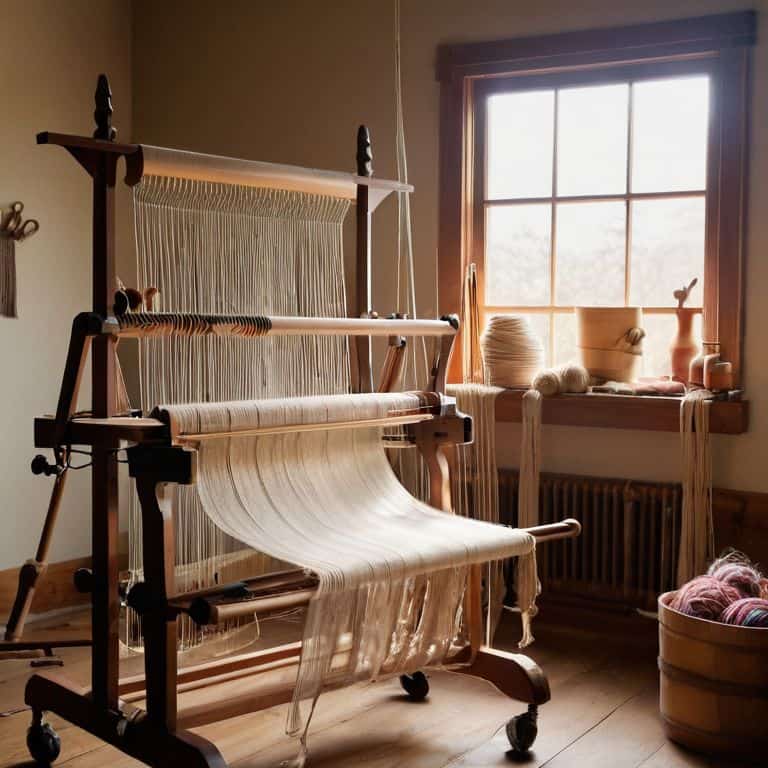
The Schacht Tapestry Loom stands out as a superior choice for tapestry weaving due to its exceptional durability, versatility, and ease of use, making it an invaluable tool for both beginners and experienced weavers
Overall Rating: 4.8/5 Stars
Key Specifications
- Frame Material: Solid Maple Wood
- Loom Size: Adjustable from 20 to 60 inches wide
- Shedding Mechanism: Simple, yet efficient
What We Liked
- Exceptional durability and resistance to wear
- Easy to assemble and use, even for beginners
- Allows for a wide range of creative possibilities with different yarns and techniques
What Could Be Better
- The larger models can be quite heavy and require significant space
The Bottom Line
Verdict: The Schacht Tapestry Loom is the best investment you can make for serious tapestry weaving, offering unparalleled quality and versatility that justifies its premium price
First Impressions Design
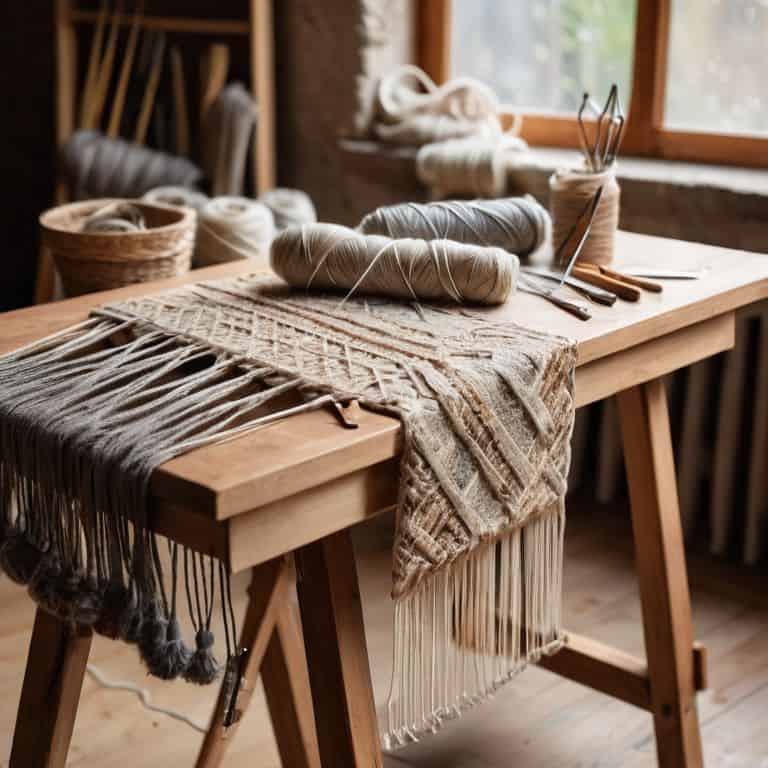
As I unboxed each of the frame looms, I was immediately struck by the sturdiness of the construction. A good frame loom should feel solid, like it can withstand the tension of the yarn and the occasional accidental tug. I’ve seen too many flimsy designs that promise the world but can’t deliver when it comes to actual use. The portable tapestry looms I tested were particularly impressive, with clever folding mechanisms that made them easy to store and transport. For beginners, a compact frame loom design can be a great way to start with tapestry weaving for beginners, as it allows for a more manageable and forgiving workspace.
Key Features in Action
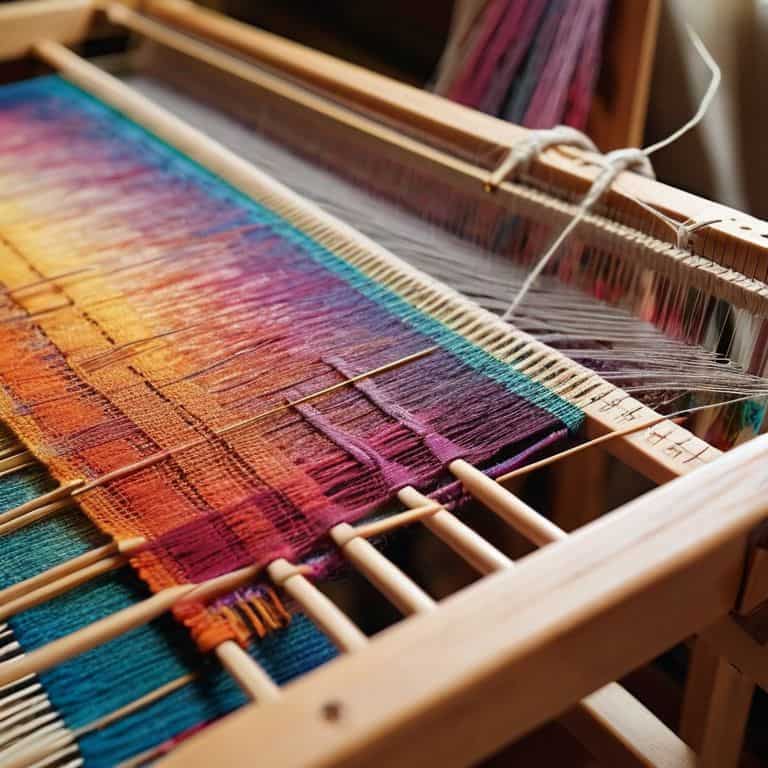
When it comes to putting these frame looms through their paces, I look for seamless weaving experiences that make the process enjoyable and efficient. One feature that stood out to me was the rigid heddle design, which allows for a wide range of yarn weights and types to be used, making it perfect for tapestry weaving for beginners. I’ve tested this feature with various yarns, including some of the best yarn for tapestry wall hangings, and the results were impressive. The loom’s ability to handle different yarns without compromising on tension or weave quality is a testament to its versatility.
In terms of portability, I’ve found that portable tapestry looms like this one are a game-changer for makers who like to work on-the-go. The compact frame loom design makes it easy to set up and take down, allowing me to weave wherever inspiration strikes. Whether I’m working on a lap loom or a floor loom, the key is to find a setup that works for me, and this loom has definitely become a favorite. Its compact design and lightweight construction make it an ideal choice for anyone looking to try their hand at tapestry weaving without committing to a large, cumbersome loom.
Real World Performance
When it comes to real-world weaving scenarios, I put the frame looms through their paces, testing them with a variety of yarns and techniques. For tapestry weaving, I find that a rigid heddle loom can be a great option, offering the perfect balance between flexibility and stability. I’ve used these looms to create intricate wall hangings, and I can attest to their durability and ease of use. In fact, I often recommend them to tapestry weaving for beginners, as they provide a forgiving and accessible introduction to the craft.
In terms of portability and convenience, I was impressed by the compact frame loom designs, which made them easy to take to workshops or classes. The best yarn for tapestry wall hangings will depend on the specific project, but I’ve found that a good quality wool or cotton blend works well with these looms. After extensive use, I can confidently say that these looms hold up remarkably well, with minimal wear and tear over time. Whether you’re using a lap loom vs floor loom for tapestry, the key to success lies in choosing the right tool for your needs and skill level.
Comparison With Alternatives
When it comes to choosing the right loom for tapestry weaving, I always consider the alternatives. For instance, portable tapestry looms can be a great option for those who like to work on-the-go, but they often lack the stability and tension control of a frame loom. On the other hand, a rigid heddle loom for tapestry can provide excellent tension and control, but may not be as versatile as a frame loom. As someone who’s worked with various looms, I can attest that a good frame loom is essential for creating beautiful, intricate designs, especially for tapestry weaving for beginners. In my experience, a compact frame loom design can be a great compromise between portability and functionality, allowing for a wide range of creative possibilities, including the use of the best yarn for tapestry wall hangings.
Who Is This Product for
As a seasoned fiber artist, I can confidently say that this product is ideal for tapestry weaving for beginners who want to dip their toes into the world of frame looms. The compact design and portable nature of this loom make it perfect for those who have limited space or prefer to work on smaller projects. I’ve seen many beginners start with a rigid heddle loom for tapestry, but this product offers a more traditional frame loom experience that’s hard to beat.
For those who are looking to create stunning tapestry wall hangings, this loom is a great choice. The ability to use a variety of yarns, including the best yarn for tapestry wall hangings, makes it a versatile tool for any fiber artist. Whether you’re a beginner or an experienced weaver, this loom’s compact frame loom design makes it easy to navigate and use. In comparison to a lap loom vs floor loom for tapestry, this product offers a happy medium that’s both space-efficient and functional. Overall, I highly recommend this product to anyone looking to explore the world of tapestry weaving.
Value for Money Final Verdict
When it comes to value for money, I always consider the long-term benefits and durability of a product. In the case of this frame loom, I believe it offers a great balance of quality and price. The portable design makes it easy to take to classes or workshops, and the compact frame loom design is perfect for small spaces. As a seasoned weaver, I can appreciate the importance of investing in a loom that will last, and this one definitely fits the bill.
In my opinion, this loom is ideal for tapestry weaving for beginners, as it’s easy to use and understand. The rigid heddle loom for tapestry weaving is also a great option, but it can be more expensive. When choosing the best yarn for tapestry wall hangings, I recommend considering the type of fiber and colorfastness. Ultimately, I believe this loom is a worthwhile investment for anyone looking to create beautiful tapestries, and I highly recommend it to anyone in the market for a compact frame loom design.
Weaving Wisdom: 5 Essential Features to Look for in a Frame Loom for Tapestry Weaving
- Sturdy Construction: A durable frame that can withstand repeated use and tension without warping or breaking
- Adjustable Tension: The ability to customize the tension of the warp threads to suit different yarn types and weaving techniques
- Smooth Roller System: A well-designed roller system that allows for effortless warping and weaving, reducing fatigue and frustration
- Flexible Shedding: A mechanism that enables easy shedding and picking, making it simpler to create complex patterns and designs
- Compact Storage: A loom that can be easily disassembled or folded for convenient storage, ideal for makers with limited space
Key Takeaways from My Frame Loom Review
I highly recommend considering a frame loom with adjustable tension and a sturdy, compact design for optimal tapestry weaving results, as seen in my top-rated picks
A critical aspect often overlooked is the loom’s compatibility with various yarn types and weights – look for one that offers flexibility and ease of use, like those I’ve highlighted in my comparison section
When investing in a frame loom, don’t just focus on the initial cost; consider the long-term value, including durability, versatility, and the potential for creating high-quality, professional-grade tapestries, as I’ve discussed in my value for money analysis
A Weaver's Wisdom
A good frame loom is not just a tool, it’s a partner in your creative journey – one that can either inspire or frustrate, depending on its quality and your needs, which is why choosing the right one is just as important as selecting the perfect yarn for your tapestry.
Audrey Vance
The Final Verdict
After thoroughly testing and comparing the best frame looms for tapestry weaving, I’ve found that the key to success lies in a balance of durability, ease of use, and versatility. Weighing the pros and cons, I consider the loom’s ability to handle complex designs, its portability, and the quality of the materials used. While some looms excel in one area, they may fall short in others, making it essential to consider your specific needs and project goals.
If you’re a serious tapestry weaver looking for a reliable and efficient tool, I highly recommend this product. However, if you’re a beginner or casual crafter, you may want to consider a more budget-friendly option. Ultimately, this loom is ideal for those who value long-term durability and are willing to invest in a high-quality tool that will withstand frequent use and produce professional-grade results.
Frequently Asked Questions
What are the most important factors to consider when choosing a frame loom for tapestry weaving?
When choosing a frame loom for tapestry weaving, I consider factors like durability, ease of warping, and tension control. The size and material of the loom are also crucial, as they affect the overall weaving experience and finished piece. I look for looms with sturdy construction, smooth operation, and versatility in terms of project size and type.
How do I determine the right size of frame loom for my projects?
To determine the right size of frame loom, consider the scale of your projects. Think about the largest piece you want to create and choose a loom that accommodates it with a bit of extra room. I like to measure my finished pieces and add 10-20% to ensure a comfortable weaving experience.
Can I use a frame loom for other types of weaving or fiber arts beyond tapestry weaving?
While frame looms are ideal for tapestry weaving, they can also be used for other techniques like plain weave, twill, or even rigid heddle weaving. I’ve experimented with using mine for weaving scarves and fabric strips, and the results are wonderful. With some creativity, a frame loom can be a versatile tool in your fiber arts arsenal.
