
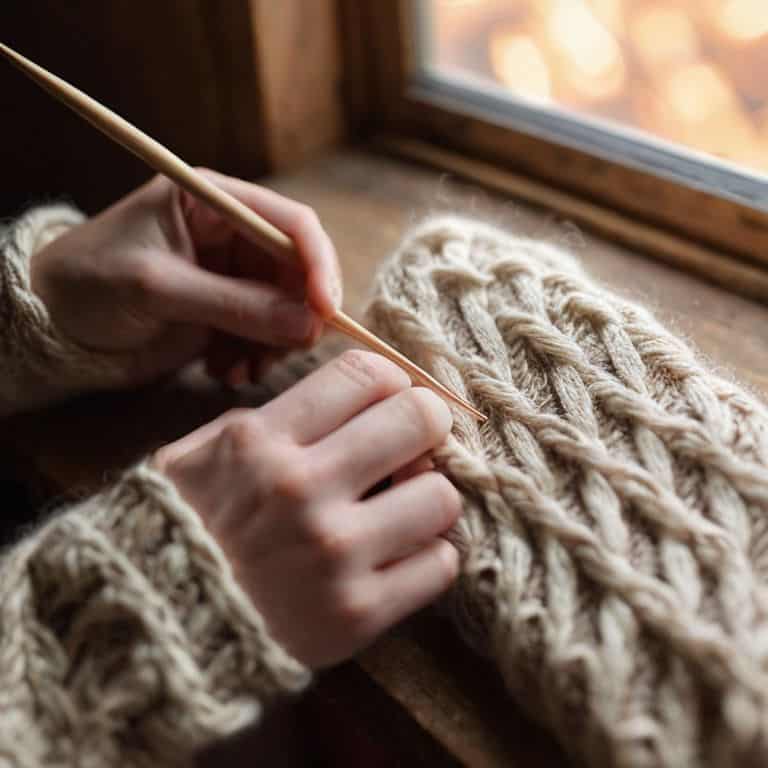
I still remember the first time I tried to use a cable needle in my knitting project – it was a bit of a disaster, to be honest. I had heard that it was a complicated and frustrating process, but I was determined to master it. As I sat in my cozy little cottage, surrounded by balls of yarn and half-finished scarves, I realized that the key to how to use a cable needle wasn’t about following a set of rigid rules, but rather about understanding the gentle art of manipulating the stitches. It’s a common myth that using a cable needle is only for experienced knitters, but I’m here to tell you that with a little patience and practice, anyone can learn to use a cable needle like a pro.
As you read through this article, I promise to guide you through the process of how to use a cable needle with clarity and simplicity. You’ll learn the basics of cable needle techniques, from holding the needle to working the stitches, and I’ll share some of my favorite tips and tricks for making the process smoother and more enjoyable. My goal is to help you feel confident and comfortable using a cable needle, so you can focus on creating beautiful, intricate patterns that bring you joy. Whether you’re a beginner or an experienced knitter, I invite you to join me on this journey of discovery, and together, let’s unlock the secrets of how to use a cable needle.
Table of Contents
Guide Overview: What You'll Need
Total Time: 30 minutes to 1 hour
Estimated Cost: $5 – $10
Difficulty Level: Easy
Tools Required
- Cable Needle (also known as a cable stitch holder)
- Knitting Needles (size dependent on project)
- Scissors
Supplies & Materials
- Yarn (dependent on project)
- Measuring Tape (for measuring work in inches)
- Stitch Markers (optional)
Step-by-Step Instructions
- 1. First, let’s start by understanding what a cable needle is and why it’s a valuable tool in our knitting journey. A cable needle is a small, usually double-pointed needle that allows us to hold stitches temporarily while we work on other parts of our project, enabling us to create those beautiful, twisted cable patterns that add such visual interest to our work.
- 2. To begin using a cable needle, you’ll need to have your knitting project set up and be ready to start working on the cable section. This means you should have your yarn, knitting needles, and the cable needle itself at the ready. It’s also a good idea to have a copy of your pattern or instructions nearby for reference, as cable work can be a bit tricky at first. Remember, the key to successful cable knitting is to take your time and work methodically.
- 3. Next, you’ll need to identify the stitches that will be worked into the cable pattern. This is usually indicated in your pattern, but if you’re working without one, you can choose any set of stitches you like, depending on the design you’re aiming for. Once you’ve identified these stitches, you’ll slip them onto the cable needle, holding it in your non-dominant hand. Make sure the stitches are not too tight or too loose on the cable needle, as this can affect the tension of your finished piece and lead to an uneven fabric.
- 4. With your stitches safely on the cable needle, you can now begin to work the cable pattern. This typically involves knitting or purling a set of stitches, then working the stitches off the cable needle in a specific order. It’s crucial to follow your pattern carefully here, as the order in which you work the stitches will determine the final appearance of your cable. Don’t worry if it seems a bit confusing at first; with practice, working with a cable needle will become second nature.
- 5. As you work the stitches off the cable needle, be sure to keep the tension even. It can be tempting to pull the yarn too tightly, especially if you’re new to cable knitting, but this can lead to a stiff, unyielding fabric that lacks the softness and drape we often look for in knitted garments. Instead, aim for a smooth, flowing motion, allowing the yarn to move freely as you knit. This will help you achieve a beautiful, soft texture that’s perfect for snuggling up in.
- 6. One of the most important things to remember when working with a cable needle is to keep track of your rows and stitches carefully. It’s easy to get lost in the pattern, especially if you’re working on a complex design, so consider using a row counter or making a note of where you are in the pattern as you go. This will save you a lot of frustration in the long run and ensure that your finished project looks its best. Remember, patience is key when it comes to successful cable knitting.
- 7. Finally, as you complete your cable section and prepare to move on to the next part of your project, take a moment to admire your handiwork. Cable knitting can be challenging, but the results are well worth the effort. The twisted, rope-like textures you’ve created will add a beautiful, unique touch to your project, and the sense of accomplishment you’ll feel from mastering this technique is incredibly rewarding. So, take your time, enjoy the process, and don’t be afraid to experiment with different cable patterns and yarns to create truly one-of-a-kind pieces.
Unlocking Cable Knitting
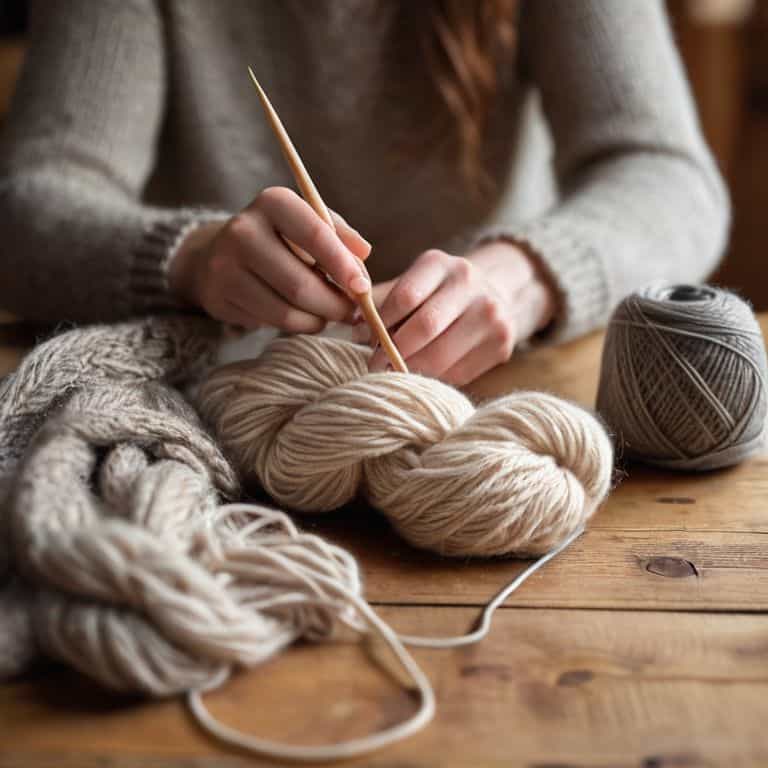
As we delve deeper into the world of cable knitting, it’s essential to explore the various cable knitting patterns for beginners that can help you build confidence and skills. From simple scarves to intricate sweaters, these patterns often feature beautiful, textured stitches that add depth and visual interest to your projects. When working with cables, I like to think of it as a form of meditative knitting, where the rhythmic flow of stitches helps to calm the mind and soothe the soul.
One of the most common mistakes in cable knitting is not using the right type of cable needle. There are several types of cable needles available, each with its own unique features and benefits. Some are designed for specific types of yarn or stitch patterns, while others are more versatile and can be used for a wide range of projects. By choosing the right cable needle for your project, you can ensure that your stitches are even, consistent, and look their best.
To take your cable knitting to the next level, try experimenting with different knitting cable stitches without a cable needle. This technique can be a bit more challenging, but it allows for greater flexibility and creativity in your stitch patterns. With practice and patience, you can master the art of cable knitting and create beautiful, unique projects that showcase your skills and style. By following these cable knitting tips and tricks, you’ll be well on your way to becoming a confident and accomplished cable knitter.
Cable Knitting Patterns for Beginners
As we explore the world of cable knitting, it’s essential to start with patterns that are both beautiful and accessible. For beginners, I recommend starting with simple scarves or hats that feature subtle cable details. These projects allow you to get a feel for working with cable needles without feeling overwhelmed. Look for patterns that use basic cables, such as the humble 2×2 rib or the classic honeycomb stitch. These will help you build confidence and develop the muscle memory you need to tackle more complex designs.
Some of my favorite beginner-friendly patterns include the Whispering Woods scarf and the Cozy Cabin hat. Both of these designs feature gentle, repetitive cables that are perfect for practicing your skills. With these patterns, you’ll be able to see the texture and visual interest that cables bring to a project, and you’ll be hooked from the very first row.
Weaving Magic With Cable Needles
As we delve deeper into the world of cable knitting, the possibilities become endless. With a cable needle, we can create intricate patterns that dance across our fabric, adding texture and visual interest to our projects. I love how cables can evoke a sense of movement and energy, as if the stitches are swirling and twisting together in a joyful rhythm. Whether we’re making a cozy sweater or a delicate lace shawl, cables have the power to elevate our knitting to new heights.
By experimenting with different cable patterns and techniques, we can unlock a world of creative expression. I encourage you to play with various cable combinations, seeing how they interact and influence one another. Remember, the key to mastering cables is to take your time and trust the process – with patience and practice, you’ll be weaving magic with your cable needle in no time.
Cable Needle Wisdom: 5 Tips to Enhance Your Knitting Experience
- Choose the right cable needle size for your project to ensure a smooth, hassle-free knitting experience
- Always keep a cable needle handy, as you never know when you’ll need to add a beautiful cable twist to your work
- Practice makes perfect: don’t be discouraged if it takes a few tries to get the hang of using a cable needle – it’s worth the effort
- Use a cable needle to add texture and visual interest to otherwise simple knitting patterns, and watch your creations come alive
- Experiment with different types of yarn and cable needle materials to discover new and exciting ways to add depth and dimension to your knitting projects
Key Takeaways for Mastering Cable Needles
Embracing cable needles can elevate your knitting projects from simple to sophisticated, adding a touch of elegance and visual intrigue with each carefully placed stitch
By practicing the gentle art of cable knitting, you’ll not only expand your skillset but also deepen your understanding of how different yarns and needles interact, allowing for more experimentation and creativity in your work
Whether you’re a beginner looking to dive into the world of cable knitting or an experienced knitter seeking to refine your technique, remembering to stay patient, enjoy the process, and celebrate the small victories along the way is key to unlocking a lifelong passion for this rewarding craft
The Cable Needle Wisdom
As I always say, the cable needle is not just a tool, but a key to unlocking the hidden rhythms of your knitting, allowing you to weave a tale of texture and beauty with every stitch.
Clara Meadows
Embracing the Art of Cable Knitting
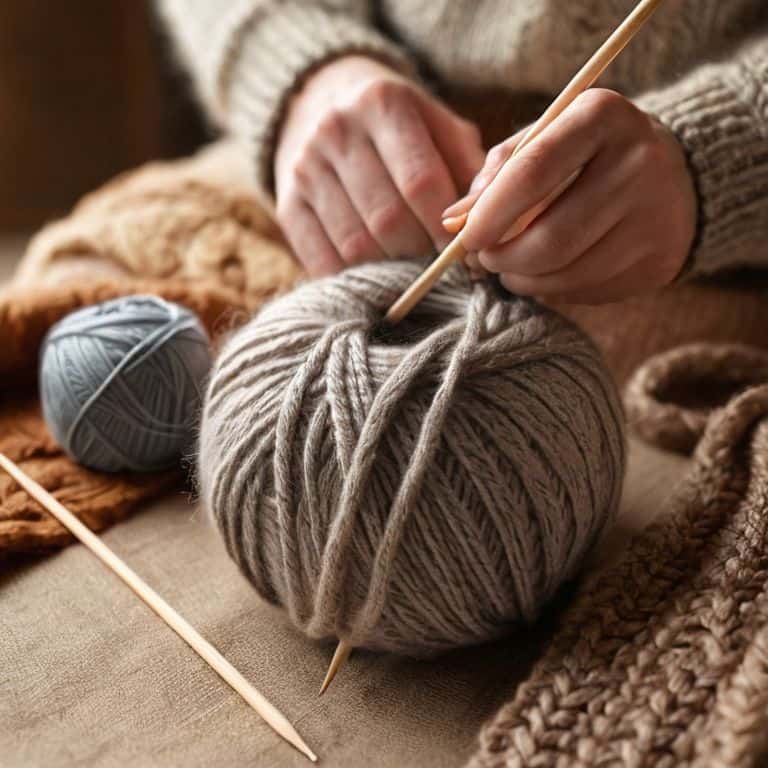
As we’ve explored the world of cable needles, I hope you’ve gained confidence in your ability to weave a little magic into your knitting projects. From the initial steps of choosing the right yarn and needles to the more complex techniques of cable knitting patterns, we’ve covered it all. Remember, the key to mastering cable knitting is patience and practice, so don’t be discouraged if it takes a few tries to get the hang of it. With time and dedication, you’ll be creating beautiful, intricate designs that will make your friends and family wonder at your skill.
As you continue on your knitting journey, I encourage you to experiment and explore new patterns and techniques. Don’t be afraid to try new things and make mistakes – they’re all part of the process, and you never know what beautiful, unique design you might stumble upon. Whether you’re a seasoned knitter or just starting out, I hope this guide has inspired you to pick up your needles and create something truly special. Happy knitting, and I look forward to seeing the beautiful things you make!
Frequently Asked Questions
What if I accidentally drop a stitch while using a cable needle, how do I recover it?
Don’t worry, it’s an easy fix. If you drop a stitch while using a cable needle, simply slip it back onto your left needle and work it as you normally would. If it’s fallen a few rows, you can use a crochet hook or a spare needle to gently pick it up and work it back into place.
Can I use a cable needle with any type of yarn or are there specific yarns that work best?
While you can use a cable needle with most yarns, I find that yarns with a bit of texture and stitch definition work best, like wool or wool-blend yarns. Avoid very slippery or fuzzy yarns, as they can be tricky to manage with a cable needle.
How do I know when to use a cable needle versus a regular knitting needle in a pattern?
When deciding between a cable needle and a regular knitting needle, it’s all about the pattern’s requirements. If you’re working a cable stitch, you’ll typically use a cable needle to hold those precious stitches, whereas a regular knitting needle is perfect for straightforward knit and purl rows.
