
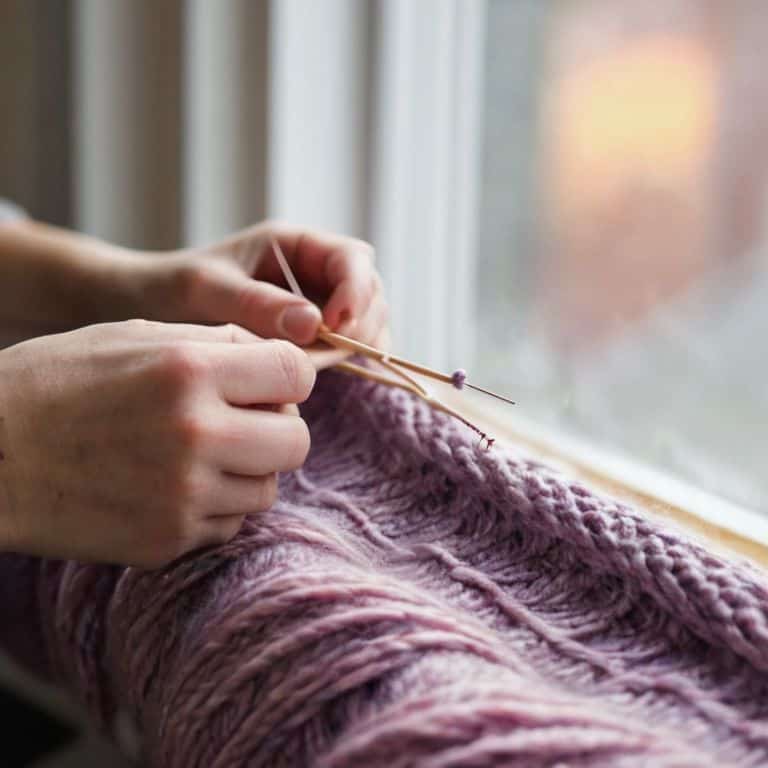
I still remember the first time I attempted how to manage floats in colorwork – it was a frustrating experience, to say the least. I had heard that it was all about following a set of rigid rules, but as I sat there, yarn tangled in my fingers, I realized that there had to be a better way. The truth is, managing floats is not about strict guidelines, but about understanding the rhythm of the yarn and working with it. As someone who’s passionate about natural yarn dyeing and collecting vintage knitting patterns, I’ve learned that it’s all about finding a balance between technique and creativity.
In this article, I’ll share my personal approach to how to manage floats in colorwork, one that focuses on relaxed, intuitive knitting. You’ll learn how to identify and tame those pesky floats, creating beautiful, professional-looking fabric that’s a joy to wear. I’ll walk you through my favorite tips and tricks, from the importance of swatching to the secret to maintaining even tension. By the end of this guide, you’ll be equipped with the knowledge and confidence to tackle even the most complex colorwork patterns, and you’ll be well on your way to creating stunning, float-free designs that showcase your unique style.
Table of Contents
Guide Overview: What You'll Need
Total Time: 1 hour 15 minutes
Estimated Cost: $10 – $20
Difficulty Level: Intermediate
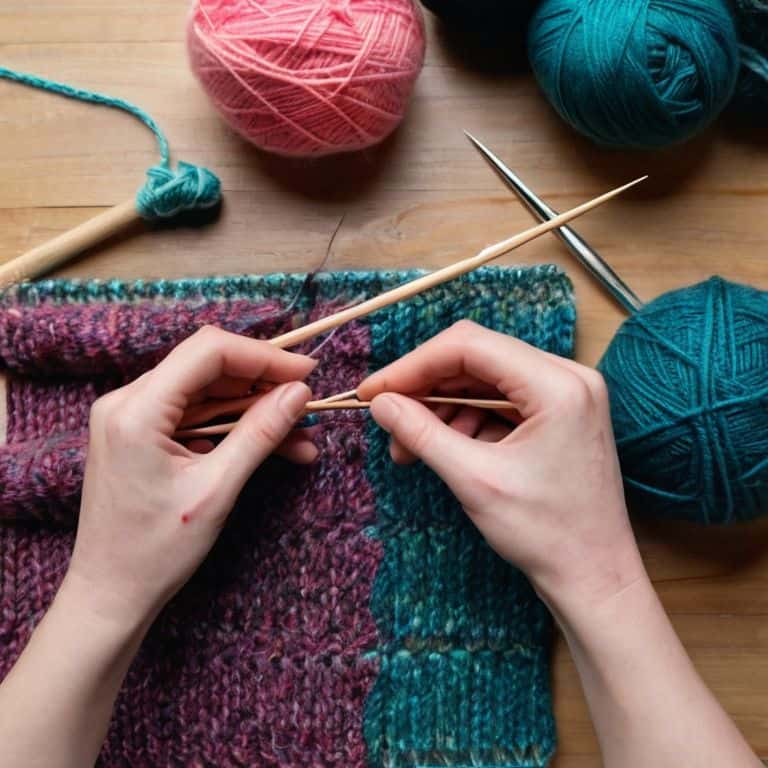
Tools Required
- Knitting needles (size dependent on yarn and pattern)
- Scissors (for cutting yarn)
- Tapestry needle (for weaving in ends)
- Measuring tape (for measuring work)
- Stitch markers (optional for tracking floats)
Supplies & Materials
- Yarn (in multiple colors for colorwork)
- Stitch dictionary or pattern (for specific colorwork design)
- Yarn needle (for weaving in ends)
Step-by-Step Instructions
- 1. First, let’s start by understanding what floats are and why they can be a bit tricky to manage in colorwork knitting. A float is a strand of yarn that runs across the back of your work, and if not handled correctly, it can cause puckering or unevenness in your fabric. To avoid this, it’s essential to keep your floats under control, and I’ll show you how to do just that.
- 2. Next, choose the right yarn and needles for your project, as this can make a huge difference in managing floats. Opt for yarns with a bit of give and needles that are comfortable to hold, allowing you to maintain a consistent tension. This will help you to create a fabric that is even and smooth, making it easier to manage those pesky floats.
- 3. Now, let’s talk about the basic rule of managing floats: keep them short. The longer your floats, the more likely they are to cause problems in your knitting. To keep your floats short, try to catch them every few stitches, or use a technique like weaving in ends as you go. This will not only help to manage your floats but also make your knitting more efficient.
- 4. When working with multiple colors, it’s crucial to carry your yarn correctly to avoid long floats. To do this, simply pick up the new color and work with it, then drop the old color and pick it up again when you need it. This might seem like a simple step, but it’s often overlooked, and it can make a huge difference in the overall appearance of your knitting.
- 5. Another essential technique for managing floats is to use a yarn needle to weave in ends as you go. This not only helps to keep your floats under control but also saves you time in the long run. By weaving in ends as you work, you’ll avoid having to deal with a big mess of yarn at the end of your project.
- 6. As you work on your colorwork project, make sure to keep your tension even, as uneven tension can cause your floats to pucker or become uneven. To maintain even tension, try to keep your yarn at a consistent distance from your needles, and avoid pulling the yarn too tightly. This will help to create a fabric that is smooth and even, with floats that are under control.
- 7. Finally, don’t be afraid to experiment and try new things when it comes to managing floats in your colorwork knitting. Every project is different, and what works for one project might not work for another. By being open to new techniques and willing to try different approaches, you’ll become more confident and skilled at managing floats, and your knitting will benefit as a result.
Managing Floats With Ease
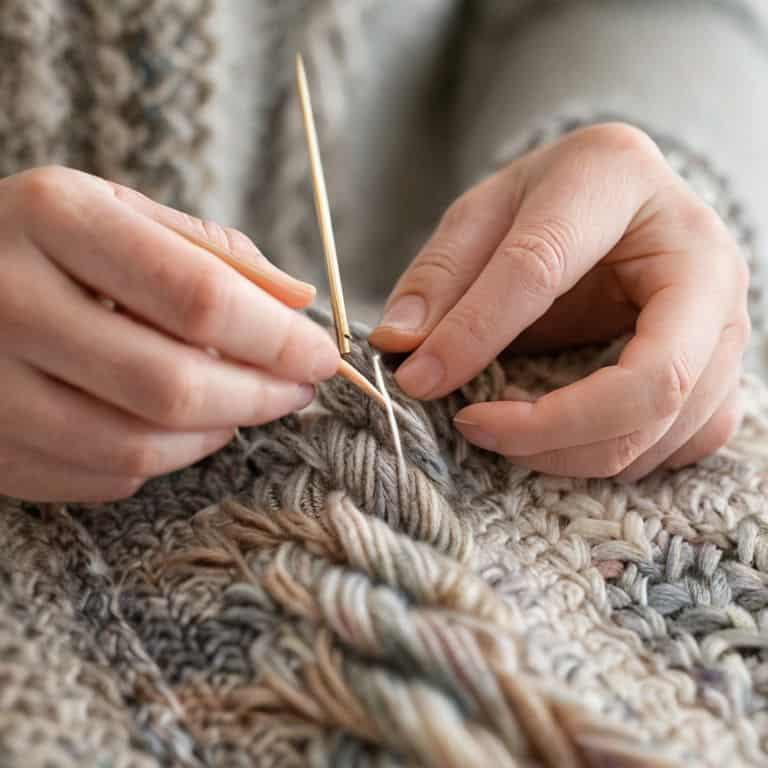
As we dive deeper into the world of colorwork knitting, it’s essential to develop a few colorwork knitting techniques for beginners that will make your projects shine. One of the most crucial aspects is managing yarn tails, which can quickly become overwhelming, especially in Fair Isle knitting. To keep your work neat and tidy, try to keep your yarn tails relatively short, and use a yarn needle to weave them in as you go.
When working with multiple colors, it’s vital to understand tips for knitting with multiple colors, including how to maintain color dominance in stranded knitting. This means being mindful of which color is dominant in your pattern and ensuring that it’s not getting lost in the background. By paying attention to color dominance, you can create a beautiful, balanced fabric that showcases your hard work.
To take your colorwork to the next level, experiment with different techniques for carrying yarn in intarsia knitting, and don’t be afraid to try new things. Remember, practice makes perfect, and the more you knit, the more comfortable you’ll become with avoiding puckering in colorwork. With time and patience, you’ll be creating stunning, professional-looking pieces that you’ll treasure for years to come.
Colorwork Secrets for Smooth Fabric
To achieve smooth fabric in colorwork, it’s essential to keep your tension even and your floats under control. One of my favorite tips is to use a consistent yarn weight and fiber type throughout your project. This helps maintain a uniform texture and prevents any one color from overpowering the others. I also like to gently tug on my floats as I work to ensure they’re not too loose or too tight, which can cause puckering or distortion in the fabric.
By paying attention to these details, you’ll be able to create a beautiful, cohesive fabric that showcases your colorwork skills. Remember, practice makes perfect, so don’t be discouraged if it takes a few projects to get the hang of it – with time and patience, you’ll be crafting stunning, smooth colorwork pieces like a pro!
Taming Yarn Tails in Fair Isle
When working with Fair Isle patterns, it’s not just the floats that can be a challenge, but also those pesky yarn tails. To tame them, I like to use a simple technique: as I switch between colors, I leave a small tail of about 2-3 inches. This allows me to weave them in later without having to worry about them getting tangled or lost. By doing so, I can maintain a clean and organized work space, which is essential for a peaceful knitting experience.
As I weave in the ends, I make sure to do it in a way that distributes the yarn evenly, avoiding any bulkiness. This step may seem tedious, but trust me, it’s worth the extra effort. With a little patience, your Fair Isle project will look polished and professional, and you’ll be able to enjoy the fruits of your labor for years to come.
Float Like a Pro: 5 Essential Tips for Mastering Colorwork
- Keep your yarn tails in check by working with a consistent tension, just like you’re weaving a gentle spell with every stitch
- Choose your colors wisely, considering how they’ll interact and affect the overall fabric of your project – it’s all about harmony and balance
- Use the ‘yarn nesting’ technique to keep your floats organized and your work looking neat, even when you’re working with multiple colors
- Pay attention to the weight and texture of your yarn, as this can greatly impact the visibility of your floats and the overall drape of your finished project
- Don’t be afraid to get creative and experiment with different float management techniques – after all, it’s all about finding what works best for you and your unique knitting style
Key Takeaways for Mastering Floats in Colorwork
By understanding how to manage floats effectively, you can create stunning, professional-looking colorwork pieces that showcase your knitting skills
Using techniques like weaving in ends as you go and keeping yarn tails organized can significantly reduce frustration and make the knitting process more enjoyable
Practicing patience and taking your time to tame those pesky floats will result in smooth, even fabric that brings your colorwork patterns to life
The Float Whisperer's Mantra
As you weave your colors together, remember that managing floats is not just about technique, but about embracing the gentle rhythm of the yarn and the joy of creation in every stitch.
Clara Meadows
Weaving a Beautiful Finish
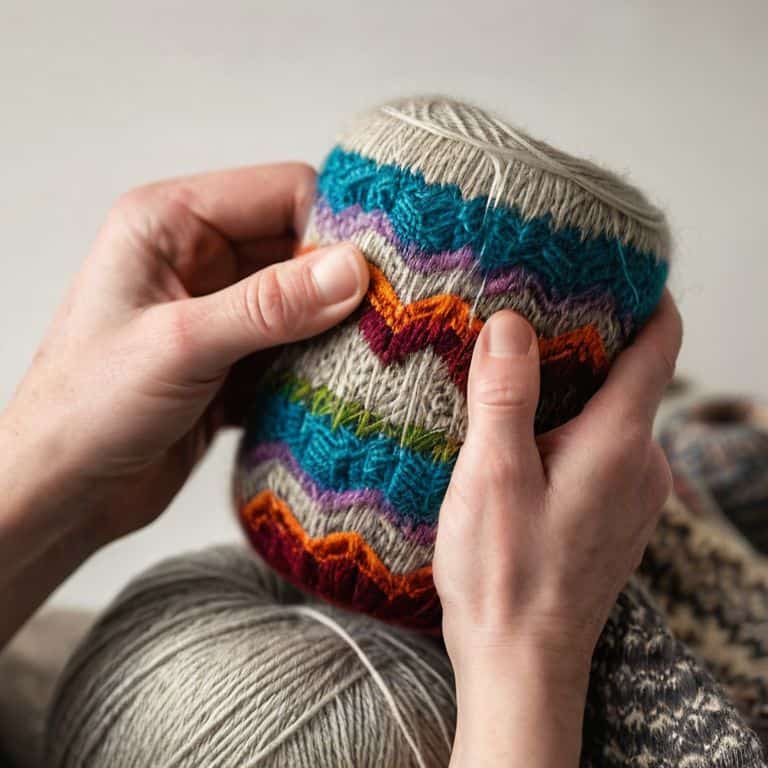
As we come to the end of our journey in mastering the art of managing floats in colorwork, let’s take a moment to reflect on the key points we’ve covered. From the initial steps of understanding how floats work, to the step-by-step guide on how to manage them with ease, and finally to the secrets of taming yarn tails and achieving smooth fabric in Fair Isle and other colorwork patterns. By now, you should feel more confident in your ability to tackle even the most complex colorwork projects, knowing that you have the tools and techniques to create something truly beautiful.
So, my dear knitting friends, as you put down your needles and admire your latest creation, remember that the true magic of knitting lies not just in the finished product, but in the journey itself. The gentle clickety-clack of the needles, the soft feel of the yarn, and the sense of accomplishment that comes with creating something with your own hands. Let’s continue to weave our own unique stories, one stitch at a time, and find peace and joy in the quiet, meditative rhythm of our craft.
Frequently Asked Questions
What are some common mistakes to avoid when managing floats in colorwork knitting?
When managing floats, I’ve found that common mistakes include carrying yarn too tightly, which can pucker the fabric, and not weaving in ends as you go, leading to a tangled mess. Also, be mindful of yarn dominance, as it can affect the overall appearance of your colorwork pattern.
How can I ensure that my floats are evenly spaced and not too tight or too loose?
To achieve beautifully even floats, I recommend gently tug-testing as you work. If it feels too tight, give it a wee bit of slack, and if it’s too loose, nudge it gently into place. Consistency is key, so take your time and trust your instincts – your floats will thank you!
Are there any specific yarns or needle types that are better suited for managing floats in colorwork projects?
For managing floats, I adore working with yarns that have a bit of grip, like wool or wool-blend yarns. As for needles, I find that wooden or bamboo ones help me keep a smooth tension. My go-to combo is a pair of wooden needles with a worsted weight yarn – it makes navigating floats a breeze!
