
As I sit here surrounded by balls of yarn and half-finished projects, I’m reminded of the age-old question that has puzzled knitters for centuries: how to calculate yarn needed for a blanket. It’s a conundrum that has led to many a frustrated knitter, left wondering if they’ve bought too little or too much yarn for their latest project. I’ve lost count of how many times I’ve heard fellow knitters lament about running out of yarn halfway through a blanket, or worse, ending up with a stash of leftover yarn that’s just not enough to make anything worthwhile.
In this article, I’ll share my no-nonsense approach to calculating yarn needs, gleaned from years of experience as a knitwear designer. You’ll learn how to estimate yarn requirements with confidence, taking into account factors like yarn weight, fiber content, and stitch pattern. By the end of this guide, you’ll be equipped with the knowledge to tackle even the most complex blanket projects, and you’ll never have to worry about yarn shortages again. Whether you’re a seasoned knitter or just starting out, my goal is to empower you with the skills to create something truly special, and to make the process of knitting a blanket a joyful and relaxing experience.
Table of Contents
- Guide Overview: What You'll Need
- Step-by-Step Instructions
- Whispering Yarn Secrets
- Picking the Perfect Skein: 5 Essential Tips for Calculating Yarn Needed for a Blanket
- Key Takeaways for Your Dream Blanket
- The Yarn Whisperer's Wisdom
- Weaving a Perfect Blanket: A Conclusion
- Frequently Asked Questions
Guide Overview: What You'll Need
Total Time: 30 minutes to 1 hour
Estimated Cost: $20 – $100
Difficulty Level: Easy
Tools Required
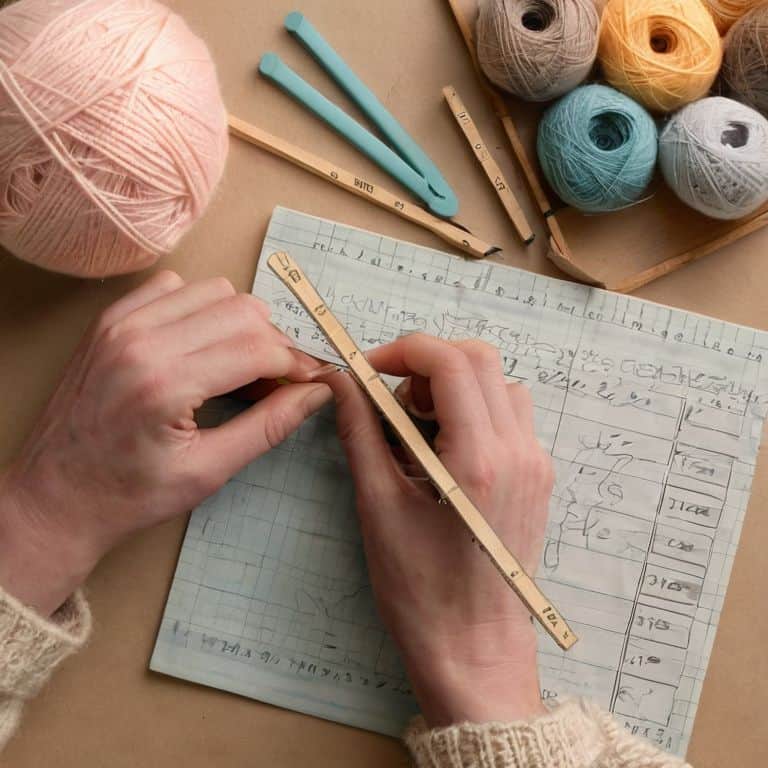
- Calculator (for calculations)
- Measuring Tape (for measuring blanket size in inches)
- Ruler (for measuring gauge in inches)
Supplies & Materials
- Yarn (varies by type and quantity)
- Blanket Pattern or Recipe (for specific dimensions and stitch requirements)
- Stitch Gauge Ruler (for measuring stitches per inch)
Step-by-Step Instructions
- 1. First, let’s start by understanding the basics of yarn calculation. To determine how much yarn you’ll need for your blanket, you’ll need to consider a few factors, including the type of yarn, the size of your blanket, and the stitch pattern you plan to use. Take a moment to think about the overall look and feel you want to achieve with your blanket – is it a cozy, chunky throw or a lightweight, lacy blanket?
- 2. Next, you’ll need to measure the dimensions of your desired blanket. Decide on the length and width you want your blanket to be, and make a note of these measurements. You can use a ruler or measuring tape to get an accurate idea of the size you’re aiming for. Don’t forget to consider the shape of your blanket – will it be a rectangle, square, or perhaps a circular blanket?
- 3. Now, let’s talk about yarn weight and how it affects the overall yarn requirements. Different yarns have different weights, and this will impact how much yarn you’ll need. For example, a bulky yarn will require less yarn than a fingering weight yarn to achieve the same size blanket. Take a look at the yarn label or consult with the manufacturer to determine the weight of your chosen yarn.
- 4. The stitch pattern you choose will also play a significant role in determining yarn requirements. Some stitch patterns, like cables or fair isle, can be quite yarn-intensive, while others, like stockinette or garter stitch, may be more yarn-efficient. Consider the stitch pattern you plan to use and how it will affect the overall yarn needs. You can also experiment with different stitch patterns to see which one works best for your blanket.
- 5. To get a more accurate estimate of yarn needs, you can use a yarn calculator or consult a yarn requirement chart. These tools can help you estimate the amount of yarn needed based on the factors we’ve discussed so far, including yarn weight, stitch pattern, and blanket size. Keep in mind that these are just estimates, and the actual amount of yarn required may vary.
- 6. Once you have an estimate of the yarn needed, it’s a good idea to add a buffer zone to account for any unexpected yarn usage. This can be especially helpful if you’re new to knitting or if you’re trying a new stitch pattern. A general rule of thumb is to add 10-20% to your estimated yarn needs to ensure you have enough yarn to complete your project.
- 7. Finally, let’s talk about swatching and gauge. Before you start knitting your blanket, it’s essential to swatch your yarn to determine the gauge. Gauge refers to the number of stitches and rows per inch, and it can significantly impact the overall size and yarn requirements of your blanket. By swatching your yarn, you can ensure that your blanket will be the correct size and that you’ll have enough yarn to complete it.
Whispering Yarn Secrets
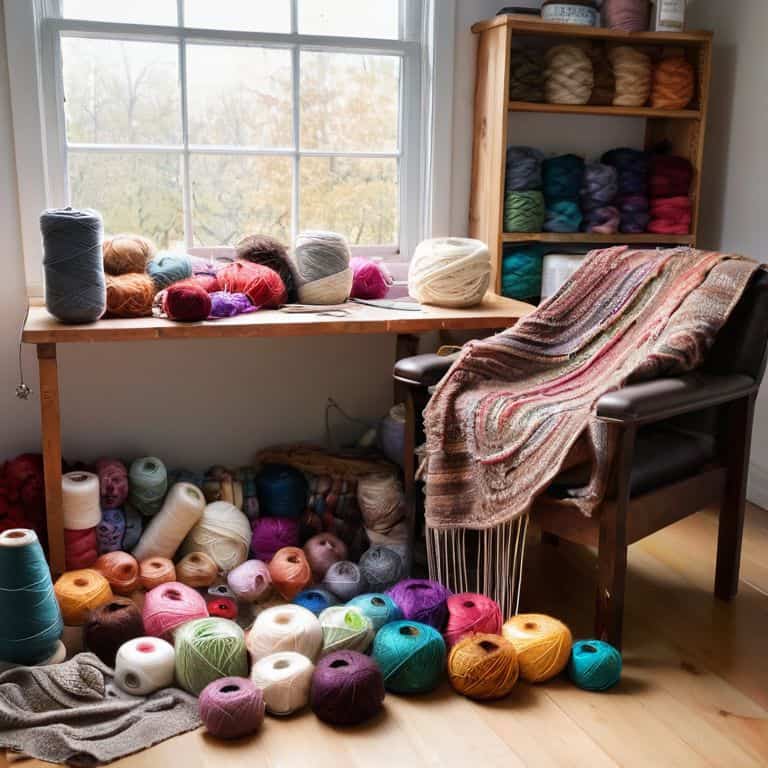
As I sit here surrounded by skeins of yarn in various weights and textures, I’m reminded that calculating yarn needs is not just about numbers, but also about understanding the yarn weight and blanket size. The type of fiber used can greatly impact the overall yardage required, with thicker yarns generally needing less yardage than thinner ones. For instance, a bulky yarn will cover more ground than a lace-weight yarn, which means you’ll need less of it to achieve the same blanket size.
When it comes to knitting gauge and yarn requirements, it’s essential to consider the stitch pattern and density of your blanket. A tightly knit blanket will require more yarn than a loosely knit one, so be sure to take this into account when estimating your yarn needs. I like to think of it as a little yarn whispering secret: the more complex the stitch pattern, the more yarn you’ll need to bring it to life.
As you work on your blanket, keep in mind that fiber type and yarn usage can also play a role in determining the final yardage. For example, wool yarns tend to be more dense than cotton yarns, which means they may require less yardage to achieve the same blanket size. By considering these factors and using a blanket yardage estimator, you can ensure that your blanket turns out cozy and beautiful, with just the right amount of yarn to make it special.
Calculating Yarn for Cozy Crochet Blankets
When it comes to crochet blankets, the yarn calculation process is similar, yet subtly different. I love how the soft, gentle stitches of crochet seem to whisper stories of their own. To calculate yarn for a cozy crochet blanket, consider the hook size, stitch pattern, and desired density. A larger hook and looser stitches will require more yarn, while a smaller hook and tighter stitches will require less. It’s all about finding that perfect balance, don’t you think?
As you crochet, remember to factor in the type of yarn and its fiber content. For example, a bulky wool yarn will work up quickly, but may require more yarn overall due to its loose, airy texture. Meanwhile, a sleek cotton yarn might be more dense, requiring less yarn but potentially resulting in a heavier blanket. By considering these factors, you’ll be well on your way to creating a cozy crochet blanket that’s just right for snuggling up on chilly evenings.
Yarn Weight and Blanket Size Harmony
As we delve deeper into the world of yarn secrets, let’s talk about the beautiful harmony between yarn weight and blanket size. You see, the weight of your yarn will greatly influence the overall size and texture of your blanket. A bulky yarn, for instance, will work up quickly but result in a denser, heavier blanket, perfect for snuggling up on chilly winter nights. On the other hand, a lighter weight yarn will yield a more airy, spring-like blanket, ideal for tossing over your shoulders on a crisp morning walk.
When choosing your yarn, consider the size of blanket you envision. A larger blanket will require more yarn, but also more time and effort to complete. I like to think of it as a lovely trade-off: the more time you spend knitting, the more love and care you’re weaving into every stitch. By balancing yarn weight with blanket size, you’ll create a truly special piece that’s both functional and beautiful.
Picking the Perfect Skein: 5 Essential Tips for Calculating Yarn Needed for a Blanket
- Consider the weight and fiber content of your yarn, as this can greatly impact the overall yardage required for your blanket
- Measure your desired blanket size carefully, taking into account the dimensions you want to achieve and the type of stitch pattern you’ll be using
- Swatch, swatch, swatch – it’s crucial to create a gauge swatch to ensure you’re getting an accurate estimate of your yarn needs
- Think about the density and drape of your finished blanket, as a looser weave will require more yarn than a tighter one
- Don’t forget to add a little extra yarn to your calculation for weaving in ends, sewing seams, and any other finishing touches you might want to add to your blanket
Key Takeaways for Your Dream Blanket
As you embark on your blanket-knitting journey, remember that the key to a perfect fit lies in understanding the harmony between yarn weight and blanket size.
Calculating yarn needs isn’t just about numbers; it’s also about considering the texture and drape you want your blanket to have, making it a true reflection of your personal style.
Whether you’re a seasoned knitter or just starting out, the most important thing is to enjoy the process, experiment with different yarns, and don’t be afraid to make mistakes – they’re all part of the handmade charm.
The Yarn Whisperer's Wisdom
As we wrap our yarn around the needles, let’s not forget that calculating the perfect amount is not just about numbers, but about nurturing the gentle balance between yarn, needles, and the warmth we wish to create.
Clara Meadows
Weaving a Perfect Blanket: A Conclusion
As we come to the end of our journey in calculating yarn needed for a blanket, let’s take a moment to reflect on the key points we’ve covered. We’ve discussed the importance of considering yarn weight and blanket size when determining how much yarn to use. We’ve also explored the role of yarn weight and blanket size harmony in creating a cozy and comfortable blanket. By understanding these concepts and using the step-by-step guide provided, you’ll be well on your way to creating a beautiful and warm blanket that will be treasured for years to come.
So, as you embark on your next knitting adventure, remember that calculating yarn needs is not just about numbers and formulas – it’s about creating something truly special. With patience, practice, and a willingness to experiment, you can unlock the magic of knitting and bring your most imaginative projects to life. Happy knitting, and I look forward to seeing the beautiful blankets you create!
Frequently Asked Questions
How do I account for the specific yarn weight and fiber type when calculating the amount of yarn needed for my blanket?
When it comes to yarn weight and fiber type, think of them as the recipe for your blanket’s texture and drape. For example, bulky yarns like wool or alpaca will require less yardage than lighter weights like cotton or silk. Consider the fiber’s natural stretch and how it will affect the overall size of your blanket.
What if I want to add a border or other decorative elements to my blanket – how will that affect my yarn calculations?
When adding a border or decorative elements, it’s essential to consider the extra yarn needed. I like to think of it as a little surprise gift for my blanket. Simply estimate the additional yarn required for your chosen border or embellishments and add it to your total calculation – it’s a small step that makes a big difference in the overall look and feel of your finished blanket.
Can I use a standard yarn calculation formula for all types of blankets, or are there specific considerations for different blanket patterns, such as cables or fair isle?
While a standard formula can give you a rough estimate, it’s essential to consider the unique demands of your chosen pattern. Cables and fair isle, for instance, can be more yarn-hungry due to their intricate stitchwork, so you’ll want to adjust your calculations accordingly to ensure you have enough yarn to bring your vision to life.
