

I still remember the frustration I felt when I first started knitting and crocheting – how to calculate how much yarn you need was a mystery that seemed impossible to unravel. I’d spend hours poring over patterns and tutorials, only to end up with a half-finished project and a ball of yarn that was either too small or too large. It wasn’t until I stumbled upon a simple, step-by-step approach to calculating yarn requirements that I felt a sense of relief and control over my crafting. The myth that calculating yarn needs is a complex, intuitive process is simply not true – with the right guidance, anyone can master this essential skill.
In this article, I’ll share my own approach to calculating yarn needs, one that I’ve honed over years of teaching and practicing. You’ll learn how to break down a pattern into its component parts, measure your yarn accurately, and make informed decisions about your project’s requirements. I’ll walk you through every step of the process, from measuring your gauge to estimating your yarn usage, so you can confidently embark on your next knitting or crocheting adventure. By the end of this guide, you’ll be equipped with the knowledge and skills to tackle even the most complex projects, and you’ll never have to worry about running out of yarn again.
Table of Contents
Guide Overview: What You'll Need
Total Time: 30 minutes to 1 hour
Estimated Cost: $0 – $10
Difficulty Level: Easy
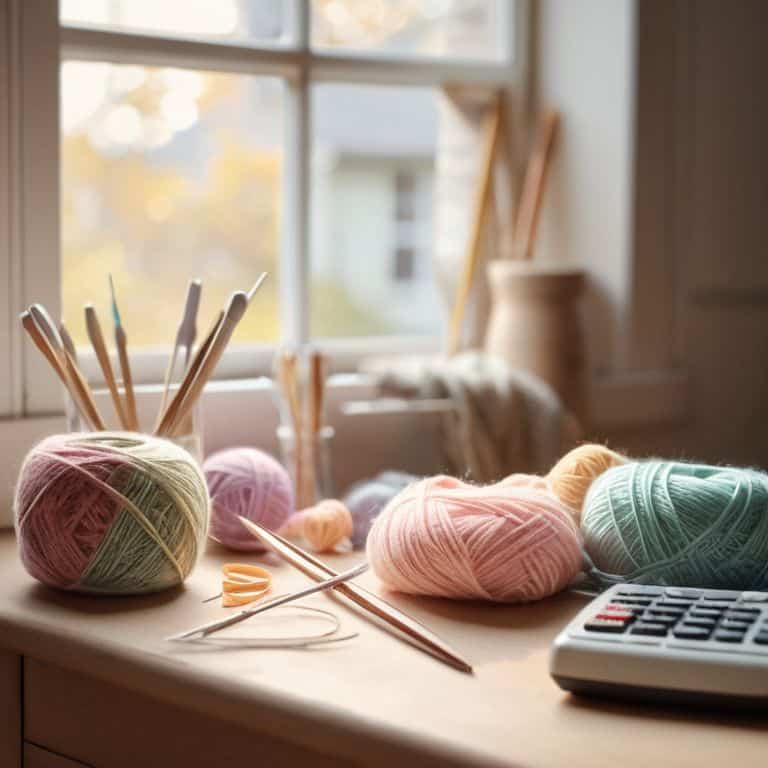
Tools Required
- Calculator (optional, for complex calculations)
- Measuring Tape (for measuring project size in inches)
- Ruler (for measuring project size in centimeters)
Supplies & Materials
- Yarn Labels (to note yarn weight and fiber type)
- Pen and Paper (for recording calculations)
Step-by-Step Instructions
- 1. First, let’s start by gathering all the necessary information about your project, including the type of yarn you’re using, the pattern or design you’re following, and the desired size of your finished product. This will help us determine the yarn weight and calculate the amount needed. Take a few minutes to review your pattern and make note of the recommended yarn weight, fiber content, and yardage.
- 2. Next, we need to understand the concept of yarn yardage, which refers to the length of yarn in a given weight or skein. Most yarn labels provide this information, so be sure to check the label on your yarn. You’ll typically find it listed in yards or meters. Write down the yardage of your yarn, as we’ll be using this to calculate the total amount needed for your project.
- 3. Now, let’s talk about the swatch, which is a crucial step in calculating yarn requirements. A swatch is a small sample of your project that helps you determine the gauge, or tension, of your stitches. To create a swatch, follow your pattern to make a small piece of fabric, usually around 4-6 inches square. This will give you an accurate measurement of how much yarn is used per stitch.
- 4. With your swatch in hand, it’s time to measure the gauge. Use a ruler or measuring tape to count the number of stitches and rows in your swatch. This will give you the information you need to calculate the yarn usage per stitch. Be sure to take your time and measure carefully, as this step is critical to getting an accurate calculation.
- 5. Next, we’ll use the information from your swatch to calculate the total yarn usage for your project. To do this, you’ll need to multiply the number of stitches and rows in your project by the yarn usage per stitch. This will give you the total amount of yarn needed to complete your project. Don’t worry if this sounds complicated – we’ll break it down into smaller steps to make it more manageable.
- 6. Now, let’s calculate the yarn requirements based on the information we’ve gathered so far. Take the total yarn usage for your project and divide it by the yardage of your yarn. This will give you the total number of skeins or balls of yarn you’ll need to complete your project. Be sure to round up to the nearest whole number, as you can’t buy a fraction of a skein.
- 7. Finally, to ensure you have enough yarn, consider adding a 10-15% buffer to your total calculation. This will give you some extra yarn to work with, just in case your gauge is off or you need to make any adjustments to your project. This step may seem like overkill, but trust me, it’s better to have a little extra yarn on hand than to run out mid-project.
Calculate Yarn Needs Easily
As you work through the steps to determine your yarn needs, keep in mind that yarn weight and yardage can greatly impact your project. A yarn weight and yardage calculator can be a valuable tool in helping you estimate how much yarn you’ll require. By considering the weight and yardage of your yarn, you can ensure that you have enough to complete your project without running out.
When planning your project, it’s also important to consider the knitting pattern yardage requirements or crochet gauge and yarn usage. These factors can help you get a more accurate estimate of how much yarn you’ll need. Additionally, thinking about the fiber types and yarn yardage can also be helpful, as different fibers have different yardages. For example, a yarn made from a dense fiber like wool may have less yardage than a yarn made from a lighter fiber like cotton.
To make the process even easier, you can use a yarn ball weight and measurement to get an idea of how much yarn you have. This can be especially helpful if you’re working with a partially used ball of yarn. By taking the time to project planning for knitting and crochet, you can avoid running out of yarn mid-project and ensure that your finished product turns out as expected.
Unravel Yarn Weight Secrets
Now that we’ve covered the basics of calculating yarn needs, let’s dive deeper into the secrets of yarn weight. You see, yarn weight is a crucial factor in determining how much yarn you’ll need for your project. It’s not just about the color or texture, but also about the thickness and density of the yarn. To make things easier, yarn manufacturers often use a standardized system to categorize their yarns into different weights, ranging from lace to bulky.
By understanding the yarn weight, you can make more accurate calculations and avoid running out of yarn mid-project. I like to think of it as having a secret code to unlock the perfect yarn amount. For example, if you’re working with a worsted weight yarn, you can expect it to have a certain amount of yardage per skein. By knowing this, you can plan your project with confidence and ensure that you have enough yarn to complete it.
Yarn Ball Measurement Magic
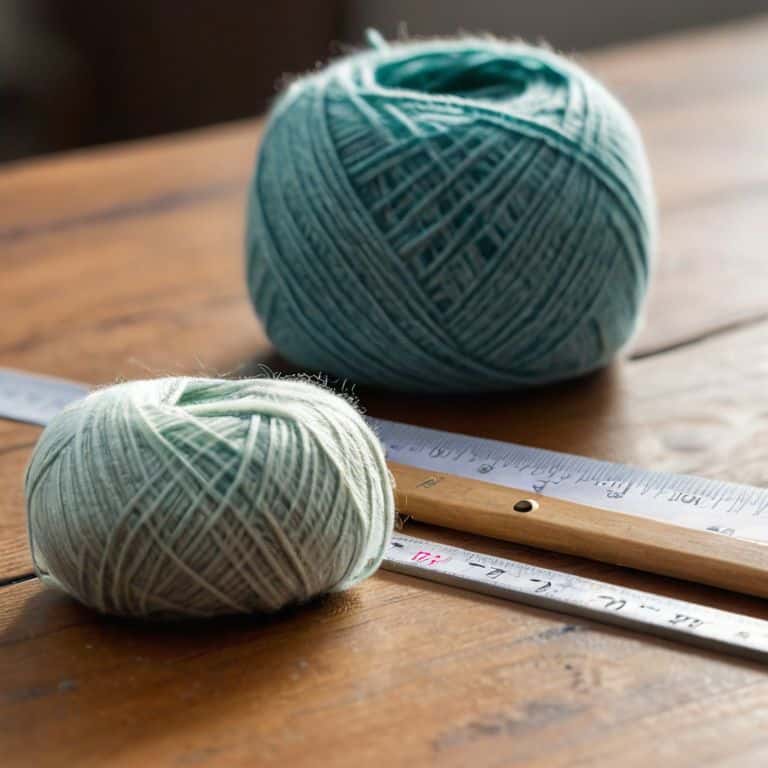
To make calculating yarn needs even easier, let’s talk about measuring the yarn ball itself. This is where things can get a bit tricky, but don’t worry, I’ve got you covered. When measuring a yarn ball, it’s essential to consider its shape and how it’s wound. For a more accurate calculation, gently unwind the yarn and measure its length. You can use a yarn needle or a tape measure to get an approximate length.
By doing this, you’ll be able to get a better sense of how much yarn you’re working with, and you can then use this measurement to calculate how much yarn you’ll need for your project. This simple step can make a big difference in ensuring you have enough yarn to complete your project, and it’s a great way to avoid running out of yarn mid-project.
5 Essential Tips to Crack the Yarn Calculation Code

- Start by understanding the yarn weight and fiber content, as different materials have distinct requirements
- Always check the pattern or project instructions for specific yarn quantity recommendations
- Use a yarn calculator or a spreadsheet to make calculations easier and less prone to errors
- Consider the desired density and drape of your finished project, as this can impact the amount of yarn needed
- Swatch, swatch, swatch – creating a test swatch will help you accurately estimate the yarn requirements for your specific project
Key Takeaways for Calculating Yarn Needs
Breaking down your project into smaller components and calculating the yarn requirements for each part can make the overall process less overwhelming and more accurate
Understanding yarn weights and their corresponding yardages is crucial for making informed decisions about which yarn to use for your project and how much of it you’ll need
Measuring your yarn balls or skeins and using a simple calculation method can help you determine exactly how much yarn you have, making it easier to plan your project and avoid running out of yarn mid-stream
A Word of Wisdom
The key to calculating yarn needs is not just about numbers, but about understanding the story of your project – from the type of fiber to the texture you desire, every detail matters, and with a little patience and practice, you’ll be weaving your own tale of creativity and precision.
Beatrice "Bea" Quinn
Conclusion: You're Now a Yarn Calculation Master
As we’ve worked through this step-by-step guide on how to calculate how much yarn you need, you’ve learned the importance of understanding yarn weight secrets and the magic of yarn ball measurements. By following these simple, yet crucial steps, you’ll be able to unravel the mystery of yarn requirements and take your knitting or crochet projects to the next level. Remember, calculating yarn needs is all about breaking down the process into manageable parts and using the right tools and techniques to get accurate measurements. With practice, you’ll become more confident in your ability to estimate yarn requirements, and you’ll be able to start new projects with ease.
As you move forward on your crafting journey, keep in mind that the key to success lies in your ability to be patient, methodical, and gentle with yourself. Don’t be afraid to make mistakes or try new things – they’re an essential part of the learning process. With time and practice, you’ll develop a sense of intuitive understanding when it comes to yarn calculations, and you’ll be able to focus on the creative aspects of your projects. So, go ahead, grab your yarn and needles, and get ready to create something truly beautiful!
Frequently Asked Questions
What if I'm using a yarn with an unusual fiber blend – how will that affect my calculations?
Don’t worry, I’ve got you covered. When working with unusual fiber blends, it’s essential to check the yarn label for specific yardage and weight information. You can also consult the manufacturer’s website or contact their customer support for more detailed guidance. This will help you make accurate calculations and ensure your project turns out beautifully.
Can I use a digital yarn calculator tool or is it better to do the calculations by hand?
You can definitely use a digital yarn calculator tool, and I recommend it for speed and accuracy. However, I also think it’s helpful to understand the basics of calculating yarn needs by hand, so you can double-check your results and make adjustments as needed.
How do I account for yarn waste or scraps when estimating how much yarn I'll need for a project?
To account for yarn waste, I recommend adding 10% to your total yarn calculation. This will give you a cushion for any scraps or mistakes that might occur during your project. Think of it as a little insurance policy to ensure you have enough yarn to complete your beautiful creation.
