
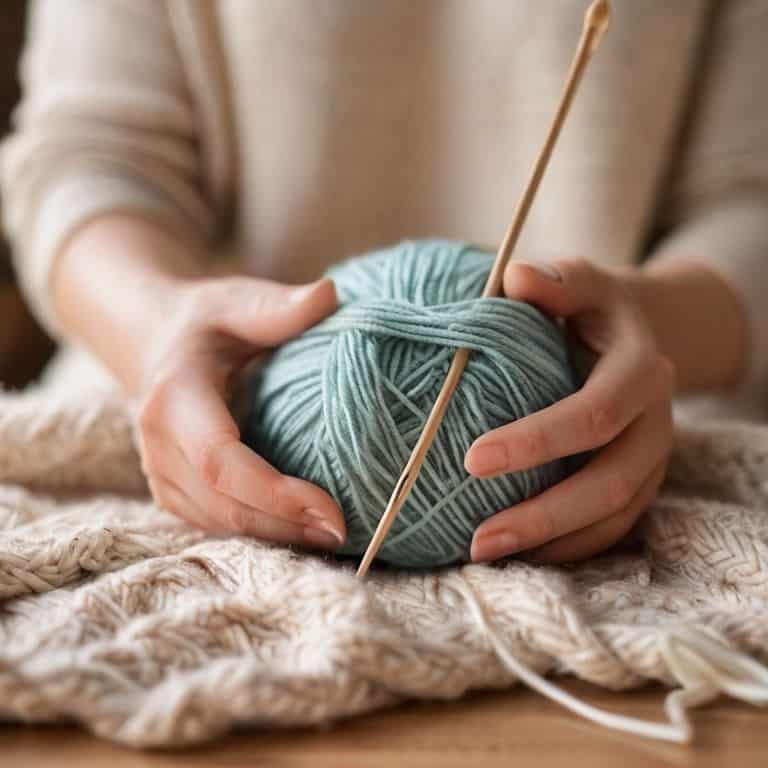
I still remember the overwhelming feeling I had when I first walked into a yarn store, eager to start my knitting journey. The endless rows of colorful yarns and the numerous types of knitting needles on display left me wondering where to begin. I wished I had a comprehensive guide to help me navigate the process of choosing my first set of knitting needles. That’s why I’m excited to share with you a guide to choosing your first set of knitting needles, a step-by-step approach that will make your journey much smoother.
In this article, I promise to provide you with practical advice and honest guidance on selecting the perfect knitting needles for your needs. You’ll learn how to consider factors such as the type of yarn, the project you want to make, and your personal comfort level with different needle materials. By the end of this guide, you’ll be confident in your ability to choose the right knitting needles, and you’ll be ready to start creating your own beautiful projects. I’ll break down the process into simple, manageable steps, so you can relax and enjoy the journey of learning to knit with ease.
Table of Contents
Guide Overview: What You'll Need
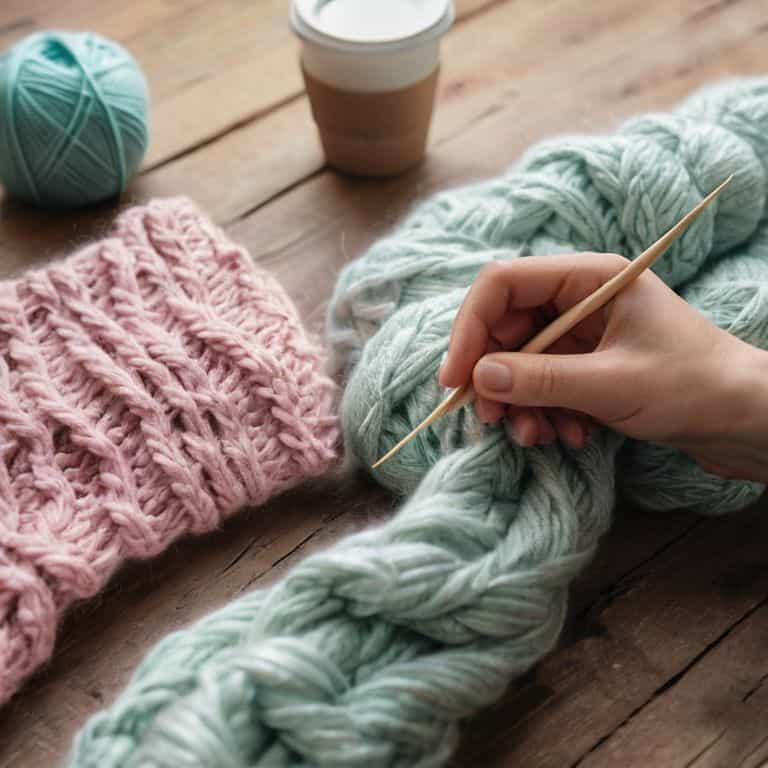
Total Time: 30 minutes to 1 hour
Estimated Cost: $10 – $30
Difficulty Level: Easy
Tools Required
- Measuring Tape (for measuring hand span)
- Ruler (for measuring needle length)
Supplies & Materials
- Knitting Needles available in various materials (aluminum, wood, plastic) and sizes (ranging from 2 inches to 14 inches in length)
- Yarn for testing needle size and type
Step-by-Step Instructions
- 1. First, let’s start by understanding the basics of knitting needles. There are several types of knitting needles, including straight, circular, and double-pointed needles. Each type has its own unique characteristics, and it’s essential to choose the right type for your first project. I recommend beginning with straight needles, as they are the most straightforward to use.
- 2. Next, consider the material of your knitting needles. You can choose from aluminum, wood, or plastic. Aluminum needles are durable and lightweight, while wooden needles provide a warm, natural feel. Plastic needles are often the most affordable option. Think about what feels most comfortable to you and what will make your knitting experience enjoyable.
- 3. Now, let’s talk about needle size. Knitting needle sizes are measured in inches or millimeters, and they can range from 0 (2mm) to 17 (12.75mm). To choose the right size, you’ll need to consider the type of yarn you’ll be using and the pattern you’ll be following. A good rule of thumb is to start with a smaller needle size and adjust as needed.
- 4. The length of your knitting needles is also crucial. Needle lengths can vary from 7 to 14 inches. If you’re a beginner, it’s best to start with shorter needles, around 7-8 inches, as they are easier to manage. As you become more comfortable with knitting, you can move on to longer needles.
- 5. Another important factor to consider is the tip shape of your knitting needles. There are two main types: blunt and pointed. Blunt tips are more forgiving and suitable for beginners, while pointed tips are better for more experienced knitters. If you’re just starting out, I recommend opting for blunt tips to make your learning process smoother.
- 6. When it comes to brand selection, there are many excellent brands to choose from, each with its own strengths and weaknesses. Look for brands that offer high-quality, durable needles that fit your budget. Some popular brands include Addi, KnitPicks, and Clover. Don’t be afraid to read reviews and ask for recommendations from fellow knitters.
- 7. Finally, before making your purchase, try before you buy, if possible. Many craft stores offer demo needles or allow you to try out different types of needles before committing to a purchase. This will give you a chance to get a feel for the needles and ensure you’re making the right choice for your knitting journey.
A Guide to Choosing Your First Set
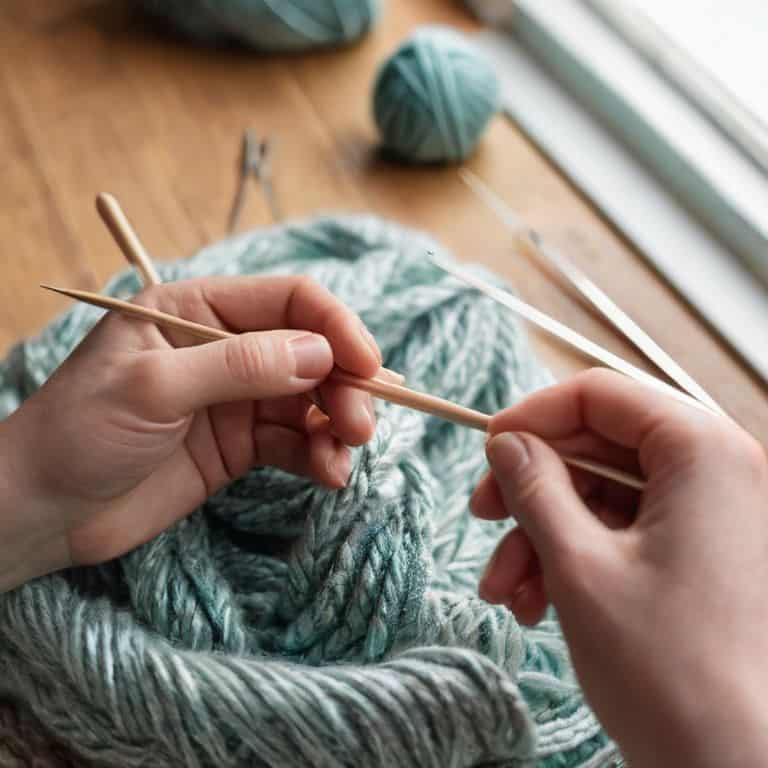
As you embark on this journey, it’s essential to consider the knitting needle materials for beginners that will suit your needs. You’ll find that most knitting needles are made from aluminum, wood, or plastic. Each material has its unique characteristics, and choosing the right one can make a significant difference in your knitting experience. For instance, wooden needles are often preferred for their warmth and lightweight feel, while aluminum needles are known for their durability and smoothness.
When it comes to selecting the right needle size, it’s crucial to choose a size that complements your yarn. The type of yarn you use will dictate the size of the needle, and using the wrong size can result in an uneven fabric. To ensure you’re using the correct size, always check the yarn label for recommendations. Additionally, consider the type of project you’re working on, as different projects may require different needle sizes.
As a beginner, it’s also important to decide between circular vs straight knitting needles. Circular needles are ideal for projects that require knitting in the round, such as hats and sleeves, while straight needles are better suited for flat projects like scarves and blankets. By taking the time to understand the different types of knitting needles and their uses, you’ll be well on your way to creating beautiful, professional-looking projects.
Choosing the Right Knitting Needle Size
Now that we’ve covered the basics of selecting your first set of knitting needles, let’s dive into the importance of choosing the right size. This is a crucial step, as it can make or break your knitting experience. To determine the perfect size, consider the type of project you’re making and the yarn you’ve chosen. As a general rule, thicker yarns require larger needles, while thinner yarns require smaller ones.
I like to think of it like a recipe: the right ingredients (yarn and needles) combined in the right proportions will yield a beautiful, cohesive finished product. To ensure you’re getting the right size, consult the pattern or yarn label for recommended needle sizes. You can also refer to a needle size chart, which I’ve included in my hand-drawn instruction sheets for your convenience.
Exploring Knitting Needle Materials for Beginners
As we delve into the world of knitting needles, let’s explore the various materials they can be made of. For beginners, it’s essential to understand the pros and cons of each material. You’ll find knitting needles made from aluminum, steel, wood, and even plastic. Each material has its unique characteristics, such as weight, flexibility, and grip.
I recommend considering your personal preference and knitting style when selecting the material. For instance, wooden needles provide a warm, gentle feel, while aluminum needles are lightweight and durable. By understanding the different materials, you’ll be able to make an informed decision and find the perfect needles to suit your needs.
5 Essential Tips for Selecting Your Ideal Knitting Needles
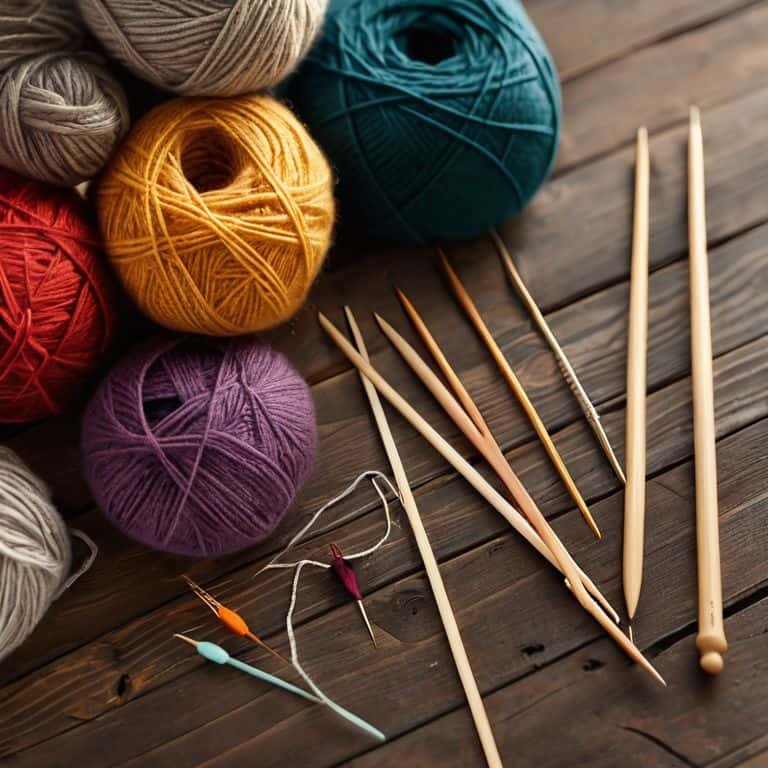
- Consider Your Project: Think about the type of project you want to start with, as different projects require different needle sizes and materials
- Understand Your Yarn: Choose a needle material that complements your yarn, for example, wooden or bamboo needles for delicate fibers
- Think About Your Hand Size: Ensure the needle size and material are comfortable for your hands, allowing for smooth, even stitches
- Explore Needle Types: Familiarize yourself with the different types of knitting needles, such as straight, circular, or double-pointed, to determine which suits your project best
- Test Before You Invest: If possible, try out different knitting needles before purchasing to find the ones that feel most comfortable and natural for you to work with
Key Takeaways for Choosing Your First Set of Knitting Needles
Selecting the right knitting needle size is crucial for your project’s success, and it’s essential to choose a size that matches your yarn and pattern for optimal results
Exploring different knitting needle materials, such as aluminum, wood, or plastic, can help you find the one that suits your comfort and preference, making your knitting experience more enjoyable
By following a step-by-step approach to choosing your first set of knitting needles, you can confidently navigate the process and set yourself up for a rewarding and creative knitting journey
Conclusion: You're Ready to Cast On
As we’ve explored the world of knitting needles together, I hope you now feel confident in your ability to choose the perfect set for your first project. We’ve discussed the importance of understanding your yarn and how it relates to needle size, as well as the various materials available, from aluminum to wood. By considering these factors and taking your time, you’ll be well on your way to a enjoyable and successful knitting experience. Remember, the key to finding your ideal needles is to experiment and have fun with the process.
Now that you’ve taken this crucial first step, I encourage you to dive in and start creating. Don’t be afraid to make mistakes – they’re an essential part of the learning process. With your new knitting needles in hand and a clear understanding of the basics, you’ll be unleashing your creativity in no time. Happy knitting, and I look forward to guiding you through your next craft adventure!
Frequently Asked Questions
What are the most common mistakes to avoid when selecting my first set of knitting needles?
Don’t worry, friend! When selecting your first set of knitting needles, common mistakes to avoid include choosing needles that are too big or too small for your project, and not considering the material or type of needle that suits your yarn and skill level. Let’s break it down together to ensure you find the perfect match.
How do I determine the best knitting needle size for the type of project I want to make?
To determine the best knitting needle size, start by checking your pattern for recommended needle sizes. Then, consider the type of yarn and project you’re making. As a general rule, thicker yarns require larger needles, while thinner yarns need smaller ones. Let’s break it down further with a simple checklist to ensure you find the perfect fit.
Are there any specific features or characteristics I should look for in a beginner-friendly knitting needle set?
When selecting a beginner-friendly knitting needle set, look for features like comfortable grips, smooth tips, and clear size markings. Consider a set with a variety of needle sizes to accommodate different projects. Also, think about the material – aluminum, wood, or plastic – and choose one that feels comfortable in your hands.
