
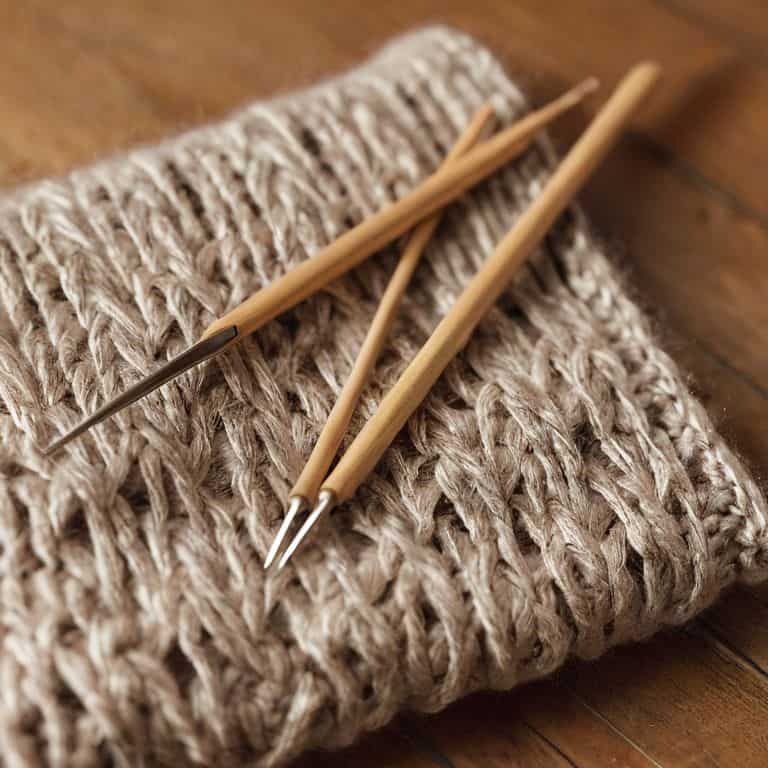
As a craft instructor, I’ve seen many beginners struggle with the circular vs straight knitting needles dilemma. It’s a choice that can make or break your knitting experience, and yet, it’s often overshadowed by more “exciting” aspects of the craft. I remember when I first started knitting, I was overwhelmed by the numerous options available, and it took me a while to figure out which type of needle was best suited for my projects.
In this article, I promise to provide you with honest and straightforward advice on how to choose between circular and straight knitting needles. My goal is to break down the pros and cons of each type, so you can make an informed decision that suits your knitting style. I’ll share my personal experiences, as well as those of my students, to give you a clear understanding of what to expect from each type of needle. By the end of this article, you’ll be equipped with the knowledge to make the right choice for your next knitting project, and you’ll be able to enjoy the process of creating something beautiful, without the frustration of using the wrong tools.
Table of Contents
Circular Knitting Needles
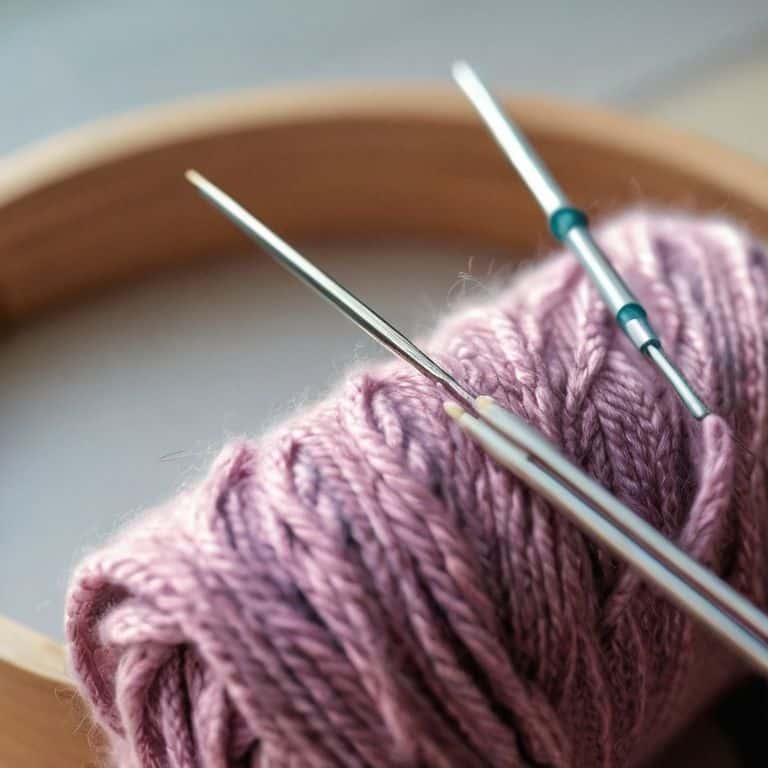
Circular knitting needles are defined as a type of knitting needle with a flexible cable connecting two needle tips, allowing for seamless knitting in the round. The core mechanism of circular needles enables knitters to create tubes of fabric without turning their work, making them ideal for projects like hats, sleeves, and socks, with the main selling point being their ability to knit in the round with ease. This feature is especially beneficial for beginners, as it eliminates the need to worry about seaming or binding off in the middle of a project.
As someone who’s taught numerous knitting workshops, I can attest that circular needles are a game-changer for many students. The ability to knit in the round allows for a more fluid and meditative experience, as the knitter can focus on the rhythmic motion of the needles without interruptions. I’ve seen students who struggled with straight needles flourish when switching to circulars, and it’s not uncommon for them to report feeling more connected to their craft when working on projects that utilize this type of needle.
Straight Knitting Needles
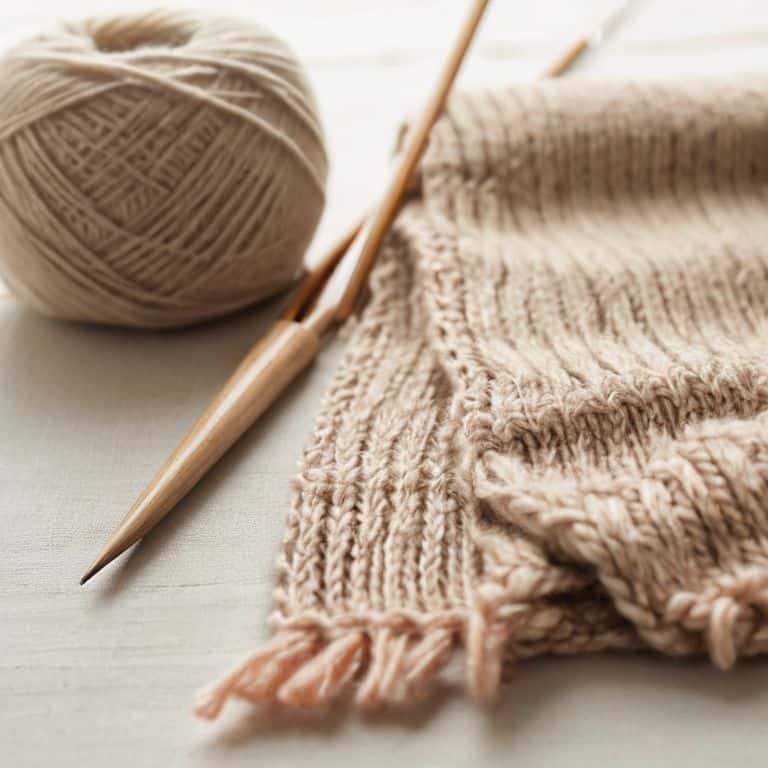
Straight knitting needles, also known as single-pointed needles, are defined as a type of knitting needle with a single point at each end, used for knitting back and forth in rows. The core mechanism of straight needles relies on the knitter to manually turn their work at the end of each row, making them well-suited for projects like scarves, blankets, and flat garments, with the main selling point being their versatility and ease of use. This feature is particularly appealing to beginners, as straight needles are often the first type of needle they encounter, and they allow for a straightforward, row-by-row approach to knitting.
In my experience, straight needles offer a unique benefit that circular needles can’t replicate: the ability to work on flat projects with precision. Many of my students enjoy the tactile experience of working with straight needles, and they appreciate the control and accuracy they provide when knitting complex patterns or colorwork. As an instructor, I appreciate how straight needles allow students to develop their skills in a more methodical and deliberate manner, which can be incredibly rewarding and help build confidence in their knitting abilities.
Head-to-Head Comparison: Circular vs Straight Knitting Needles
| Feature | Circular Knitting Needles | Straight Knitting Needles |
|---|---|---|
| Price | Moderate to High | Low to Moderate |
| Key Feature | Flexible, allows for knitting in the round | Rigid, best for back and forth knitting |
| Best For | Sweaters, hats, socks | Scarves, blankets, flat projects |
| Portability | High, compact | Low, can be bulky |
| Learning Curve | Moderate, requires understanding of circular knitting | Low, straightforward |
| Project Versatility | High, can knit a variety of projects | Moderate, limited by straight design |
| Comfort | High, reduces strain on hands and wrists | Moderate, can cause strain for large or complex projects |
Circular vs Straight Knitting Needles
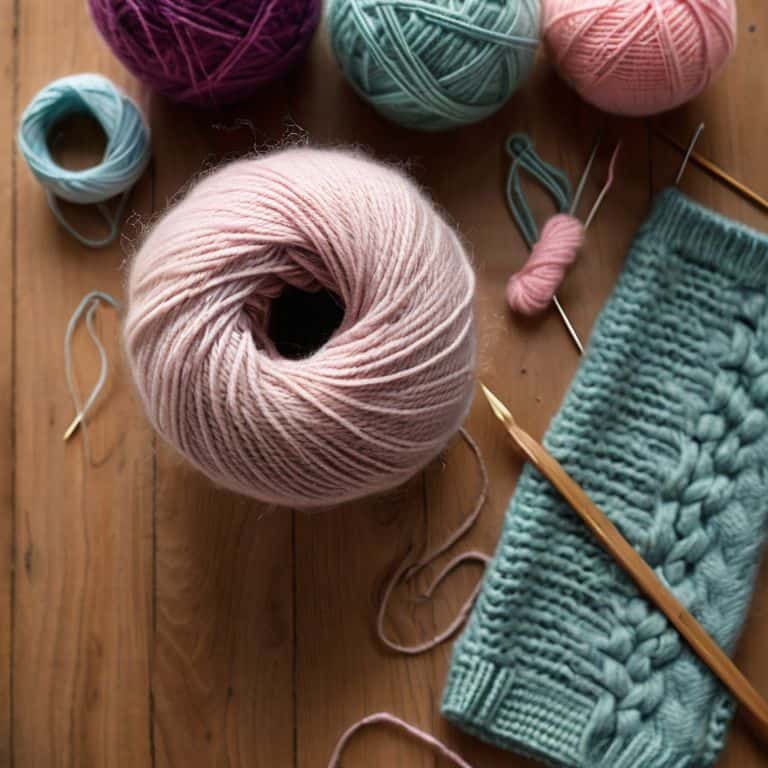
As we delve into the world of knitting, it’s essential to understand the significance of choosing the right needles. The type of needle used can make a substantial difference in the overall knitting experience, and when it comes to circular vs straight knitting needles, this decision can greatly impact the success of your project.
When comparing circular and straight knitting needles, we must consider how they perform in terms of ease of use. Circular needles are ideal for projects that require knitting in the round, such as hats and sleeves, as they allow for a more fluid motion. On the other hand, straight needles are better suited for projects that require knitting back and forth, like scarves and blankets, as they provide more control over the fabric.
In a head-to-head comparison, circular needles have an edge when it comes to portability and convenience, as they are often more compact and easier to manage. Straight needles, however, offer more precision and are often preferred by experienced knitters who value the control they provide.
In conclusion, when it comes to circular vs straight knitting needles, circular needles are the clear winner in terms of versatility and ease of use, making them an excellent choice for beginners and experienced knitters alike.
Key Takeaways for a Stress-Free Knitting Experience
Choose circular knitting needles for projects that require working in the round, such as hats, sleeves, or socks, to avoid seams and ensure a professional finish
Select straight knitting needles for projects like scarves, blankets, or flat pieces that don’t require shaping, to enjoy a more traditional knitting experience
Consider your personal preference, skill level, and the specific requirements of your project when deciding between circular and straight knitting needles to ensure a enjoyable and successful knitting journey
Embracing the Right Tool
The choice between circular and straight knitting needles is not just about the shape, but about the story you want your stitches to tell – one of ease, versatility, and precision, or of tradition, simplicity, and charm.
Beatrice "Bea" Quinn
The Final Verdict: Which Should You Choose?
As we’ve explored the world of circular and straight knitting needles, it’s clear that both have their own set of advantages and disadvantages. The key to choosing between the two lies in understanding your personal knitting style, the type of projects you undertake, and your level of comfort with each type of needle. For instance, circular needles offer more flexibility and are ideal for knitting in the round, while straight needles provide a more traditional knitting experience and are suitable for patterns that require shaping.
Ultimately, the choice between circular and straight knitting needles depends on the type of user you are. If you’re a beginner who wants to start with simple scarves or hats, straight needles might be the better choice. However, if you’re looking to tackle more complex projects like socks or sleeves, circular needles are the way to go. As a craft instructor, I recommend starting with circular needles for their versatility and ease of use, but it’s essential to remember that both types of needles have their own unique benefits and can be useful in different situations.
Frequently Asked Questions
What are the main differences in terms of project versatility between circular and straight knitting needles?
Let’s dive into project versatility. Circular needles shine with garments like sweaters and socks, where shaping and seaming are involved. Straight needles, on the other hand, are perfect for flat projects like scarves, hats, and blankets, where you work back and forth in rows. This fundamental difference will help you choose the right tool for your next knitting adventure.
How do circular and straight knitting needles compare in terms of comfort and ergonomics for extended knitting sessions?
When it comes to comfort and ergonomics, circular needles often win out for extended sessions. Their design allows for a more relaxed grip and reduced strain on your hands and wrists, making them ideal for marathon knitting sessions. In contrast, straight needles can cause fatigue and discomfort, especially for those with smaller hands or arthritis.
Can I use circular knitting needles for projects that typically require straight needles, and vice versa?
While it’s technically possible to use circular needles for straight-needle projects, and vice versa, it’s not always the best choice. Circular needles are ideal for projects that require working in the round, like hats or sleeves, whereas straight needles are better suited for back-and-forth knitting, like scarves or flat pieces. However, with a little creativity and adjustment, you can make it work – let me show you how.
