
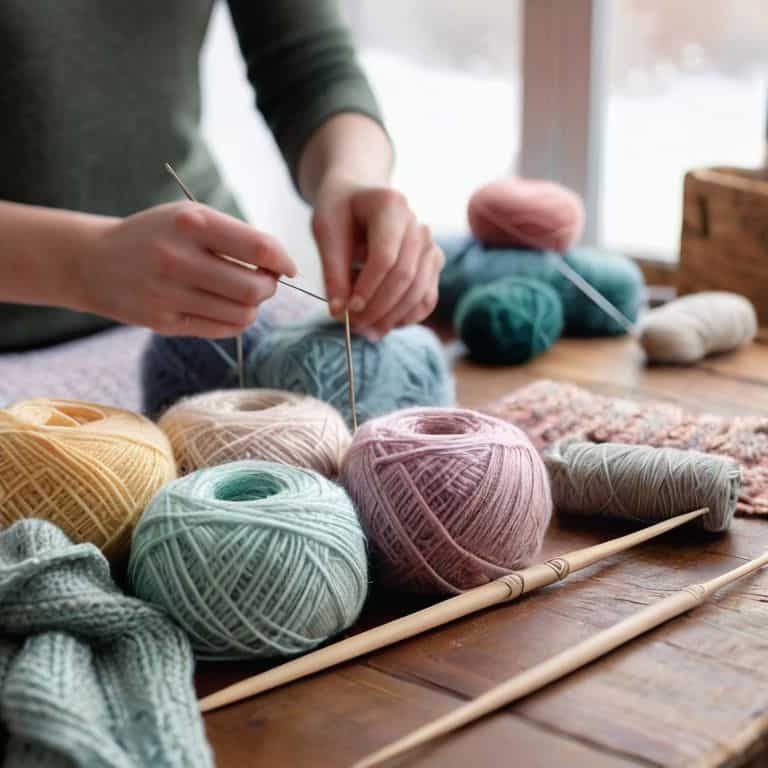
I still remember the first time I tried to choose knitting needles – I was overwhelmed by the numerous options and ended up with a pair that was completely wrong for my project. I had to learn the hard way that how to choose knitting needles is not just about picking any old pair, but about understanding the specific needs of your yarn and pattern. As a former librarian and now a full-time craft instructor, I’ve seen many beginners struggle with this very same issue. It’s a common myth that choosing the right knitting needles is a matter of trial and error, but I’m here to tell you that with a few simple guidelines, you can make an informed decision.
In this article, I’ll walk you through the process of selecting the perfect knitting needles for your next project. I’ll share my own experiences, tips, and tricks to help you navigate the world of knitting needles with confidence. You’ll learn how to consider factors like yarn weight, needle material, and project type to make the best choice for your needs. By the end of this guide, you’ll be equipped with the knowledge to choose the right knitting needles every time, and you’ll be well on your way to creating beautiful, professional-looking projects that you’ll be proud to show off. So, let’s get started and take the guesswork out of how to choose knitting needles!
Table of Contents
Guide Overview: What You'll Need
Total Time: 30 minutes to 1 hour
Estimated Cost: $10 – $30
Difficulty Level: Easy
Tools Required
- Ruler for measuring needle length in inches
- Tape Measure for measuring needle circumference in inches
Supplies & Materials
- Knitting Needle Sets in various materials (aluminum, wood, plastic)
- Yarn for testing needle size and type
Step-by-Step Instructions
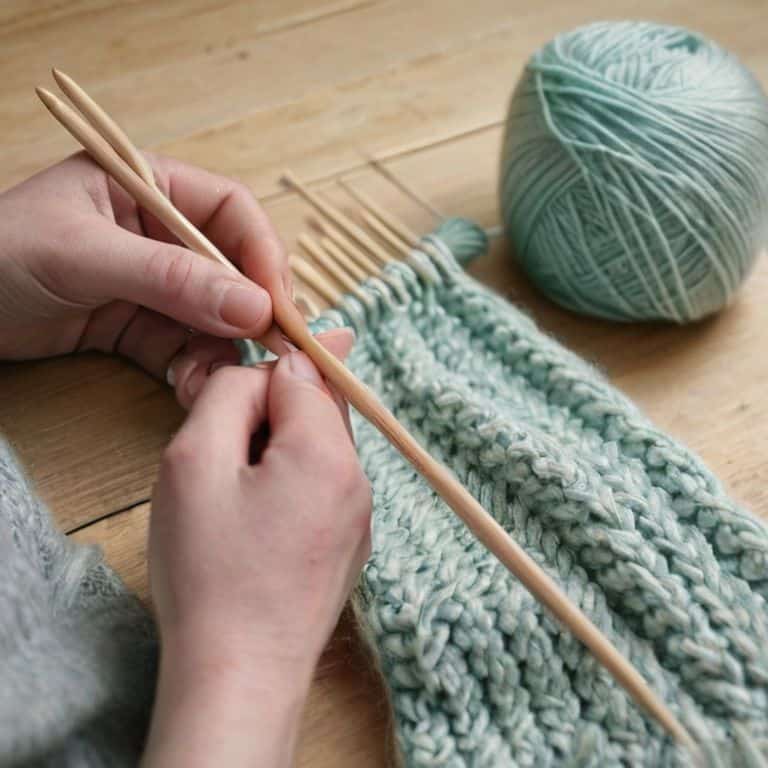
- 1. First, let’s start by understanding the basics of knitting needles. There are several types of needles, including straight, circular, and double-pointed needles. Each type is suited for specific projects, so it’s essential to know which one you need for your particular pattern. Take a few minutes to browse through your pattern or project idea and see if it specifies a particular type of needle.
- 2. Next, consider the material of the needles. Knitting needles can be made from a variety of materials, such as aluminum, wood, or plastic. Some knitters prefer the feel of wooden needles, while others like the durability of aluminum. Think about your personal preference and the type of project you’re working on. For example, if you’re making a delicate lace shawl, you might prefer wooden needles for their smooth, gentle feel.
- 3. Now, let’s talk about needle sizes. Knitting needle sizes can be a bit confusing, but don’t worry, it’s easy to understand once you know the basics. Needle sizes are usually measured in millimeters or inches, and they can vary depending on the type of yarn and project you’re working on. Make a note of the recommended needle size for your project, and don’t be afraid to experiment with different sizes if you need to.
- 4. Another crucial factor to consider is the yarn weight. Different yarns have different weights, and using the wrong needle size can result in a fabric that’s too loose or too tight. Take a look at your yarn label and check the recommended needle size. You can also use a yarn weight chart to help you determine the best needle size for your project.
- 5. Once you have an idea of the type, material, and size of needle you need, it’s time to think about the cable length. If you’re using circular needles, you’ll need to choose a cable length that’s suitable for your project. A longer cable length can be useful for larger projects, while a shorter cable length is better for smaller projects like hats or sleeves.
- 6. Now, let’s not forget about the tips and points of the needles. Some knitters prefer needles with blunt tips, while others like sharp points. Consider the type of project you’re working on and the type of yarn you’re using. For example, if you’re working with a slippery yarn, you might prefer needles with sharp points to help prevent the stitches from falling off.
- 7. Finally, it’s time to try out your needles. Once you’ve narrowed down your options, try knitting a swatch with your chosen needles. This will give you a sense of how the needles feel in your hands and how the fabric will look. Don’t be afraid to experiment and try out different needles until you find the ones that feel just right for you.
How to Choose Knitting Needles
When it comes to selecting the right knitting needles, considering your personal preference is key. As a beginner, you may want to start with aluminum vs wooden knitting needles to see which material feels most comfortable in your hands. I recommend trying out a few different types to get a sense of what works best for you.
In terms of needle size, it’s essential to choose the right one for your project. Knitting needle sizes for beginners can be a bit overwhelming, but don’t worry, it’s easier than you think. A good rule of thumb is to start with a medium-sized needle and adjust as needed. You can always consult a knitting pattern or tutorial for specific guidance on circular knitting needle tips.
As you become more comfortable with knitting, you may want to explore interchangeable knitting needle sets. These sets offer a range of needle sizes and materials, allowing you to experiment with different techniques and projects. When comparing knitting needle material comparison, consider factors such as durability, weight, and ease of use. Remember, the most important thing is to find a needle that feels comfortable and enjoyable to work with.
Aluminum vs Wooden Material Comparison Tips
When it comes to knitting needles, the material can make a big difference. Aluminum needles are lightweight, durable, and excellent for beginners. They’re also often less expensive than wooden ones. On the other hand, wooden needles have a warm, natural feel and can be easier on the hands for those with arthritis or other sensitivities. I personally love using wooden needles for intricate projects, as they seem to glide effortlessly through the yarn.
For a beginner, I recommend starting with aluminum needles to get a feel for the craft. However, if you find you’re sensitive to cold or prefer a more organic feel, wooden needles are definitely worth considering. Ultimately, the choice between aluminum and wood comes down to personal preference and the specific project you’re working on.
Knitting Needle Sizes for Beginners Guide
When it comes to knitting needle sizes, it can be overwhelming, especially for beginners. Let’s simplify it: needle sizes are usually measured in inches or millimeters, and they range from very small (000) to very large (50). As a beginner, you’ll likely start with mid-range sizes, such as 7, 8, or 9. These sizes are perfect for most scarf, hat, and blanket projects.
To choose the right size, consider the type of yarn you’re using and the project you’re making. Thicker yarns require larger needles, while thinner yarns need smaller ones. Don’t worry if this seems confusing – it’s easy to get the hang of it with practice. Just remember, the right needle size will make your stitches even and comfortable to work with.
My Top 5 Tips for Choosing the Perfect Knitting Needles
- Consider Your Project: Think about the type of project you’re making – is it a lacy scarf or a thick sweater? Different projects require different needle sizes and materials.
- Know Your Yarn: The weight and fiber of your yarn will help determine the best needle size and material for your project. Take a closer look at your yarn label for guidance.
- Think About Your Hands: If you have arthritis or hand pain, you may prefer needles with a comfortable grip or a lighter weight. Don’t be afraid to try out different options to see what works best for you.
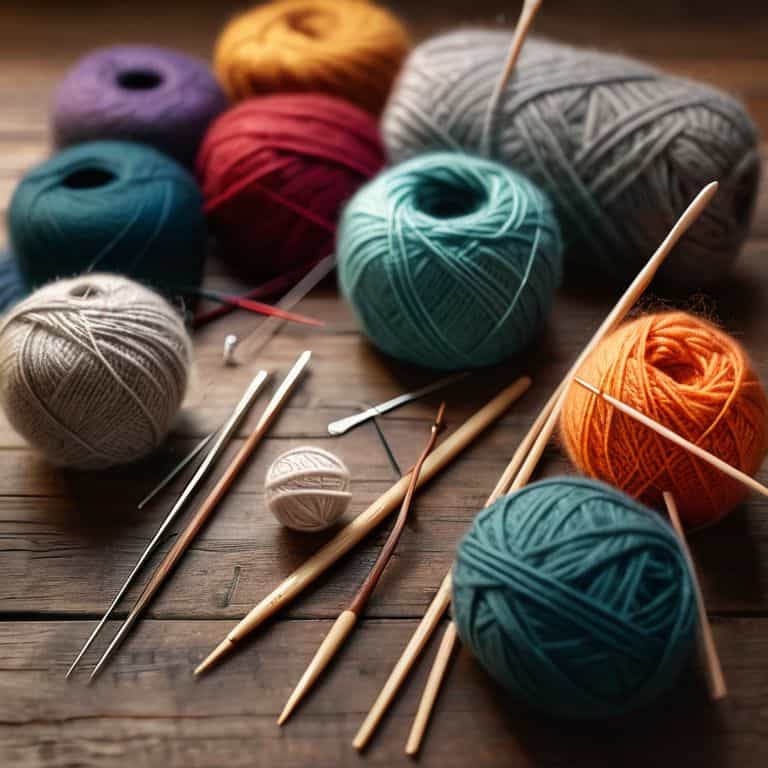
- Material Matters: Aluminum, wood, or plastic – each material has its own unique benefits. Consider factors like durability, cost, and personal preference when making your decision.
- Practice Makes Perfect: Don’t be discouraged if it takes a few tries to find the right needles for you. Experiment with different sizes and materials until you find what works best for your knitting style and project.
Key Takeaways for Choosing the Perfect Knitting Needles
Understand your knitting project’s requirements to select the right needle size, considering factors like yarn weight, fiber type, and desired fabric density
Consider the pros and cons of different materials, such as aluminum, wood, or plastic, to find the needles that best suit your comfort, skill level, and personal preference
Remember, the key to comfortable and enjoyable knitting is finding the right balance between needle size, material, and your personal knitting style, so don’t be afraid to experiment and try out different options
The Key to Knitting Bliss
Choosing the right knitting needles is not just about the size or material, it’s about finding the perfect companion for your creative journey – one that fits comfortably in your hand and brings joy to your stitches.
Beatrice "Bea" Quinn
Conclusion: You're Ready to Cast On
As we’ve worked through this guide on how to choose knitting needles, I hope you’ve seen that it’s really all about finding the right tools to match your unique needs and preferences. We’ve covered the basics of knitting needle sizes, explored the differences between aluminum and wooden needles, and discussed how to make an informed decision when it comes to selecting the perfect pair for your next project. By breaking down the process into simple, manageable steps, you’re now equipped with the knowledge to confidently choose the right knitting needles for your skill level and the type of project you want to tackle.
So, go ahead and get excited about your next knitting adventure! Remember, the key to success lies in taking it one step at a time and being patient with yourself as you learn and grow. Don’t be afraid to experiment with different types of needles and yarns – it’s all part of the journey, and I’m thrilled to have been a part of helping you get started. Happy knitting, and I look forward to seeing the beautiful things you create!
Frequently Asked Questions
What are the pros and cons of using circular knitting needles for beginners?
Let’s dive into circular knitting needles! For beginners, the pros include easy handling and no risk of dropped needles. However, they can be overwhelming with all the cables and parts. I recommend starting with a short, fixed cable to get comfortable, then exploring other options as you gain confidence.
How do I determine the correct knitting needle size for a specific yarn weight?
To determine the correct knitting needle size, let’s break it down. First, check your yarn label for the recommended needle size range. Then, consider the type of project you’re making – loose and drapey or tight and dense? Match the yarn weight to the needle size using a trusty needle size chart, and you’ll be all set!
Can I use knitting needles made from other materials, such as plastic or bamboo, and what are their advantages and disadvantages?
Absolutely, you can explore other materials like plastic or bamboo knitting needles. Plastic ones are often lightweight and affordable, while bamboo needles are eco-friendly and warm to the touch. However, plastic can be prone to flexing, and bamboo may be more expensive. Let’s weigh these pros and cons together to find the perfect fit for you.
