
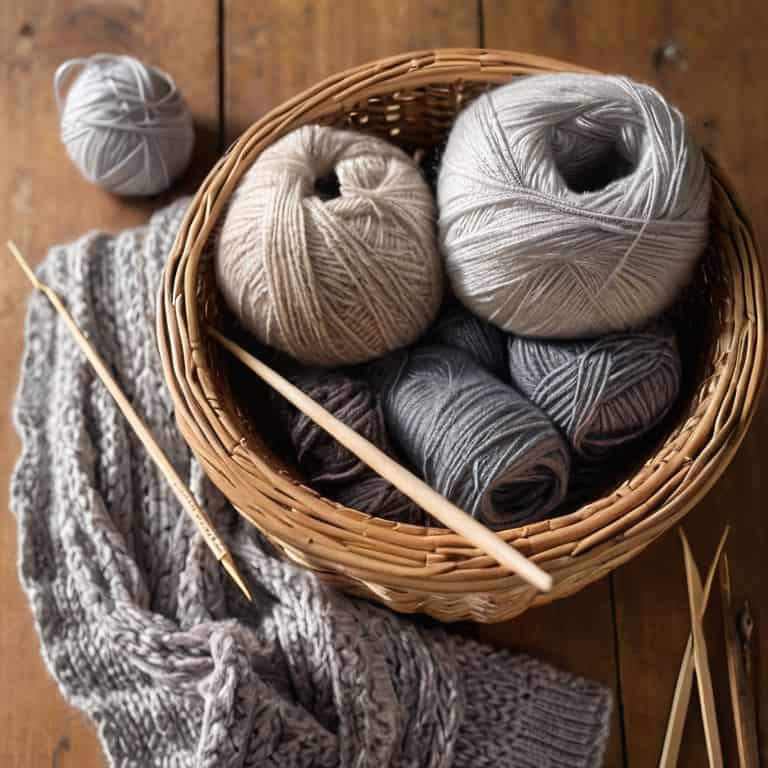
As a seasoned maker, I’ve lost count of how many times I’ve been asked about the wood vs metal knitting needles debate. It seems like every beginner is faced with this daunting decision, and even experienced crafters can’t help but wonder if they’re using the best tool for the job. I’ve been there too, standing in my yarn store, staring at the rows of needles and wondering which ones would make the cut. But after 15 years of testing, experimenting, and creating with both types, I can confidently say that the choice between wood and metal is not just about personal preference – it’s about understanding the unique characteristics of each material.
In this article, I promise to give you the no-nonsense truth about wood vs metal knitting needles. I’ll share my hands-on experience, gathered from years of working with both types, to help you make an informed decision. From the tactile feel of wood to the speed and efficiency of metal, I’ll cover it all. My goal is to provide you with practical, experience-based advice that will help you choose the best needles for your next project, whether you’re a beginner or a seasoned pro.
Table of Contents
Wood Knitting Needles
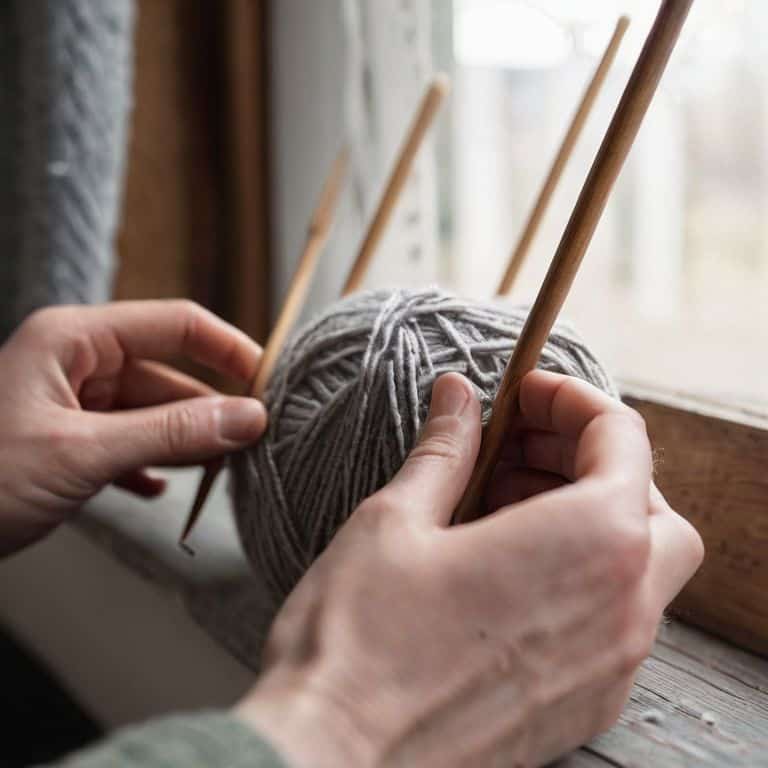
Wood knitting needles are a type of needle made from natural wood materials, with a core mechanism that relies on the smoothness and durability of the wood to facilitate easy stitch sliding and minimal friction. The main selling point of wood knitting needles is their ability to provide a warm, comfortable grip, which can reduce fatigue and strain on the hands during extended knitting sessions, making them an attractive option for those who value ergonomic handling.
In my experience, wood knitting needles have been a game-changer for projects that require precision and control, such as intricate lace patterns or complex cables. I’ve found that the natural texture of the wood seems to grip the yarn just right, preventing splits and drops, and allowing for a more even tension. This, in turn, has resulted in a more professional-looking finish, which is essential for any serious maker looking to create high-quality, long-lasting pieces that will withstand the test of time.
Metal Knitting Needles
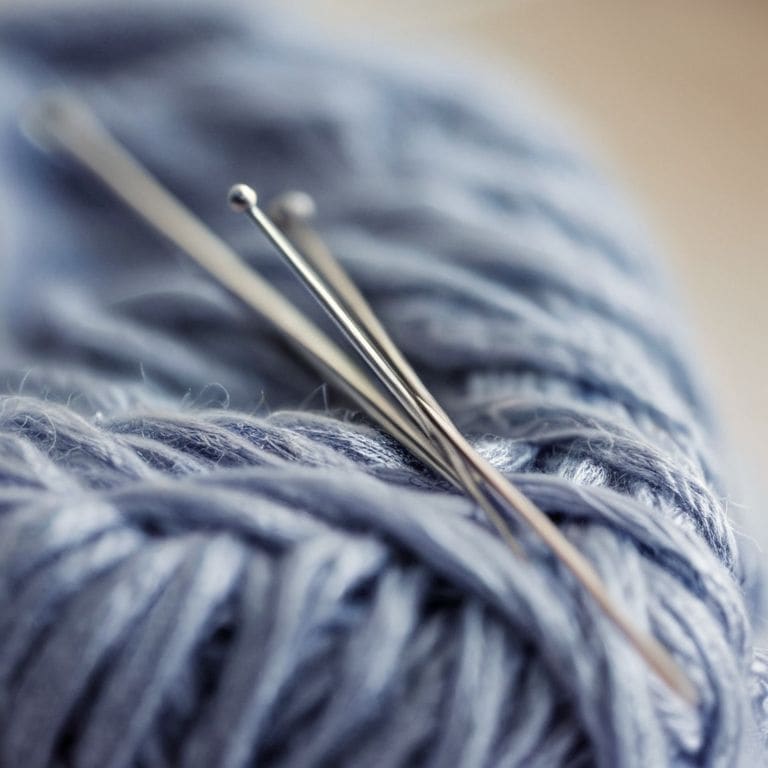
Metal knitting needles are made from various metal alloys, featuring a core mechanism that utilizes the strength, durability, and smoothness of the metal to enable fast and efficient knitting. The primary advantage of metal knitting needles lies in their speed and efficiency, as they allow for quick stitch pickup and minimal resistance, making them ideal for large, complex projects or for knitters who value productivity.
As someone who’s spent years testing and comparing different types of needles, I can attest that metal knitting needles offer a unique combination of strength and agility, making them perfect for projects that require both speed and precision. I’ve used metal needles for everything from bulking knitting large blankets to creating intricate, beaded lace shawls, and I can confidently say that they’ve become an essential tool in my knitting arsenal, providing the perfect balance of performance and versatility.
Head-to-Head Comparison: Wood vs Metal Knitting Needles
| Feature | Wood | Metal |
|---|---|---|
| Price | Moderate ($5-$15) | Varies ($5-$30) |
| Key Feature | Warm to the touch, lightweight | Durable, smooth, and fast |
| Best For | Beginners, those with arthritis | Experienced knitters, intricate patterns |
| Durability | Less durable, prone to splintering | Highly durable, resistant to wear |
| Grip | Natural grip, less slippery | May require grip aids, can be slippery |
| Weight | Lightweight | Variable, can be heavy |
| Sound | Quiet | Clicking sound while knitting |
Wood vs Metal Knitting Needles
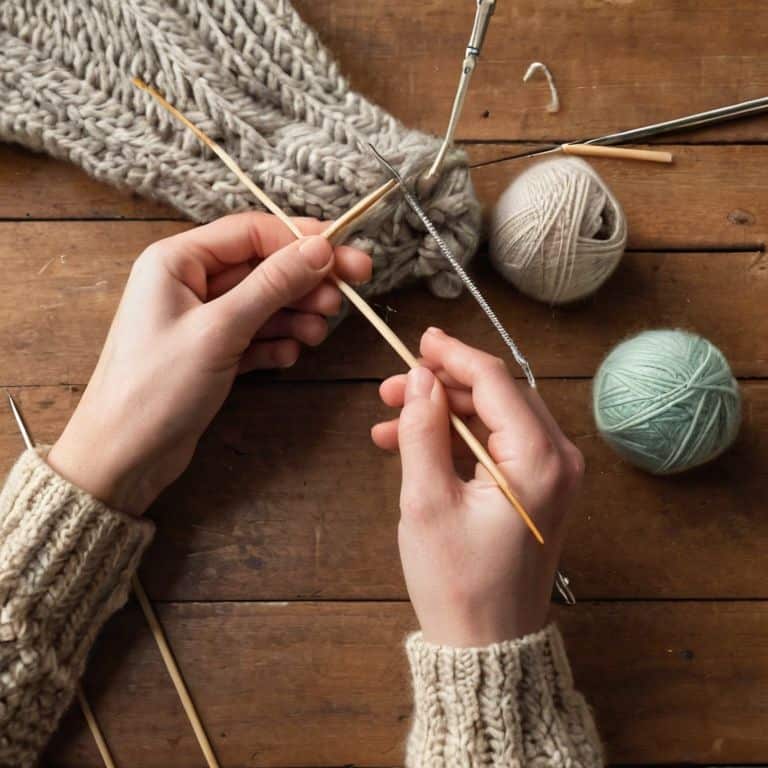
When it comes to wood vs metal knitting needles, the material’s impact on the knitting experience is a crucial consideration. The reason this matters is that the right needles can make a project enjoyable and stress-free, while the wrong ones can lead to frustration and disappointment. As someone who’s spent years testing various needles, I can attest that the difference is not just about personal preference, but also about the practical implications of each material.
In a head-to-head analysis, wood and metal knitting needles perform differently in terms of tactile experience. Wood needles, such as those made from rosewood or ebony, provide a warm and gentle feel in the hand, which can be beneficial for knitters who prefer a more organic connection to their craft. On the other hand, metal needles offer a smooth, consistent performance that can help knitters maintain a steady pace.
In contrast, metal needles are often preferred by knitters who value speed and efficiency, as they allow for quicker stitch formation and less friction. However, wood needles have their own advantages, such as being quieter and less likely to cause fatigue. After careful consideration, I declare metal needles the winner in this category, as their overall performance and durability make them a better choice for most knitters.
Key Takeaways: Wood vs Metal Knitting Needles
I’ve found that wood needles are generally better suited for beginners or those who prefer a warmer, more tactile knitting experience, while metal needles are ideal for speed and precision, especially with finer yarns
Durability is a major consideration, with metal needles being more resistant to wear and tear, but wood needles can be just as long-lasting if properly cared for, and their gentler click can reduce fatigue over long knitting sessions
Ultimately, the choice between wood and metal knitting needles comes down to personal preference, project requirements, and budget – as a seasoned maker, I recommend having both types in your toolkit to tackle a wide range of yarns and techniques with confidence
The Verdict from a Veteran Maker
For me, the choice between wood and metal knitting needles isn’t just about personal preference, but about the subtle dance between the yarn, the needles, and the maker’s hand – and I’ve found that the right choice can elevate a project from merely lovely to truly timeless.
Audrey Vance
The Final Verdict: Which Should You Choose?
After thoroughly comparing wood and metal knitting needles, it’s clear that both have their unique advantages and disadvantages. The durability of metal needles is unparalleled, making them a great choice for heavy projects or those that require a lot of tension. On the other hand, wood needles offer a warmth and tactile experience that many makers swear by, providing a more comfortable knitting experience. Ultimately, the decision between wood and metal comes down to your personal preference and the specific needs of your project.
When it comes to declaring an overall winner, I have to say that metal needles are the way to go for serious makers who value speed and efficiency. However, wood needles are perfect for those who prioritize a more organic and meditative knitting experience. If you’re a beginner, I recommend starting with wood needles to get a feel for the craft, but if you’re working on a large or complex project, metal needles are the better choice. By choosing the right type of needle for your needs, you’ll be able to create beautiful, lasting pieces that you’ll treasure for years to come.
Frequently Asked Questions
How do wood and metal knitting needles differ in terms of grip and comfort for extended knitting sessions?
For me, grip and comfort are make-or-break factors, especially during marathon knitting sessions. I’ve found that wood needles tend to provide a warmer, more gentle grip, while metal ones can be slippery, especially with sweaty hands. However, some metal needles have a subtle texture that helps prevent dropping stitches.
Can wood knitting needles be as durable as metal ones, or are they more prone to wear and tear?
In my experience, wood needles can be surprisingly durable, but they do require more care. I’ve found that high-quality wood needles, like those made from dense hardwoods, can withstand regular use, but may still be more prone to wear and tear than metal ones, especially if not properly maintained.
Do the different materials affect the stitch quality or tension in a finished project, and if so, how?
In my experience, the material of the knitting needles can indeed impact stitch quality and tension. I’ve found that metal needles tend to produce a more uniform stitch, while wood needles can create a slightly more relaxed fabric, especially with certain yarns.
