
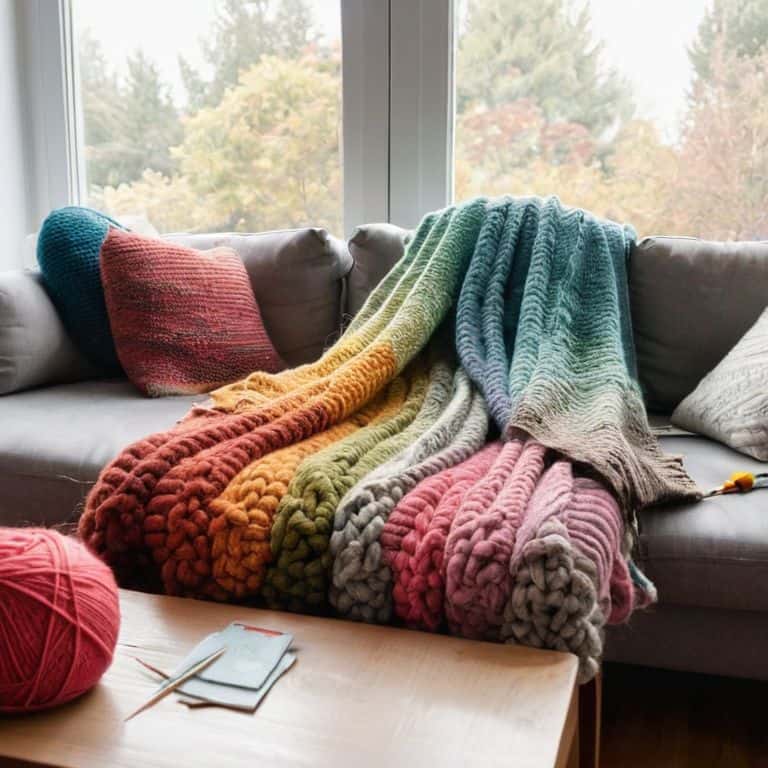
As I sit here surrounded by balls of yarn and half-finished projects, I’m reminded of the joy that comes with learning how to knit a blanket. It’s a journey that can seem daunting at first, but trust me, the end result is well worth the effort. I’ve heard many people say that knitting a blanket is a tedious and time-consuming task, but I’m here to tell you that it’s quite the opposite. With the right mindset and a few simple tips, you can create something truly beautiful and cozy.
In this article, I’ll share my personal approach to knitting a blanket, and provide you with practical advice on how to get started. You’ll learn how to choose the perfect yarn, select the right needles, and create a blanket that’s both stylish and warm. I’ll also share some of my favorite tips and tricks for making the process enjoyable and stress-free. Whether you’re a beginner or an experienced knitter, my goal is to provide you with the confidence and knowledge you need to create a blanket that you’ll treasure for years to come. So, let’s get started on this cozy adventure together!
Table of Contents
Guide Overview: What You'll Need
Total Time: 10 hours 30 minutes
Estimated Cost: $50 – $100
Difficulty Level: Intermediate
Tools Required
- Knitting Needles aluminum or wooden, size 10
- Scissors sharp, for cutting yarn
- Tapestry Needle for weaving in ends
- Measuring Tape for measuring work as you go
Supplies & Materials
- Yarn choose your preferred color and type, approximately 1000 yards
- Stitch Markers small, for marking beginning of round or pattern repeats
- Yarn Needle for sewing seams if necessary
Step-by-Step Instructions
- 1. First, let’s start with the foundation of our blanket: choosing the perfect yarn. I always say that the yarn should speak to you, whether it’s the color, the texture, or the way it feels in your hands. For a blanket, you’ll want something that’s soft, cozy, and has a bit of drape to it. Consider a yarn with a mix of natural fibers like wool, alpaca, or cotton.
- 2. Once you’ve selected your yarn, it’s time to think about the needle size. This is where many beginners get tripped up, but don’t worry, it’s easier than you think. A good rule of thumb is to swatch your yarn with a few different needle sizes to see which one gives you the fabric you like best. Remember, the needle size will affect the density of your blanket, so choose wisely.
- 3. Now that we have our yarn and needles, let’s talk about cast-on methods. There are several to choose from, but for a blanket, I recommend using the long-tail cast-on. This method creates a nice, stretchy edge that will be comfortable against your skin. It might take a bit of practice to get the hang of it, but trust me, it’s worth the extra effort.
- 4. With your stitches cast on, it’s time to start knitting. For a simple blanket, you can use a basic garter stitch pattern. This involves knitting every row, which creates a textured, ridge-and-furrow fabric that’s perfect for snuggling up with. Just remember to keep your tension even, as this will affect the overall drape of your blanket.
- 5. As you knit, you’ll want to keep track of your row count. This is especially important if you’re using a pattern or trying to achieve a specific size. I like to use a row counter or a piece of scrap paper to keep track of my progress. Don’t worry if you lose count – it’s easy to frogging (rip out) your work and start again.
- 6. Once you’ve completed the body of your blanket, it’s time to think about the border. This is where you can get creative and add a bit of visual interest to your project. You could use a simple single rib or try something more complex like a cable or lace pattern. Just remember to choose a border that complements the rest of your blanket and doesn’t overwhelm it.
- 7. Finally, it’s time to bind off your blanket. This is the final step, and it’s where you’ll want to make sure your edges are neat and tidy. I recommend using a stretchy bind-off method to ensure that your blanket lies flat and doesn’t pucker. And that’s it – you’ve just knit a beautiful, cozy blanket that’s all your own. Congratulations, you should be incredibly proud of yourself!
Knit Blanket Magic Unfolded
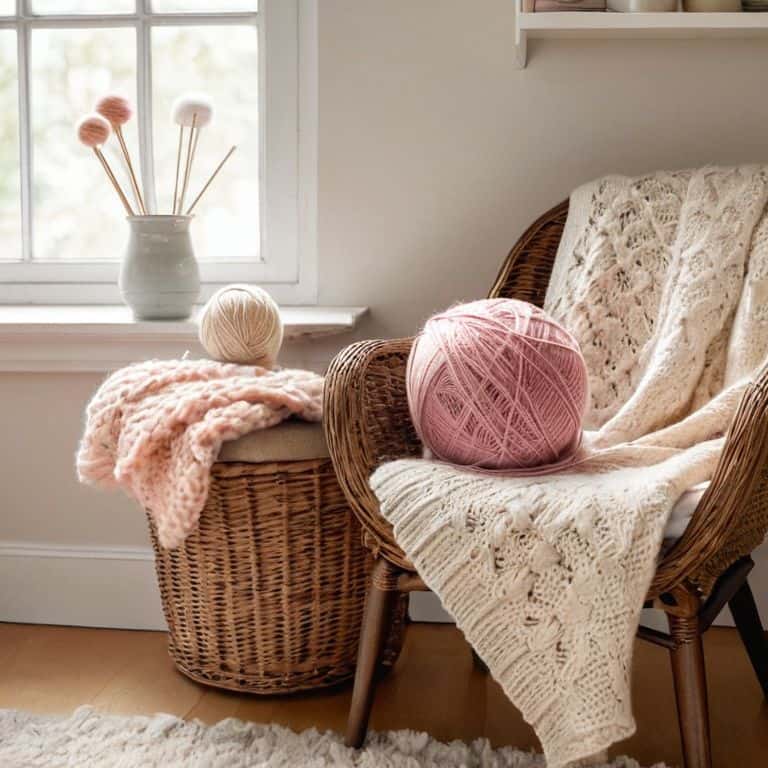
As we delve deeper into the world of blanket knitting, it’s essential to consider the type of yarn that will bring our project to life. I’m particularly fond of working with soft yarns for blankets, as they add a layer of warmth and coziness to our finished pieces. When selecting a yarn, think about the texture and color that will complement your home decor or personal style.
One of my favorite aspects of knitting blankets is the opportunity to experiment with various patterns and designs. Cable knit blanket designs can add a touch of sophistication and visual interest to our projects. For those new to knitting, don’t worry – there are plenty of knitting for beginners tutorials available that can guide you through the process. With a little practice, you’ll be creating beautiful, cozy throw blankets in no time.
As you work on your blanket, remember to have fun and be creative. Consider using a blanket size calculator to ensure your finished project is the perfect size for snuggling up on the couch. If you’re feeling generous, you could even explore free knitting patterns for charity and create a blanket to donate to someone in need. Whatever your approach, the joy of knitting a blanket lies in the process, and I encourage you to embrace the journey and enjoy every stitch.
Cozy Throw Patterns for Beginners
As we dive into the world of cozy throw patterns, I want to share some of my favorite designs perfect for beginners. These patterns are designed to be calming and enjoyable, allowing you to unwind as you create something beautiful. From simple garter stitch to soft, textured moss stitch, these throws are not only easy to make but also a joy to snuggle up with.
For those new to knitting, I recommend starting with a classic garter stitch throw. The repetitive motion of the stitches is meditative, and the result is a beautiful, cozy blanket that’s perfect for chilly evenings. Alternatively, try a moss stitch pattern for a subtle texture that adds depth and visual interest to your throw. Both of these patterns are perfect for practicing your stitches while creating something truly special.
Soft Yarns for Perfect Cable Knits
When it comes to creating perfect cable knits, the right yarn can make all the difference. I adore working with soft, gentle yarns that drape beautifully and showcase the intricate textures of cables. Look for yarns with a high percentage of merino wool, cashmere, or alpaca – these fibers will give your blanket a sumptuous feel and a subtle sheen. For a more rustic look, you could also try a blend of wool and plant fibers like cotton or hemp. Whatever you choose, make sure it’s a yarn that feels lovely in your hands, as this will make the knitting process a true joy.
Weaving Wisdom: 5 Essential Tips for Knitting a Blanket
- Choose a yarn that whispers sweet nothings to your soul, because the right yarn can make all the difference in the world
- Swatch, swatch, swatch – it’s the secret to ensuring your blanket turns out the perfect size, and it’s a great way to get a feel for the yarn and needles
- Don’t be afraid to mix and match patterns and textures, because a little bit of unpredictability can add a lot of charm to your blanket
- Pay attention to the tension in your stitches, because it can affect the overall drape and softness of your blanket – and remember, it’s all about finding a rhythm that feels like you
- Join a knitting community, online or in-person, because sharing your journey with fellow makers can be a powerful way to stay motivated, inspired, and supported every step of the way
Weaving Together the Essentials
Choose a yarn that whispers warmth and comfort to your soul, and don’t be afraid to mix and match colors to create a unique blanket that tells your story
Embracing the rhythm of knit and purl, remember that it’s okay to make mistakes – they’re an opportunity to learn and add character to your handmade blanket
As you wrap yourself and your loved ones in the quiet magic of your finished blanket, recall the journey, the stitches, and the love that went into every row, because that’s what makes it truly special
The Heart of Blanket Knitting
As we knit a blanket, we’re not just weaving rows of yarn, we’re stitching together moments of peace, love, and warmth that will envelop us and our loved ones for years to come.
Clara Meadows
Wrap Yourself in the Joy of Creation
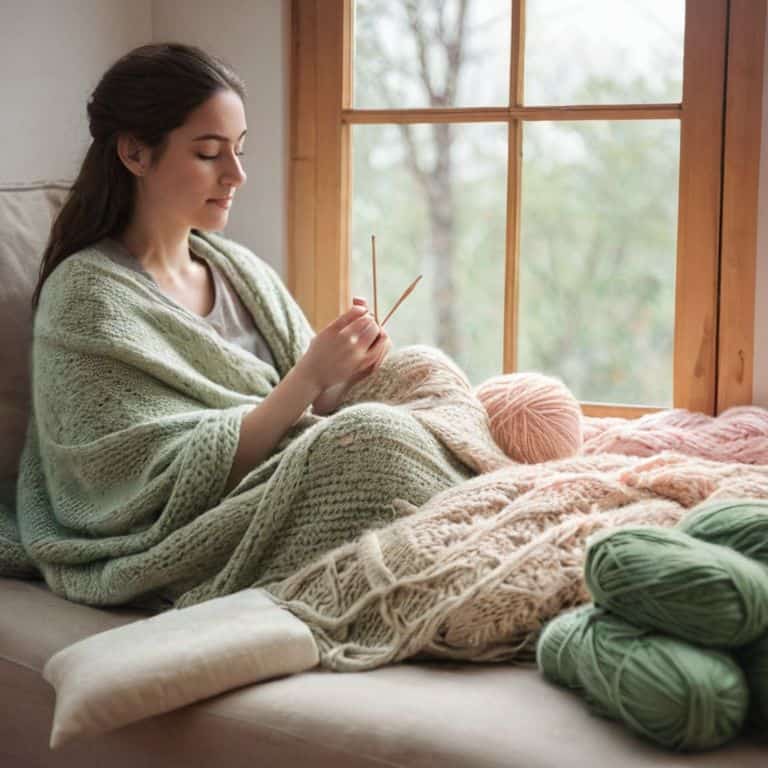
As we come to the end of our journey on how to knit a blanket, let’s take a moment to reflect on the key elements that make this process so special. From selecting the perfect yarn to mastering the cozy throw patterns, every step is an opportunity to infuse your blanket with love and care. Remember, the softness of the yarn, the gentle clickety-clack of the needles, and the warmth of the finished product all combine to create a truly unique and comforting experience. Whether you’re a beginner or an experienced knitter, the art of crafting a blanket is a labor of love that yields a tangible sense of accomplishment and a beautiful piece to snuggle up with.
As you bind off your last stitch and wrap yourself in the quiet magic of your handmade blanket, remember that knitting is not just about creating something warm and beautiful, but also about the journey itself. It’s about the mindfulness, the patience, and the joy that comes from crafting something with your own hands. So, don’t be afraid to experiment, to try new patterns, and to make mistakes – for it’s in these moments that the true beauty of knitting is revealed, and the love that you infuse into every stitch becomes the greatest treasure of all.
Frequently Asked Questions
What type of yarn is best suited for a beginner-friendly blanket knitting project?
For a beginner-friendly blanket, I recommend a soft, medium-weight yarn with good stitch definition. Look for yarns made from natural fibers like merino wool, alpaca, or cotton blends. These yarns are gentle on the hands, easy to work with, and produce a cozy fabric perfect for snuggling up. Acrylic blends are also a great option, offering affordability and durability.
How do I ensure that my blanket lies flat and doesn't curl up at the edges?
To keep your blanket lying flat, try blocking it when you’re done knitting. This involves wetting the blanket, stretching it out to the desired shape, and letting it dry. You can also add a border, like a single rib or a slip stitch edge, to help it lie flat and prevent curling.
What's the most efficient way to join new yarn when I run out of a skein while knitting a large blanket?
When I run out of yarn, I love using the Russian join – it’s a game-changer for large projects like blankets. Simply overlap the old and new yarn ends, then use a tapestry needle to weave them together, securing with a small stitch. It’s nearly invisible and saves you from having to weave in ends later, making the process so much smoother and more enjoyable.
