
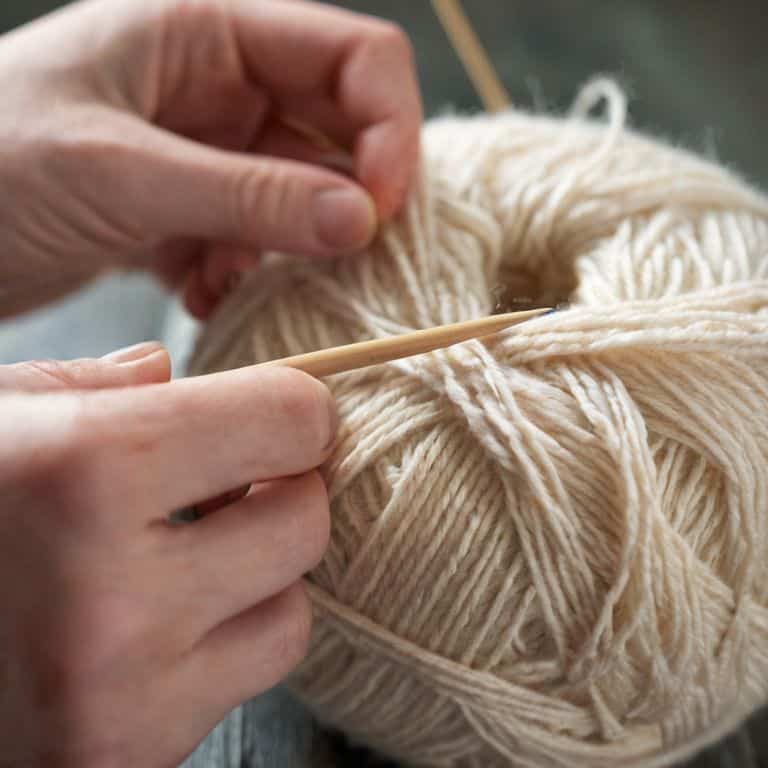
I still remember the first time I tried to learn what is a knitting cast-on. I was excited to start my new project, but the instructions seemed confusing, and I ended up with a tangled mess of yarn. It wasn’t until I found a patient teacher who showed me the simple magic of casting on that I felt confident to start creating. The truth is, understanding what is a knitting cast-on is not as complicated as some tutorials make it out to be. It’s actually a straightforward process that can be mastered with a little practice and patience.
In this article, I’ll share my no-nonsense approach to what is a knitting cast-on, walking you through the steps and offering practical tips to help you get started. You’ll learn how to choose the right method for your project, how to avoid common mistakes, and how to troubleshoot any issues that arise. My goal is to make the process of learning what is a knitting cast-on as enjoyable and rewarding as the actual knitting itself. By the end of this guide, you’ll be well on your way to becoming a confident knitter, ready to take on any project that inspires you.
Table of Contents
Guide Overview: What You'll Need
Total Time: 30 minutes to 1 hour
Estimated Cost: $0 – $10
Difficulty Level: Easy
Tools Required
- Knitting Needles size dependent on project
Supplies & Materials
- Yarn choose a type suitable for the project
Step-by-Step Instructions
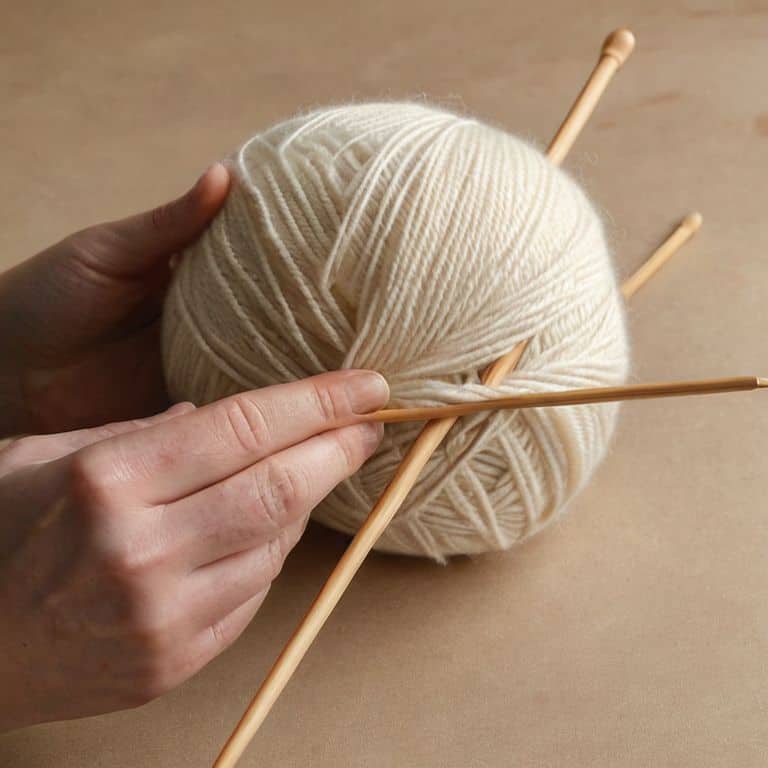
- 1. First, let’s start with the basics: to begin a new knitting project, you’ll need to create a cast-on. This is the foundation of your project, and it’s essential to get it right. Think of it as the first step in bringing your knitting vision to life. Take a moment to choose your yarn and needles, and make sure you have a comfortable and quiet space to work in.
- 2. Next, you’ll need to create a slipknot on one of your needles. To do this, hold the yarn in one hand, make a loop with the yarn, and then hook the needle through the loop. Pull the yarn gently to tighten the knot, but not too tight – you want to be able to slide it off the needle easily. This might take a little practice, so don’t worry if it doesn’t come out perfectly at first.
- 3. Now it’s time to start the cast-on process. You can use either the long-tail cast-on or the knitted cast-on method – both are popular and easy to learn. For this example, let’s use the long-tail cast-on. To start, create a slipknot on one of your needles, and then hold the yarn in your non-dominant hand, with the end of the yarn closest to your body.
- 4. Take the needle in your dominant hand, and insert the tip of the needle into the stitch closest to the slipknot. You’ll see a small loop form – this is the beginning of your cast-on. Gently pull the yarn to create a small stitch, and then repeat the process, moving the needle to the next stitch. Remember to keep your tension even, as this will affect the fit of your finished project.
- 5. As you continue the cast-on process, you’ll start to see the foundation row take shape. This is the row of stitches that will form the base of your project, so take your time and make sure each stitch is even and consistent. If you find that your stitches are too tight or too loose, don’t worry – you can always adjust them as you go.
- 6. Once you’ve completed the cast-on, take a moment to count your stitches and make sure you have the correct number. This is an important step, as it will affect the fit and shape of your finished project. If you find that you have too few or too many stitches, you can always adjust the cast-on and try again.
- 7. Finally, take a deep breath and begin knitting! You’ve successfully completed the cast-on, and now it’s time to start creating your project. Remember to take your time, and don’t be afraid to make mistakes – they’re all part of the knitting journey. As you knit, pay attention to your tension and the texture of the yarn, and enjoy the process of bringing your vision to life.
What Is a Knitting Cast on
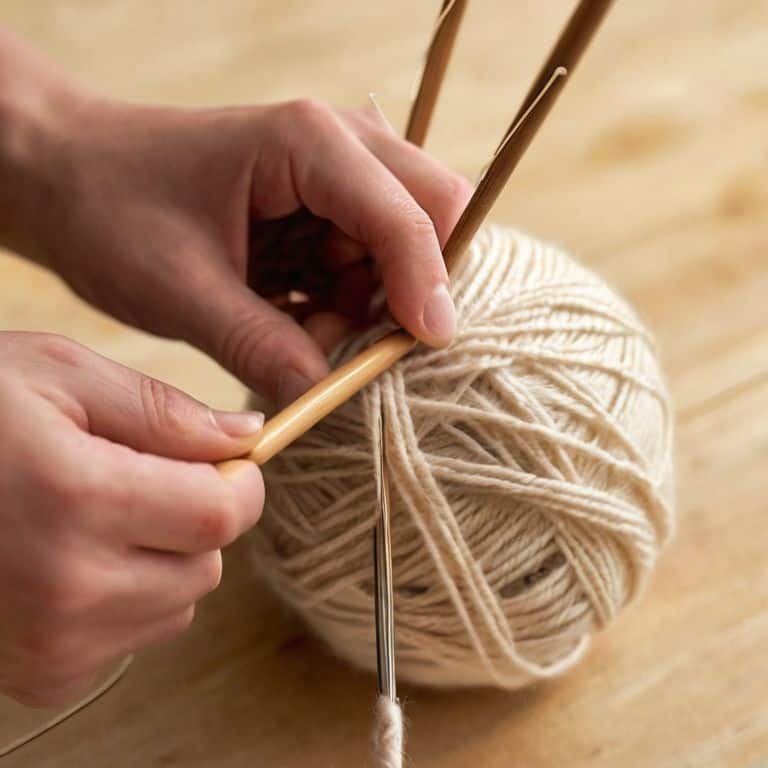
As we delve deeper into the world of knitting, it’s essential to understand the various knitting cast on methods that can make or break your project. The long tail cast on and knitted cast on are two popular techniques that serve as the foundation for your knitting journey. When choosing a cast on method, consider the type of project you’re working on, as well as the yarn and needles you’re using. For instance, the long tail cast on is ideal for scarf knitting, as it creates a clean and stretchy edge.
When it comes to types of knitting cast on, it’s crucial to select the right one for your project to ensure a professional finish. The double knitting cast on technique, for example, is perfect for creating a reversible fabric. However, it can be a bit tricky for beginners, so it’s essential to practice and watch knitting for beginners tutorials to get a feel for it. By mastering different cast on methods, you’ll be able to tackle a wide range of projects with confidence.
To avoid common mistakes in knitting cast on, make sure to pay attention to your tension and stitch count. It’s easy to get carried away with the excitement of starting a new project, but taking the time to get your cast on just right will save you frustration in the long run. By following these tips and practicing regularly, you’ll be well on your way to becoming a skilled knitter, and your finished projects will reflect the care and attention you’ve put into them, with a beautiful, even edge that sets your work apart.
Avoiding Common Cast on Mistakes
As we explore the world of cast-on methods, it’s just as important to discuss the common pitfalls to avoid. One of the most frequent mistakes is twisting the cast-on stitches, which can lead to a misshapen or uneven fabric. To avoid this, make sure to keep your stitches relaxed and even as you cast on. Another mistake is pulling the yarn too tightly, which can cause the stitches to pucker or become distorted.
By being mindful of these potential errors, you can ensure a smooth and enjoyable knitting experience. Remember, the cast-on is the foundation of your project, and taking the time to get it right will pay off in the long run. With a little practice and patience, you’ll be casting on like a pro in no time, and your knitting journey will be filled with joy and beautiful, handmade creations.
Knitting Cast on Methods Unveiled
As I delve into the world of knitting cast-on methods, I’m reminded of the countless hours I’ve spent perfecting my technique. There are several methods to choose from, each with its own unique characteristics. The long-tail cast-on, for instance, is a popular choice among knitters due to its flexibility and versatility. It creates a stretchy edge that’s perfect for garments that require a bit of give, such as hats and sleeves. On the other hand, the knitted cast-on is a great option for beginners, as it’s easy to learn and works well for projects that require a bit of texture, like scarves and blankets.
I love exploring the different cast-on methods and discovering which ones work best for specific projects. Whether you’re a seasoned knitter or just starting out, understanding the various cast-on methods can elevate your knitting game and add a touch of personality to your creations.
Weaving Wisdom: 5 Essential Tips to Master the Knitting Cast-On
- Choose the right cast-on method for your project, considering factors like stitch type, yarn weight, and personal preference to ensure a comfortable and enjoyable knitting experience
- Pay attention to tension when casting on, as it can affect the overall fit and drape of your finished garment – aim for a smooth, even flow that’s not too tight or too loose
- Use the correct needles for the job, selecting a size that complements your yarn and cast-on method to prevent frustration and ensure a professional-looking finish
- Don’t be afraid to experiment with different cast-on techniques, from the long-tail method to the knitted cast-on, to find what works best for you and your unique knitting style
- Take your time and be patient when casting on, remembering that this foundational step sets the stage for a successful and satisfying knitting journey – breathe, relax, and let the yarn flow through your fingers
Bringing It All Together: Key Takeaways for a Magical Cast-On
As you embark on your knitting journey, remember that the cast-on is the foundation of your project, and choosing the right method can make all the difference in the world.
By understanding the different cast-on techniques and practicing them, you’ll not only avoid common mistakes but also develop a sense of knitting intuition that will guide you through even the most complex patterns.
Whether you’re a beginner or an experienced knitter, the key to a successful cast-on lies in patience, practice, and a willingness to experiment with different methods until you find the one that feels most like magic to you.
The Heart of Knitting
A knitting cast-on is more than just a technical step – it’s the whispered promise of a new creation, the gentle awakening of yarn and needles, and the first tender touch of a maker’s hands bringing a vision to life.
Clara Meadows
Weaving It All Together
As we’ve explored the world of knitting cast-ons, it’s clear that mastering this fundamental technique is key to unlocking a world of creative possibilities. From the simplest scarf to the most intricate sweater, every project begins with this crucial step. We’ve delved into the main cast-on methods, discussed how to avoid common mistakes, and walked through step-by-step guides to help you feel confident in your abilities. Whether you’re a seasoned knitter or just starting out, remembering that practice makes perfect and that it’s okay to make mistakes is essential.
As you put down your needles and admire your latest creation, remember that knitting is not just about the end result, but about the journey of creation. It’s about the feel of the yarn between your fingers, the sound of the needles clicking, and the sense of calm that washes over you as you work. So, take a deep breath, pick up your yarn, and let the gentle rhythm of knitting transport you to a place of serenity and joy.
Frequently Asked Questions
What are the most common knitting cast-on methods for beginners?
For beginners, I recommend starting with the Long-Tail Cast On or the Knitted Cast On – both are gentle on the hands and create a lovely, even edge. The Single Cast On is another great option, perfect for those new to knitting. These methods are easy to learn and will set you up for success as you start your knitting journey.
How do I choose the right cast-on method for my specific knitting project?
Choosing the right cast-on method is all about considering your project’s unique needs. Think about the type of yarn, the stitch pattern, and the overall vibe you’re aiming for. For example, the long-tail cast-on is perfect for socks and hats, while the cable cast-on works beautifully for chunky scarves. Experiment with different methods to find the one that feels just right for your creation.
Can I fix a knitting project if I've made a mistake during the cast-on process?
Don’t worry, my friend, mistakes happen. If you’ve made an error during cast-on, it’s often possible to fix it. You can try gently unraveling the stitches or using a needle to carefully pick out the mistake. If it’s a more significant issue, you might need to start over, but don’t be discouraged – it’s all part of the knitting journey.
