
As I sit here surrounded by balls of yarn, half-finished scarves, and scribbled notes, I’m reminded of the joy that comes with how to design a knitting pattern. It’s a process that’s often shrouded in mystery, with many believing it requires a degree in mathematics or a genius-level understanding of fiber arts. But the truth is, designing a knitting pattern is more about intuition and creativity than it is about complex calculations. I’ve lost count of how many times I’ve been asked to share my secrets, and I’m excited to finally put my thoughts into words.
In this article, I’ll be sharing my personal approach to designing knitting patterns, from conceptualization to completion. You can expect practical tips and honest advice on how to bring your ideas to life, without getting bogged down in unnecessary complexity. Whether you’re a seasoned knitter or just starting out, my goal is to empower you with the knowledge and confidence to create something truly unique and beautiful. So, let’s get started on this journey together, and discover the joy of designing our own knitting patterns, one stitch at a time!
Table of Contents
Guide Overview: What You'll Need
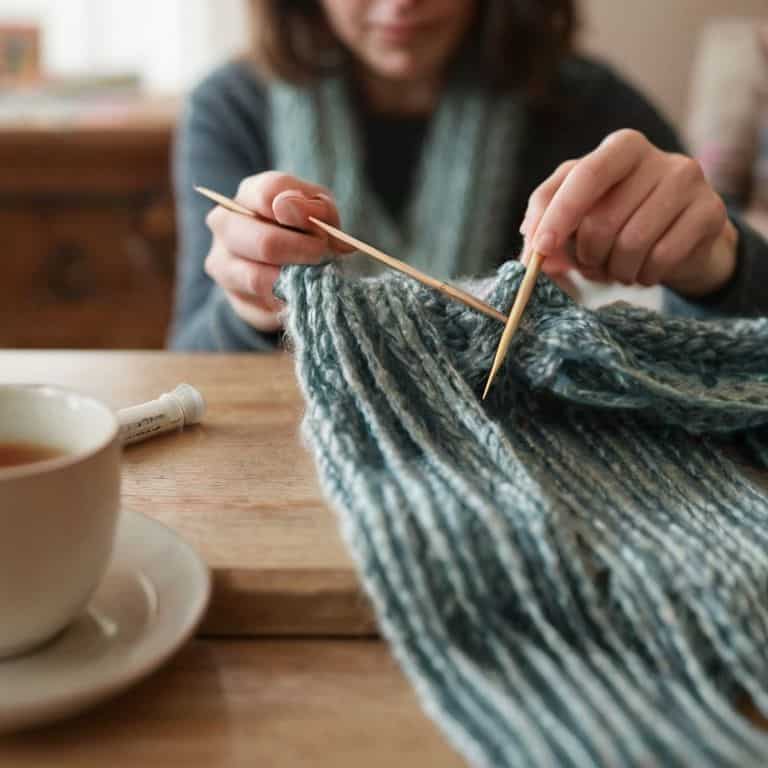
Total Time: 2 hours 30 minutes
Estimated Cost: $10 – $30
Difficulty Level: Intermediate
Tools Required
- Pencil (for sketching designs)
- Eraser (for correcting mistakes)
- Ruler (for measuring 12 inches of knitting)
- Calculator (for calculating stitch counts)
- Computer (with internet access for research)
Supplies & Materials
- Knitting needles (in various sizes to accommodate different yarns)
- Yarn (in chosen color and fiber type, sold by the yard or in 6 ounces skeins)
- Measuring tape (for measuring 6 inches of knitted fabric)
- Stitch markers (for tracking patterns over 12 inches of knitting)
- Paper (for printing or writing pattern drafts)
Step-by-Step Instructions
- 1. First, let’s start by brainstorming ideas for our knitting pattern. Take a few moments to think about what inspires you – is it the softness of a particular yarn, the beauty of nature, or the comfort of a warm hug? Write down any ideas that come to mind, no matter how silly they may seem. This is your chance to let your creativity shine and think about what kind of project you’d love to work on.
- 2. Next, choose a theme or concept for your pattern. This could be anything from a seasonal holiday to a favorite color palette. Having a clear idea of what you want to create will help guide your design decisions and make the process more enjoyable. Consider what type of garment or accessory you want to make, and what features are essential to you – such as texture, color, or functionality.
- 3. Now it’s time to select your yarn. This is one of my favorite parts of the design process, as it allows me to get up close and personal with the materials. Think about the weight, fiber content, and color of the yarn, and how these factors will impact the final product. You may want to swatch different yarns to see how they work up, or read reviews from other knitters to get a sense of their experiences.
- 4. With your yarn in hand, it’s time to swatch and calculate your gauge. This step is crucial, as it will ensure that your finished project is the correct size and has the desired texture. Take your time and make sure to swatch in the same way you’ll be knitting your project – this will give you an accurate measure of your stitches and rows per inch.
- 5. Once you have your gauge, you can start creating a sketch or diagram of your design. This can be as simple or as complex as you like, depending on your comfort level with drawing and design. Consider using graph paper to help you visualize your stitches and rows, and don’t be afraid to experiment with different shapes and layouts.
- 6. Next, write out your pattern instructions in a clear and concise manner. This is where your design starts to take shape, and you can begin to see your vision come to life. Break down your project into smaller, manageable sections, and make sure to include any relevant details such as stitch counts, row numbers, and shaping instructions.
- 7. As you work on your pattern, be sure to test and refine your design. This may involve knitting a sample project, or having a friend or fellow knitter try out your pattern. Don’t be discouraged if you encounter any issues or setbacks – these are an opportunity to learn and improve your design, and will ultimately make your finished project more polished and professional.
- 8. Finally, add any finishing touches to your pattern, such as photographs, illustrations, or additional tips and tricks. This is your chance to make your pattern truly special and engaging, and to share your passion for knitting with others. Consider including a personal story or anecdote about your design, or offering suggestions for variations or substitutions to make the project more versatile.
Designing Knitting Patterns
As I delve into the world of designing knitting patterns, I find myself lost in the intricacies of stitch and yarn. It’s a journey that requires patience, creativity, and a willingness to experiment. When creating a custom knitting template, it’s essential to consider the size grading for knitting patterns, ensuring that your design can be adapted to fit various sizes and shapes. This involves using math to calculate the perfect proportions, a skill that may seem daunting at first but becomes second nature with practice.
One of the most significant challenges in designing knitting patterns is writing clear knitting instructions. It’s crucial to strike a balance between providing enough detail and avoiding overwhelming the reader. I’ve found that using a knitting stitch pattern generator can be a valuable tool in this process, helping to create intricate and beautiful patterns with ease. By leveraging such tools, designers can focus on the creative aspects of their work, rather than getting bogged down in the technical details.
As I work on a new design, I always keep in mind the importance of knitting pattern testing and feedback. There’s no substitute for seeing your design come to life, and getting feedback from fellow knitters can be invaluable in refining your work. Whether you’re a seasoned designer or just starting out, remember that designing knitting patterns is a journey of discovery, and one that requires a willingness to learn, experiment, and push the boundaries of what’s possible with yarn and needles.
Math Magic in Stitch Pattern Generation
As I sit with my yarn and needles, I love watching a stitch pattern come to life. Math magic happens when we combine simple arithmetic with creative vision. To generate a stitch pattern, we need to consider the number of stitches, rows, and the repeat sequence. It’s a gentle dance of numbers and needles. By playing with these elements, we can create unique and captivating textures that add depth to our knitting projects.
I find that using graph paper or a knitting app helps me visualize and calculate my stitch patterns. It’s amazing how a small adjustment in numbers can completely transform the look and feel of a fabric. With a little practice, you’ll be conjuring up your own math magic, and your knitting will flourish with beautiful, one-of-a-kind stitch patterns.
Weaving Wonder With Custom Templates
As I sit with my yarn and needles, I love experimenting with custom templates to bring my designs to life. There’s something special about creating a pattern from scratch, tailored to the unique texture and drape of a particular yarn. I find that using custom templates allows me to tap into my creative vision, resulting in knitting patterns that are truly one-of-a-kind. Whether I’m working with a vibrant, hand-dyed wool or a soft, chunky alpaca, my templates help me balance form and function, ensuring a beautiful and wearable finished product.
By using custom templates, I can let my imagination run wild, combining different stitches, colors, and textures to create something truly unique. This approach has become a hallmark of my design style, and I adore seeing how other makers interpret and make my patterns their own. With a custom template, the possibilities are endless, and I feel like I’m weaving wonder with every stitch.
5 Cozy Tips to Help You Design a Knitting Pattern that Wraps You in Joy
- Start with a spark of inspiration – whether it’s a stunning sunset, a vintage knitting book, or a ball of yarn that catches your eye, let your creativity be guided by the things that bring you joy
- Experiment with different yarns and textures to find the perfect fit for your design – remember, the right yarn can make or break a pattern, so don’t be afraid to get a little tactile and see what feels right
- Don’t be intimidated by math – stitch pattern generation can seem daunting, but with a little practice and patience, you’ll be creating custom templates like a pro, and the sense of accomplishment is totally worth it
- Swatch, swatch, swatch – it’s the key to ensuring your design turns out exactly as you envisioned it, and it’s also a great way to get a feel for the yarn and the stitches before you commit to a full project
- Join a community of fellow makers – whether it’s online or in-person, sharing your designs and getting feedback from others can be a great way to stay motivated, learn new techniques, and push your creativity to the next level
Key Takeaways for Knitting Pattern Design
Embracing the creative process of designing a knitting pattern can be a therapeutic journey, allowing you to express your personal style and flair through the selection of yarns, colors, and stitches
Understanding the interplay between fiber content, texture, and drape is essential for crafting garments that not only look beautiful but also feel wonderful against the skin
By combining traditional knitting techniques with modern design principles and a dash of patience, you can create unique, handmade pieces that tell a story and provide a sense of comfort and joy to those who wear them
Designing from the Heart
The true beauty of designing a knitting pattern lies not in the math or the mechanics, but in the gentle dance between yarn, needles, and the quiet moments of creation, where every stitch is a whispered promise of warmth and love.
Clara Meadows
Embracing the Joy of Knitting Pattern Design
As we conclude our journey through designing a knitting pattern, let’s take a moment to reflect on the key elements we’ve covered. From understanding the basics of stitch pattern generation to exploring the world of custom templates, we’ve delved into the math magic that brings our knitting visions to life. By grasping these fundamental concepts, you’re now empowered to create your own unique patterns, tailored to your personal style and preferences. Whether you’re a seasoned knitter or just beginning, remember that the process of design is a journey, not a destination – and it’s okay to make mistakes along the way.
As you close this guide and pick up your knitting needles, I want to leave you with a final thought: knitting is a form of mindfulness. It’s a chance to slow down, connect with the natural world, and create something truly beautiful. So, take a deep breath, feel the texture of the yarn between your fingers, and let your imagination run wild. With every stitch, you’re not just creating a piece of clothing – you’re crafting a sense of calm, a sense of pride, and a sense of community. Happy knitting, dear friends!
Frequently Asked Questions
How do I choose the right yarn and needles for my knitting pattern to ensure the best texture and drape?
Choosing the perfect yarn and needles is like matchmaking for your knitting project. Consider the fiber content, weight, and texture you desire, then select a yarn that whispers sweet nothings to your needles. For me, it’s all about feeling the yarn’s gentle give and take, ensuring a harmonious union that yields the perfect drape and texture.
What are some common mistakes to avoid when designing a knitting pattern for beginners, and how can I troubleshoot them?
When designing for beginners, I’ve found that common mistakes include inconsistent tension, unclear instructions, and inadequate swatching. To troubleshoot, take a deep breath, and revisit your pattern with fresh eyes – or better yet, have a friend test knit it for you.
Can I use computer software to help generate stitch patterns and calculate yardage, or is it better to do it by hand?
I adore using computer software to generate stitch patterns and calculate yardage – it saves so much time and reduces errors. There are many wonderful programs out there that can help with this, and I often use them in my own design process to ensure accuracy and efficiency.
