
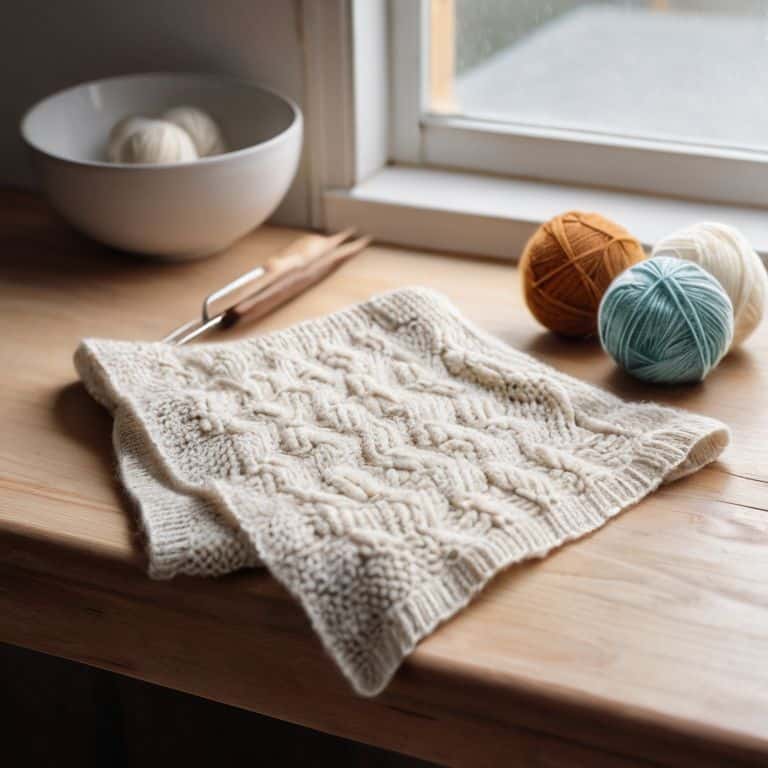
As I sit here surrounded by balls of yarn and half-finished projects, I’m reminded of the joy that comes from creating something with my own hands. Recently, I’ve been obsessed with a simple dishcloth knitting pattern that’s perfect for a relaxing afternoon. I’ve heard some people say that knitting a dishcloth is a mundane task, but I couldn’t disagree more. There’s something therapeutic about watching a simple string of yarn transform into a beautiful, functional piece.
In this article, I’ll share my favorite no-fuss approach to knitting a dishcloth, including a straightforward pattern and some helpful tips to get you started. You’ll learn how to choose the right yarn, understand the basic stitches, and troubleshoot common mistakes. My goal is to make knitting a simple dishcloth a enjoyable and rewarding experience for you, whether you’re a beginner or an experienced knitter. By the end of this guide, you’ll be equipped with the knowledge and confidence to create your own beautiful dishcloths and maybe even discover a new favorite hobby.
Table of Contents
Guide Overview: What You'll Need
Total Time: 2 hours 30 minutes
Estimated Cost: $10 – $20
Difficulty Level: Easy
Tools Required
- Knitting Needles US size 7 or 8
- Scissors for cutting yarn
- Tapestry Needle for weaving in ends
- Measuring Tape for measuring work
Supplies & Materials
- Cotton Yarn medium weight, approximately 100 yards
- Stitch Markers optional, for marking beginning of round
Step-by-Step Instructions
- 1. To begin, let’s start by selecting our yarn. For this simple dishcloth pattern, I recommend choosing a durable, cotton-rich yarn that can withstand repeated washing and use. Look for a yarn with a soft, gentle texture that will be a pleasure to work with.
- 2. Next, we’ll need to cast on our stitches. For this pattern, we’ll be working with a total of 44 stitches. To cast on, create a slipknot on your needle, then use your preferred method to cast on the remaining 43 stitches. I like to use the long-tail cast-on method, as it creates a neat and stretchy edge.
- 3. Now that our stitches are cast on, let’s move on to the knit stitch pattern. We’ll be working in a simple garter stitch pattern, which is perfect for beginners. To knit a row, insert the right needle into the first stitch on the left needle, wrap the yarn around the right needle, and pull it through. Repeat this process until you’ve knit all 44 stitches.
- 4. As we work our way through the pattern, it’s essential to keep track of our rows. To do this, I recommend using a row counter or a piece of scrap paper to keep track of your progress. For this pattern, we’ll be working a total of 60 rows.
- 5. Once we’ve completed our 60 rows, it’s time to bind off our stitches. To bind off, knit the first stitch on the left needle, then pass the second stitch over the first stitch. Repeat this process until you’ve bound off all 44 stitches. Make sure to leave a long tail of yarn to sew in the ends.
- 6. With our dishcloth complete, let’s move on to adding a decorative touch. I like to add a simple single crochet border around the edges of my dishcloth, using a contrasting yarn color. This adds a touch of personality to the finished project and helps to prevent the edges from fraying.
- 7. Finally, let’s block our dishcloth to give it a professional finish. To block, wet the dishcloth and stretch it out to the desired shape, using pins to hold it in place. Allow the dishcloth to dry completely, then remove the pins and enjoy your beautiful, handmade dishcloth.
Cast a Cozy Spell
As we work on our dishcloth, let’s not forget the joy of creating something with our own hands. There’s a certain satisfaction in knowing that the item we’re making will be used and loved in our daily lives. For those just starting out with knitting, this project is an excellent example of easy knitting projects for beginners. The repetitive motion of the garter stitch can be quite meditative, making it an ideal choice for a first project.
When choosing a yarn for your dishcloth, consider the cotton yarn properties that make it absorbent and durable. A medium-weight yarn is usually the best choice, as it provides a good balance between texture and functionality. If you’re new to knitting, you might want to start with a yarn weight for knitting dishcloths that’s easy to handle, such as a worsted weight yarn.
As you knit, remember to take your time and enjoy the process. Knitting patterns for home decor like this one can add a personal touch to your space, and the sense of accomplishment you’ll feel when you’re done is invaluable. Whether you’re making this dishcloth as a gift or for your own use, the simple knitting stitches used in this pattern will make it a simple knitting stitches for dishcloths project that you’ll return to again and again.
Easy Knitting for Beginners
As we knit our dishcloth, remember that the journey is just as important as the destination. For beginners, it’s essential to focus on the process, not perfection. Don’t worry if your stitches are a bit uneven or your tension is off – it’s all part of the learning process. The soft clickety-clack of the needles and the gentle flow of the yarn will soon become meditative, helping you relax and unwind.
As you work on your dishcloth, take your time, and don’t be afraid to make mistakes. They’re an opportunity to learn and grow, and you can always frogging your work and start again. The key is to enjoy the experience, feel the yarn between your fingers, and watch your project come to life. With each row, you’ll become more confident, and before you know it, you’ll be hooked on knitting.
Garter Stitch Dishcloth Charm
The garter stitch dishcloth has a certain charm to it, don’t you think? There’s something so endearing about the textured, ridge-and-furrow pattern that emerges from the simple knit stitches. As I work on a garter stitch project, I feel like I’m weaving a little spell of warmth and comfort into every row. It’s a stitch that invites you to slow down, to savor the gentle clickety-clack of the needles, and to let the softness of the yarn envelop you.
As the dishcloth grows, row by row, I love watching the subtle variations in the stitch pattern emerge. It’s a reminder that even in the simplest of projects, there’s always room for a little magic to unfold. And when you’re done, you’ll have a beautiful, functional dishcloth that’s not only charming but also sturdy and absorbent – the perfect blend of form and function to cast a cozy spell in your kitchen.
Weaving Wisdom: 5 Essential Tips for Your Simple Dishcloth Knitting Pattern
- Choose the Right Yarn: Select a yarn that’s soft, absorbent, and durable, such as cotton or a cotton-blend, to ensure your dishcloth is both functional and gentle on your dishes
- Swatch with Love: Always swatch your yarn before starting your project to guarantee the right tension and texture, making your dishcloth a joy to use
- Mind Your Garter Stitch: To achieve that perfect garter stitch charm, make sure to maintain a consistent tension and count your stitches regularly, especially when working with variegated yarns
- Add a Personal Touch: Consider adding a simple border or a subtle texture to give your dishcloth a unique character and make it stand out in your kitchen
- Block for Bliss: Once you’ve completed your dishcloth, block it to even out the stitches and give it a professional finish, making it a lovely addition to your home and a testament to your knitting skills
Cozy Knitting Essentials
By following this simple dishcloth knitting pattern, you’ll create a warm and functional piece for your home, perfect for adding a touch of handmade charm to your kitchen
The garter stitch technique used in this pattern is ideal for beginners, providing a soothing and meditative knitting experience that helps you relax and unwind
With this enchanting dishcloth pattern, you’ll not only learn a new knitting skill, but also discover the joy of working with yarn and creating something beautiful and useful for your everyday life
The Gentle Art of Knitting
In the soft rhythm of knitting a simple dishcloth, I find a sense of peace that weaves together the threads of my day, reminding me that even the humblest of creations can hold profound beauty and comfort.
Clara Meadows
Weaving a Tale of Cozy Delight
As we wrap up this journey of creating a simple dishcloth knitting pattern, let’s take a moment to reflect on the key points that made this project so special. From the initial steps of casting on to the final bind-off, we’ve explored the world of garter stitch and its enduring charm. We’ve also touched upon the importance of choosing the right yarn and needles to ensure a comfortable and enjoyable knitting experience. By following these steps and tips, you’ve not only created a beautiful and functional dishcloth, but you’ve also embarked on a journey of mindfulness that will stay with you long after you’ve finished this project.
As you proudly display your handmade dishcloth in your kitchen, remember that knitting is a labour of love that transcends the physical act of creating something with yarn. It’s about the peaceful moments you spend with your needles, the joy of watching a project come to life, and the sense of accomplishment that comes with creating something with your own hands. So, go ahead and cast a cozy spell with your knitting, and let the warmth and love that you’ve infused into every stitch bring joy to all who experience it.
Frequently Asked Questions
What type of yarn is best suited for a dishcloth knitting pattern?
For a dishcloth, I recommend a durable, absorbent yarn with a bit of texture. Look for cotton, linen, or a cotton-blend yarn with a medium weight and a soft, yet sturdy feel. These fibers will hold up beautifully to repeated washing and use, and their texture will add a lovely tactile quality to your finished dishcloth.
How do I ensure that my dishcloth lies flat and doesn't curl up at the edges?
To keep your dishcloth lying flat, try blocking it after completion by wetting, stretching, and pinning it to dry. This helps even out the stitches and relax the fabric, preventing curling at the edges. You can also try adding a border of single rib or a slipped stitch edge to help it lie flat naturally.
Can I customize the size of the dishcloth to fit my specific needs?
Of course, you can customize the size to fit your needs. Simply adjust the number of stitches and rows to achieve the desired dimensions. Keep in mind that using a multiple of a certain number of stitches will help you maintain a neat, even edge. Feel free to experiment and make it your own – that’s the joy of knitting, after all!
