
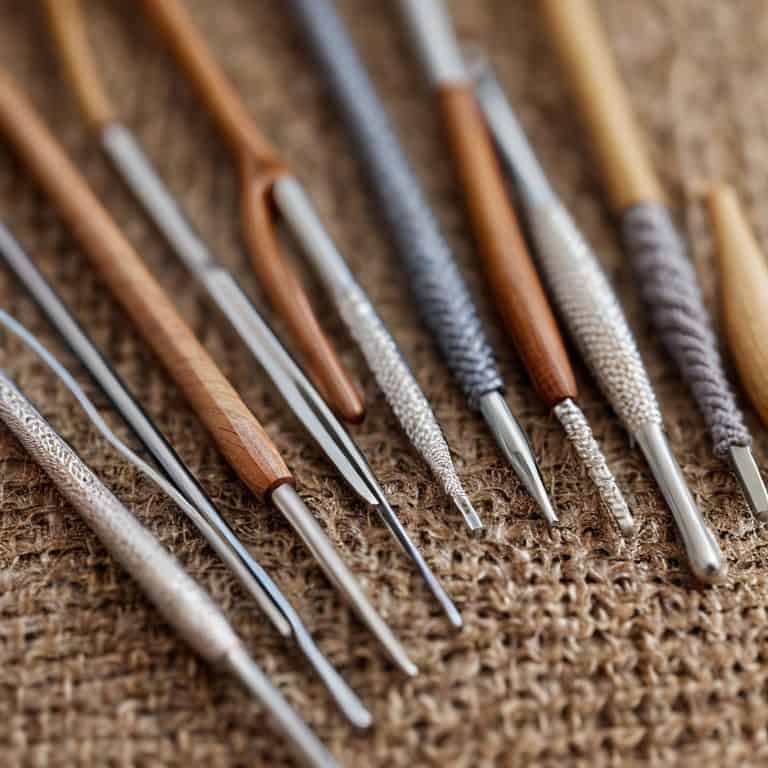
I still remember the first time I picked up a Tunisian crochet hook – it was like a revelation. I had been struggling with traditional crochet techniques for years, but this humble tool changed everything. As someone who’s spent their fair share of time behind the counter of a yarn store, I’ve seen countless crafters come and go, each with their own unique struggles and triumphs. And that’s why I’m excited to share my expertise with you in this guide to Tunisian crochet hooks, to help you navigate the often-confusing world of crochet tools and find the perfect companion for your next project.
In this article, I promise to cut through the noise and give you the honest, no-frills advice you need to choose the right Tunisian crochet hook for your needs. I’ll share my personal experiences, highlighting the key factors to consider when selecting a hook, from material and size to brand and quality. Whether you’re a seasoned pro or just starting out, my goal is to empower you with the knowledge to make informed decisions and take your crochet skills to the next level. So, let’s dive in and explore the world of Tunisian crochet hooks together, shall we?
Table of Contents
- Guide Overview: What You'll Need
- Step-by-Step Instructions
- A Guide to Tunisian Crochet Hooks
- Hooked on Success: 5 Essential Tips for Mastering Tunisian Crochet Hooks
- Key Takeaways for Tunisian Crochet Hooks
- The Heart of Tunisian Crochet
- Conclusion: Finding Your Perfect Tunisian Crochet Companion
- Frequently Asked Questions
Guide Overview: What You'll Need
Total Time: 1 hour 15 minutes
Estimated Cost: $10 – $30
Difficulty Level: Easy
Tools Required
- Ruler (for measuring purposes)
- Pencil (for marking purposes)
- Scissors (for cutting yarn or thread)
- Tapestry needle (for weaving in ends)
Supplies & Materials
- Tunisian crochet hook (aluminum or steel, various sizes)
- Yarn (choose your preferred type and color)
- Stitch markers (optional, for marking stitches)
- Measuring tape (for measuring your work, approximately 6 inches long)
Step-by-Step Instructions
- 1. First, let’s talk about the importance of choosing the right hook size for your Tunisian crochet project. I’ve found that using the wrong size can lead to a finished product that’s either too loose or too tight, which can be frustrating and disappointing. To avoid this, make sure to check the recommended hook size on the yarn label or pattern instructions, and adjust accordingly.
- 2. Next, consider the type of material your Tunisian crochet hook is made of. I’ve worked with hooks made from aluminum, steel, and wood, and each has its own unique feel and advantages. For example, aluminum hooks are lightweight and durable, while wooden hooks can provide a more comfortable grip.
- 3. Now, let’s move on to the handle shape and size, which can greatly affect your comfort and control while crocheting. Look for hooks with ergonomic handles that fit comfortably in your hand, and consider the length of the handle as well. I prefer hooks with longer handles, as they allow for more leverage and control.
- 4. Another crucial factor to consider is the hook tip shape, which can affect how easily you can pick up stitches and work with different types of yarn. I recommend looking for hooks with a smooth, rounded tip, as they tend to be gentler on the yarn and easier to maneuver.
- 5. Once you’ve selected a few potential hooks, it’s time to put them to the test. I like to do a swatch test, where I crochet a small sample using each hook to see how it performs. This helps me get a feel for the hook’s balance, flexibility, and overall performance.
- 6. In addition to the swatch test, I also like to consider the cable length of the hook, especially if you plan to work on large or complex projects. Look for hooks with adjustable or interchangeable cables, as they can be a lifesaver when working with bulky yarns or intricate patterns.
- 7. Finally, don’t forget to think about storage and organization for your Tunisian crochet hooks. I like to keep mine in a designated case or pouch, where they’re protected from damage and easy to find when I need them. Consider investing in a hook organizer or case, especially if you have a large collection of hooks.
A Guide to Tunisian Crochet Hooks
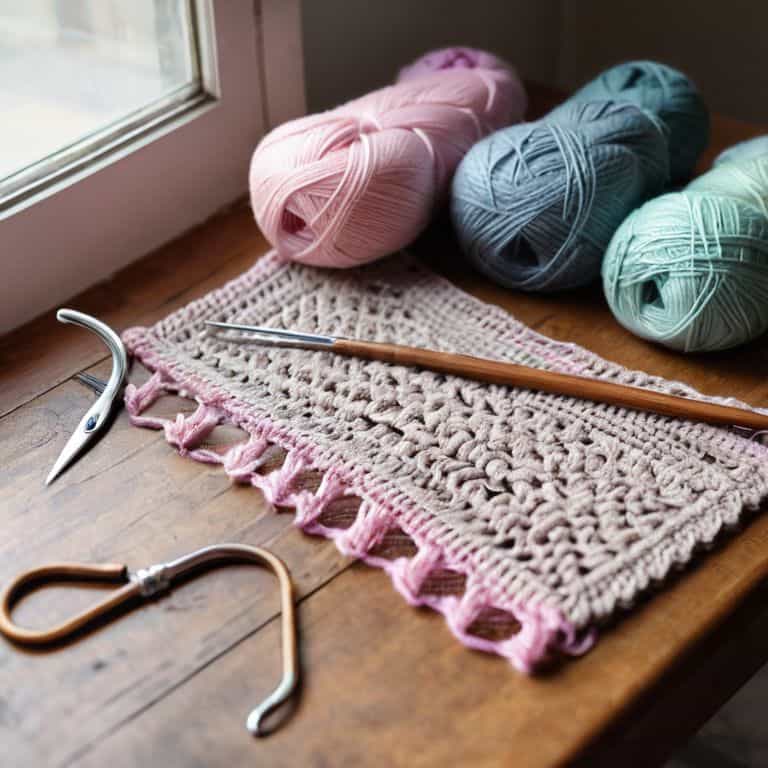
As I’ve worked with various tunisian crochet for beginners, I’ve come to realize the importance of choosing the right hook size. It’s not just about grabbing any hook and starting to crochet; the size of your hook can make or break the entire project. I’ve seen many beginners struggle with tight or loose stitches, only to realize that their hook size was the culprit. To avoid this, I always recommend swatching with different hook sizes to find the perfect fit for your yarn and stitch pattern.
When it comes to tunisian crochet stitch patterns, I’m particularly fond of the cable stitch. There’s something about the way the stitches twist and turn that adds a level of sophistication to any project. Of course, mastering the cable stitch takes practice, but with the right double ended hook techniques, you’ll be creating stunning cables in no time. I’ve found that using a double-ended hook allows for a more fluid and efficient stitching process, which is especially helpful when working with complex stitch patterns.
For those looking to explore more tunisian crochet project ideas, I recommend starting with simple scarves or hats. These types of projects allow you to get a feel for the yarn and stitches without overwhelming yourself with complex patterns. As you gain more experience, you can move on to more intricate designs, like blankets or sweaters. Remember, the key to success in tunisian crochet is to be patient and take your time; with practice, you’ll be creating beautiful, professional-looking projects in no time.
Choosing the Right Hook Size for Success
When it comes to Tunisian crochet, the right hook size is crucial for achieving the perfect stitch. I’ve found that using a hook that’s too small can lead to tight, stiff fabric, while one that’s too large can result in loose, sloppy stitches. To ensure success, I recommend swatching with different hook sizes to find the sweet spot for your particular yarn and project.
In my experience, the key is to find a hook size that allows for a smooth, even flow of yarn without sacrificing stitch definition. By taking the time to test different hook sizes, you’ll be rewarded with a beautiful, professional-looking fabric that showcases your Tunisian crochet skills.
Tunisian Crochet for Beginners Hook Essentials
As a beginner, it’s essential to start with the right tools. For Tunisian crochet, you’ll need a hook that’s specifically designed for this technique. I always recommend looking for hooks made from durable materials, such as aluminum or steel, as they will provide a smooth stitching experience and withstand regular use. When choosing a hook, consider the size and type of project you want to make, as well as the weight and fiber of your yarn.
For those just starting out, I suggest investing in a versatile hook with an ergonomic handle, which will reduce fatigue and make it easier to manage the fabric as you work. Some of my favorite hooks for beginners are those with a comfortable grip and a smooth, rounded head, allowing for effortless stitching and minimal splitting of the yarn.
Hooked on Success: 5 Essential Tips for Mastering Tunisian Crochet Hooks
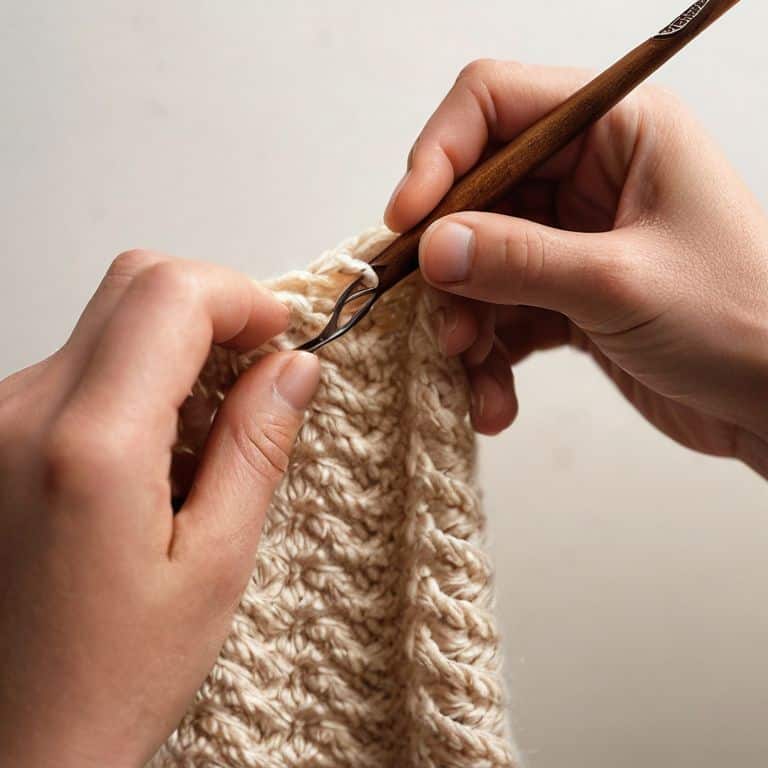
- I always recommend starting with a hook that’s made from a high-quality, durable material – it makes all the difference in the long run
- Never underestimate the power of a good grip: look for hooks with ergonomic handles that fit comfortably in your hand
- Don’t be afraid to experiment with different hook sizes – it’s the best way to find what works best for you and your project
- Keep in mind that the type of yarn you’re using will greatly impact your hook choice – for example, thicker yarns require larger hooks
- Lastly, don’t skip the swatching process: it’s crucial for ensuring that your hook and yarn are working together in perfect harmony
Key Takeaways for Tunisian Crochet Hooks
I’ve found that investing in a good quality Tunisian crochet hook can make all the difference in your projects, from the ease of stitching to the finish of your work
Choosing the right hook size is crucial – it’s not just about the pattern’s requirements, but also about the type of yarn you’re using and the drape you want to achieve
Through my years of testing and using various Tunisian crochet hooks, I’ve learned that it’s essential to consider factors like material, ergonomics, and versatility when selecting the perfect hook for your needs
The Heart of Tunisian Crochet
A good Tunisian crochet hook is not just a tool, it’s a partner in your creative journey – one that can make all the difference between a project that’s merely finished and one that’s truly unforgettable.
Audrey Vance
Conclusion: Finding Your Perfect Tunisian Crochet Companion
As we’ve explored the world of Tunisian crochet hooks, it’s clear that choosing the right tool can make all the difference in your projects. From understanding the basics of Tunisian crochet for beginners to selecting the ideal hook size, each decision contributes to the overall quality and enjoyment of your crafting experience. I’ve found that paying attention to details such as material, flexibility, and hook size is crucial for achieving professional-looking results. Whether you’re a seasoned crafter or just starting out, taking the time to invest in a good-quality Tunisian crochet hook will pay off in the long run.
As you embark on your Tunisian crochet journey, remember that practice and patience are key. Don’t be discouraged by initial setbacks or frustrations – every stitch is an opportunity to learn and improve. With the right hook by your side and a willingness to experiment, you’ll be creating stunning, one-of-a-kind pieces in no time. So, go ahead, get hooked, and watch your creativity flourish with every passing project.
Frequently Asked Questions
What are the key differences between Tunisian crochet hooks and regular crochet hooks?
The main difference between Tunisian and regular crochet hooks lies in their design – Tunisian hooks have a stopper at the end to hold stitches, allowing for a more fabric-like texture. They’re also often longer and thicker, making them perfect for working with multiple stitches at once.
How do I determine the best hook material for my Tunisian crochet projects, considering factors like durability and comfort?
For me, the best hook material is one that balances durability and comfort. I swear by wooden or bamboo hooks – they’re gentle on my hands and withstand heavy use. Aluminum hooks are also great for their strength, but can be slippery; I recommend them for more experienced makers.
Can I use a Tunisian crochet hook for other types of crochet or knitting, or is it specifically designed for Tunisian crochet techniques?
While Tunisian crochet hooks are designed for their namesake technique, I’ve found they can be versatile. You can use them for regular crochet in a pinch, but the pick-up mechanism can get in the way. As for knitting, it’s not a great substitute for traditional knitting needles, but it can work for certain types of loose, fabric-like projects.
