
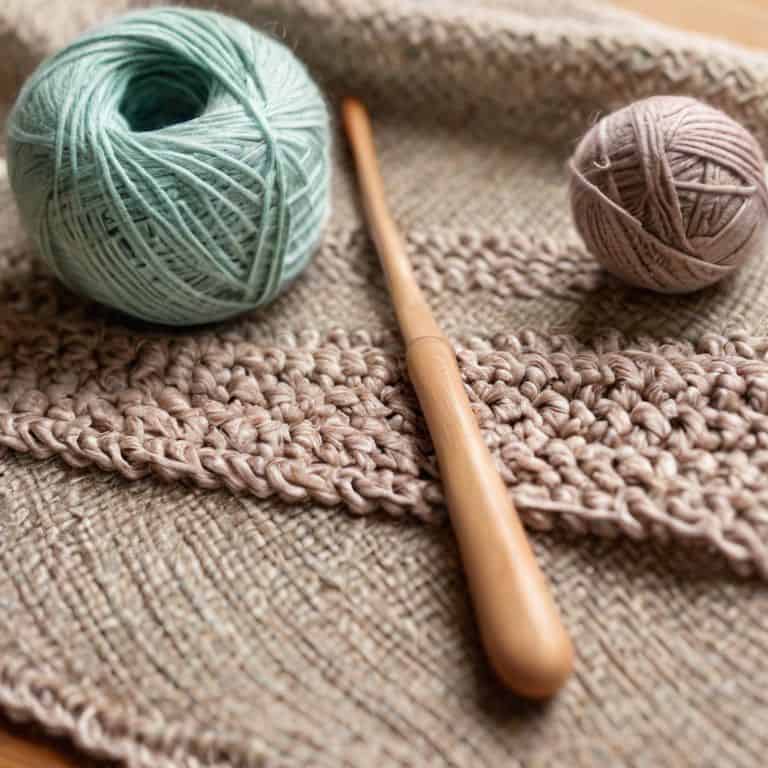
I still remember the first time I struggled to find the perfect crochet hook for my project. It was a frustrating experience, to say the least. As a former yarn store owner, I’ve seen many makers fall into the trap of thinking that any hook will do, but the truth is, a good crochet hook can make all the difference. That’s why I’m excited to share my hands-on experience with you in this guide to crochet hooks, so you can avoid the mistakes I made and find the perfect tool for your next project.
In this article, I’ll cut through the noise and give you honest, no-hype advice on how to choose the right crochet hook for your needs. You’ll learn about the different types of hooks, the materials they’re made of, and how to select the perfect one for your project. I’ll also share some of my favorite tips and tricks for getting the most out of your hook, from achieving the perfect tension to preventing Split stitches. By the end of this guide to crochet hooks, you’ll be equipped with the knowledge to make informed decisions and take your crochet game to the next level.
Table of Contents
- Guide Overview: What You'll Need
- Step-by-Step Instructions
- A Guide to Crochet Hooks
- Hooked to Perfection: 5 Essential Tips for Choosing the Right Crochet Hook
- Key Takeaways for Choosing the Perfect Crochet Hook
- Finding the Perfect Fit
- Conclusion: Finding Your Perfect Crochet Match
- Frequently Asked Questions
Guide Overview: What You'll Need
Total Time: 1 hour 15 minutes
Estimated Cost: $10 – $30
Difficulty Level: Easy
Tools Required
- Ruler (for measuring)
- Pencil (for marking)
- Scissors (for cutting yarn)
Supplies & Materials
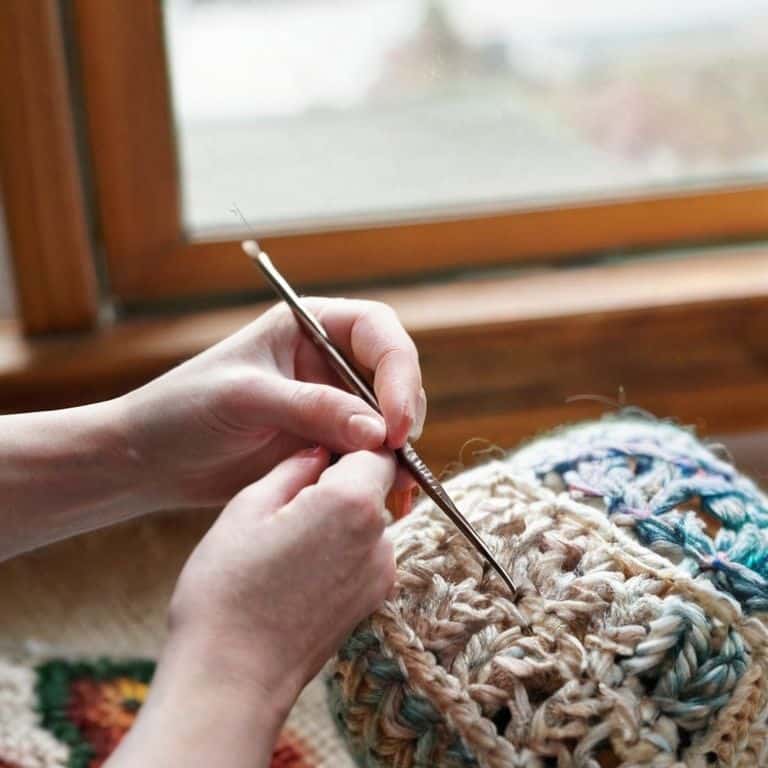
- Crochet Hooks aluminum, steel, or plastic hooks in various sizes
- Yarn acrylic, cotton, or blended yarn in various weights and colors
- Tapestry Needle (for weaving in ends)
- Stitch Markers (for marking patterns)
Step-by-Step Instructions
- 1. First, let’s start with the basics of crochet hooks, understanding that the right hook can make a significant difference in the quality and comfort of your crochet experience. To begin, you’ll need to consider the type of project you’re working on, as this will help determine the size and material of the hook you’ll need. For instance, if you’re making a delicate lace shawl, you’ll want a smaller hook, while a bulkier project like a thick blanket might require a larger one.
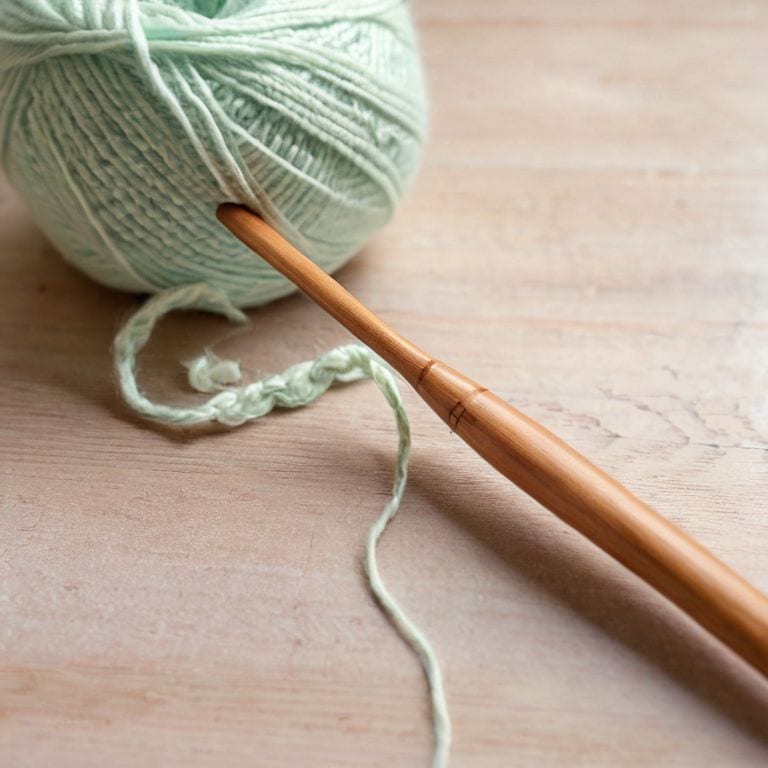
- 2. Next, it’s essential to choose the right material for your crochet hook. Hooks can be made from aluminum, steel, wood, or even plastic, each with its own set of advantages. Aluminum hooks, for example, are lightweight and durable, making them ideal for long projects, while wooden hooks can provide a more comfortable grip, reducing strain on your hands. Consider what will work best for you and your project.
- 3. Now, let’s talk about hook sizes and how to select the right one for your yarn. The size of your hook will depend on the weight and type of yarn you’re using, as well as the desired texture of your final product. A good rule of thumb is to start with the hook size recommended on the yarn label, but be prepared to adjust based on your personal crochet style and the project’s requirements. It’s not uncommon to swatch different hook sizes to find the one that gives you the fabric you want.
- 4. Once you’ve selected your hook, it’s time to think about ergonomics and how the hook feels in your hand. A comfortable grip can make all the difference in your ability to crochet for extended periods without fatigue. Look for hooks with ergonomic handles or consider adding a grip accessory to your existing hook. This small detail can significantly impact your overall crochet experience.
- 5. Another crucial step is to understand the different types of crochet hooks available, including inline, tapered, and thumb hooks. Each type has its own unique characteristics that might make it more or less suitable for certain projects or personal preferences. For example, inline hooks are great for most standard crochet projects, while tapered hooks can be better for intricate work or certain types of stitches.
- 6. Now that you’ve found the perfect hook, it’s essential to learn how to properly care for it to extend its lifespan. This includes storing it in a dry place, avoiding exposure to extreme temperatures, and occasionally cleaning it to remove any yarn residue or debris. For wooden hooks, you might also consider applying a wood conditioner periodically to keep the wood healthy and smooth.
- 7. Finally, don’t underestimate the value of testing your hook with different yarns and projects. Over time, you’ll develop a sense of what works best for you and your style of crochet. Keep a journal or log of your projects, noting the hook used, yarn type, and any challenges or successes. This will become an invaluable resource as you continue to explore the world of crochet and refine your skills.
A Guide to Crochet Hooks
As I always say, choosing the right tool is crucial for a enjoyable and successful crochet experience. When it comes to crochet hook sizes for beginners, it’s essential to consider the type of project and the yarn weight. I’ve found that a good starting point is to use a hook that’s slightly smaller than recommended to ensure a tighter stitch.
For those who suffer from arthritis, ergonomic crochet hook reviews often highlight the benefits of using hooks made from materials that provide a comfortable grip. I’ve had great feedback from customers who’ve switched to best crochet hook materials for arthritis, such as wooden or bamboo hooks, which can make a significant difference in reducing strain and discomfort.
In my experience, the tapered vs inline crochet hook comparison often comes down to personal preference. However, I’ve found that inline crochet hook benefits include a more even stitch and reduced splitting of the yarn. When selecting a hook, it’s also important to consider the crochet hook set for intermediate crocheters, which often includes a range of sizes to accommodate different projects and yarn weights.
Choosing Ergonomic Hooks for Comfort
When it comes to choosing ergonomic hooks for comfort, I always consider the handle material and shape. As someone who’s spent countless hours crocheting, I can attest that a well-designed hook can make all the difference in reducing fatigue and strain. I look for hooks with cushioned grips or ergonomic handles that fit comfortably in my hand, allowing me to crochet for hours without discomfort. Some of my favorite brands offer hooks with contoured handles or soft-touch coatings, which provide excellent grip and comfort.
In my experience, ergonomic hooks are especially important for those with arthritis or hand pain. By investing in a high-quality, ergonomic hook, you can enjoy your crochet time without worrying about discomfort or pain. I’ve tried several brands, and I’m excited to share my top picks with you, highlighting their unique features and benefits.
Tapered vs Inline Hook Benefits Compared
When it comes to hook types, I’ve found that tapered and inline hooks have their own unique benefits. Tapered hooks, with their gradual decrease in diameter, allow for smoother stitch transitions and are ideal for projects that require a lot of shape-shifting, like amigurumi toys. On the other hand, inline hooks have a consistent diameter and are perfect for projects that demand precision, such as lace shawls or intricate doilies.
In my experience, the choice between tapered and inline hooks ultimately depends on the specific project and personal preference. I’ve had customers swear by tapered hooks for their afghans, while others prefer the control of inline hooks for their delicate baby blankets. By considering the type of project and the desired outcome, you can make an informed decision and choose the hook that best suits your needs.
Hooked to Perfection: 5 Essential Tips for Choosing the Right Crochet Hook
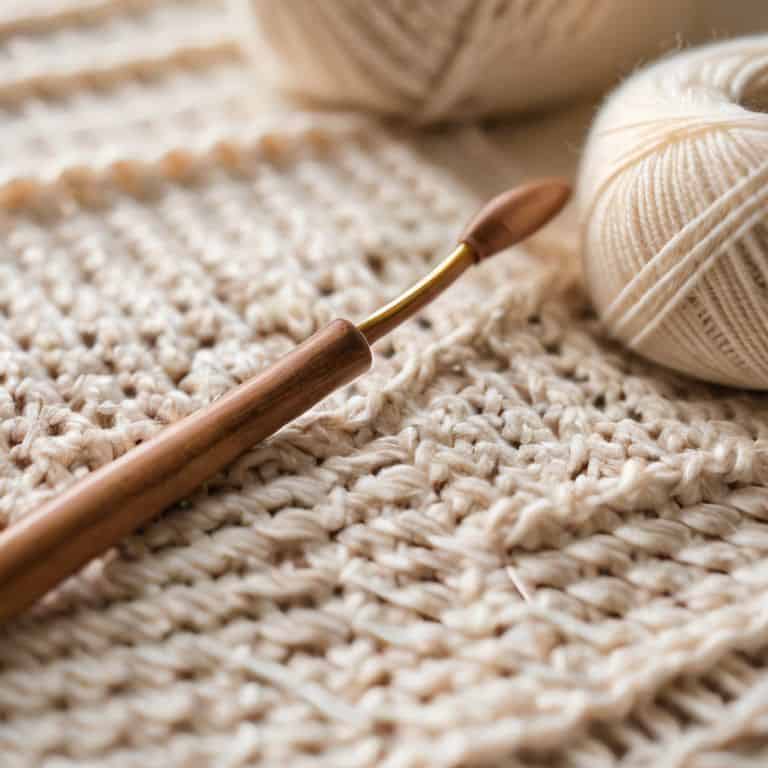
- Consider the Material: Think about the type of yarn you’re using and whether you need a hook that’s gentle on it, like aluminum or wood, or one that provides a bit of grip, like steel
- Determine Your Grip Style: Understand how you hold your hook – are you a tight gripper or a relaxed crocheter? This will help you choose between ergonomic hooks with cushioning or more traditional inline hooks
- Think About the Project: Different projects require different hook sizes and types – for example, amigurumi toys often require smaller, more precise hooks, while blankets might need larger, more robust ones
- Don’t Overlook the Handle: A comfortable handle can make all the difference in your crocheting experience, especially for longer projects – look for hooks with cushioned grips or try wrapping your own handles for a customized fit
- Test Before You Invest: Just like I do with my ‘sweater test’ for yarns, try out a few different hooks on a small project before committing to a specific type or brand – you might be surprised at how much of a difference the right hook can make
Key Takeaways for Choosing the Perfect Crochet Hook
Selecting the right crochet hook can significantly impact the quality and comfort of your crochet experience, with ergonomic hooks being a top choice for reducing strain and fatigue
Understanding the difference between tapered and inline hooks is crucial, as each type offers unique benefits – tapered hooks provide easier stitch pickup, while inline hooks offer better control and precision
Ultimately, the best crochet hook for you will depend on your personal preference, crochet style, and the specific project you’re working on, so it’s essential to experiment and find the hook that feels like an extension of your hand
Finding the Perfect Fit
A great crochet hook is not just a tool, it’s a partner in your creative journey – one that can make all the difference between a project that’s a joy to work on and one that’s a chore to complete.
Audrey Vance
Conclusion: Finding Your Perfect Crochet Match
As we’ve explored the world of crochet hooks, it’s clear that choosing the right tool can make a significant difference in your crafting experience. From ergonomic handles that reduce fatigue to the debate between tapered and inline hooks, each aspect plays a role in your overall satisfaction and the quality of your projects. By considering these factors and understanding your personal preferences, you can navigate the market with confidence, selecting hooks that not only feel great in your hand but also help you achieve the stitches and textures you desire.
In the end, the journey to finding your perfect crochet match is about more than just the tools – it’s about the joy of creation and the sense of accomplishment that comes with every completed project. So, don’t be afraid to experiment, to try new hooks and techniques, and to push the boundaries of what you thought was possible. With the right hook in hand and a willingness to learn, you’ll be hooked on crochet for life, and that’s a truly wonderful thing.
Frequently Asked Questions
What are the key differences between aluminum, steel, and wooden crochet hooks?
For me, the choice between aluminum, steel, and wooden hooks comes down to personal preference and project needs. Aluminum hooks are lightweight and great for detail work, while steel hooks offer rigidity and speed. Wooden hooks, my personal favorite, provide a warm, gentle feel and a softer grip, reducing hand fatigue.
How do I determine the correct hook size for a specific yarn weight and project?
To determine the correct hook size, I always refer to the yarn label or consult a trusty crochet gauge chart. Consider the project’s intended texture and drape, too – a swatch can be a lifesaver in ensuring the right fit. In my experience, it’s all about finding that sweet spot where yarn, hook, and stitch pattern come together in perfect harmony.
Can I use a crochet hook with a built-in stitch marker or tape measure, and are these features worth the extra cost?
I’ve tested hooks with built-in stitch markers and tape measures, and while they can be convenient, I’m not convinced they’re worth the extra cost. In my experience, separate stitch markers and tape measures are just as effective, if not more so. That being said, if you’re a beginner or tend to lose your markers, these features might be a worthwhile investment for you.
