
As a seasoned fiber artist, I’ve lost count of how many times I’ve been asked about the inline vs tapered crochet hooks dilemma. It seems like every crafter, from beginners to veterans, is torn between these two popular options. I’ve been there too, standing in my yarn store, staring at the hook display, wondering which one would make my stitches shine. But over the years, I’ve had the chance to test and compare numerous hooks, and I’ve developed a keen eye for what truly matters.
So, what can you expect from this article? I promise to give you the unvarnished truth about inline and tapered crochet hooks, based on my own hands-on experience. I’ll share my thoughts on which type of hook is best suited for specific projects, and what you can expect in terms of performance, durability, and overall value. My goal is to help you make an informed decision, one that will save you time, money, and frustration in the long run. By the end of this article, you’ll know exactly which hook to reach for, and why, so you can focus on creating something truly beautiful.
Table of Contents
Inline Crochet Hooks
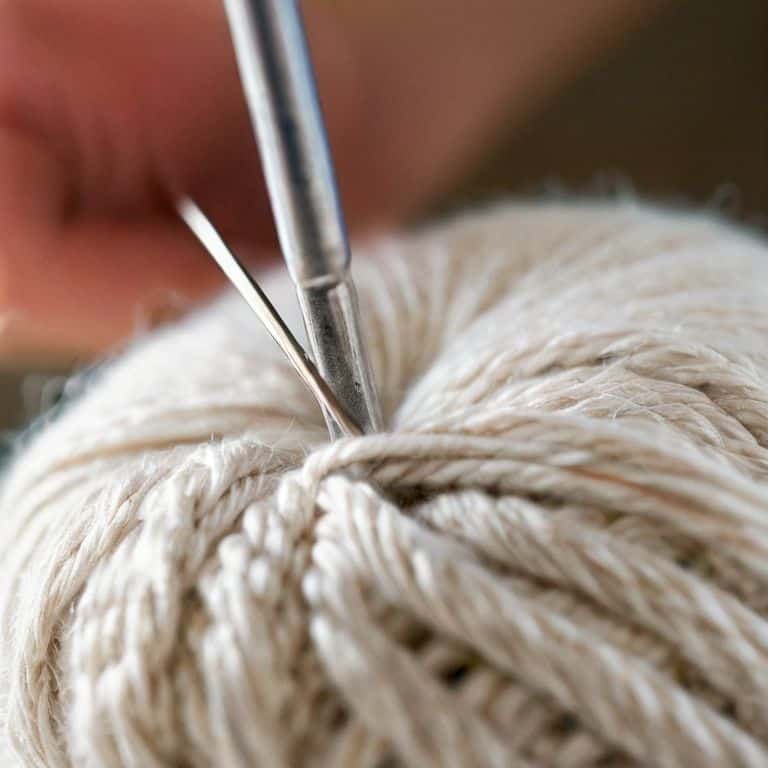
Inline crochet hooks are defined as hooks where the throat and shaft are in a straight line, allowing for a more consistent and even stitch. The core mechanism of inline hooks is designed to reduce stitch disparity, with the main selling point being the production of more uniform stitches. This is achieved through the hook’s inline design, which enables the yarn to flow smoothly and consistently through the throat.
As someone who’s spent years testing various crochet hooks, I can attest that inline hooks have been a game-changer for many of my projects. The reduced stitch disparity has resulted in a more polished finish, which is especially important for garments that require a professional touch. I recall working on a intricate lace shawl, where the inline hook made all the difference in achieving a delicate, even fabric. The ability to produce consistent stitches has saved me countless hours of frustration and reworking, making inline hooks a valuable addition to my crochet toolkit.
Tapered Crochet Hooks
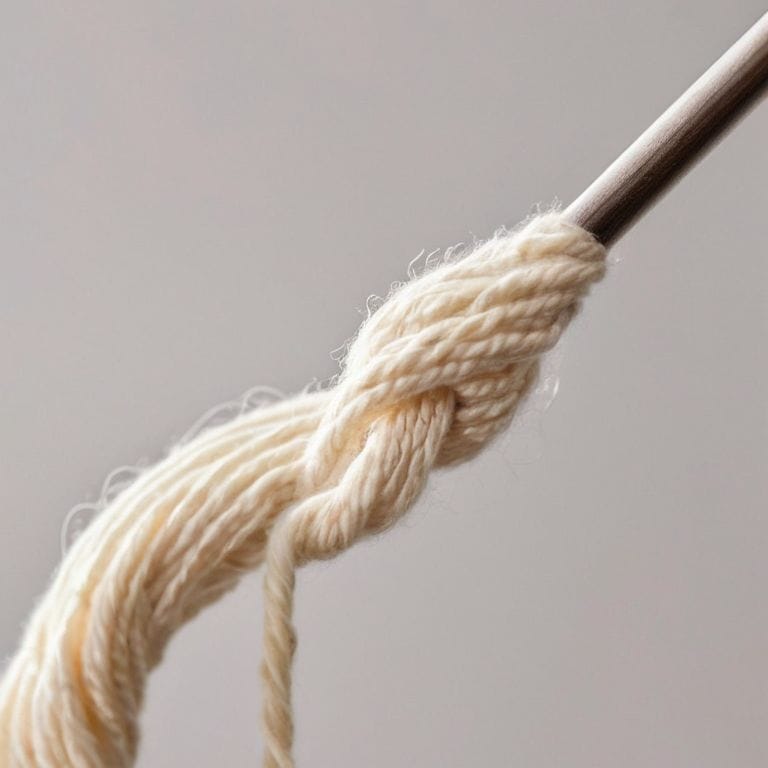
Tapered crochet hooks, on the other hand, have a throat and shaft that are not in a straight line, with the shaft being narrower than the throat. The main objective of tapered hooks is to provide a smoother yarn flow, allowing for easier stitch formation. The tapered design enables the yarn to glide effortlessly through the hook, making it an attractive option for those who value effortless stitching.
In my experience, tapered hooks have been particularly useful for working with thicker or more textured yarns. The reduced resistance provided by the tapered design has made it easier to maneuver the yarn, resulting in less fatigue and more enjoyable crocheting sessions. I’ve also noticed that tapered hooks are well-suited for crochet patterns that involve a lot of stitch increases or decreases, as they allow for a more fluid stitch transition. However, I’ve also encountered some drawbacks to using tapered hooks, which I’ll discuss in more detail later.
Head-to-Head Comparison: Inline vs Tapered Crochet Hooks
| Feature | Inline Crochet Hooks | Tapered Crochet Hooks |
|---|---|---|
| Price | Generally cheaper | Generally more expensive |
| Key Feature | Same diameter from handle to tip | Tapers from handle to tip |
| Best For | Beginners, tight stitches | Experienced crocheters, intricate patterns |
| Stitch Control | Less control over stitch size | More control over stitch size |
| Yarn Flow | Smaller, more restricted yarn flow | Larger, smoother yarn flow |
| Durability | More prone to breakage | Less prone to breakage |
| Ergonomics | Less ergonomic handle design | More ergonomic handle design |
Inline vs Tapered Crochet Hooks
When it comes to inline vs tapered crochet hooks, the type of hook used can significantly impact the overall quality and appearance of a project. This is why understanding the differences between these two types of hooks is crucial for makers who want to produce professional-looking results.
In a head-to-head analysis, inline crochet hooks tend to produce more consistent stitches, which is ideal for patterns that require precision. On the other hand, tapered crochet hooks offer more versatility in terms of stitch variation, making them suitable for projects that require a more textured or organic look.
The practical implications of using one over the other are notable. For instance, inline hooks are generally better for beginners because they produce more uniform results, whereas tapered hooks can be more forgiving for experienced makers who want to experiment with different stitch patterns. In conclusion, when it comes to stitch consistency, inline crochet hooks are the clear winner, offering makers a more reliable way to achieve professional-looking results.
Key Takeaways: Inline vs Tapered Crochet Hooks
I’ve found that tapered crochet hooks are better suited for intricate, detailed work, such as lace or filet crochet, due to their ability to navigate tight stitches with ease
Inline crochet hooks, on the other hand, shine when it comes to working with thicker yarns or creating textured stitches, as their smooth, consistent shape allows for effortless yarn flow
Ultimately, the choice between inline and tapered crochet hooks comes down to your personal preference, project requirements, and the type of yarn you’re using – but with this knowledge, you’ll be hooked on making informed decisions that will elevate your crochet game
The Hook Truth
A good crochet hook is not just about the stitches it makes, but the stitches it withstands – and after testing both inline and tapered hooks on countless projects, I can confidently say that the right choice can be the difference between a handmade treasure and a frustrating, fuzzy mess.
Audrey Vance
The Final Verdict: Which Should You Choose?
After putting both inline and tapered crochet hooks through their paces, I’ve come to a clear understanding of their strengths and weaknesses. The stitch definition provided by inline hooks is unparalleled, making them ideal for intricate patterns and lace work. On the other hand, tapered hooks offer a more forgiving experience, perfect for beginners or those working with thicker yarns. It’s essential to consider your personal preferences, skill level, and project requirements when deciding between these two types of hooks.
So, who wins in the end? For me, the overall winner is the inline hook, but only for experienced crocheters who value precision and control. Tapered hooks, however, are better suited for casual crocheters or those who prioritize ease of use over stitch perfection. If you’re a beginner, don’t be afraid to start with a tapered hook and transition to an inline one as you gain more confidence in your stitches. Ultimately, the choice between inline and tapered crochet hooks comes down to your individual needs and what you want to achieve with your crochet projects.
Frequently Asked Questions
Do inline crochet hooks tend to produce tighter stitches than tapered hooks?
In my experience, inline hooks can indeed produce tighter stitches, especially with thinner yarns. I’ve found that the consistent diameter of inline hooks puts slightly more tension on the yarn, resulting in a denser fabric. However, it’s worth noting that stitch tension is also heavily influenced by the individual crafter’s style and yarn choice.
How do the materials used to make inline and tapered crochet hooks affect their overall durability?
In my experience, the materials used can make or break a hook’s durability. I’ve found that high-quality aluminum or steel inline hooks tend to be more resistant to wear and tear, while tapered hooks made from weaker materials can be prone to bending or breaking.
Can I use both inline and tapered crochet hooks interchangeably for the same project, or are there specific situations where one is preferred over the other?
Honestly, I wouldn’t recommend swapping between inline and tapered hooks mid-project. The difference in stitch formation can be noticeable, and it may affect the overall texture and drape of your finished piece. Instead, choose the hook type that best suits your project’s specific needs, and stick with it for consistency.
