
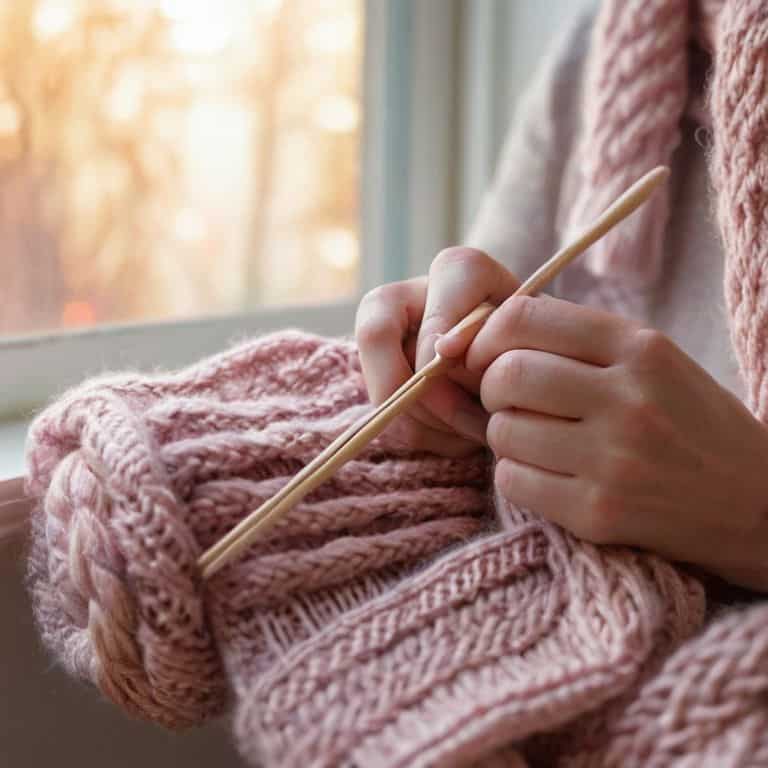
As I sit here surrounded by balls of yarn and half-finished projects, I’m reminded of the joy that comes with how to knit a scarf. It’s a project that’s often misunderstood as being tedious or complicated, but I’m here to tell you that it’s quite the opposite. With the right mindset and a few simple tips, knitting a scarf can be a truly meditative experience. I still remember my first scarf, knitted from a beautiful, hand-dyed yarn that my grandmother had given me. It was a bit wonky, but it was mine, and I wore it with pride.
In this article, I’ll share my honest, no-frills approach to knitting a scarf. You won’t find any complicated patterns or confusing jargon here, just straightforward advice on how to choose the right yarn, select the perfect needles, and create a beautiful, cozy scarf that you’ll treasure for years to come. Whether you’re a complete beginner or just looking to refresh your skills, I’ll guide you through every step of the process, from casting on to binding off. So, grab your knitting needles and let’s get started on this creative journey together!
Table of Contents
Guide Overview: What You'll Need
Total Time: 5 hours 30 minutes
Estimated Cost: $20 – $40
Difficulty Level: Intermediate
Tools Required
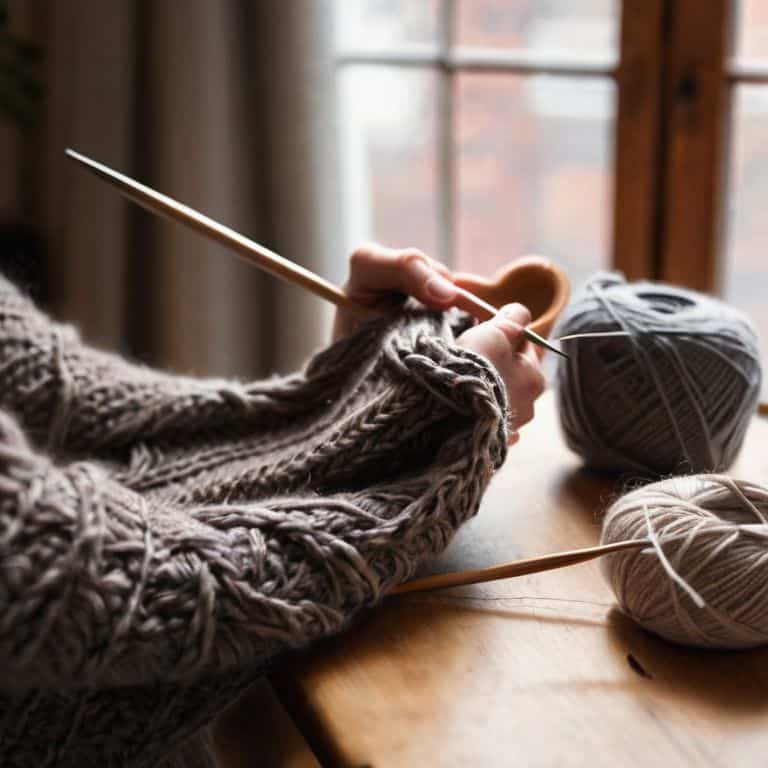
- Knitting Needles US size 8 or 9
- Scissors (sharp, for cutting yarn)
- Tapestry Needle (for weaving in ends)
- Measuring Tape (for measuring scarf length, in inches)
Supplies & Materials
- Yarn medium weight, approximately 300-400 yards
- Stitch Markers (optional, for tracking pattern repeats)
- Yarn Needle (for sewing seams, if necessary)
Step-by-Step Instructions
- 1. First, let’s start by choosing the perfect yarn for our scarf. I always say that the yarn is the heart of any knitting project, so pick one that makes you happy and feels wonderful to the touch. Consider the season, the recipient (if it’s a gift), and the style you’re aiming for – do you want something bold and bright, or soft and subtle?
- 2. Next, we need to decide on the needle size. This is where the magic happens, as the right needles can make all the difference in the world. If you’re a beginner, don’t worry if you’re not sure – just remember that bigger needles make bigger stitches, and smaller needles make smaller stitches. For a scarf, you’ll typically want to use needles that are between 8 and 13 inches long.
- 3. Now that we have our yarn and needles, it’s time to cast on. This is the process of getting the stitches onto your needles, and it can be a bit fiddly at first, but don’t worry, you’ll get the hang of it. There are several methods to cast on, but I always recommend the long-tail cast on – it’s easy to learn, and it creates a nice, stretchy edge.
- 4. With our stitches cast on, we can start knitting. Remember to always keep it relaxed, as tense knitting can lead to uneven stitches. Insert the right needle into the first stitch on the left needle, wrap the yarn around, and pull it through – that’s one knit stitch. Repeat this process until you’ve knit all the stitches on your left needle.
- 5. As we knit, we’ll need to keep track of our rows. This is where a row counter comes in handy – it’s a small tool that helps you keep track of how many rows you’ve completed. Don’t worry if you lose count, though – it’s easy to get back on track. Just remember that for a scarf, you’ll typically want to knit until it’s the desired length.
- 6. Now, let’s talk about the knit stitch pattern. For a simple scarf, we can just knit every row, but feel free to get creative and add some texture with purl stitches or other patterns. The key is to have fun and experiment with different stitches until you find one that you love.
- 7. As we near the end of our scarf, it’s time to think about binding off. This is the process of securing the last row of stitches, and it’s easier than you think. Simply knit the first stitch on your left needle, then pass the second stitch over the first – repeat this process until you have one stitch left, then cut the yarn and pull it through the last loop.
- 8. Finally, let’s block our scarf. This is the process of wetting and stretching out the scarf to even out the stitches and give it a professional finish. Don’t worry if it sounds complicated – it’s actually quite easy, and it makes all the difference in the world. Simply wet the scarf, stretch it out to the desired shape, and let it dry – then you’ll have a beautiful, handmade scarf to wear and enjoy.
Wrap Yourself in Wonder
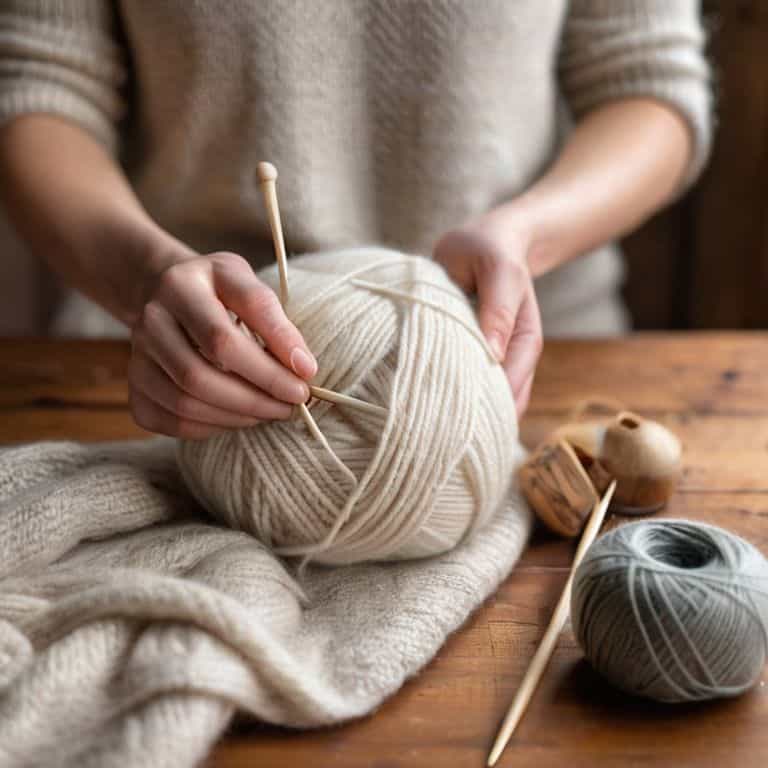
As we dive into the world of scarf knitting, I want to share some essential tips that will make your journey even more enjoyable. For knitting for beginners, it’s crucial to choose the right yarn type, as it can make or break the overall look and feel of your scarf. I recommend exploring different yarn types for scarves, such as merino wool or cashmere, to find the one that suits your taste and skill level.
When it comes to simple scarf designs, less is often more. Don’t be afraid to experiment with basic patterns, like the garter stitch or stockinette stitch, to create a timeless and elegant look. For those who are left-handed, don’t worry – with a little practice, you’ll be knitting like a pro in no time. Remember to relax and have fun, as knitting is all about enjoying the process and creating something beautiful with your own hands.
As you progress in your scarf-knitting adventure, you might want to explore scarf patterns for men or try out different knitting needle sizes to achieve the perfect texture and drape. Always trust your instincts and don’t be afraid to try new things – after all, that’s what makes knitting so magical. With patience and practice, you’ll be wrapping yourself in wonder, and your loved ones will be begging for your handmade creations.
Choose Perfect Yarn Types
As we delve into the world of scarf knitting, the yarn you choose is where the magic truly begins. I adore exploring different textures and fibers, from the softness of merino wool to the subtle sheen of silk blends. For a scarf that’s both cozy and stylish, consider yarns with a mix of wool and alpaca – they drape beautifully and have a wonderful warmth to them.
When selecting the perfect yarn, remember to trust your instincts and choose one that resonates with you. If you’re looking for something lightweight and perfect for spring, a cotton or linen blend might be just the thing. Whatever you choose, make sure it’s a yarn that makes you happy – after all, that’s what knitting is all about!
Discover Scarf Patterns for Men
As we dive deeper into the world of scarf knitting, let’s not forget about our gentlemen friends who appreciate a good accessory. I just love designing scarves for men – there’s something so satisfying about creating a piece that adds a touch of elegance to their everyday look. From classic cables to modern textures, there are so many amazing patterns to explore.
For a stylish and versatile option, consider a simple yet sophisticated ribbed scarf. Alternatively, you could try a more intricate design like a herringbone or tweed pattern, which adds a lovely depth and visual interest. Whatever pattern you choose, I just know your special someone will appreciate the thought and love that goes into knitting a beautiful scarf just for them.
Weaving Wisdom: 5 Essential Tips for Knitting a Scarf
- Let your yarn speak to you – choose a color and texture that resonates with your personality and the season
- Swatch, swatch, swatch – it’s the secret to ensuring your scarf lies flat and looks fabulous
- Don’t be afraid to mix and match patterns – a simple garter stitch or stockinette can be elevated with a pop of cable or lace
- Mind your tension – it’s the key to a scarf that’s soft, drapey, and utterly cozy
- Join the ranks of the finishing fanatics – weave in those ends, block your scarf, and watch it transform into a true work of art
Key Takeaways for Knitting the Perfect Scarf
Remember to choose a yarn that brings you joy and complements the season, whether it’s a soft merino wool for winter or a lightweight cotton for spring
Experiment with different scarf patterns, from classic garter stitch to more intricate cable designs, to find the one that resonates with your personal style
Don’t be afraid to add your own unique twist to your scarf, whether it’s through subtle color variations or the incorporation of natural dyes, to make it a truly one-of-a-kind creation
The Gentle Art of Scarf Knitting
As we wrap our needles in yarn, we’re not just creating a scarf, we’re weaving a moment of peace into our busy lives, one gentle stitch at a time.
Clara Meadows
Weaving a Tale of Cozy Wonder
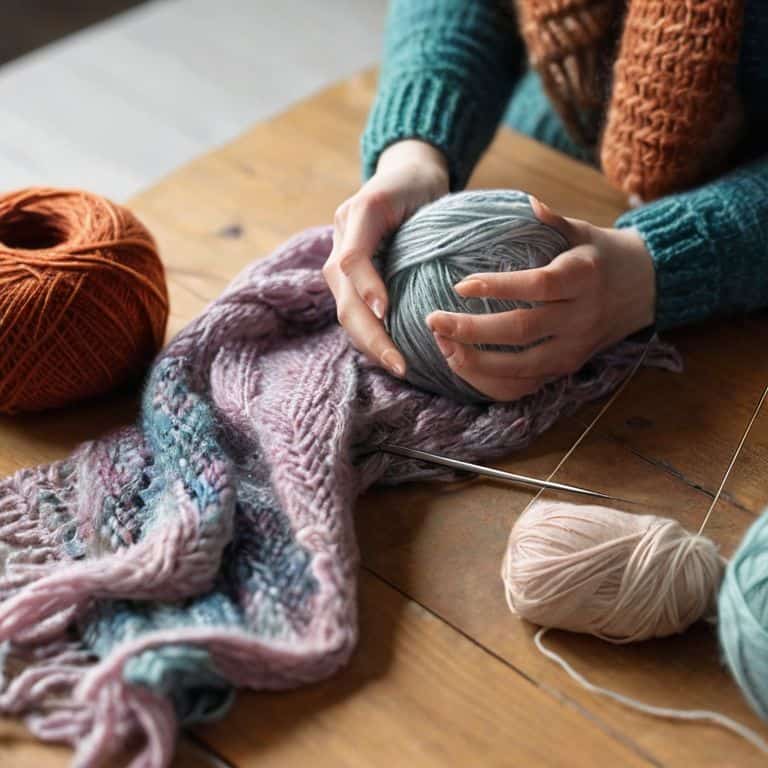
As we come to the end of our journey on how to knit a scarf, let’s take a moment to reflect on the key points we’ve covered. From choosing the perfect yarn to exploring various scarf patterns, we’ve discovered that knitting a scarf is not just about creating something warm and cozy, but also about embracing the process. We’ve delved into the world of scarf patterns for men, and explored the wonderful realm of yarn types, finding the perfect blend of texture and color to make our scarves truly special.
As you put down your needles and wrap yourself in the warmth of your newly knitted scarf, remember that the true magic of knitting lies not just in the finished product, but in the mindful moments we experience along the way. So, take a deep breath, feel the softness of the yarn, and let the sense of accomplishment wash over you – for in the world of knitting, it’s not just about creating something beautiful, but about weaving a tale of cozy wonder, one stitch at a time.
Frequently Asked Questions
What is the best way to determine the right size of scarf for my body type?
To find the perfect scarf size for your body, consider your height and personal style. As a general rule, a scarf that’s about 6-8 inches wide and 50-60 inches long is versatile, but feel free to experiment – you can always adjust the length and width to suit your frame and flair.
How do I prevent my scarf from curling at the edges as I knit?
To prevent curling, try adding a border of single ribbing or garter stitch to your scarf. This will help weigh down the edges and keep them lying flat. You can also block your finished scarf to even out the stitches and discourage curling – it’s like giving your scarf a little spa day!
Can I use a combination of different yarn weights and textures to create a unique and interesting scarf design?
I just love experimenting with different yarn weights and textures. Yes, you can definitely mix and match to create a one-of-a-kind scarf. Try pairing smooth yarns with chunky ones or combining soft merinos with crunchy linens. The key is to balance contrasting textures and weights for a visually appealing result.
