
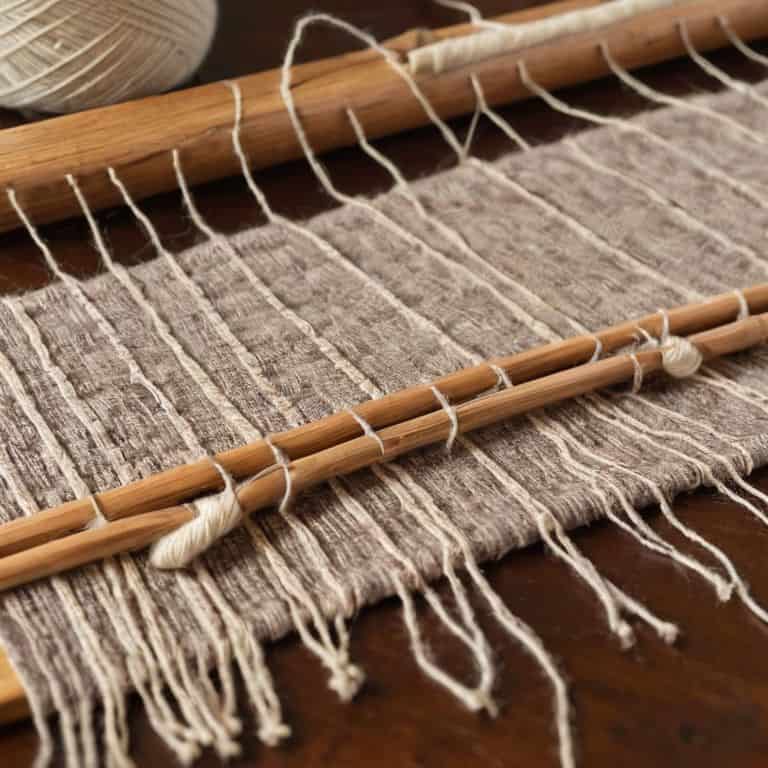
As I sit at my loom, surrounded by threads of earthy tones and natural fibers, I’m reminded of the common myth that your first weaving project idea needs to be complex and overwhelming. Many believe that to create something beautiful, you need to start with a intricate pattern or a plethora of colors. But I’m here to tell you that’s just not true. My journey as a weaver began with a simple desire to experiment with texture and form, and I’ve found that the most stunning pieces often emerge from a minimalist approach.
In this article, I’ll guide you through the process of bringing your first weaving project idea to life, focusing on the essentials of texture, color, and form. We’ll explore how to choose the right materials, design a pattern that resonates with you, and bring your vision to life, thread by thread. I’ll share my own experiences, tips, and tricks to help you navigate the world of weaving, and by the end of this guide, you’ll be equipped with the knowledge and confidence to create a truly unique and beautiful woven piece. Whether you’re a seasoned crafter or a complete beginner, I invite you to join me on this journey, and discover the joy of weaving as a form of artistic expression.
Table of Contents
Guide Overview: What You'll Need
Total Time: 2 hours 30 minutes
Estimated Cost: $20 – $40
Difficulty Level: Easy
Tools Required
- Fork (for combing out yarn)
- Measuring Tape (for measuring 12 inches by 12 inches frame)
- Scissors (for cutting yarn to 6 feet lengths)
- Weaving Needle (for weaving yarn through warp threads)
Supplies & Materials
- Yarn (various colors, 100 yards each)
- Warp Yarn (1 spool, 300 yards)
- Weaving Frame (12 inches by 12 inches, wooden or plastic)
- Shuttle (for passing yarn through shed)
Step-by-Step Instructions
- 1. First, let’s start by selecting the right materials for our project. I recommend choosing a simple yet elegant yarn that reflects the earthy tones we want to achieve in our wall hanging. Consider a combination of natural fibers like wool, linen, or raw silk to add depth and texture to your piece. As an architect turned weaver, I can assure you that the right materials will make all the difference in the overall aesthetic of your woven art.
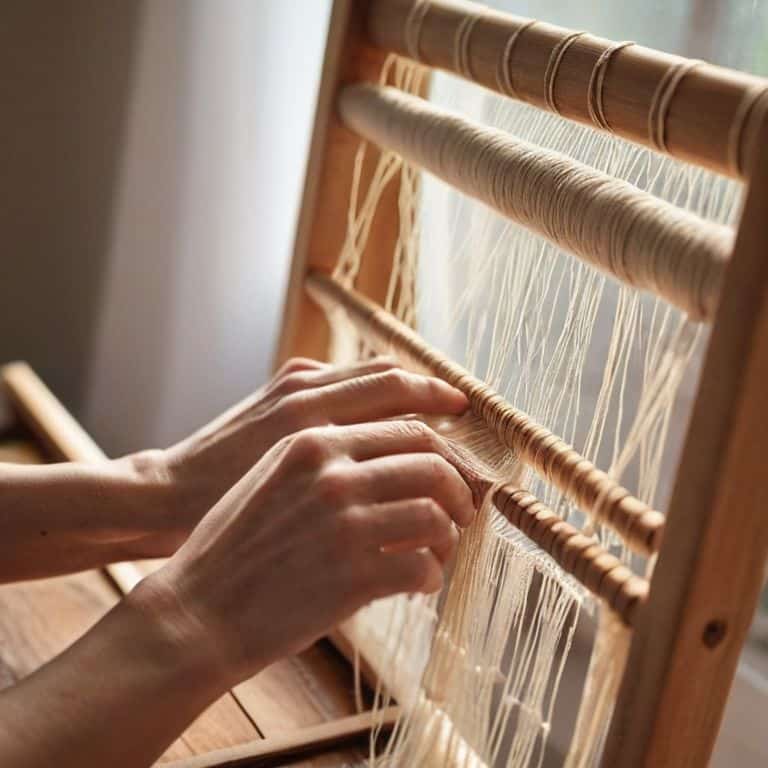
- 2. Next, we need to set up our loom. If you’re a beginner, don’t worry if you don’t have a loom yet – you can start with a simple frame loom or even a cardboard box. The key is to create a sturdy foundation that will allow you to weave your threads with ease. I like to think of setting up my loom as building the skeleton of my artwork, providing the structure needed to bring my vision to life.
- 3. Now it’s time to create a simple pattern. For our first project, let’s stick to a basic design that showcases the beauty of our chosen yarns. You can use graph paper to sketch out your design, taking into account the colors, textures, and patterns you want to feature. As someone who loves architectural photography, I appreciate the importance of balance and composition in design.
- 4. With our materials and pattern in place, we can start warping our loom. This is the process of stretching the warp threads across the loom, creating the foundation for our weaving. Make sure to keep your threads taut and evenly spaced to ensure a smooth weaving process. I find that working with natural fibers can be a bit more challenging, but the end result is well worth the extra effort.
- 5. Once our loom is warped, we can start weaving our first row. Begin by passing the weft thread over and under the warp threads, using a simple over-under pattern. Don’t worry too much about perfection at this stage – the beauty of weaving lies in its imperfections and textures. As you work, pay attention to the way the threads interact with each other, creating a unique fabric that is both functional and beautiful.
- 6. As we continue weaving, it’s essential to maintain tension and consistency. Keep your threads at a consistent tension to avoid puckering or sagging, and make sure to leave enough space between each row for a smooth, even weave. I like to think of this process as building with yarn, carefully constructing each layer to create a sturdy and visually appealing piece.
- 7. Finally, when our wall hanging is complete, we can finish the edges and add any final touches. You can use a simple knot or a more intricate binding technique to secure the threads and prevent fraying. Take a step back and admire your handiwork – you’ve just created a beautiful piece of woven art that showcases your unique style and attention to texture.
Your First Weaving Project Idea
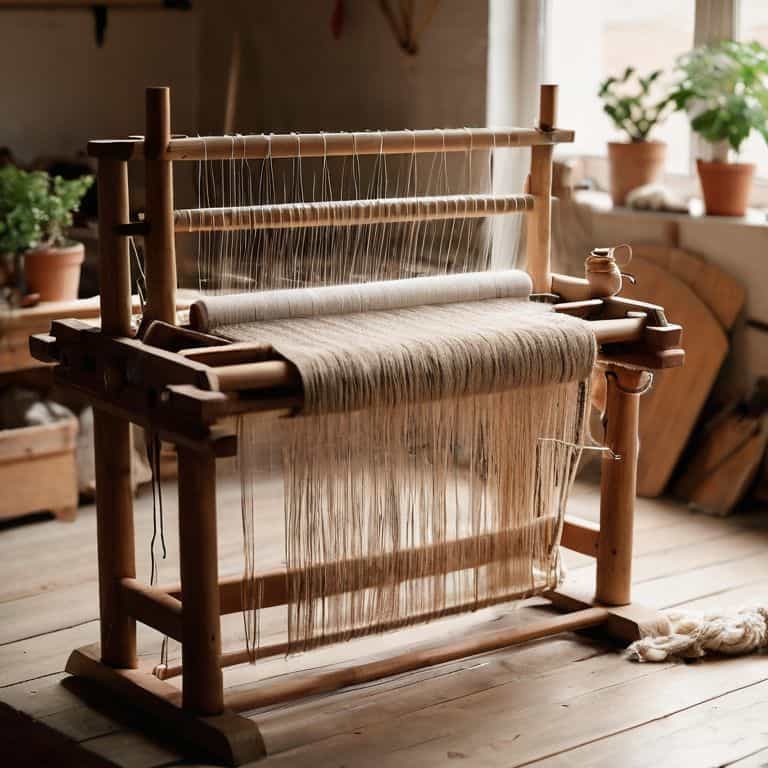
As I sit at my loom, surrounded by spools of yarn and half-finished projects, I’m reminded of the importance of choosing the right yarn for your weaving project. It’s a decision that can make or break the overall aesthetic and texture of your piece. For beginners, I recommend starting with a simple, natural fiber like wool or cotton. These yarns are not only easy to work with, but they also provide a beautiful, organic texture that’s perfect for hand weaving techniques for beginners.
When it comes to designing your wall hanging, don’t be afraid to experiment with different weaving patterns. You can find inspiration online or create your own unique design using graph paper. I like to think of my weaving projects as miniature architectural designs, with each thread and yarn carefully selected to create a specific texture and form. By using basic weaving tools for starters, you can bring your design to life and create a truly one-of-a-kind piece of art.
As you begin your project, remember to keep it simple and have fun. Weaving project ideas for home decor are endless, and the beauty of weaving lies in its versatility. Whether you’re creating a wall hanging, a rug, or a piece of furniture, the process of weaving is just as important as the end result. By focusing on the journey, rather than the destination, you’ll find that your project takes on a life of its own, and the simple loom projects you create will be truly special.
Hand Weaving Techniques for Beginners Start
As we dive into hand weaving techniques, I want to emphasize the importance of experimentation and play. For beginners, it’s essential to start with simple, intuitive methods that allow you to connect with the yarn and the loom. I recommend beginning with a basic tabby weave or a simple twill pattern, which will help you develop a sense of rhythm and texture. Remember, the key to mastering these techniques is to take your time and focus on the process, rather than rushing to complete a project.
By starting with these fundamental techniques, you’ll begin to develop your own unique voice and style, and you’ll be amazed at how quickly you can create complex, beautiful patterns. As you work, pay attention to the way the yarn interacts with the loom, and don’t be afraid to try new things – it’s all part of the creative journey.
Simple Loom Projects for Home Decor Inspiration
As I sit at my loom, surrounded by natural fibers and half-finished projects, I’m reminded of the endless possibilities for home decor inspiration. Simple loom projects can add a touch of handmade elegance to any room. I love experimenting with different textures and colors to create unique pieces that reflect my personal style. From wall hangings to table runners, the options are vast and exciting.
For me, the key to creating beautiful home decor pieces is to focus on clean lines, minimal patterns, and an emphasis on texture. I find inspiration in the natural world – the roughness of tree bark, the smoothness of river rocks – and try to incorporate these elements into my weaving. By keeping my designs simple and understated, I allow the natural beauty of the materials to shine through, adding a sense of warmth and character to any space.
5 Essential Tips to Bring Your First Weaving Project to Life
- Start by selecting a limited color palette to maintain cohesion and focus on texture and form
- Choose a simple yet impactful pattern, such as a geometric design or a natural fiber-inspired motif
- Experiment with different yarn weights and textures to add depth and visual interest to your piece
- Don’t be afraid to make mistakes – they can often lead to unexpected and exciting design developments
- Consider the space where your woven piece will be displayed and design with that environment in mind, taking into account factors like lighting and scale
Three Essential Takeaways for Your First Weaving Project
As you embark on your weaving journey, remember that texture is the foundation of a compelling piece, and experimenting with different yarns and materials can elevate your design
Starting small with simple loom projects or hand weaving techniques can help build confidence and develop the skills necessary for more complex and large-scale woven art installations
Ultimately, the art of weaving is about creative expression and patience, so don’t be afraid to make mistakes and view them as opportunities to learn and grow as a textile artist
Weaving Wisdom
As I always say, your first weaving project is not just about threading a loom, it’s about building a relationship with the yarn, understanding its texture, its voice, and its potential to become something breathtakingly beautiful.
Ethan Thorne
Weaving Your Path to Creativity
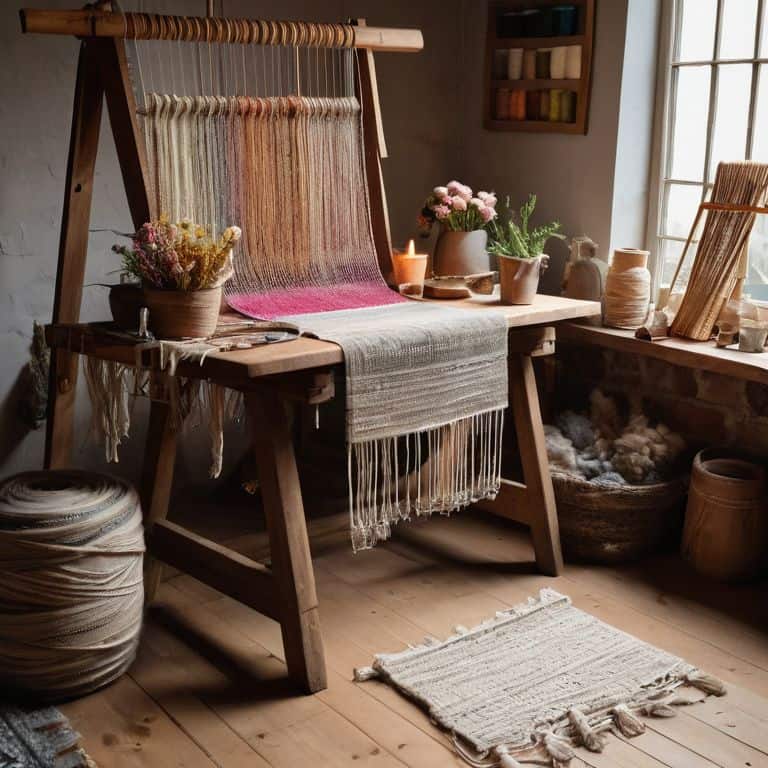
As you’ve embarked on your first weaving project, remember that the journey is just as important as the destination. You’ve learned about hand weaving techniques and explored simple loom projects that can inspire your home decor. The key to unlocking your creativity lies in experimenting with different textures, colors, and forms. Don’t be afraid to mix and match various yarns and materials to create unique pieces that reflect your personality. By doing so, you’ll not only develop your skills but also cultivate a sense of style that sets your work apart.
As you continue to weave and grow as an artist, keep in mind that the true beauty of weaving lies in its ability to transform threads into stories. Every piece you create is a testament to your imagination and skill. So, don’t hesitate to push boundaries, try new things, and make mistakes – they’re an essential part of the learning process. With patience, practice, and a willingness to experiment, you’ll find that weaving becomes a meditative and fulfilling experience that brings you joy and inspiration.
Frequently Asked Questions
What type of yarn is best suited for a beginner's first weaving project?
For a beginner’s first project, I recommend a medium-weight yarn with a smooth texture, such as a blend of wool and cotton. This type of yarn is easy to work with and forgiving, allowing you to focus on developing your weaving skills without getting frustrated with slippery or bulky fibers.
How do I choose a color palette that will complement my home decor for my first weaving project?
Choosing a color palette is like selecting the perfect building materials – it sets the tone for the entire piece. Consider the natural fibers and textures in your home, and think about how you can complement them with earthy tones, rich woods, or bold accents. I like to collect color inspiration from nature and architecture to create a cohesive look.
What are some common mistakes to avoid when setting up my loom for the first time?
When setting up your loom for the first time, beware of uneven tension and misaligned warp threads. Double-check that your warp is evenly spaced and securely attached to the loom’s frame. I like to sketch out my loom setup on graph paper beforehand to ensure accuracy – it’s a habit from my architecture days that still serves me well in weaving.
