
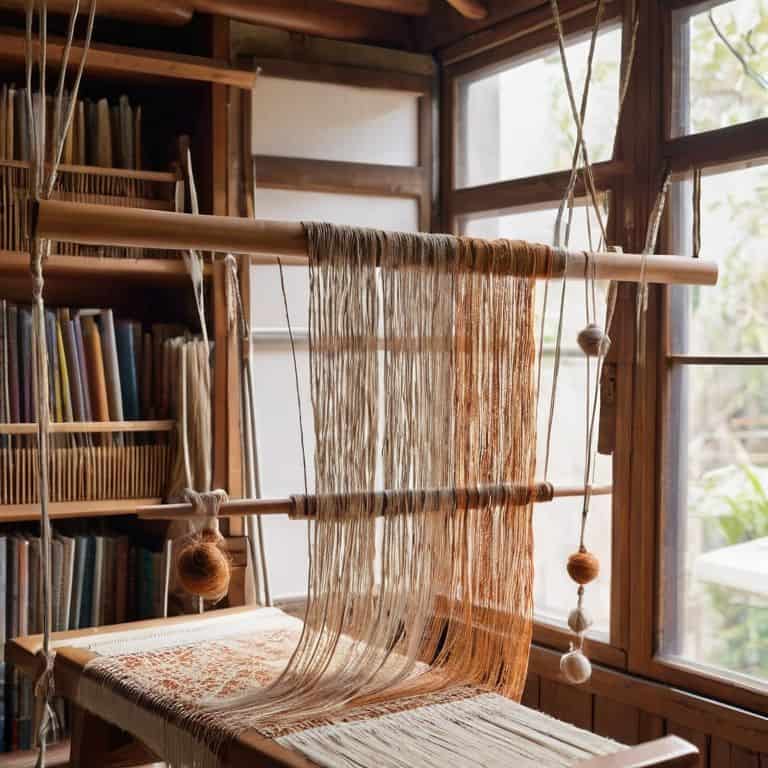
As I sit at my loom, surrounded by the gentle hum of yarn and the soft glow of natural light, I’m reminded of a common myth that often deters people from exploring the world of weaving: that it’s a complex, intimidating craft only suited for the experienced. But the truth is, weaving is an art form that can be mastered by anyone, and that’s exactly what I aim to prove with a guide to weaving for beginners. I’ve seen it time and time again – with a little patience and practice, even the most novice weaver can create something truly stunning.
In this article, I promise to cut through the noise and provide you with honest, practical advice on how to get started with weaving. I’ll share my own experiences, from the early days of experimenting with different yarns and textures to my current work as a textile artist, creating large-scale woven installations. My goal is to empower you with the knowledge and confidence to take your first steps in this incredible journey, and to show you that weaving is not just a hobby, but a form of artistic expression. Whether you’re looking to create something functional or purely decorative, I’ll guide you through the process of building texture, form, and beauty, one thread at a time.
Table of Contents
Guide Overview: What You'll Need
Total Time: 2 hours 30 minutes
Estimated Cost: $20 – $50
Difficulty Level: Easy
Tools Required
- Loom (simple frame or rigid heddle)
- Shuttle (for passing weft yarn)
- Scissors (sharp and dedicated to cutting yarn)
- Measuring Tape (for measuring warp and weft lengths)
- Yarn Needle (for weaving in ends)
Supplies & Materials
- Yarn (various colors and textures)
- Warp Yarn (specifically designed for warping)
- Weft Yarn (for filling in the weave)
- Thread (for sewing in ends)
- Fabric (optional for adding embellishments)
Step-by-Step Instructions
- 1. To begin our journey into the world of weaving, let’s start with the basics of loom setup. This involves carefully assembling your loom, whether it’s a simple frame loom or a more complex floor loom. I find that visualizing the final product helps me stay focused during this initial stage. Ensure all parts are securely attached and that the loom is stable, as this will affect the quality of your weave.
- 2. Next, we need to choose our yarn. This is where the magic begins, as the yarn selection will dictate the texture and color palette of your final piece. Consider the type of fiber, its weight, and the color story you want to tell. I often find inspiration in natural landscapes, which helps me select yarns that evoke a sense of earthiness and simplicity.
- 3. With our yarn chosen, it’s time to measure and cut the warp threads. This is a crucial step, as the length and tension of these threads will determine the structural integrity of your weave. Use a measuring tape and cut your threads to the desired length, leaving a little extra for finishing. I always double-check my measurements to avoid any mistakes.
- 4. Now, we’ll thread the loom. This involves carefully passing each warp thread through its corresponding slot or heddle on the loom. It’s a bit like building with yarn, where each thread serves as a foundation for the next. Take your time, as patience is key in this step. I find that listening to music helps me stay focused and enjoy the process.
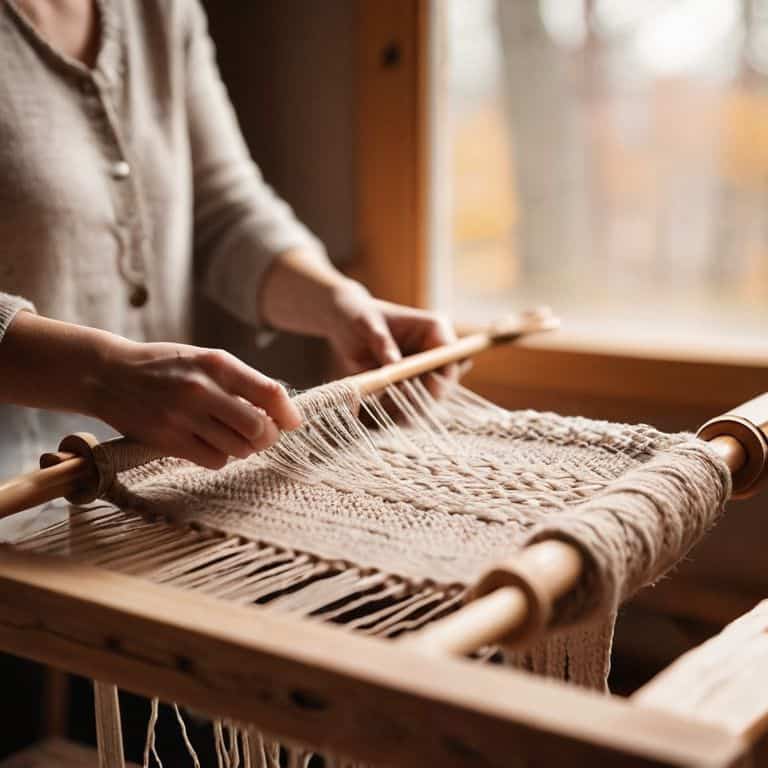
- 5. Once the loom is threaded, we can start weaving the weft. This is where you’ll begin to see your design come to life. Pass the weft yarn over and under the warp threads, using a shuttle or a simple stick to guide it. Remember, texture is everything in weaving, so experiment with different patterns and yarn weights to achieve the desired effect.
- 6. As you continue weaving, it’s essential to maintain even tension. This ensures that your fabric lies flat and that the weave is consistent. I like to check my tension regularly, adjusting as needed to prevent any sagging or puckering. It’s a bit like adjusting the blueprints of a building to ensure structural soundness.
- 7. Finally, when your weave is complete, it’s time to finish the edges. This can be done in a variety of ways, from a simple knot to a more complex braiding technique. I prefer clean, minimalist finishes that don’t distract from the beauty of the weave itself. Take pride in your work, and remember, every thread counts in creating a piece that is truly stunning and unique.
A Guide to Weaving for Beginners
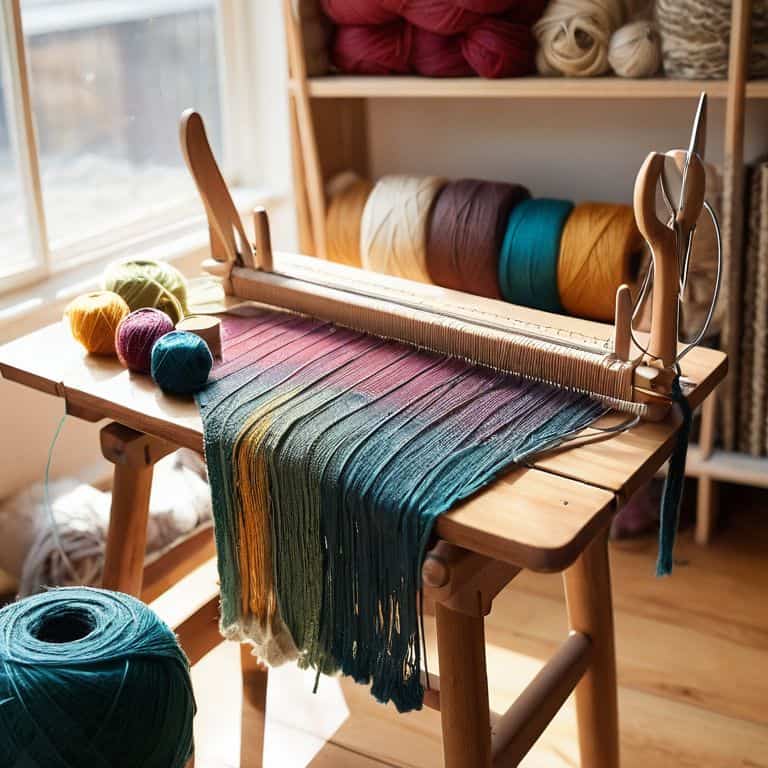
As I delve deeper into the world of weaving, I’m often asked about simple weaving patterns for beginners. My advice is to start with basic designs and gradually experiment with more complex ones. This allows you to develop your skills and understand how different yarns and textures interact. When it comes to choosing the right yarn, consider the fiber content, weight, and color palette to ensure it aligns with your project’s vision.
In addition to selecting the right materials, it’s essential to familiarize yourself with basic weaving tools for starters. This includes a loom, shuttle, and scissors, among others. Understanding weaving terminology is also crucial, as it will help you navigate tutorials and patterns with ease. Don’t be intimidated by unfamiliar terms – they’ll become second nature as you progress in your weaving journey.
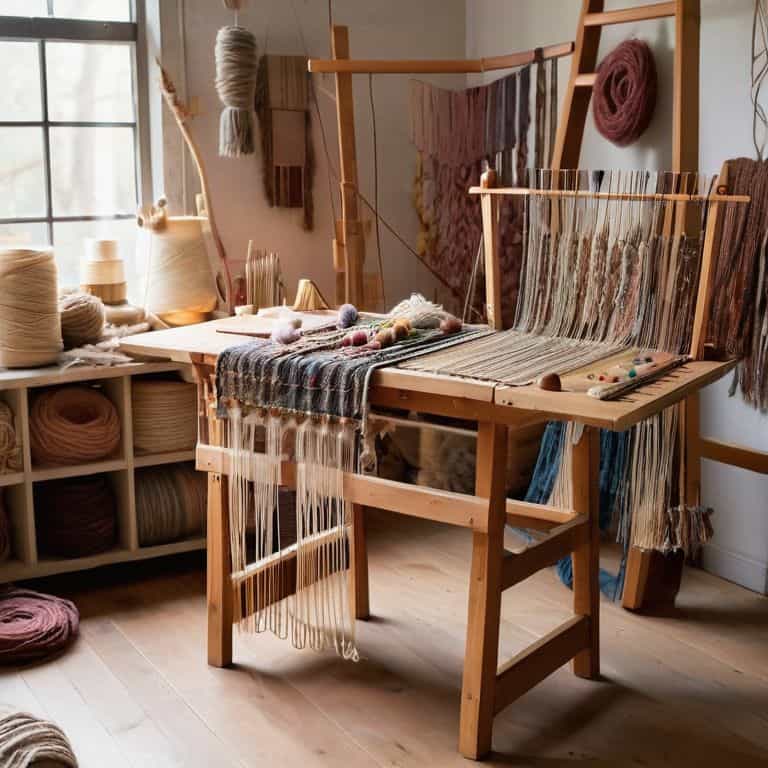
To take your weaving to the next level, consider setting up a weaving studio at home. This can be as simple as dedicating a corner of your room to your loom and yarn collection. Having a dedicated space will inspire you to explore new weaving project ideas for beginners and help you stay organized. Remember, the key to improving your skills is to be consistent and patient, allowing yourself to experiment and learn as you go.
Choosing the Right Yarn and Tools
As I always say, building with yarn is an art form, and the foundation of any great piece is the materials you choose. For beginners, selecting the right yarn and tools can be overwhelming, but it’s essential to get it right. I recommend starting with natural fibers like linen or raw silk – they have a unique texture that adds depth to your work. When it comes to tools, invest in a good quality loom and a set of sharp scissors. These basics will allow you to focus on the craft, rather than fighting with your materials.
I’ve found that having the right yarn and tools can make all the difference in the world. It’s like having the perfect camera for architectural photography – it allows you to capture the essence of your subject. In weaving, the yarn is your medium, and the tools are your brushes. By choosing the right ones, you’ll be able to bring your vision to life, thread by thread.
Simple Patterns for Beginner Weavers
As I sit at my loom, surrounded by skeins of linen and raw silk, I’m reminded of the beauty in simplicity. Simple patterns are the foundation of weaving, and as a beginner, it’s essential to start with these basics. The plain weave, twill, and basketweave are classic patterns that showcase the texture and form of the yarn. I find that these patterns are not only easy to learn but also versatile, allowing you to experiment with different fibers and colors.
By mastering these simple patterns, you’ll be able to create a wide range of projects, from scarves and blankets to wall hangings and even three-dimensional pieces. I encourage you to play with different yarn weights, colors, and textures to add depth and visual interest to your work. Remember, the key to weaving is to build slowly and thoughtfully, thread by thread, allowing the natural beauty of the materials to shine through.
Foundational Threads: 5 Essential Tips for Beginner Weavers
- Start with simple looms or frames to understand the basics of tension and yarn flow
- Experiment with natural fibers like linen, cotton, or raw silk to develop a sense of texture and drape
- Always sketch your design ideas on graph paper before beginning a project to visualize the final piece
- Pay attention to the interplay between color, texture, and form in your weaving – it’s the heart of creating visually striking pieces
- Practice patience and don’t be afraid to undo and redo sections – every mistake is an opportunity to learn and improve your craft
Essential Reminders for Beginner Weavers
Understand that every woven piece is a unique creation, much like a work of architecture, where texture, form, and color come together in harmony
Remember to choose the right yarn and tools for your project, considering factors like fiber type, weight, and color to achieve the desired aesthetic and durability
Practice patience and enjoy the process of building your weaving skills, as the journey of learning is just as valuable as the final piece of art you create, thread by thread
Weaving Wisdom
As we embark on this journey of weaving, remember that every thread is a brushstroke, every yarn a pigment, and every loom a canvas waiting to bring your unique vision to life.
Ethan Thorne
Weaving a New Path: Conclusion
As we conclude this journey through the basics of weaving, remember that the foundation of any great piece is in the simple patterns and choice of materials. We’ve explored the essential steps to get you started, from setting up your loom to creating your first woven pieces. The key to mastering weaving is practice, patience, and a willingness to experiment with different yarns and tools. Don’t be afraid to try new things and make mistakes – they are an integral part of the learning process. By following the step-by-step guide outlined in this article, you’ve taken the first steps towards unlocking the full potential of weaving as a form of artistic expression.
Now, as you embark on your own weaving journey, keep in mind that the true beauty of this craft lies in its ability to build with yarn, to create something from nothing, and to bring your ideas to life. Weaving is not just about threading yarn through a loom; it’s about designing, creating, and pushing the boundaries of what’s possible with fiber. So, don’t just weave – create, innovate, and inspire. With every thread, you’re not only building a piece of fabric; you’re crafting a piece of yourself. Happy weaving, and I look forward to seeing the incredible things you will create!
Frequently Asked Questions
What are some common mistakes to avoid as a beginner weaver?
As a beginner weaver, I’ve learned to watch out for uneven tension, mismatched yarn weights, and insufficient planning. These mistakes can lead to wonky textures, inconsistent patterns, and a piece that’s more frustrating than functional. Take your time, and remember, every thread counts – literally.
How do I choose the right type of yarn for my first weaving project?
When selecting yarn for your first project, consider the texture and mood you want to achieve. I recommend starting with natural fibers like linen or raw silk, as they offer a unique tactile experience. Think about the color palette and how it will interact with your loom’s dimensions – it’s all about building with yarn, after all!
What are the essential tools I need to get started with weaving?
To start weaving, you’ll need a few essential tools: a loom, weaving needle, shuttle, and scissors. I recommend investing in a simple frame loom or rigid heddle loom to begin with. As a textile artist, I can attest that having the right tools will make all the difference in your weaving journey.
