
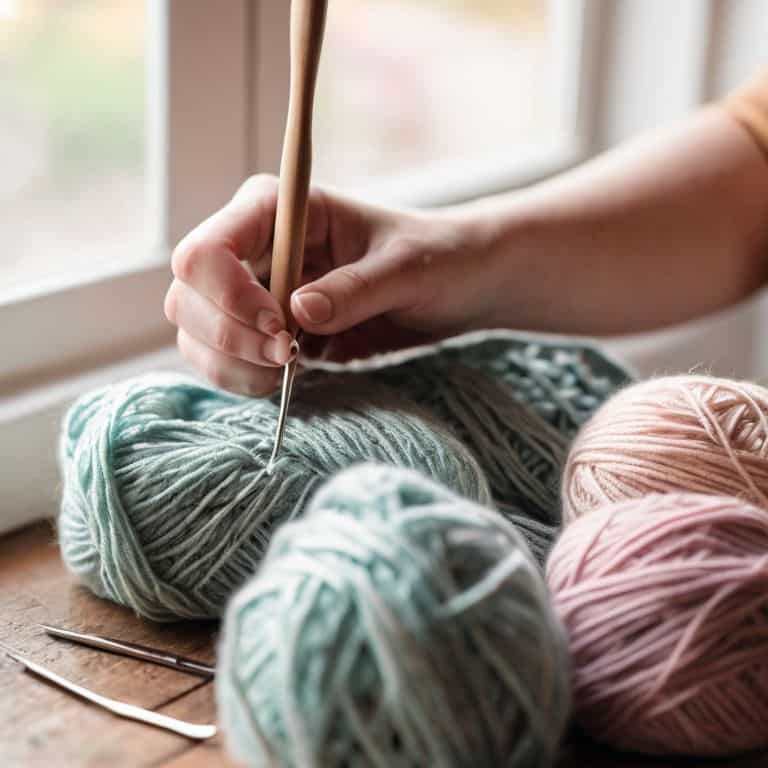
I still remember the day I discovered the joy of crochet – I was a student in art school, and a friend taught me how to make a simple _granny square_. From that moment on, I was hooked (pun intended)! As I delved deeper into the world of crochet, I realized that there’s a common myth surrounding a guide to crochet stitches: that it’s only for grandmas or that it’s too complicated to learn. But the truth is, crochet is an art form that can be mastered by anyone, regardless of age or skill level. With the right foundation, you can create stunning pieces that will make your friends and family go wow.
In this article, I’ll share my honest, no-hype advice on how to get started with a guide to crochet stitches. You’ll learn about the most essential stitches, from the basic single crochet to more complex ones like the treble crochet. My goal is to empower you with the knowledge and confidence to create your own unique pieces, whether it’s a cozy blanket, a stylish hat, or a beautiful amigurumi toy. By the end of this guide, you’ll be well on your way to becoming a crochet master, and I just can’t wait to see what amazing creations you’ll come up with!
Table of Contents
- Guide Overview: What You'll Need
- Step-by-Step Instructions
- A Guide to Crochet Stitches
- Avoiding Common Mistakes With Types of Crochet Hooks
- Unraveling Crochet Stitch Patterns for Beginners
- Hooked to Perfection: 5 Essential Tips for Mastering Crochet Stitches
- Key Takeaways to Unlock Your Crochet Potential
- The Heart of Crochet
- Conclusion: Embracing the Joy of Crochet
- Frequently Asked Questions
Guide Overview: What You'll Need
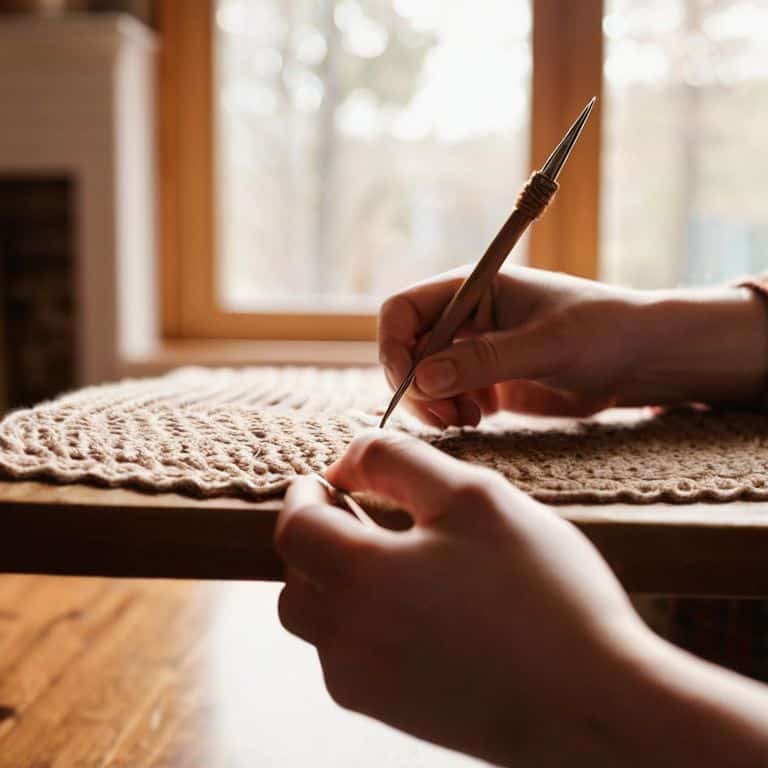
Total Time: 2 hours 30 minutes
Estimated Cost: $10 – $30
Difficulty Level: Easy
Tools Required
- Crochet Hook available in various sizes
- Tapestry Needle for weaving in ends
- Scissors for cutting yarn
Supplies & Materials
- Yarn choose your preferred color and type
- Stitch Markers optional, but helpful for tracking stitches
- Measuring Tape for measuring your work in inches
Step-by-Step Instructions
- 1. First, let’s start with the basics: to begin crocheting, you’ll need to create a slip knot on your hook. To do this, hold the yarn in one hand, make a loop with the yarn, and then hook the crochet hook through the loop. Pull the yarn tight to create a small knot on the hook. This will be the foundation of your crochet project, and it’s essential to get it just right.
- 2. Next, you’ll need to chain stitch to create the foundation of your project. To do this, insert the hook back into the slip knot and pull up a loop. You’ll then have two loops on the hook. Next, yarn over (which means to take the yarn and wrap it around the hook) and pull through both loops on the hook. This will create one chain stitch. Repeat this process until you have the desired length for your project, keeping in mind that the chain stitch is a bit like the skeleton of your project.
- 3. Now that you have your foundation chain, it’s time to start crocheting. Let’s start with the single crochet (sc) stitch. To make a single crochet, insert the hook into the second chain from your hook. Yarn over, pull up a loop (you should now have two loops on the hook), yarn over again, and pull through both loops on the hook. This will complete one single crochet stitch. The key to the single crochet stitch is to keep your tension even, so practice makes perfect.
- 4. The half double crochet (hdc) stitch is another essential stitch to master. To make a half double crochet, yarn over, insert the hook into the third chain from your hook. Yarn over, pull up a loop (you should now have three loops on the hook), yarn over again, and pull through all three loops on the hook. This will complete one half double crochet stitch. Remember, the half double crochet stitch is a bit taller than the single crochet, so it’s great for adding some texture to your project.
- 5. The double crochet (dc) stitch is similar to the half double crochet, but it’s even taller. To make a double crochet, yarn over, insert the hook into the fourth chain from your hook. Yarn over, pull up a loop (you should now have three loops on the hook), yarn over again, and pull through the first two loops on the hook, then yarn over again and pull through the last two loops on the hook. This will complete one double crochet stitch. The double crochet stitch is perfect for creating a relaxed, airy fabric.
- 6. As you get more comfortable with these basic stitches, you can start to experiment with different stitch patterns. One of my favorites is the moss stitch, which involves alternating between single crochet and chain stitches. To make a moss stitch, start by making a single crochet stitch, then chain one, skip one stitch, and make another single crochet stitch. This creates a beautiful, subtle texture that’s perfect for blankets, scarves, or any other project where you want a bit of visual interest.
- 7. Finally, don’t be afraid to experiment and try new things. Crochet is all about creativity and self-expression, so don’t be afraid to mix and match different stitches, colors, and textures to create something truly unique. And remember, it’s okay to make mistakes – they’re all part of the process, and you can always unravel your work and start again if you need to. The most important thing is to have fun and enjoy the process of creating something with your own hands.
A Guide to Crochet Stitches
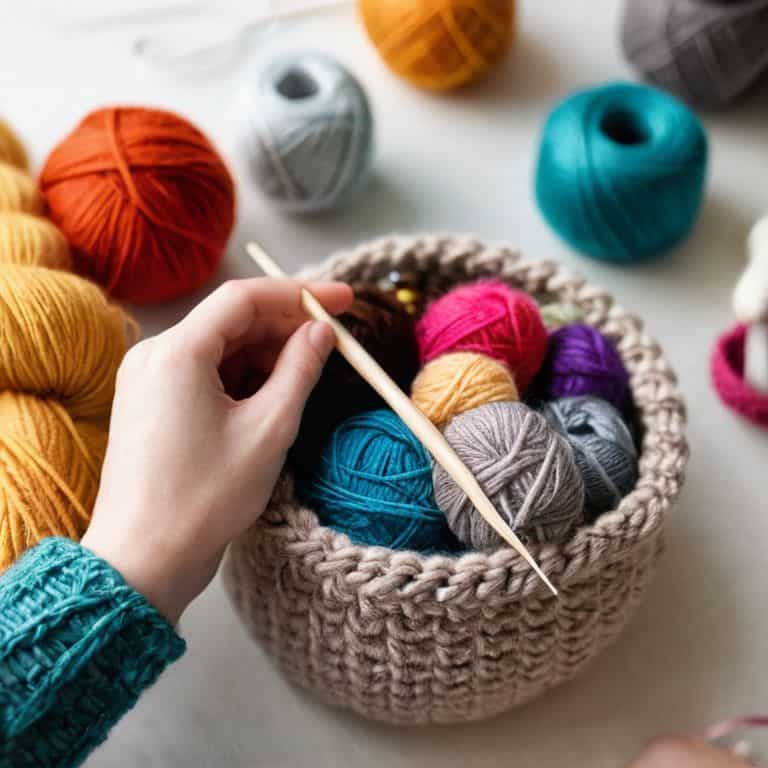
As I delve deeper into the world of crochet, I’m always excited to explore new crochet stitch patterns for beginners. These patterns are the building blocks of any project, and mastering them can make all the difference in creating something truly special. I love experimenting with different types of yarn and _crochet fabric texture manipulation_ to add unique touches to my projects. Whether I’m making a cozy blanket or a cute amigurumi toy, the right stitch pattern can elevate the entire piece.
One of the most common mistakes I see beginners make is not choosing the right _types of crochet hooks_ for their project. This can affect the tension of the stitches and the overall texture of the fabric. To avoid this, I always recommend experimenting with different hook sizes and materials to find the one that works best for you. And don’t be afraid to make mistakes – they can often lead to new and exciting _crochet project ideas for home decor_.
As you become more comfortable with the basics, you can start to explore more advanced techniques, such as amigurumi crochet techniques. These techniques can add a whole new level of depth and complexity to your projects, and are perfect for creating cute and quirky decorations for your home. Remember, the key to mastering any new skill is practice, so don’t be discouraged if it takes a few tries to get it right. With patience and persistence, you’ll be creating beautiful, handmade pieces in no time, and avoiding _common crochet mistakes to avoid_ will become second nature.
Avoiding Common Mistakes With Types of Crochet Hooks
As I share my favorite crochet stitches with you, I also want to pass on some hard-earned wisdom about avoiding common mistakes – especially when it comes to choosing the right hook. I’ve learned that using the wrong type of crochet hook can completely throw off your tension and stitch count. For example, if you’re working with a delicate yarn, a hook with a rough or scratchy surface can cause it to fray or even break.
To avoid this, I always recommend using high-quality, smooth hooks that are designed specifically for the type of yarn you’re using. Aluminum or steel hooks are great for most projects, while wooden or bamboo hooks can add a lovely organic touch to your work. By choosing the right hook, you’ll be able to achieve a beautiful, even fabric that showcases your stitches in the best possible light.
Unraveling Crochet Stitch Patterns for Beginners
Unraveling Crochet Stitch Patterns for Beginners is all about experimentation and play. I just love how a simple stitch can be transformed into something entirely new with a change in yarn weight or color. For instance, the humble single crochet can become a stunning textured pattern when worked in a bulky yarn, while a delicate lace stitch can add a touch of whimsy to a project when made with a lightweight thread. As you explore the world of crochet, don’t be afraid to mix and match different stitches to create unique and personalized patterns that reflect your style.
As a beginner, it’s essential to start with simple stitches and gradually build up to more complex patterns. I always recommend practicing with a swatch before diving into a full project, as this will help you get a feel for the yarn and the stitch. And remember, it’s okay to make mistakes – they can often lead to unexpected and exciting new designs!
Hooked to Perfection: 5 Essential Tips for Mastering Crochet Stitches
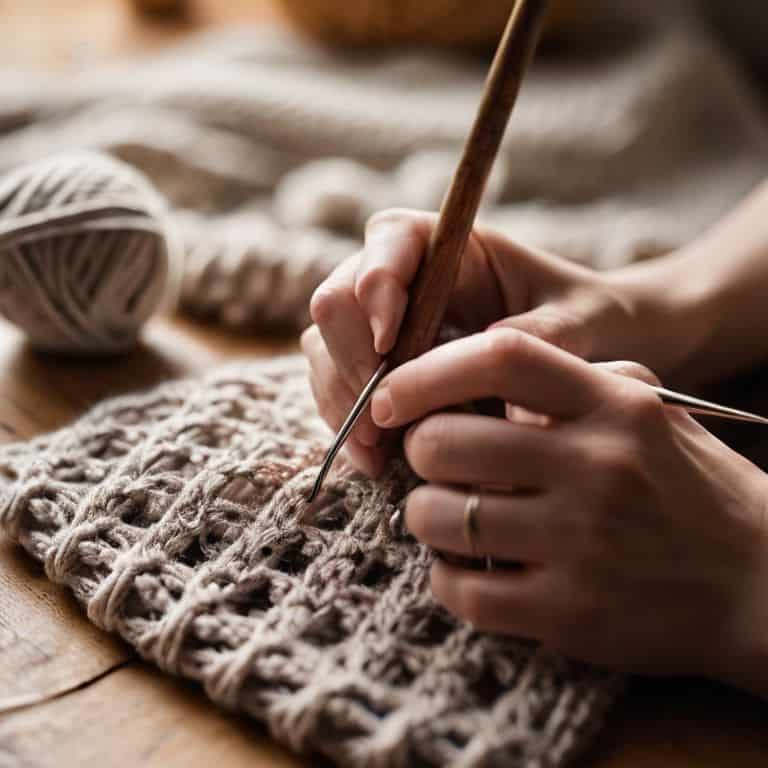
- Start with the basics: Don’t be afraid to begin with simple stitches like the chain stitch or single crochet, and practice until you feel comfortable with the rhythm and tension
- Choose the right hook: Select a hook that feels comfortable in your hand and is suitable for the type of yarn you’re using – and don’t be afraid to experiment with different materials and sizes
- Pay attention to tension: Keeping an even tension is key to creating a beautiful, professional-looking crochet piece – try to keep your stitches consistent, but don’t worry if it takes time to develop your own unique touch
- Watch and learn: Online tutorials and videos can be a fantastic resource for visual learners, helping you to understand complex stitches and techniques – I love watching other crocheters’ videos for inspiration and new ideas
- Don’t be too hard on yourself: It’s okay to make mistakes – they’re all part of the learning process, and you can often frogging (rip out) your work and start again without too much trouble – just remember to breathe, relax, and have fun with it
Key Takeaways to Unlock Your Crochet Potential
As you embark on your crochet journey, remember that practice is key – the more you hook, the more confident you’ll become in trying new stitches and patterns, and the more your unique style will shine through
Experimenting with different yarns, colors, and textures will help you discover your personal aesthetic and make each project truly one-of-a-kind, reflecting your personality and adding a touch of handmade magic to your space
Don’t be afraid to make mistakes – they’re an inevitable part of the creative process, and often lead to unexpected, exciting innovations that will make your handmade items truly special and meaningful
The Heart of Crochet
As I always say, the beauty of crochet lies not in the perfection of each stitch, but in the story that each imperfect, handmade piece tells – it’s a reflection of our souls, a labor of love that wraps us in warmth and character.
Ruby Warren
Conclusion: Embracing the Joy of Crochet
As we come to the end of this guide to crochet stitches, I hope you’ve had as much fun reading it as I did writing it. We’ve covered the basics of crochet stitches, from the simple single crochet to the more complex shell stitch. We’ve also talked about the importance of choosing the right hook and yarn for your project, and how to avoid common mistakes that can leave you feeling frustrated. Whether you’re a beginner or an experienced crafter, I hope you’ve found something in this guide to inspire you to pick up your hook and start creating.
So, what’s next? Now that you have a solid foundation in crochet stitches, I encourage you to experiment and try new things. Don’t be afraid to make mistakes – they’re all part of the process, and you never know what amazing creation you might stumble upon. Remember, the joy of crochet is in the journey, not just the destination. With every stitch, you’re creating something unique and special, a reflection of your own personality and style. So, go ahead, get creative, and happy hooking!
Frequently Asked Questions
What are some essential crochet stitches that every beginner should know?
Oh my, where do I even start? As a beginner, you’ll want to master the basics like the chain stitch, single crochet, and double crochet. These foundational stitches will unlock a world of creative possibilities for you, and I just can’t wait to see what you make!
How do I choose the right type of yarn and hook for my crochet project?
Choosing the right yarn and hook is like finding the perfect harmony – it makes all the difference! Consider the project’s purpose, season, and your personal style. Think about the texture, weight, and color of the yarn, and pair it with a hook that feels comfy in your hand. Experiment with different combos to find your sweet spot!
What are some common mistakes to avoid when learning new crochet stitches and how can I troubleshoot them?
Oh friend, don’t worry, we’ve all been there! Common mistakes include uneven tension, miscounting stitches, and using the wrong hook size. To troubleshoot, try watching tutorials, counting stitches carefully, and swapping hooks to find the perfect fit. Remember, practice makes perfect, and it’s all part of the handmade journey!
