
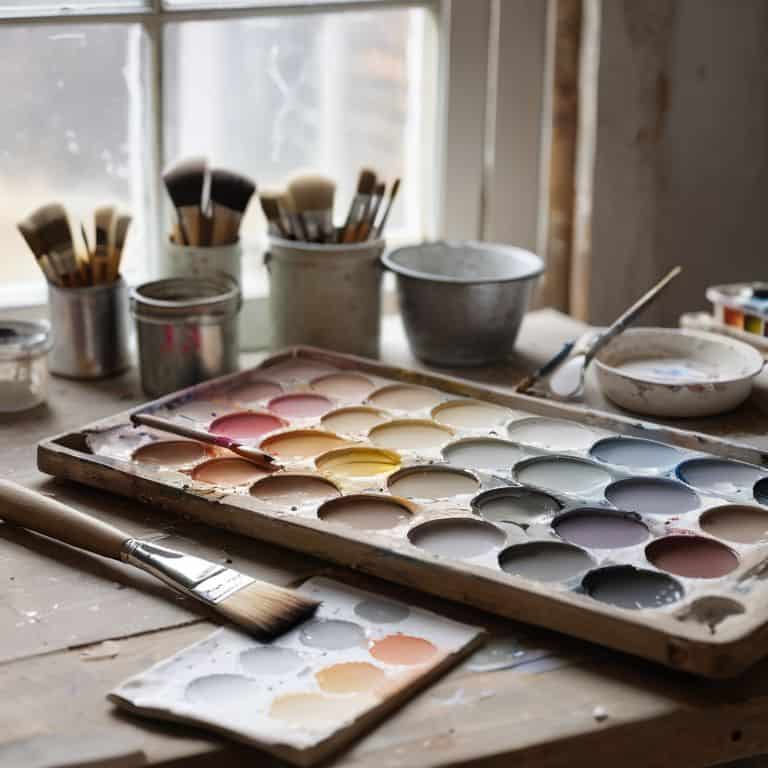
I still remember the frustration of watching my meticulously planned weaving project turn into a muddy mess. It was as if all the colors I had so carefully chosen had decided to wage war on each other, resulting in a disharmonious mix that was more eyesore than art. This got me thinking – how to choose colors that don’t get muddy is not just about picking a few hues that look good together, but about understanding the underlying principles of color harmony. It’s a lesson I learned the hard way, but one that has since become the foundation of my approach to weaving.
As someone who’s passionate about building with yarn, I’ve come to realize that selecting the right colors is an art form in itself. In this article, I’ll share my personal approach to choosing colors that sing together in perfect harmony, rather than clashing in a muddy mess. I’ll cut through the noise and provide you with practical advice on how to create a color palette that will elevate your weaving project from ordinary to extraordinary. By the end of this guide, you’ll have a clear understanding of how to choose colors that don’t get muddy, and be well on your way to creating stunning woven pieces that showcase your unique style and creativity.
Table of Contents
Guide Overview: What You'll Need
Total Time: 1 hour 15 minutes
Estimated Cost: $0 – $20
Difficulty Level: Easy
Tools Required
- Color Wheel (optional)
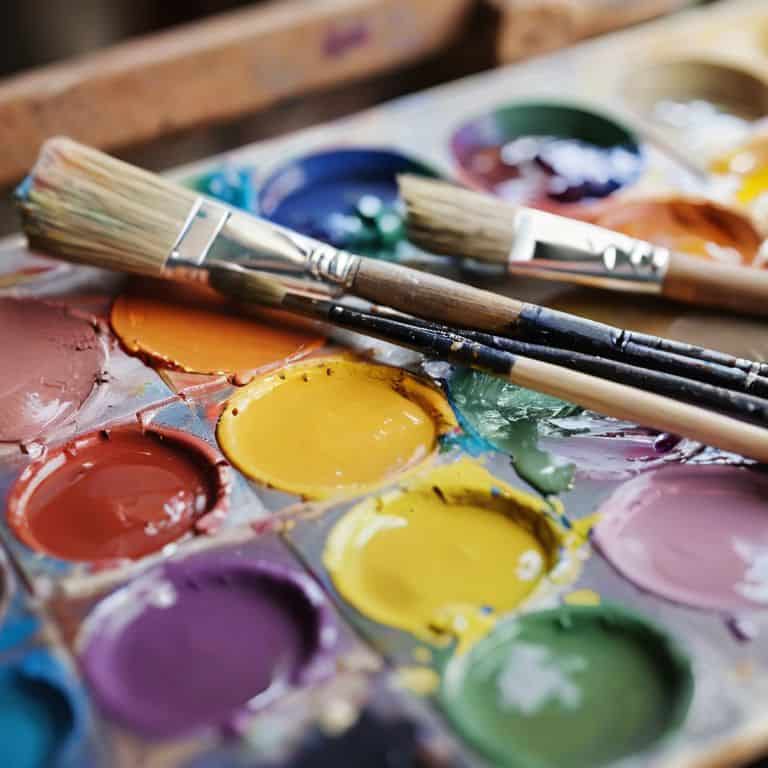
- Paint Swatches (various colors)
Supplies & Materials
- Paint Samples (2 ounces or 60 milliliters each)
- White Paper or Cardboard (for testing color combinations)
Step-by-Step Instructions
- 1. To begin, let’s talk about the importance of understanding color theory in weaving. It’s essential to recognize how different colors interact with each other, as this will help you predict whether they’ll blend together in a muddy mess or create a beautiful, harmonious palette. Start by exploring the color wheel and learning about primary and secondary colors, as well as how to create contrast and harmony.
- 2. Next, gather a collection of color inspiration from various sources – nature, art, photography, or even your favorite clothing items. Having a visual reference point will help you identify the colors you’re drawn to and how they might work together in your woven piece. Take note of the colors that resonate with you and try to understand what makes them appealing.
- 3. Now, it’s time to experiment with color combinations. Use a piece of graph paper or a digital tool to create a color palette. Start with a limited number of colors – two or three – and see how they interact with each other. Consider the 60-30-10 rule, where 60% of your palette is a dominant color, 30% is a secondary color, and 10% is an accent color.
- 4. When selecting colors, think about the texture and fiber content of your yarns. Different fibers can affect how colors appear, and some may produce a more muted or vibrant effect. For example, wool tends to absorb color, while silk can create a more luminous appearance. Consider how the texture and fiber content will impact your overall design.
- 5. To avoid muddiness, it’s crucial to create contrast between colors. This can be achieved by using colors with different values (light and dark) or by introducing a pop of color that creates visual interest. Avoid using too many similar colors, as this can lead to a dull, monotonous palette.
- 6. Another approach is to use the analogous color method, where you choose colors that are next to each other on the color wheel. This creates a harmonious palette with a smooth, gradual transition between colors. For example, if you choose blue as your primary color, you could use green and purple as secondary colors to create a cohesive, analogous palette.
- 7. Finally, test your color palette by creating a small swatch or sample of your woven design. This will give you a better understanding of how the colors will work together in reality. Don’t be afraid to make adjustments and try new combinations until you find a palette that resonates with you and creates a beautiful, harmonious design.
Weaving Harmony Choosing Colors
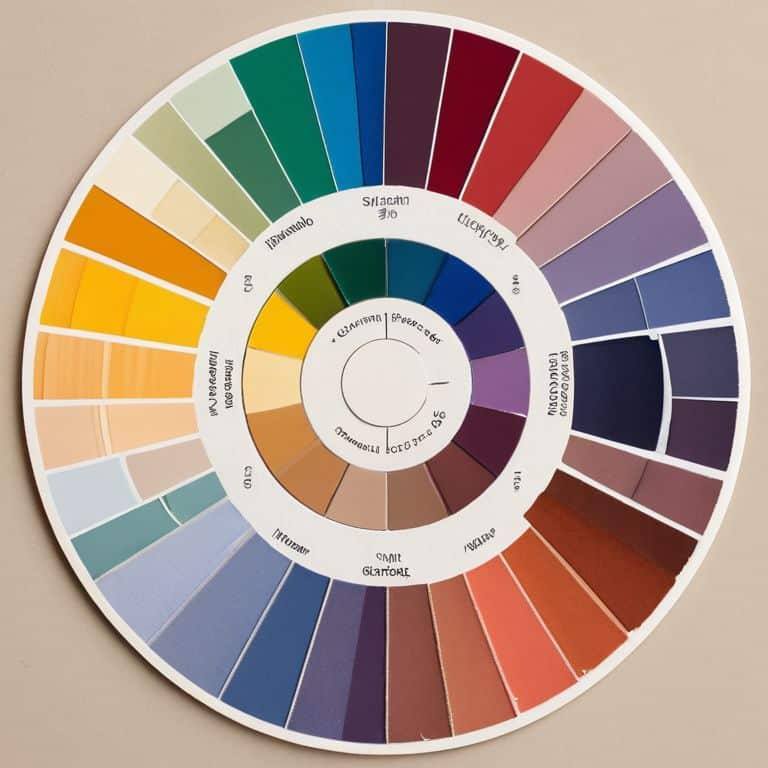
As I delve into the world of color selection, I find myself drawn to the color harmony principles that govern the way hues interact with one another. When weaving, it’s essential to consider how colors will work together to create a cohesive piece. I’ve found that avoiding color clashes is crucial, and this can be achieved by using a color wheel to identify complementary and analogous colors. By doing so, you can create a palette that is both visually appealing and harmonious.
When it comes to creating contrast, I’m a big fan of using complementary colors to add depth and interest to a piece. This technique can help to draw the viewer’s eye to specific areas of the weaving, creating a sense of visual tension. Additionally, understanding the 60-30-10 color rule can be helpful in determining the proportion of each color to use in your design. This rule suggests that 60% of the design should be a dominant color, 30% a secondary color, and 10% an accent color.
By applying these principles, you can create a weaving that is not only visually stunning but also balanced and harmonious. I encourage you to experiment with different color combinations and techniques to find what works best for you. Remember, the key to successful color selection is to trust your instincts and have fun with the process. With practice and patience, you’ll develop an eye for color harmony and be well on your way to creating beautiful, muddy-free weavings.
Avoiding Muddy Colors With Analogous Tones
When working with analogous tones, the key is to create a seamless transition between colors. I like to think of it as designing a gentle gradient, where each hue flows effortlessly into the next. By choosing colors that are adjacent to each other on the color wheel, you can avoid muddiness and instead, achieve a sense of harmony. For example, pairing soft blues with pale greens can create a soothing and calming effect, perfect for a woven wall hanging or a subtle textile piece.
To take it a step further, experiment with varying the saturation levels of your analogous tones. This will add depth and visual interest to your woven piece, preventing the colors from becoming too similar and muddy. Remember, the goal is to create a sense of movement and flow, like the gentle lapping of waves against the shore. By mastering the art of analogous tones, you’ll be able to craft woven pieces that exude a sense of serenity and balance.
Creating Contrast With Complementary Colors
To add depth and visual interest to your woven piece, consider introducing complementary colors. These are hues that sit opposite each other on the color wheel, creating a striking contrast when used together. For example, pairing blue and orange or yellow and purple can result in a vibrant, energetic feel. When working with complementary colors, it’s essential to balance them thoughtfully to avoid visual overload. I like to start by using one color as the dominant hue and introducing its complementary color as an accent, allowing the two to engage in a beautiful, harmonious dialogue.
By doing so, you’ll create a sense of tension and resolution, drawing the viewer’s eye through your woven art. This contrast can add layers of meaning and emotion to your piece, making it more dynamic and engaging. As you experiment with complementary colors, remember to trust your instincts and have fun – the key to successful color pairing is finding a balance that resonates with you.
5 Tips to Tame the Mud: Choosing Colors that Pop
- Let colors breathe by introducing a neutral thread to break up similar hues and prevent muddiness
- Experiment with the 60-30-10 rule: 60% dominant color, 30% secondary color, and 10% accent color to create visual harmony
- Play with the temperature of colors: cool tones like blues and greens can calm down warm tones like oranges and reds, reducing muddiness
- Consider the emotional impact of colors: choose a palette that evokes the mood you want to create, rather than just picking colors that match
- Remember, texture is key: mixing different textures can add depth and visual interest, drawing the eye away from any potential muddiness and towards the beauty of the weave
Key Takeaways for Crafting Harmonious Hues
Weaving with intention means selecting colors that intentionally work together, whether through analogous tones that whisper sweetness or complementary colors that shout excitement
Embracing the art of contrast is crucial – it’s not just about picking colors you like, but about understanding how they’ll dance together in your woven piece, creating a visual melody that resonates
Ultimately, the goal is to build a palette that tells a story, one that weaves together texture, form, and color in a way that’s uniquely yours, reflecting your artistic voice and vision
The Harmony of Hue
To choose colors that don’t get muddy, you must think of them as threads in a rich tapestry – each one a unique voice that, when blended with others, creates a symphony of texture and tone, rather than a cacophony of confusion.
Ethan Thorne
Weaving a Harmonious Conclusion
As we conclude our journey through the world of color selection, remember that choosing colors that don’t get muddy is all about balance and harmony. We’ve explored the benefits of using analogous tones to create a soothing palette, and how complementary colors can add a pop of contrast to your woven piece. By considering the emotional impact of different hues and experimenting with various combinations, you’ll be well on your way to crafting a visually stunning work of art that showcases your unique perspective.
So, the next time you sit down at your loom, don’t be afraid to push the boundaries of color and explore new possibilities. Remember, weaving is not just about threading yarn through a loom, but about building with yarn – creating a tapestry of texture, form, and beauty that tells a story and inspires the soul. As you embark on your next creative endeavor, I encourage you to embrace the journey, trust your instincts, and let your passion for weaving shine through in every thread.
Frequently Asked Questions
How can I apply the principles of analogous tones to a weaving project that requires a bold and vibrant color scheme?
To infuse boldness into analogous tones, try adding a pop of saturated color to your palette. For instance, if you’re working with blues, introduce a deep, rich turquoise to add vibrancy. This will create a stunning visual flow while maintaining harmony, allowing your weaving to shine with personality and depth.
What role does the type of yarn or fiber play in determining whether colors will become muddy, and are there certain materials that are more prone to muddiness?
The type of yarn or fiber is crucial – natural fibers like linen and silk tend to absorb and blend colors differently than synthetic ones. I’ve found that fibers with more texture and visual interest, like raw silk or wool, can help maintain color clarity, while smooth fibers like cotton can sometimes lead to muddiness.
Can you provide examples of how to use neutral colors as a 'bridge' between two colors that might otherwise clash or become muddy in a woven piece?
I love using neutrals as a bridge between bold colors. For example, pairing turquoise and orange can be jarring, but adding a neutral beige or gray can create a beautiful harmony, allowing each color to shine without muddying. This technique is all about balance and creating a visual flow in your woven piece.
