
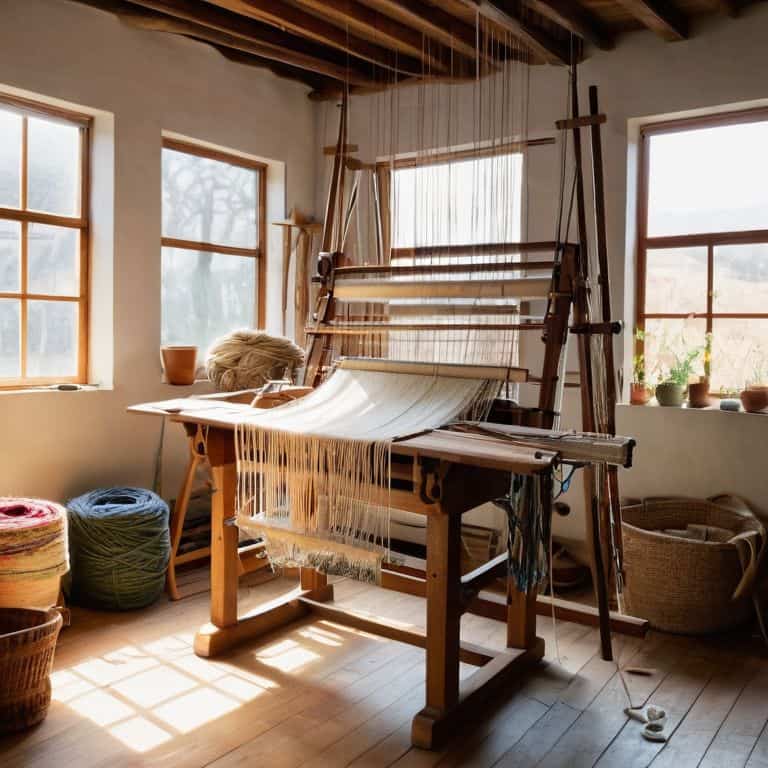
As I sit amidst my loom and half-finished weaving projects, I often think about the common myth that how to design a weaving project requires a natural talent for art or a lengthy apprenticeship. The truth is, designing a weaving project is more about understanding the intersection of texture, color, and form – much like building with yarn. I’ve seen many beginners get frustrated with the idea that they need to have a “creative eye” to start weaving, but I believe that with the right guidance, anyone can learn to design a weaving project that’s both beautiful and meaningful.
In this article, I’ll share my own approach to how to design a weaving project, one that emphasizes the importance of texture and form in creating a unique piece of woven art. I’ll walk you through my process, from sketching out designs on graph paper to selecting the perfect natural fibers, like linen or raw silk. My goal is to provide you with practical advice and inspiration to help you bring your own weaving project to life, regardless of your skill level or experience. By the end of this guide, you’ll have a clear understanding of how to design a weaving project that reflects your personal style and creative vision.
Table of Contents
Guide Overview: What You'll Need
Total Time: 2 hours 30 minutes
Estimated Cost: $20 – $50
Difficulty Level: Intermediate
Tools Required
- Measuring Tape (for measuring warp and weft)
- Ruler (for drawing designs)
- Pencil (for marking patterns)
- Scissors (for cutting yarn or thread)
- Loom or Frame (for weaving)
Supplies & Materials
- Yarn or Thread (various colors and textures)
- Warp Yarn (for vertical threads)
- Weft Yarn (for horizontal threads)
- Shuttle or Needle (for passing weft yarn)
- Tapestry Needle (for weaving and sewing)
Step-by-Step Instructions
- 1. To begin designing your weaving project, start by brainstorming ideas and gathering inspiration from various sources, such as nature, architecture, or art. Take note of the colors, textures, and patterns that resonate with you, and consider how you can incorporate these elements into your weaving. I like to carry a small sketchbook with me to jot down ideas and sketch out rough designs as they come to me.
- 2. Next, decide on the scale and scope of your project. Will you be creating a small, intricate piece or a large, statement-making installation? Consider the space where your weaving will be displayed and the impact you want it to have on the viewer. As someone who comes from an architectural background, I always think about the relationship between the weaving and its surroundings.
- 3. Now it’s time to choose your materials, and for me, this is one of the most exciting parts of the process. I love working with natural fibers like linen and raw silk, and I’m always on the lookout for new and interesting textures to incorporate into my weavings. Consider the color, weight, and durability of your yarns, as well as any special properties they may have, such as softness or stretch.
- 4. With your materials in hand, it’s time to start thinking about the technical aspects of your design. Consider the type of loom you’ll be using, the weave structure, and the tension of your warp threads. As someone who likes to build with yarn, I approach this stage of the process with a very architectural mindset, thinking about the underlying structure of my weaving and how it will support the design elements I want to include.
- 5. Once you have a sense of your materials and technical approach, start sketching out your design on graph paper. I like to use a grid to help me think about the relationships between different elements of my design, and to ensure that my weaving will be balanced and visually appealing. Don’t be afraid to experiment and try out different ideas at this stage – it’s all part of the process.
- 6. Now it’s time to start warping your loom, which is the process of stretching the warp threads across the loom to create the foundation for your weaving. This can be a bit tedious, but it’s an important step, as it will affect the overall tension and stability of your weaving. I like to listen to music or podcasts while I work on this stage, as it helps me get into a flow state and makes the process more enjoyable.
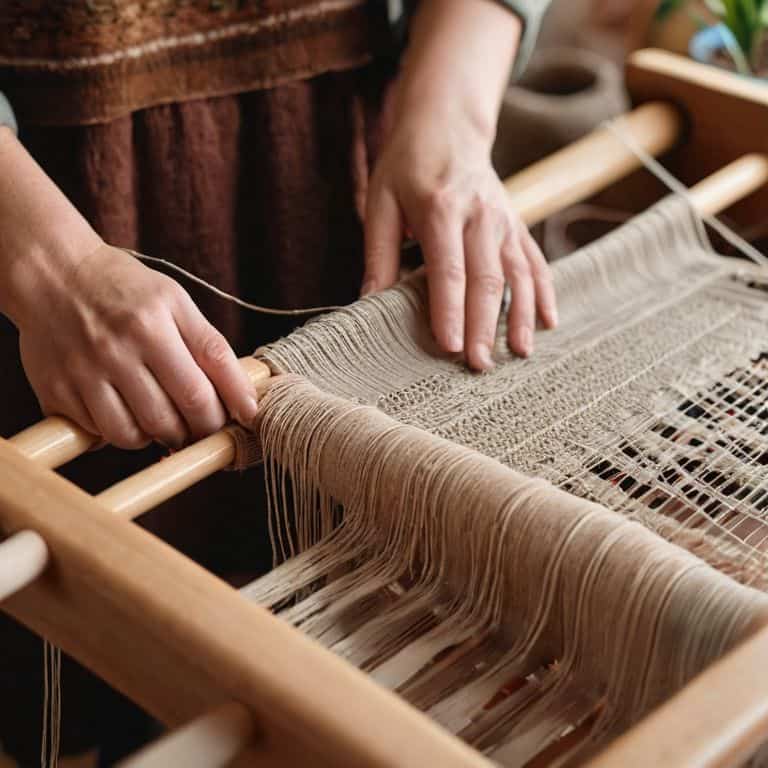
- 7. With your loom warped and ready to go, it’s time to start weaving. This is the most meditative part of the process for me, as I love the feeling of the yarn flowing through my fingers and the sound of the shuttle moving back and forth. Remember to take your time and enjoy the process – weaving is all about creating something beautiful, one thread at a time. As you work, pay attention to the texture and rhythm of your weaving, and don’t be afraid to make adjustments as needed to achieve the effect you’re looking for.
Designing Your Weaving Project
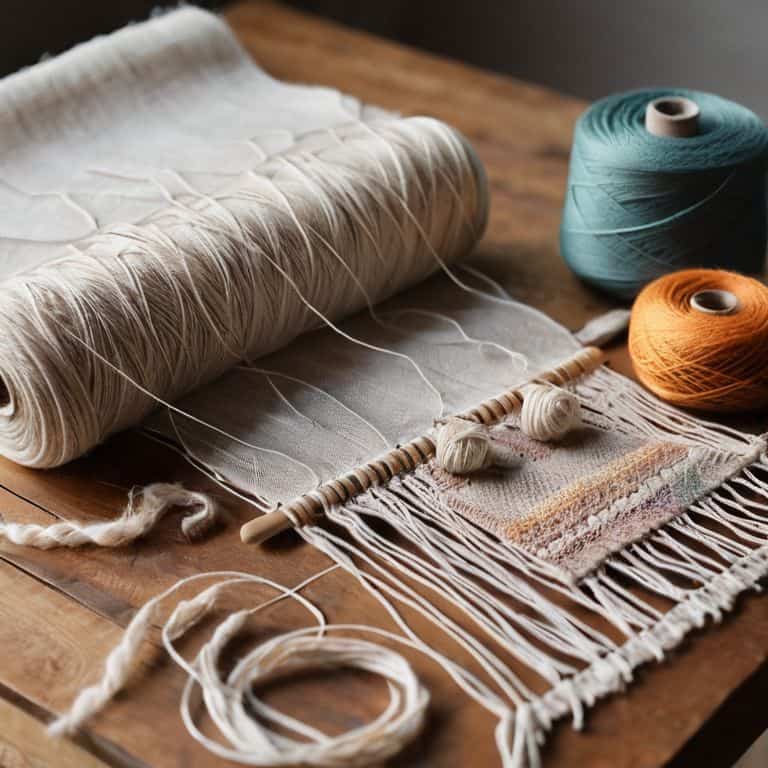
As I sit at my loom, surrounded by skeins of linen and raw silk, I’m reminded that choosing the right yarn is a crucial step in designing a weaving project. The texture and color of the yarn will set the tone for the entire piece, and it’s essential to consider the mood and atmosphere you want to create. For beginners, it’s best to start with simple weaving patterns for beginners, such as a basic over-under weave or a simple twill.
When selecting yarn, consider the basic weaving techniques you’ll be using and the overall aesthetic you want to achieve. Will you be creating a bold, statement piece or a more subtle, textured design? Understanding weaving terminology is also vital, as it will help you navigate the world of weaving with confidence. Take the time to research and understand the different types of yarn, their weights, and their textures.
As you begin to design your weaving project, think about the weaving project ideas for home decor that inspire you. Do you envision a vibrant wall hanging or a subtle throw blanket? Consider the space where the piece will be displayed and the overall style you’re aiming to achieve. By combining your creativity with the right yarn and techniques, you’ll be well on your way to creating a truly unique and beautiful piece of woven art.
Choosing Yarns for Beginners
When it comes to selecting yarns, I always think about the texture and form I want to achieve in my weaving project. As a beginner, it’s essential to choose yarns that are not only beautiful but also easy to work with. I recommend starting with natural fibers like linen, cotton, or raw silk – they have a wonderful tactile quality that adds depth to your weaving. Consider the weight and thickness of the yarn, as well as its color and texture, to ensure it fits with your overall design vision.
For my own projects, I often mix and match different yarns to create a unique blend of textures and hues. This approach allows me to build complex, layered designs that are full of visual interest. Remember, the yarn you choose is the foundation of your weaving, so take your time and have fun exploring different options until you find the perfect fit for your project.
Understanding Weaving Patterns
When it comes to weaving patterns, I like to think of them as the blueprint for our textile architecture. They provide the framework for our design, guiding the placement of each thread and the overall texture of the piece. As a former architect, I’m drawn to the geometric patterns that evoke a sense of structure and order. However, I also appreciate the beauty of organic patterns that mimic the natural world. Understanding weaving patterns allows us to experiment with different designs and techniques, from simple stripes to complex geometries.
By studying and practicing various patterns, we can develop our own unique visual language and express our creativity through the woven medium. I often sketch out patterns on graph paper, much like I used to design building plans, to visualize the relationships between threads and textures. This process helps me refine my ideas and push the boundaries of what’s possible with fiber and weaving.
5 Essential Tips to Elevate Your Weaving Project Design
- Start by sketching your design on graph paper, considering the texture and scale of your weaving, just as I do with my architectural blueprints
- Select yarns that not only complement your color palette but also provide the desired texture and depth to your project, from smooth linens to chunky raw silks
- Understand that weaving patterns are not just about aesthetics, but also about the technical process of bringing your design to life, so choose patterns that challenge and inspire you
- Experiment with natural fibers and materials to add an organic feel to your weaving, and don’t be afraid to incorporate unexpected elements, like wood or stone, for added interest
- Remember, the key to a successful weaving project is balance: balance of color, texture, and form, so take your time, and don’t be afraid to make adjustments as you go, just as an architect would refine their design
Key Takeaways for Your Weaving Project
As you embark on designing your weaving project, remember that texture is the foundation of a compelling piece, and experimenting with different yarns and fibers can elevate your work
Understanding weaving patterns is crucial, but don’t be afraid to break the rules and create your own unique designs that reflect your personal style and artistic vision
Ultimately, the art of weaving is about building with yarn, and with patience, practice, and attention to detail, you can create stunning, large-scale woven art installations that showcase your creativity and skill
The Architect's Approach to Weaving
As I always say, designing a weaving project is not just about selecting colors and patterns, but about crafting a sensory experience – one that invites the viewer to touch, to feel, and to explore the intricate dance of texture and form.
Ethan Thorne
Weaving Your Vision into Reality
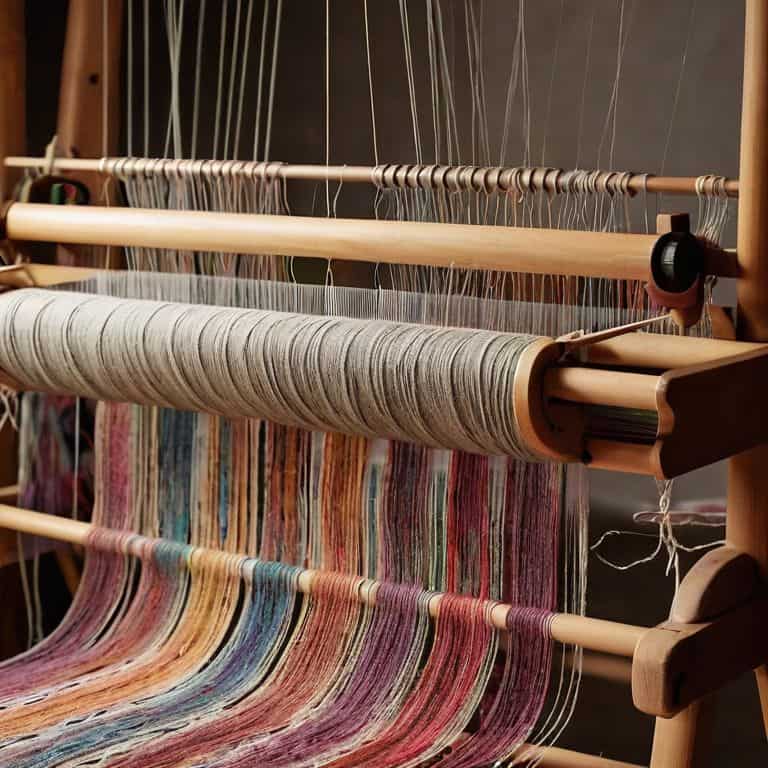
As we conclude this journey through designing a weaving project, let’s reflect on the key elements that bring a woven piece to life. We’ve explored the importance of choosing the right yarns, understanding various weaving patterns, and how these decisions impact the overall texture and form of our creation. By considering these factors and approaching our project with a thoughtful, architectural mindset, we can transform simple threads into a vibrant, textured work of art that showcases our unique vision.
As you embark on your own weaving journey, remember that the true beauty of this craft lies in its ability to merge functionality and aesthetics. Don’t be afraid to experiment, to push the boundaries of what is possible with fiber, and to see your weaving project as an opportunity to create something truly remarkable. With patience, practice, and a willingness to learn, you’ll find that weaving is not just about threads and looms, but about bringing your most imaginative ideas to life, one thread at a time.
Frequently Asked Questions
How do I determine the right scale and proportion for my weaving project to ensure it fits harmoniously in the intended space?
To determine the right scale and proportion for your weaving project, consider the space where it will reside. Measure the walls, furniture, and any surrounding features. Then, sketch your design on graph paper, using a scale that mirrors the space. This will help you visualize how your weaving will interact with its environment, ensuring a harmonious fit.
What are some tips for combining different yarn textures and colors to create a unique and visually appealing design?
When combining yarn textures and colors, I like to think of it as building with different materials. Mix smooth linens with chunky wools, or pair vibrant hues with neutral tones. The key is to create contrast and harmony simultaneously, allowing each texture and color to enhance the others, much like the interplay of light and shadow in architectural design.
Can you provide guidance on how to translate a conceptual idea or inspiration into a concrete weaving design, including choosing the right patterns and materials?
To translate your concept into a weaving design, start by sketching your idea on graph paper, considering texture, color, and form. Break down your vision into simple shapes and patterns, then choose yarns that reflect your desired texture and mood. Experiment with different weaving patterns to find the one that best brings your concept to life.
