
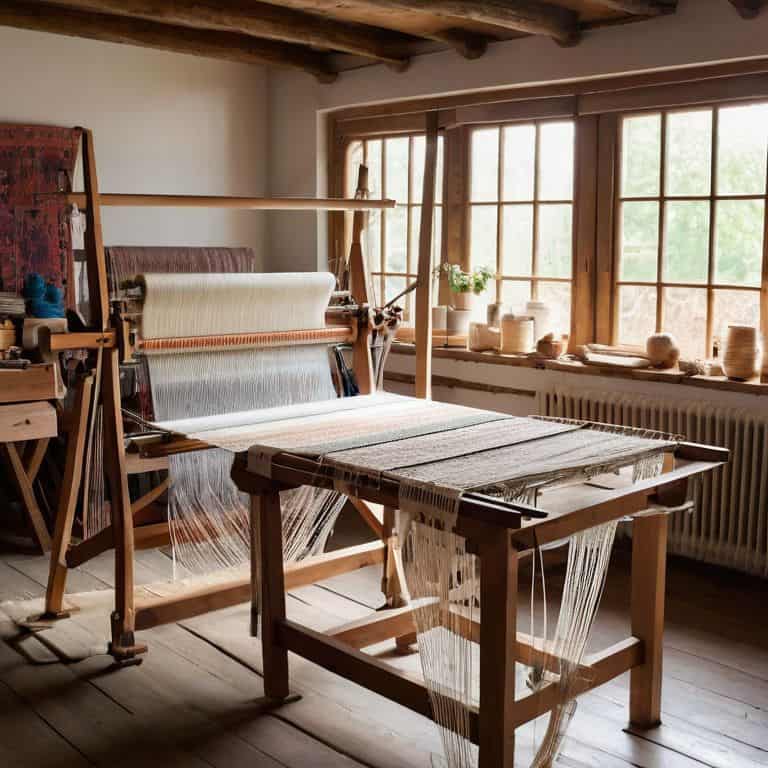
As I sit amidst my looms, surrounded by threads of every texture and hue, I’m reminded of the common misconception that mastering the art of weaving requires a lifetime of dedication. The truth is, with the right tools and a willingness to learn, anyone can unlock the secrets of a guide to different types of looms. I’ve seen it time and time again – a beginner, fascinated by the intricate patterns and designs, becomes discouraged by the array of options available. But what if I told you that the key to creating stunning woven pieces lies not in the complexity of the loom, but in understanding the unique characteristics of each one?
In this article, I’ll share my personal journey of discovery, from my days as an architect to my current passion for weaving. I’ll walk you through the basics of loom selection, highlighting the pros and cons of each type, and provide you with practical advice on how to choose the perfect loom for your project. Whether you’re a seasoned weaver or just starting out, my goal is to empower you with the knowledge and confidence to create beautiful, intricate designs that reflect your unique style and vision. By the end of this guide, you’ll be well on your way to becoming a master weaver, capable of bringing your most ambitious projects to life.
Table of Contents
Guide Overview: What You'll Need
Total Time: 2 hours 30 minutes
Estimated Cost: $50 – $100
Difficulty Level: Intermediate
Tools Required
- Tape Measure for measuring and cutting wood
- Saw for cutting wood to size
- Drill for making holes for warp threads
- Screwdriver for assembling loom parts
- Pliers for tightening and loosening screws
Supplies & Materials
- 2-in x 4-in lumber for frame construction
- 1-in x 2-in lumber for creating the loom’s beam and shafts
- Cotton rope for warp threads
- Wood glue for assembling wood parts
- Screws for securing wood parts together
- Heddle for separating warp threads
- Shuttle for weaving
Step-by-Step Instructions
- 1. First, let’s start by understanding the fundamentals of loom design, which will help us appreciate the diversity of looms available. To begin, we need to consider the type of weaving we want to do, as this will determine the kind of loom we require. For instance, if we’re interested in making simple scarves or dish towels, a basic frame loom might suffice, but for more complex projects like tapestries or garments, we might need a more advanced floor loom.
- 2. Next, we’ll explore the world of rigid heddle looms, which are perfect for beginners due to their simplicity and versatility. These looms are great for making straightforward weaves like plain weave or twill, and they’re relatively affordable and easy to set up. When choosing a rigid heddle loom, consider the width of the loom, as this will determine the maximum size of your project, and think about the type of yarn you plan to use, as some looms are better suited for thicker or thinner yarns.
- 3. Now, let’s move on to table looms, which offer more complexity and control than rigid heddle looms. Table looms are ideal for weavers who want to experiment with different patterns and textures, as they allow for multiple shafts and a wider range of weaving techniques. When setting up a table loom, it’s essential to understand the concept of shafts and heddles, as this will enable you to create more intricate designs and patterns.
- 4. For those looking to create larger, more complex pieces, floor looms are the way to go. These looms are designed for heavy-duty weaving and offer a high level of control and precision. However, they can be intimidating for beginners, so it’s crucial to start with a simple project and gradually work your way up to more complex designs. When using a floor loom, make sure to measure your yarn carefully, as the amount of yarn required can be substantial, and you don’t want to run out mid-project.
- 5. Once you’ve chosen your loom, it’s time to think about warping and threading, which can be a daunting task for beginners. To make this process easier, start by creating a simple warp plan, which will help you visualize the colors and textures you want to use. Then, carefully thread your loom, making sure to keep the tension even, as this will affect the overall quality of your weave.
- 6. With your loom set up and threaded, you’re ready to start weaving. Begin by experimenting with different yarns and textures, as this will help you develop your unique style and voice. Don’t be afraid to try new things and make mistakes, as these can often lead to unexpected and exciting results. As you weave, pay attention to the tension and rhythm of your work, as this will help you create a cohesive and beautiful piece.
- 7. Finally, as you become more confident in your weaving abilities, you can start to push the boundaries of traditional weaving by experimenting with unusual materials, colors, and techniques. Consider incorporating found objects or natural materials into your weaves, or try using unconventional yarns like wire or paper. Remember, the world of weaving is all about exploration and creativity, so don’t be afraid to try new things and see where they take you.
A Guide to Different Types of Looms
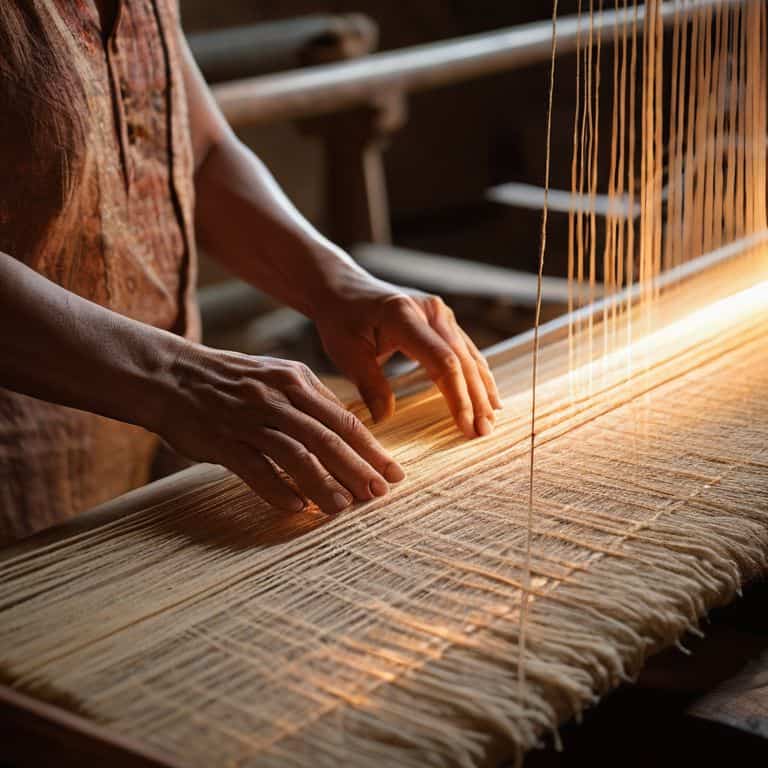
As I delve into the world of looms, I’m reminded of the importance of handloom weaving techniques in creating unique and intricate patterns. The type of yarn used can greatly impact the final result, and I often find myself experimenting with different types of yarn for weaving to achieve the desired texture and color. From the smoothness of raw silk to the ruggedness of linen, each yarn has its own character and story to tell.
When it comes to setting up my loom, I pay close attention to the loom parts and accessories that will bring my design to life. The right combination of tools and materials can make all the difference in the weaving process, and I’ve learned to appreciate the value of a well-maintained loom. Regular loom maintenance and repair is essential to ensuring that my creations turn out as envisioned, and I take great care in keeping my equipment in top condition.
As a textile artist, I’m fascinated by the history of textile production and the evolution of weaving techniques over time. From traditional practices to modern innovations, the art of weaving is a rich and complex one, full of possibilities and discoveries waiting to be made. By exploring different weaving patterns for beginners, I’ve been able to develop my skills and push the boundaries of what’s possible with fiber and thread.
Loom Essentials Parts and Accessories
As I delve into the world of looms, I’m reminded of the intricate details that make each one a unique tool for weaving. The parts and accessories of a loom are akin to the components of a building, each playing a crucial role in bringing a design to life. From the warp beam to the heddle, every element works in harmony to create a tapestry of texture and beauty.
I find myself drawn to the simplicity and elegance of a well-crafted loom, much like the clean lines of a minimalist woodwork piece. The shedding device, the reed, and the shuttle all come together to create a symphony of movement and texture, allowing me to build with yarn and bring my artistic vision to life.
Weaving Legends Handloom Techniques
As I delve into the world of handloom techniques, I’m reminded of the masters who have woven their magic on these traditional looms. The likes of Anni Albers and Gunta Stölzl, pioneers of the Bauhaus movement, come to mind. Their innovative use of texture and color has inspired generations of weavers, including myself. I’ve had the privilege of experimenting with handloom techniques, and I can attest to the unique tactile experience it offers. From the rhythmic clacking of the loom’s wooden components to the soft whisper of yarn as it intertwines, every moment is a sensory delight.
The art of handloom weaving is a testament to human ingenuity and creativity. With each thread carefully placed, the weaver coaxes the loom to produce a tapestry of intricate patterns and textures. As someone who sees weaving as “building with yarn,” I appreciate the meticulous craftsmanship that goes into creating these handmade masterpieces. Whether it’s a intricate brocade or a simple yet elegant plain weave, every handloom-woven piece tells a story of patience, dedication, and artistic expression.
Navigating the Loom Landscape: 5 Essential Tips
- Choose the right loom for your project: consider the type of fiber, the complexity of the design, and the scale of the piece you want to create
- Understand the tension: proper tension is crucial for even weaving, and different looms have different tensioning systems
- Experiment with different sheds: the shed is the space between the warp threads, and adjusting it can dramatically change the texture and appearance of your weave
- Don’t be afraid to mix and match: combining different looms, techniques, and materials can lead to unique and innovative textiles
- Practice, practice, practice: like any craft, weaving takes time and practice to develop muscle memory and a keen sense of texture and tension
Key Takeaways for the Modern Weaver
Understanding the diverse world of looms is crucial for unlocking your full creative potential as a weaver, from the simplicity of a rigid heddle loom to the complexity of a computer-controlled loom
Mastering the parts and accessories of a loom, such as the reed, shuttle, and warp, is essential for producing high-quality textiles that reflect your unique vision and style
By embracing the intersection of traditional handloom techniques and modern design principles, weavers can create innovative, large-scale textile installations that push the boundaries of what is possible with fiber and thread
Unraveling the Frameworks of Imagination
As I delve into the world of looms, I’m reminded that each one is not just a tool, but a gateway to a new dimension of texture and creativity, where the intersection of thread and timber gives birth to a tapestry of endless possibilities.
Ethan Thorne
Weaving a Legacy: Conclusion
As we conclude our journey through the diverse world of looms, it’s essential to reflect on the fundamentals. We’ve explored the various types of looms, from simple frame looms to complex floor looms, and delved into the intricacies of handloom techniques. Understanding the parts and accessories of a loom is crucial for any weaver, whether you’re a seasoned artist or just beginning to build your skills. By grasping these concepts, you’ll be well on your way to creating beautiful, intricate textiles that showcase your unique perspective and style.
As you embark on your own weaving journey, remember that the true beauty of this craft lies in its endless possibilities. Don’t be afraid to experiment and innovate, pushing the boundaries of what’s possible with thread and yarn. Whether you’re drawn to the simplicity of a handloom or the complexity of a floor loom, the world of weaving offers a rich tapestry of creative expression. So, take a deep breath, thread your loom, and let the rhythm of the weave guide you as you bring your vision to life, one thread at a time.
Frequently Asked Questions
What are the main differences between a rigid heddle loom and a floor loom?
For me, the rigid heddle loom and floor loom represent two distinct approaches to building with yarn. The rigid heddle loom is perfect for smaller, more intricate pieces, with its compact size and simplicity. In contrast, the floor loom offers more complexity and versatility, allowing for larger, more elaborate designs with multiple harnesses and sheds.
How do I choose the right type of loom for my skill level and weaving goals?
To choose the right loom, consider your skill level and weaving goals. As a beginner, a simple frame loom or rigid heddle loom is ideal, while more complex projects may require a floor loom or tapestry loom. Reflect on the type of textiles you want to create and the level of intricacy you aim for, then select a loom that aligns with your vision.
Can I convert or upgrade an old loom to have more advanced features or functionality?
I love breathing new life into old looms. Yes, you can definitely upgrade or modify an old loom to add modern features. I’ve done it myself with my vintage floor loom, adding a motorized shaft and new heddle system. It’s a great way to merge traditional craftsmanship with contemporary functionality, and I’m happy to share my own experiences and tips on how to do it.
