
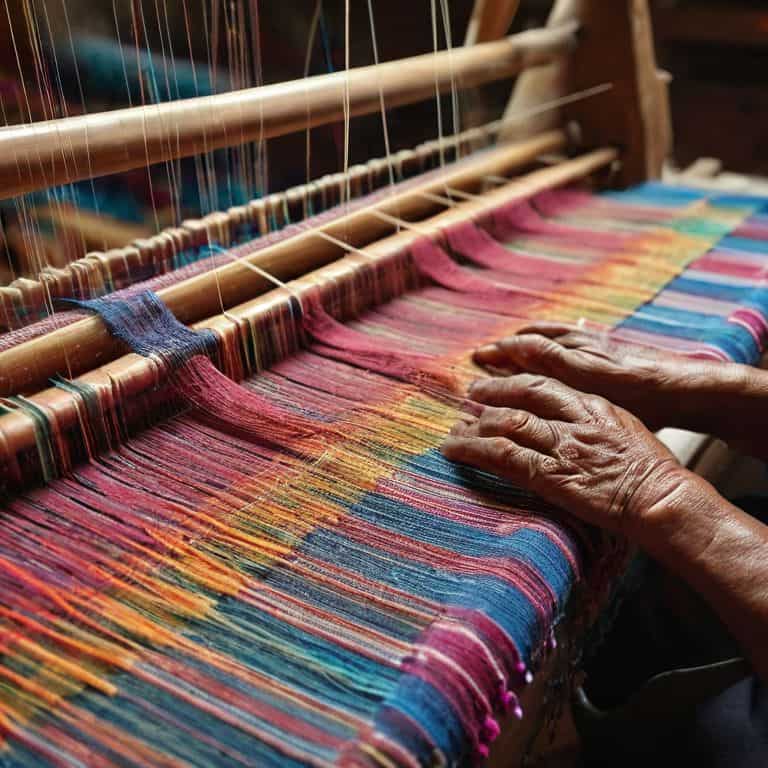
As I sit at my loom, surrounded by threads of linen and raw silk, I often think about the misconception that a guide to the soumak weaving technique is only for experienced weavers. The truth is, this ancient craft is accessible to anyone willing to learn and experiment. I’ve seen many people intimidated by the idea of weaving, but with the right guidance, they can unlock the secrets of texture and form. My own journey with soumak weaving began as an architect, where I applied the principles of structure and design to my textile work.
In this article, I promise to share my honest and practical advice on how to master a guide to the soumak weaving technique. You’ll learn how to build with yarn, creating intricate patterns and textures that elevate your weaving to a form of art. I’ll take you through the process of designing and executing your own soumak weaving projects, from sketching out ideas on graph paper to working with natural fibers. By the end of this guide, you’ll have the confidence to create your own stunning woven pieces, and see the world of textiles in a whole new light, where texture is the most important element of design.
Table of Contents
Guide Overview: What You'll Need
Total Time: 4 hours 30 minutes
Estimated Cost: $50 – $100
Difficulty Level: Intermediate
Tools Required
- Loom (or a simple frame loom)
- Shuttle (or a long, thin, flat tool)
- Scissors (sharp and dedicated to cutting yarn)
- Tapestry needle (for weaving in ends)
- Measuring tape (for measuring warp and weft threads)
- Ruler (for measuring 6 inches by 9 inches of fabric)
- Pencil (for marking patterns on paper or fabric)
Supplies & Materials
- Warp yarn (cotton or wool, approximately 100 yards)
- Weft yarn (cotton or wool, approximately 200 yards)
- Thread (for sewing in ends, approximately 10 yards)
- Fabric (for practice or as a base, approximately 12 inches by 12 inches)
Step-by-Step Instructions
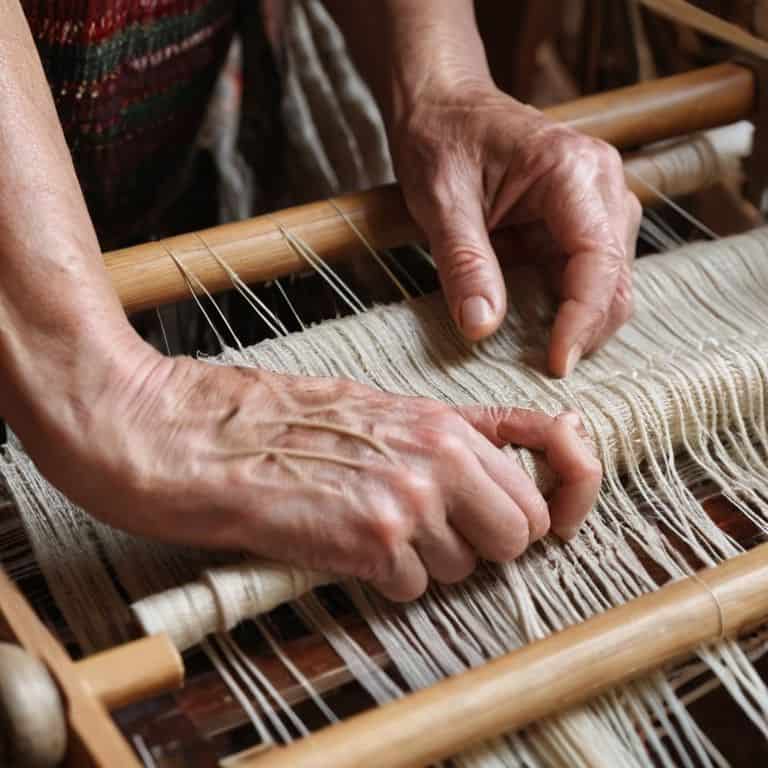
- 1. To begin with the Soumak weaving technique, start by preparing your loom. This involves setting up the warp threads, which will serve as the foundation for your weaving project. I like to think of this step as laying the groundwork for the entire piece, much like an architect plans the foundation of a building.
- 2. Next, choose the yarns you want to work with, considering both their texture and color. As someone who appreciates the beauty of natural fibers, I often opt for materials like linen or raw silk. These not only add a unique tactile quality to the weaving but also provide a sense of depth and character.
- 3. Now, it’s time to create your warp. This involves measuring and cutting your warp threads to the appropriate length, then threading them through the loom. I approach this step with the precision of an architect, ensuring each thread is perfectly aligned to create a strong foundation for the weaving.
- 4. With your loom set up and your warp in place, you can begin the Soumak weaving process. This involves using a Soumak pick-up technique to lift and weave the weft threads over and under the warp threads, creating the distinctive wrapped effect that characterizes Soumak weaving. It’s a bit like building with yarn, where each thread is carefully placed to create a specific texture and pattern.
- 5. As you work on your Soumak weaving, pay close attention to the tension of your threads. Proper tension is crucial to achieving the desired texture and to prevent the weaving from becoming too loose or too tight. I find that maintaining the right tension is akin to balancing form and function in architectural design – it’s all about finding that perfect equilibrium.
- 6. To add more complexity and interest to your Soumak weaving, consider incorporating different patterns. This could involve changing the sequence of your warp and weft threads or introducing new colors and textures. For me, this is where the true artistry of weaving comes into play, as you get to experiment and push the boundaries of what’s possible with this ancient craft.
- 7. Once you’ve completed your Soumak weaving, finish the edges carefully to prevent fraying and give your piece a polished look. This might involve folding the edges over twice and sewing them in place or using a specialized finishing technique. It’s the final touch in bringing your design to life, much like the completion of a beautifully crafted wooden frame around a piece of art.
A Guide to Soumak Weaving Technique
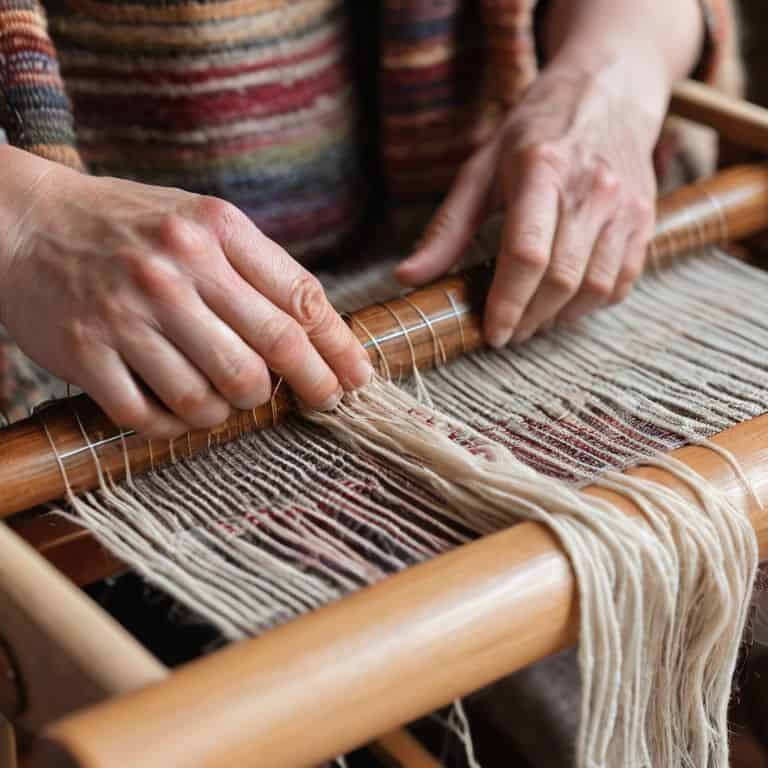
As I delve deeper into the world of Soumak weaving, I’m constantly reminded of the importance of texture and form in creating stunning pieces. For beginners, it’s essential to experiment with different soumak weaving patterns, allowing them to develop their unique style and voice. I recommend starting with simple patterns and gradually moving on to more complex designs, incorporating various types of yarn to add depth and visual interest.
When it comes to choosing the right yarn, I always look for natural fibers like linen or raw silk, which add a unique organic texture to the finished piece. In contrast to Kilim weaving, Soumak weaving involves wrapping the yarn around the warp threads, creating a more intricate and layered design. This technique requires patience and attention to detail, but the end result is well worth the effort.
For those looking to create modern Soumak weaving designs, I suggest exploring unconventional materials and colors to add a contemporary twist to this ancient craft. Soumak weaving for wall hangings is a great way to showcase your skills and add a personal touch to any room. By experimenting with different techniques and materials, you can create truly unique pieces that reflect your artistic vision and style, making Soumak weaving a versatile and expressive medium.
Exploring Traditional vs Modern Soumak Designs
As I delve into the world of Soumak weaving, I’m struck by the dichotomy between traditional and modern designs. Traditional Soumak patterns often feature intricate, geometric motifs that reflect the cultural heritage of their origins. In contrast, modern Soumak designs tend to emphasize simplicity, clean lines, and a focus on texture. I find myself drawn to the latter, as it allows me to experiment with novel materials and techniques, pushing the boundaries of what’s possible with this ancient craft. By blending traditional methods with contemporary aesthetics, I aim to create pieces that are both timeless and innovative.
Unraveling Soumak Weaving Patterns for Beginners
As I delve into the world of Soumak weaving, I’m reminded of the intricate patterns that can be created with this ancient technique. For beginners, it’s essential to understand that Soumak weaving patterns are all about texture and form. I like to think of it as building with yarn, where every thread and knot tells a story. To unravel these patterns, start by experimenting with simple designs, such as stripes or chevrons, and gradually move on to more complex motifs.
By playing with different yarn weights, colors, and textures, you’ll begin to see the unique characteristics of Soumak weaving emerge. Remember, the key to mastering Soumak patterns is to focus on the interaction between threads and the space between them. As you practice, you’ll develop an eye for the subtle nuances that make each piece truly unique.
Mastering the Art of Soumak Weaving: 5 Essential Tips
- Start with a strong foundation: Invest in a good quality loom and yarn that suits your project, and take the time to properly set up your warp threads for a stable base
- Experiment with texture and pattern: Soumak weaving is all about creating intricate designs, so don’t be afraid to try out different knotting techniques and yarn combinations to achieve unique textures and patterns
- Pay attention to tension: Maintaining even tension is crucial in Soumak weaving, as it can affect the overall appearance and stability of your piece – take your time and adjust as needed
- Don’t be afraid to make mistakes: Soumak weaving is an organic process, and mistakes can often lead to new and interesting design elements – learn to embrace them and incorporate them into your work
- Practice, practice, practice: Like any craft, Soumak weaving takes time and practice to master – start with small projects and gradually work your way up to more complex pieces, and don’t be discouraged if your early attempts don’t turn out as expected
Key Takeaways from the Soumak Weaving Guide
Understanding the fundamental principles of Soumak weaving allows you to unlock its full creative potential, from traditional patterns to modern, innovative designs
By mastering the Soumak technique, you can bring depth and texture to your woven projects, elevating them from simple fabrics to intricate, three-dimensional artworks
Experimenting with different yarns, colors, and patterns in Soumak weaving opens up endless possibilities for artistic expression, making each piece a unique reflection of your personal style and vision
Weaving Wisdom
As I see it, the Soumak weaving technique is not just a method, but a mindset – it’s about embracing the beauty of imperfect textures and the stories that every thread tells, to craft pieces that are as much about form as they are about function.
Ethan Thorne
Weaving a New Path
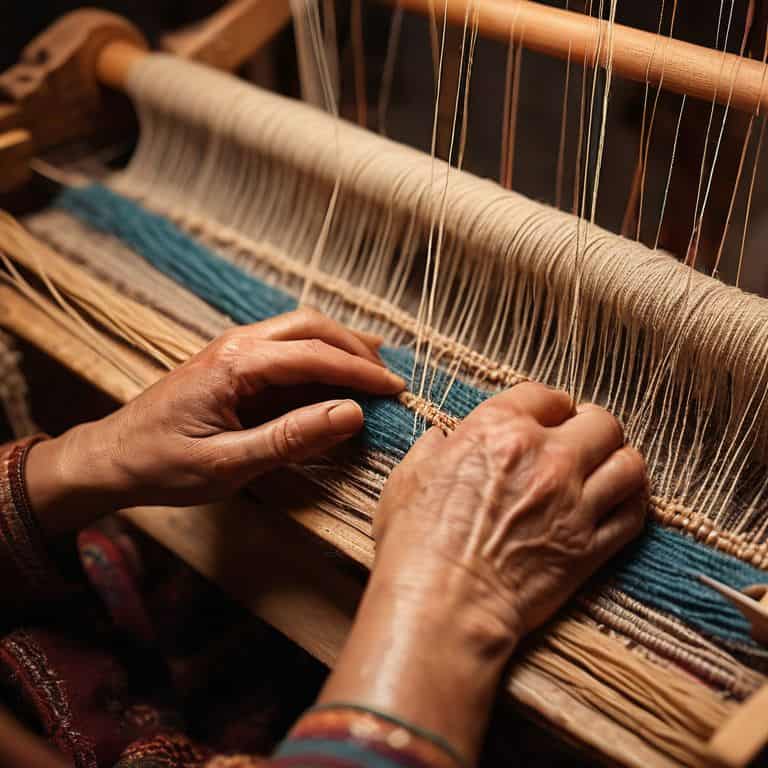
As we conclude this journey through the Soumak weaving technique, it’s essential to reflect on the key elements that make this ancient craft so captivating. From the initial steps of setting up your loom to the final touches of finishing your woven piece, every stage of the process requires patience, dedication, and a keen eye for detail. We’ve explored the traditional vs modern designs, and how to unravel Soumak weaving patterns for beginners. By mastering these fundamentals, you’ll be well on your way to creating stunning textiles that showcase your unique perspective and style. Remember, the art of Soumak weaving is all about building with yarn, and the possibilities are endless when you approach each project with a mix of creativity and technical precision.
As you embark on your own Soumak weaving adventures, I encourage you to view each piece as a work of art in progress. Don’t be afraid to experiment with different colors, textures, and patterns – it’s often the unexpected combinations that lead to the most breathtaking results. Whether you’re a seasoned weaver or just starting out, the world of Soumak weaving offers a unique opportunity to express yourself and push the boundaries of what’s possible with fiber and thread. So go ahead, take the first step, and see where this fascinating craft takes you – the journey itself is just as beautiful as the destination.
Frequently Asked Questions
What are the essential tools and materials needed to get started with Soumak weaving?
To start Soumak weaving, you’ll need a few essential tools: a simple loom or a frame, a shuttle or a fork, scissors, and a variety of yarns or threads. I recommend natural fibers like linen or raw silk for their unique textures. A tapestry needle and a measuring tape will also come in handy for precision and control.
How do I choose the right yarn and colors to achieve a specific texture and pattern in my Soumak weaving project?
To choose the right yarn and colors, I consider the texture and pattern I want to achieve. I look for yarns with varying weights and textures, and select colors that complement each other in terms of hue and saturation. Sketching out my design on graph paper helps me visualize the final piece and make informed decisions about my materials.
Can Soumak weaving be used to create three-dimensional or sculptural pieces, and if so, what techniques would I need to learn?
I love exploring the boundaries of Soumak weaving. To create three-dimensional or sculptural pieces, you can experiment with manipulating yarn tension, layering, and shaping. Techniques like Soumak wrapping, coiling, and stacking can add depth and texture, allowing you to build intricate, dimensional forms that blur the line between weaving and sculpture.
