
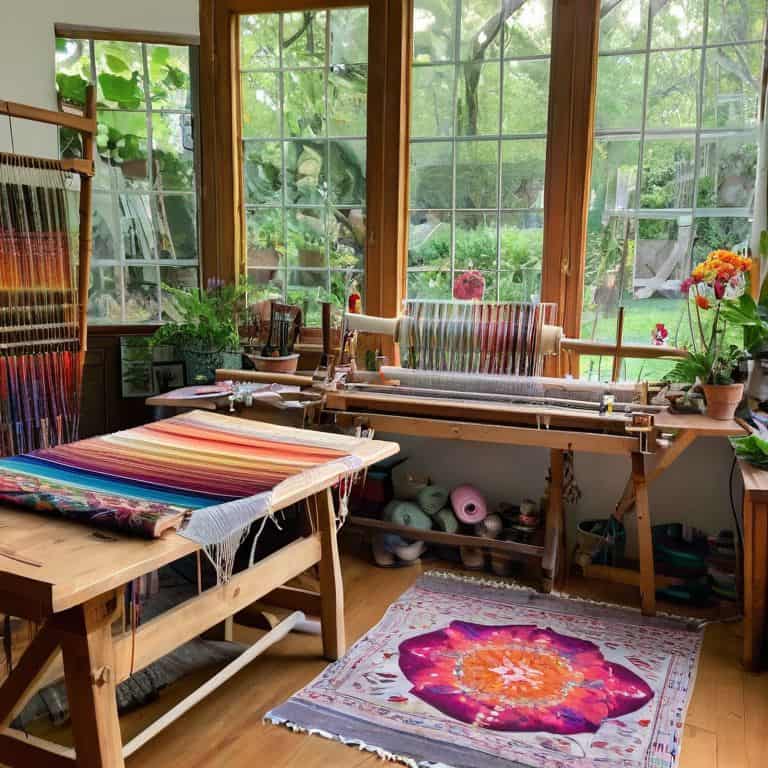
As I sit amidst my loom and threads, I often think about the elusive concept of finding inspiration for your weaving designs. It’s a topic that’s been overly complicated by trendy workshops and pricey online courses, promising to unlock the secrets of creativity. But I’ve found that true inspiration lies not in formulaic approaches, but in the textural nuances of the world around us. A quiet walk in nature, the play of light on a rustic wooden beam, or the intricate patterns of a well-crafted fabric can be all it takes to spark a new idea.
In this article, I promise to share my personal experiences and no-nonsense advice on how to cultivate a genuine sense of inspiration for your weaving designs. I’ll take you through my own creative process, from the initial spark of an idea to the careful selection of natural fibers and colors that bring a piece to life. My goal is to empower you with the knowledge and confidence to find your own unique voice in the world of weaving, and to see that finding inspiration for your weaving designs is not a mysterious art, but a tangible, everyday practice that can be nurtured and grown.
Table of Contents
Weaving Dreams
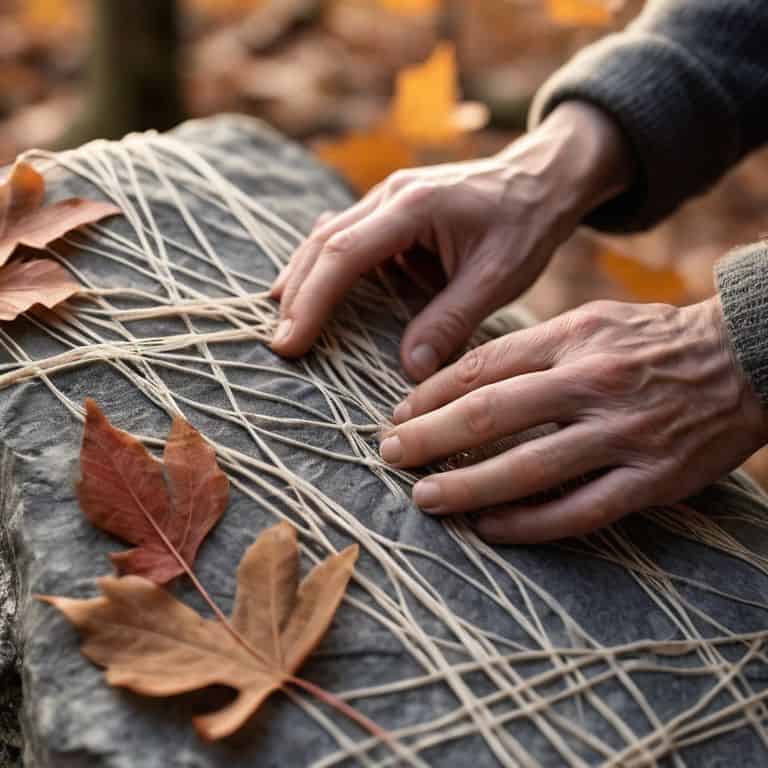
As I sit at my loom, I often find myself drawn to weaving patterns from natural textures. The intricate details of a leaf or the roughness of tree bark can spark an entire design. I’ve spent hours photographing the play of light on water, the patterns of which I later incorporate into my woven pieces. This connection to nature not only influences my art but also guides my choice of materials, opting for sustainable materials that reflect my commitment to the environment.
My background in architecture has also significantly influenced my approach to weaving. I see each piece as a form of geometric design inspiration, where every thread and fiber plays a role in the overall structure and aesthetic. This perspective allows me to experiment with color palette ideas that are both bold and harmonious, reflecting the balance between form and function that I admire in architectural design.
In my creative process, I’ve come to realize the importance of cultural influences on weaving styles. Traveling and experiencing different traditions have broadened my understanding of textile art, introducing me to new techniques and materials. This diversity is reflected in my work, where traditional methods meet modern interpretations, creating unique pieces that tell stories of their own. Through this blend of old and new, I aim to inspire others to see weaving not just as a craft, but as a form of artistic expression.
Geometric Inspirations Unfold
As I wander through the city, I find myself drawn to the clean lines of modern architecture, where geometry meets function. The way a building’s facade can be broken down into simple shapes and patterns sparks a sense of creativity within me. I see the repetition of these shapes as a form of textural rhythm, a quality that I strive to capture in my woven pieces.
In my sketchbook, I’ve begun to explore the idea of geometric abstraction, breaking down complex forms into their simplest components. By doing so, I’ve discovered a sense of freedom in my design process, allowing me to build with yarn in innovative and exciting ways.
Unraveling Natural Textures
As I wander through the forest, I find myself entranced by the organic patterns that surround me. The rough bark of the trees, the softness of the moss, and the delicate petals of the wildflowers all converge to create a tapestry of textures that inspire my weaving. The way the light filters through the leaves, casting dappled shadows on the forest floor, is a reminder that nature is the ultimate designer.
In my own work, I strive to capture the essence of these natural textures, to distill them into the threads and yarns that I use to create my woven pieces. Whether it’s the smoothness of linen or the roughness of raw silk, each fiber has its own unique character that can be coaxed and shaped into something truly beautiful.
Finding Inspiration
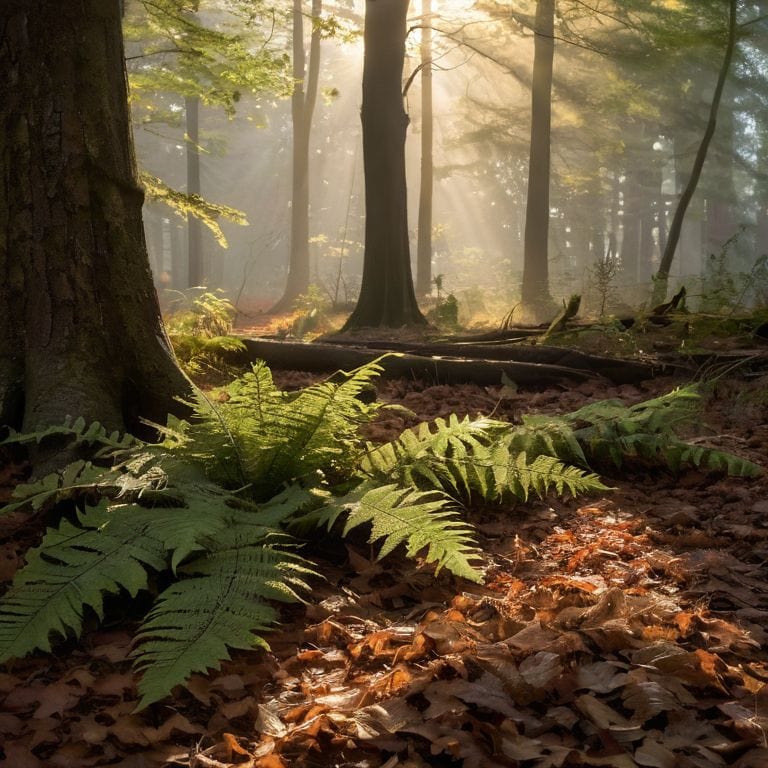
As I wander through the woods, I’m constantly fascinated by the weaving patterns from natural textures that surround me. The intricate details of tree bark, the softness of a feather, or the delicate patterns on a leaf all serve as a catalyst for my creativity. I find myself pondering the geometric design inspiration for weaving that can be derived from these natural wonders. The way light filters through the trees, casting dappled shadows on the forest floor, is a reminder that color palette ideas for woven art can be found in even the most mundane scenes.
My passion for photography also plays a significant role in my creative process. I enjoy experimenting with photography techniques for textile artists, capturing the intricate details of natural textures and patterns. This helps me to see the world from a different perspective, to appreciate the beauty in the smallest details. Whether it’s the cultural influences on weaving styles that shape my designs or the sustainable materials for weaving projects that I choose to work with, every aspect of my craft is influenced by my surroundings.
In my studio, I’m surrounded by sketches, yarns, and half-finished projects, all of which serve as reminders of the intersection of art and craft. As I work on a new piece, I’m constantly drawn back to the natural world, seeking inspiration from the textures and patterns that I’ve observed. This ebb and flow between nature and studio is what drives my creativity, allowing me to craft unique and meaningful woven art pieces.
Cultural Influences on Color
As I delve into the world of color, I find myself drawn to the vibrant hues of traditional African textiles. The way the colors seem to dance across the fabric, telling stories of community and heritage, is a true inspiration for my own weaving designs. I’ve always been fascinated by the way different cultures use color to convey meaning and emotion, and I believe this is an essential aspect of creating unique and captivating woven pieces.
In my own work, I often incorporate earth tones to add warmth and depth to my designs. These natural colors seem to evoke a sense of calmness and serenity, and I find that they provide a beautiful backdrop for experimenting with texture and pattern. By combining these earthy hues with geometric patterns and natural fibers, I aim to create woven art that not only inspires the eye but also tells a story of its own.
Sustainable Materials Inspire
As I wander through the countryside, I’m drawn to the earthiness of natural fibers like linen and raw silk. These materials have a unique character that inspires my weaving designs. I love experimenting with different textures and colors to create unique pieces that reflect the beauty of the natural world.
My use of sustainable materials is not only a creative choice, but also an ethical one. By choosing eco-friendly fibers, I’m reducing my impact on the environment and promoting a more responsible approach to textile art. This mindset allows me to focus on the artistic process, knowing that my materials are sourced with care and consideration for the planet.
Igniting the Spark: 5 Tips to Find Inspiration for Your Weaving Designs
- I find solace in the stillness of dawn, when the world is quiet and my mind is free to wander – it’s often then that I’ll jot down notes for a new weaving project inspired by the play of light on natural textures
- Collecting snippets of conversation, fragments of poetry, or even just interesting words can become a treasure trove of inspiration for weaving designs that tell a story
- Sometimes, I’ll challenge myself to create a weaving piece using only a specific set of materials or colors, just to see where the constraints take me – it’s amazing how often this sparks something entirely new
- I’ve learned to keep a camera with me at all times, because you never know when you’ll stumble upon a pattern, texture, or play of light that will inspire a whole new direction in your weaving
- Embracing the beauty of mistakes and unexpected outcomes can be incredibly liberating – don’t be afraid to experiment and see where the yarn takes you, even if it means deviating from your original plan
Key Takeaways for Weaving Inspiration
I’ve learned that inspiration for weaving designs can be found in the intersection of natural textures and geometric patterns, sparking unique and innovative pieces
Exploring cultural influences on color and embracing sustainable materials can add depth and meaning to your weaving projects, while also promoting eco-friendly practices
By embracing the principles of architecture and design, weavers can unlock new levels of creativity, transforming threads into intricate, large-scale art installations that showcase the beauty of woven art
Unlocking the Muse
Inspiration for weaving designs is not something you find, but rather something that unfolds as you listen to the whispers of nature, the rhythms of culture, and the textures of the human experience.
Ethan Thorne
Weaving Inspiration into Reality
As I reflect on our journey through the world of weaving inspiration, I’m reminded of the interconnectedness of art and nature. From the organic textures of natural fibers to the geometric patterns found in modern architecture, inspiration is all around us. We’ve explored how cultural influences and sustainable materials can shape our designs, and I hope you’ve discovered new ways to ignite your creativity. Whether you’re a seasoned weaver or just starting out, remember that inspiration is a personal and ongoing process.
As you embark on your own weaving journey, I encourage you to stay curious, keep exploring, and always follow your thread. Don’t be afraid to experiment, take risks, and push the boundaries of what’s possible with fiber and form. With every new project, you’ll weave a piece of yourself into the fabric of your creation, and that’s where the true magic happens. Happy weaving, and I look forward to seeing the incredible things you’ll create!
Frequently Asked Questions
How can I effectively incorporate natural textures and geometric patterns into my weaving designs to create unique and visually striking pieces?
To merge natural textures and geometric patterns, I sketch out blueprint-like designs on graph paper, combining earthy fibers like linen with sharp, angular shapes, allowing the organic and structured elements to inform each other and create something entirely new.
What role do cultural influences and traditional craftsmanship play in shaping modern weaving designs, and how can I draw inspiration from these sources?
For me, cultural influences and traditional craftsmanship are the backbone of modern weaving designs. I draw inspiration from ancient techniques, like Japanese tatami mats and African kente cloth, and incorporate them into my own work, blending old with new to create something uniquely contemporary.
Are there any specific techniques or exercises that can help me tap into my creativity and find inspiration for new weaving designs when I'm feeling stuck or uninspired?
To tap into my own creativity, I often sketch out design ideas on graph paper, allowing myself to freely experiment with texture and form. I also find that setting a timer and weaving without a plan can be incredibly liberating, helping me stumble upon new patterns and inspiration.
