
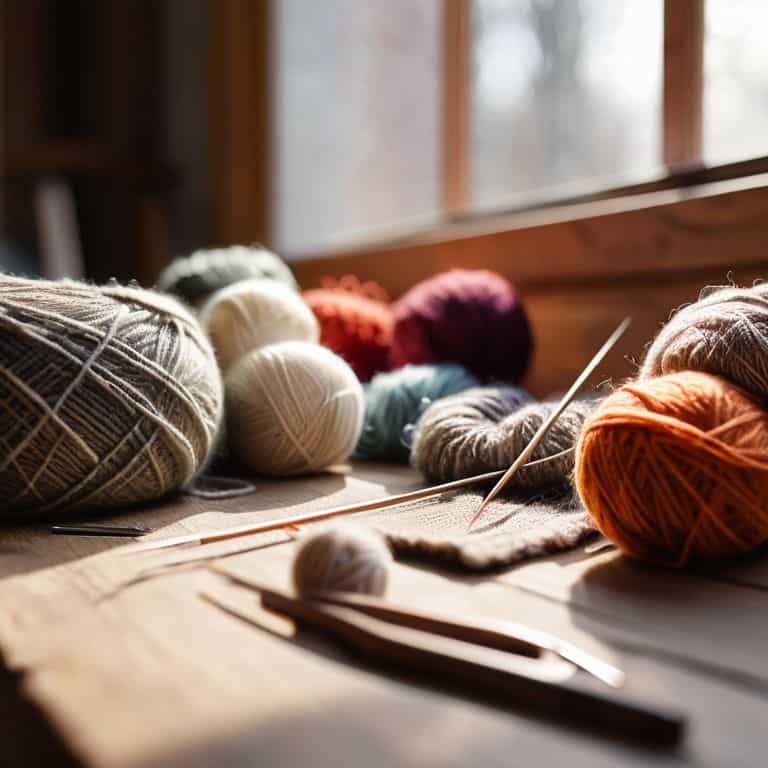
I still remember the first time I attempted to choose yarn for a project – I was overwhelmed by the countless options and unsure of how to make a decision. This experience sparked my desire to create a guide to choosing yarn for a project that would help others navigate this process with ease. As a former technical librarian and current craft instructor, I’ve seen many people struggle with this very same issue. The common myth that you need to be an expert to choose the right yarn is simply not true – with a clear and simple plan, anyone can make an informed decision.
In this article, I promise to provide you with practical advice and step-by-step guidance on how to choose the perfect yarn for your project. I’ll share my own experiences and tips to help you avoid common pitfalls and ensure that you select a yarn that meets your needs. By the end of this guide, you’ll be confident in your ability to choose the right yarn and start creating something beautiful. Whether you’re a beginner or an experienced crafter, this guide is designed to be accessible and easy to follow, so you can focus on what really matters – bringing your creative vision to life.
Table of Contents
Guide Overview: What You'll Need
Total Time: 30 minutes to 1 hour
Estimated Cost: $10 – $50
Difficulty Level: Easy
Tools Required
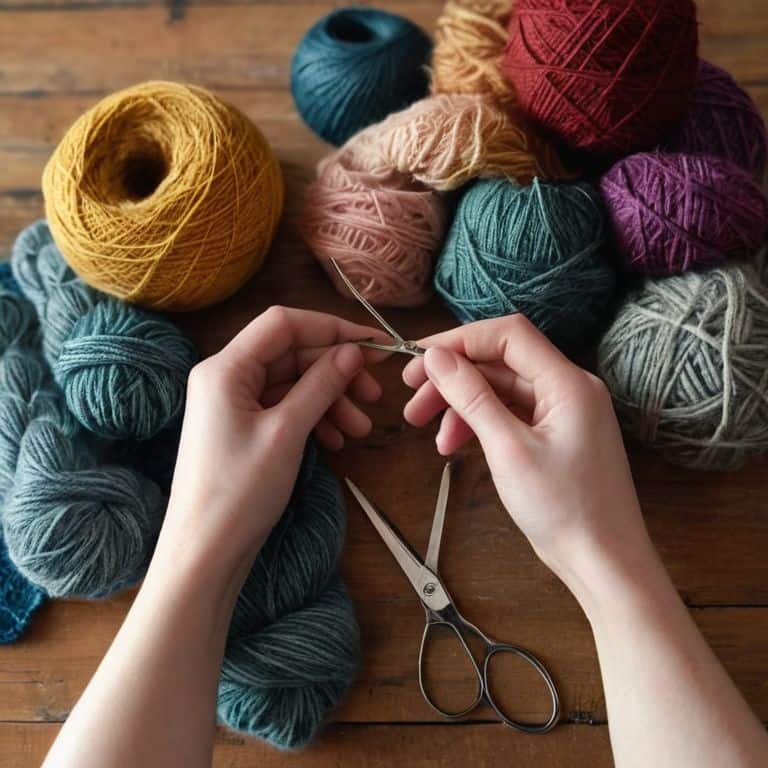
- Measuring Tape for measuring gauge and yarn length in inches
- Scissors for cutting yarn
- Yarn Needle for weaving in ends
Supplies & Materials
- Yarn choose from various fibers like wool, cotton, or synthetic, considering factors such as weight, color, and texture
- Yarn Ball Winder optional, for organizing yarn
- Stitch Markers optional, for tracking patterns
Step-by-Step Instructions
- 1. First, let’s start by identifying the purpose of your project. What do you want to make? Is it a scarf, a hat, or perhaps a blanket? Take a moment to think about the end result and what you want to achieve. This will help you narrow down your yarn options and make the selection process much easier.
- 2. Next, consider the seasonal factor. If you’re making something for winter, you’ll likely want a warmer, thicker yarn. On the other hand, if you’re making something for summer, a lighter, breathable yarn would be more suitable. Think about the time of year you plan to use your finished project and how that will impact your yarn choice.
- 3. Now, let’s talk about color palette. Think about the colors you love and the colors that will complement your project. Do you have a specific color in mind, or are you open to suggestions? You can look for inspiration online or in nature to help you decide on a color scheme.
- 4. It’s time to think about the texture and feel of your yarn. Do you want something soft and smooth, or something with a bit more texture and interest? Consider the type of project you’re making and how the texture of the yarn will impact the finished product.
- 5. Next, let’s consider the fiber content of your yarn. Are you looking for something made from natural fibers like wool or cotton, or are you open to synthetic fibers like acrylic or polyester? Each type of fiber has its own unique characteristics, so it’s essential to choose one that suits your project and skill level.
- 6. Now that we’ve considered the basics, it’s time to think about the weight and thickness of your yarn. Do you want a thick, chunky yarn or a thin, lacy one? The weight and thickness of your yarn will impact the drape and texture of your finished project, so choose one that suits your needs.
- 7. Finally, let’s talk about swatching and testing your yarn. Once you’ve narrowed down your options, it’s essential to swatch and test your yarn to ensure it’s the right choice for your project. This will give you a sense of how the yarn will work up and whether it’s the right fit for your needs.
A Guide to Choosing Yarn
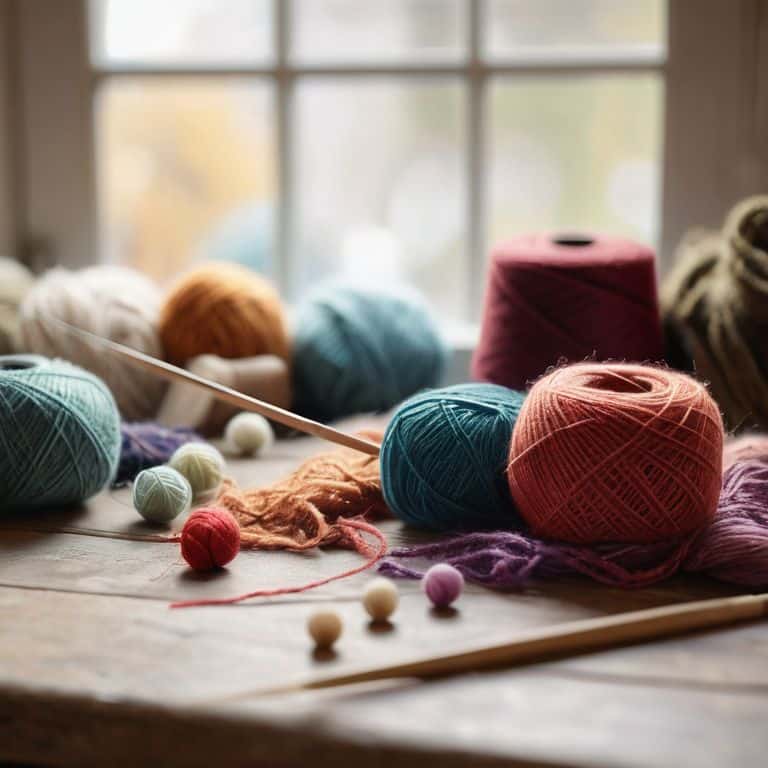
As we delve deeper into the world of yarn, it’s essential to consider the yarn weight conversion when substituting one yarn for another in a pattern. This can be a bit tricky, but don’t worry, with a little practice, you’ll become a pro at converting yarn weights. When choosing yarn for beginners, it’s crucial to select a fiber blend that’s easy to work with and suitable for the project.
Yarn fiber blends can greatly impact the overall look and feel of your finished project. For instance, yarn color theory plays a significant role in creating a harmonious palette. Understanding how different colors interact with each other can make all the difference in achieving the desired aesthetic.
To ensure your project turns out as expected, it’s vital to substituting yarn in patterns carefully. Always check the yarn label for care instructions to ensure you’re using the right yarn for your project. Proper yarn care and maintenance will also extend the life of your finished project, allowing you to enjoy it for years to come.
Choosing Yarn for Beginners Made Easy
As a beginner, selecting the right yarn can be overwhelming, but it doesn’t have to be. Let’s simplify the process by focusing on a few key factors. First, consider the project’s purpose and the desired texture. Do you want something soft and cozy, or sturdy and durable? Next, think about the color palette and how it will complement your project. Don’t worry too much about fiber content just yet – we’ll get to that in a bit. For now, let’s just focus on finding a yarn that feels and looks right to you.
Remember, the most important thing is to have fun and experiment with different options. You can always swatch a small sample to see how the yarn works up before committing to a larger project. And don’t be afraid to ask for help or advice from more experienced crafters – we’ve all been there, and we’re happy to share our knowledge with you.
Yarn Weight Conversion Simplified
Now that we’ve explored the basics of choosing the perfect yarn, let’s dive into a crucial aspect that can sometimes be overwhelming: yarn weight conversion. I completely understand how frustrating it can be to find a pattern you love, only to discover that the yarn weight is different from what you have on hand. To simplify this process, I’ve created a handy checklist that breaks down yarn weights into easily understandable categories.
By using this checklist, you’ll be able to quickly determine the equivalent yarn weight, ensuring that your project turns out exactly as you envisioned. Whether you’re working with a pattern that calls for a specific yarn weight or trying to substitute a yarn, this simple conversion guide will become your go-to resource, saving you time and reducing frustration.
5 Essential Tips for Selecting the Perfect Yarn
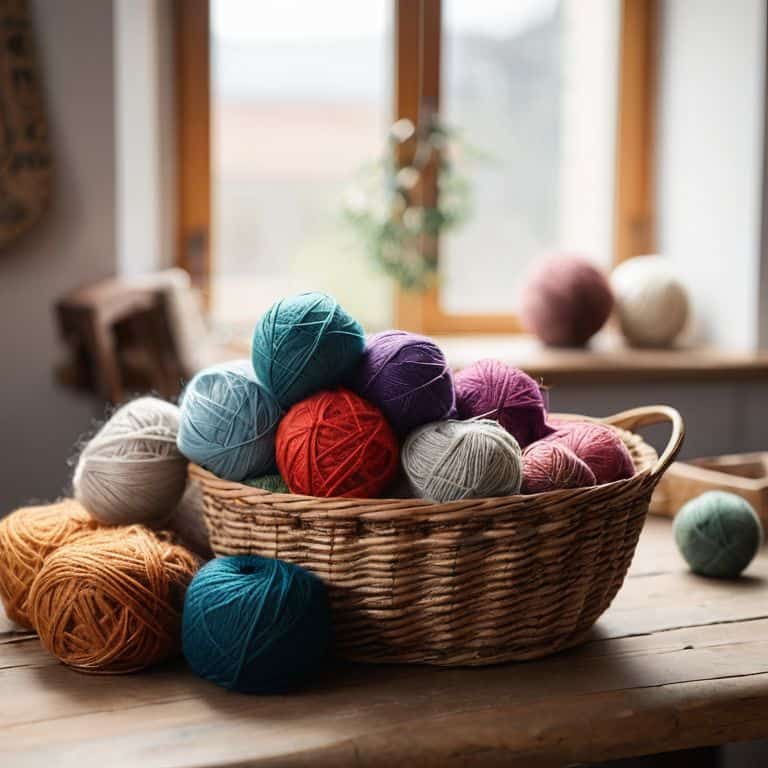
- Consider the Season: Think about when and where your finished project will be used, and choose a yarn that suits the season – for example, cotton or linen for summer, and wool or fleece for winter
- Feel the Fiber: Don’t be afraid to touch and feel different yarns – their texture, softness, and drape can make a huge difference in the finished project
- Match the Color: Choose a yarn color that complements your skin tone, decor, or the occasion – and remember, it’s not just about the color, but also the shade and undertones
- Check the Care Label: Make sure you understand how to care for your yarn – can it be machine washed, or does it need to be hand-washed, and can it be dried in the sun or does it need to be tumble-dried
- Swatch, Swatch, Swatch: Always swatch your yarn before starting a project to ensure the tension, drape, and texture are what you expect – it’s a simple step that can save you time and frustration in the long run
Key Takeaways for Choosing the Perfect Yarn
Always consider the project’s intended use and the fiber content of the yarn to ensure durability and comfort
Understand the yarn weight system and use a conversion chart to ensure you’re using the right weight for your project
Start with a simple project and choose a yarn that suits your skill level, then gradually experiment with different fibers and weights as you gain experience
Conclusion: You're Now a Yarn Connoisseur
As we wrap up this guide to choosing yarn for a project, let’s take a moment to review the key points we’ve covered. We started with the basics of understanding yarn weight and how to navigate the sometimes-confusing world of yarn weight conversion. Then, we dived into the essential steps for selecting the perfect yarn for your project, including considering factors like fiber content, color palette, and personal preference. By breaking down the process into manageable, step-by-step instructions, you’re now equipped with the knowledge to make informed decisions and find the ideal yarn for your creative endeavors.
As you embark on your yarn-filled journey, remember that the joy of making is not just about the end result, but about the process itself. Don’t be afraid to experiment, try new things, and make mistakes – they’re all part of the learning process. With patience, practice, and a clear understanding of how to choose the right yarn, you’ll be well on your way to creating something truly beautiful and unique. Happy crafting!
Frequently Asked Questions
What are the most important factors to consider when choosing a yarn for a specific project?
When choosing a yarn, I always consider three key factors: fiber content, weight, and color. Think about the project’s intended use, the season, and your personal preference. Ask yourself: Do you want it to be soft and cozy, or durable and long-lasting? What’s the perfect hue to match your vision? Let’s break it down together to find the perfect yarn for your dream project.
How can I ensure that the yarn I select will work well with the pattern or design I have in mind?
To ensure the yarn works well with your pattern, let’s consider a few key factors together. First, check the yarn weight recommended in the pattern and match it to the yarn’s label. Next, think about the fiber content and how it will affect the drape and texture of your finished project.
Are there any specific yarn weights or fibers that are best suited for beginners, and how can I determine which one is right for me?
Let’s simplify this: for beginners, I recommend starting with medium-weight yarns, like worsted or aran, and fibers like acrylic or cotton. These are forgiving and easy to work with. Consider what you want to make and the season – for example, cotton for summer, wool for winter. We’ll break it down further, but this is a great starting point!
