
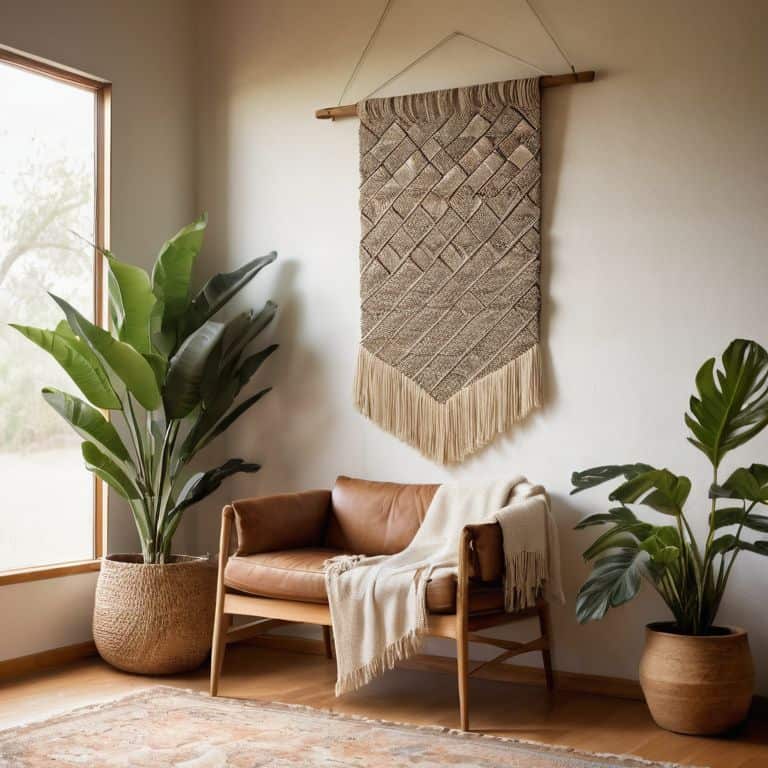
As I stood in my studio, surrounded by half-finished looms and balls of yarn, I couldn’t help but think about the countless times I’ve been asked about creative ways to hang a woven wall hanging. It’s a question that gets to the heart of my passion for textile art, and one that I believe is often oversimplified. The truth is, hanging a woven wall hanging is not just about finding a sturdy nail or a suitable hook – it’s about creating a visual dialogue between the piece, the wall, and the surrounding space. I’ve seen far too many beautiful woven pieces relegated to a bland, cookie-cutter display, and it’s a shame, because with a little creativity, these artworks can truly come alive.
In this article, I’ll share my own approach to hanging woven wall hangings, one that emphasizes texture, form, and negative space. I’ll walk you through my favorite techniques, from using reclaimed wood dowels to create a rustic, organic look, to employing macrame cords to add a touch of elegance and sophistication. My goal is to empower you with the knowledge and inspiration you need to showcase your own woven masterpieces in a way that does them justice. Whether you’re a seasoned weaver or just starting out, I’m excited to share my insights with you, and to help you unlock the full potential of your woven wall hangings.
Table of Contents
- Guide Overview: What You'll Need
- Step-by-Step Instructions
- Hanging Artistic Expressions
- Boho Chic Inspirations Unique Wall Mounting Systems
- Suspended in Splendor Macrame Wall Hanging Patterns
- Elevating Your Space: 5 Creative Tips for Hanging Woven Wall Hangings
- Key Takeaways for Hanging Your Woven Masterpiece
- Elevating Your Space
- Weaving a Lasting Impression
- Frequently Asked Questions
Guide Overview: What You'll Need
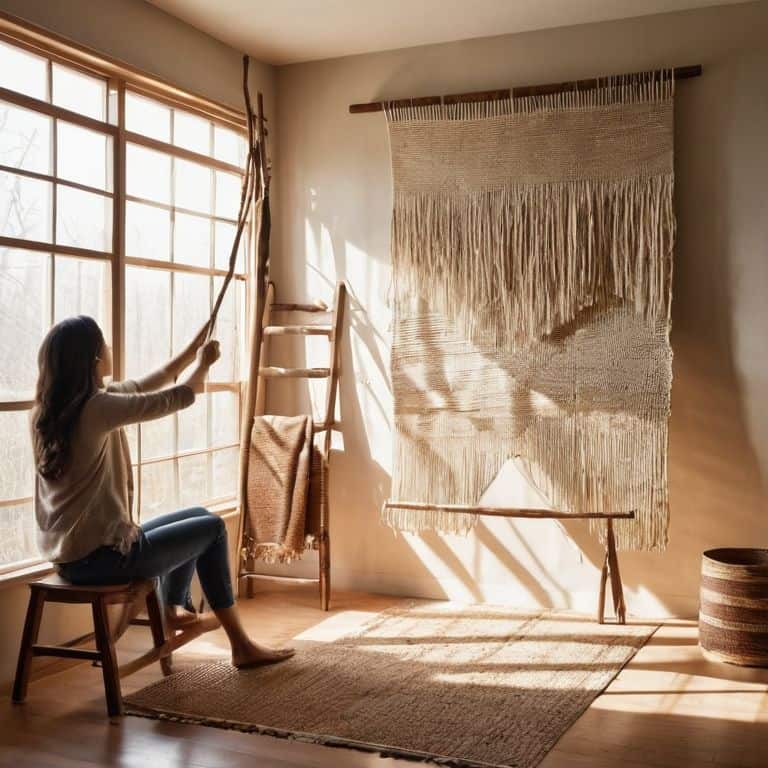
Total Time: 1 hour 45 minutes
Estimated Cost: $20 – $40
Difficulty Level: Easy
Tools Required
- Drill (with screwdriver and drill bits)
- Hammer
- Tape Measure
- Level
Supplies & Materials
- Woven wall hanging
- Dowel rod (1/4 inch diameter, 36 inches long)
- Copper pipe or wooden dowel (for hanging rod, 1/2 inch diameter, 48 inches long)
- Wall anchors (e.g., Molly bolts or screw-in anchors)
- Nails or screws (1 inch or 1.5 inches long)
- Hanging hardware (e.g., picture hooks, D-rings)
- Twine or leather strips (for macrame hanger)
- Measuring tape (for measuring wall space)
- Pencil (for marking wall)
Step-by-Step Instructions
- 1. First, I like to start by assessing the weight of my woven wall hanging, as this will determine the type of hanging method I’ll use. For lighter pieces, I can get away with using a simple nail or adhesive strip, but for heavier pieces, I’ll need to use something more substantial, like a wooden dowel or a sturdy hook.
- 2. Next, I consider the aesthetic I’m going for, and choose a hanging method that complements the style of my woven piece. For example, if I’m going for a more rustic look, I might use a reclaimed wood dowel or a piece of driftwood to hang my weaving. If I’m going for a more modern look, I might use a sleek metal rod or a minimalist wooden bracket.
- 3. Once I’ve decided on my hanging method, I measure and mark the spot where I’ll be hanging my weaving. I use a level to make sure the mark is straight, and a pencil to lightly mark the spot where I’ll be placing my nail or hook. This is an important step, as it ensures that my weaving will be hung evenly and securely.
- 4. Now it’s time to choose my hanging hardware, and I have to say, this is one of my favorite parts of the process. I love browsing through hardware stores or online marketplaces to find unique and interesting pieces that will add an extra layer of texture and interest to my hanging. Some of my favorite options include vintage door handles, antique hooks, and handmade wooden brackets.
- 5. With my hardware in hand, I drill a small pilot hole into the wall at the spot I marked earlier. This helps to guide my nail or screw into place, and prevents the wall from splitting or cracking. I then carefully hang my weaving, making sure it’s level and securely fastened to the wall.
- 6. To add an extra layer of depth and visual interest, I like to experiment with different types of hanging cords or ropes. For example, I might use a macrame cord to add a bohemian touch, or a simple leather strap to add a touch of sophistication. I find that this can really make or break the overall look of my hanging, and I love the process of trial and error to find the perfect combination.
- 7. Finally, I step back and admire my handiwork, making any necessary adjustments to the hanging to ensure it’s perfectly level and securely fastened to the wall. This is the most rewarding part of the process, as I get to see my woven wall hanging suspended in all its glory, and appreciate the textural beauty of the piece.
Hanging Artistic Expressions
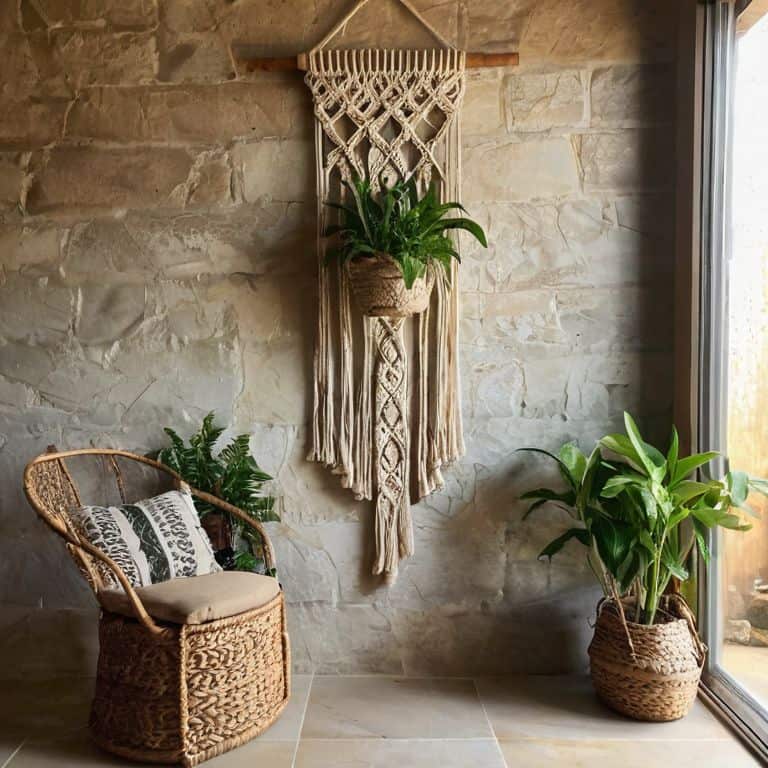
As I delve into the world of hanging artistic expressions, I find myself drawn to the texture and dimension that a well-placed macrame wall hanging can add to a room. The intricate patterns and knots can elevate a space from ordinary to extraordinary, creating a boho chic wall decor inspiration that is both eclectic and sophisticated. When it comes to hanging these pieces, I often experiment with unique wall mounting systems that allow the textile art to take center stage.
In my own studio, I’ve had the pleasure of working with a variety of hanging textile art pieces, from large-scale woven wall decor ideas to more intimate, delicate pieces. One thing that’s become clear is the importance of considering the overall aesthetic you want to achieve. For example, a DIY wall hanging kit can be a great way to add a personal touch to a room, while a more intricate piece may require a more thoughtful approach to hanging.
As I reflect on my own approach to hanging artistic expressions, I’m reminded of the value of attention to detail. Whether you’re working with a intricate macrame wall hanging pattern or a more minimalist design, the way you choose to hang your piece can make all the difference. By taking the time to consider the interplay of texture and form, you can create a truly stunning display that showcases your woven wall decor ideas in the best possible light.
Boho Chic Inspirations Unique Wall Mounting Systems
As I delve into the world of bohemian-inspired wall hangings, I find myself drawn to unconventional mounting systems. Reclaimed wood, vintage door hardware, and even antique window frames can add a touch of eclectic charm to a room. I’ve experimented with using old wooden ladder rungs as a unique mounting system, allowing the woven piece to float effortlessly against the wall. The combination of natural textures and organic shapes creates a visually striking display that showcases the woven art as a true masterpiece.
The key to achieving this boho chic look is to embrace imperfection and experimentation. I encourage you to scour thrift stores, flea markets, or even your own backyard for unusual items that can be repurposed as a wall mounting system. The result will be a one-of-a-kind display that not only showcases your woven art but also tells a story of creativity and resourcefulness.
Suspended in Splendor Macrame Wall Hanging Patterns
As I experiment with macrame wall hanging patterns, I’m reminded of the intricate details found in architectural designs. The careful balance of knots and cord spacing can elevate a woven piece from a simple decoration to a stunning work of art. I’ve found that using a combination of thick and thin cords adds depth and visual interest to the overall design.
I’ve been sketching out various macrame patterns on graph paper, inspired by the geometric shapes and lines found in modern architecture. The result is a unique blend of ancient craft and modern aesthetic, perfect for suspending my woven wall hangings in a way that showcases their texture and beauty.
Elevating Your Space: 5 Creative Tips for Hanging Woven Wall Hangings
- Experiment with unconventional materials like reclaimed wood, copper pipes, or macrame cords to add an extra layer of texture and interest to your wall hanging
- Consider the weight and size of your woven piece when choosing a hanging method, and don’t be afraid to get creative with pulleys, levers, or counterweights for larger installations
- Play with negative space by hanging your woven wall hanging away from the wall, using a sturdy rod or dowel to create a sense of depth and visual tension
- Combine your woven wall hanging with other textures and materials, like plants, natural fibers, or found objects, to create a unique and immersive installation
- Think beyond the traditional vertical hang – consider suspending your woven piece from the ceiling, or hanging it at an angle to create a dynamic, architectural effect
Key Takeaways for Hanging Your Woven Masterpiece
I’ve found that experimenting with reclaimed wood dowels or macrame cords can add a fascinating layer of texture and interest to your woven wall hanging’s display
Considering the architectural approach to hanging your woven piece, think about how the suspension method can either complement or contrast with the texture and form of the weaving itself
Remember, the way you choose to hang your woven wall hanging is an extension of the artistic expression itself, so don’t be afraid to try out unique wall mounting systems or macrame patterns to elevate your piece from a mere decoration to a true work of art
Elevating Your Space
The way we hang a woven wall hanging is not just about suspension, it’s about creating a dialogue between the piece, the wall, and the surrounding environment – a harmony of texture, form, and negative space that elevates the entire room.
Ethan Thorne
Weaving a Lasting Impression
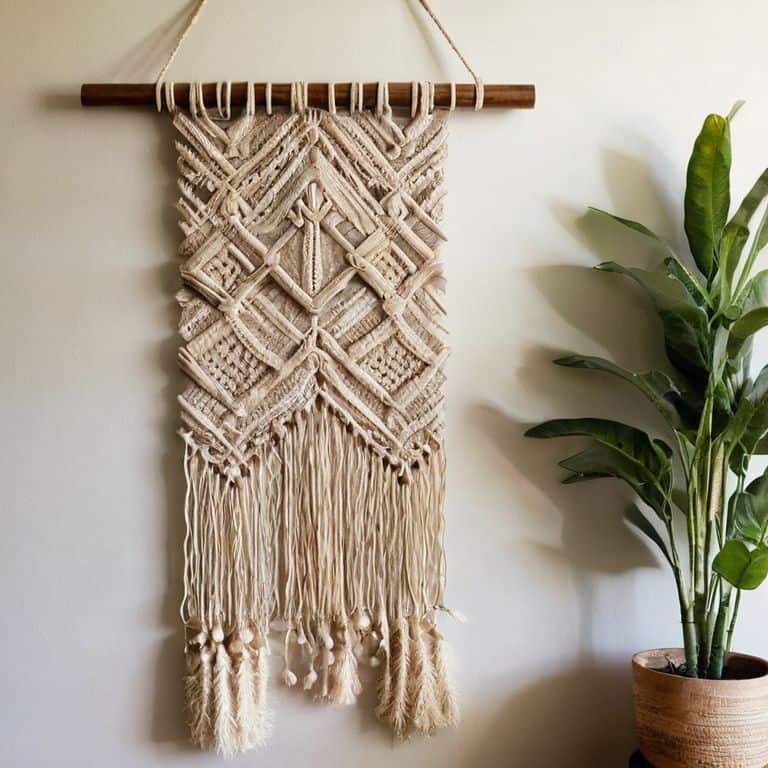
As we’ve explored the world of creative ways to hang a woven wall hanging, it’s become clear that the process is just as much about expression as it is about functionality. From macrame wall hanging patterns that add a touch of bohemian elegance to unique wall mounting systems that make a statement, the possibilities are endless. By considering the texture, color, and form of our woven pieces, we can create a truly immersive experience that invites the viewer to step into the world of the artwork. Whether you’re a seasoned weaver or just starting out, the key is to experiment and have fun with the process.
As you embark on your own journey of hanging your woven masterpieces, remember that the true beauty lies not just in the piece itself, but in the story it tells. Every thread, every fiber, and every carefully considered detail comes together to create a unique narrative that reflects your personality and style. So don’t be afraid to think outside the box, to push the boundaries of what’s possible, and to weave your own story – one that will be told and retold for years to come through the beautiful, intricate pieces that adorn your walls.
Frequently Asked Questions
What are some unconventional materials I can use to create a unique hanging system for my woven wall hanging?
I love experimenting with unconventional materials for hanging my woven pieces. I’ve used reclaimed driftwood, copper pipes, and even vintage door hinges to add an extra layer of texture and interest. You could also try using natural fibers like rattan or wicker, or even repurposed architectural elements like old window frames.
How do I determine the best hanging method to complement the texture and pattern of my woven piece?
For me, it’s all about harmony between the woven piece and its surroundings. I consider the texture, pattern, and color of the weaving, then choose a hanging method that complements those elements. Sometimes, a simple nail will do, while other times, I opt for a reclaimed wood dowel or macrame cord to add an extra layer of texture and interest.
Can I use a combination of hanging techniques, such as macrame and dowel rods, to add depth and visual interest to my woven wall hanging?
I love that idea – combining macrame and dowel rods can add incredible depth and texture to your woven wall hanging. I’ve experimented with this approach myself, and the result is a visually stunning, layered look that draws the eye in. By mixing these techniques, you can create a unique, architectural piece that showcases your woven art in a whole new way.
