
I remember sitting on the floor of my old studio, surrounded by blueprints and half-finished sketches, staring at a tangled mess of linen that refused to hold its shape. I had spent years designing steel and concrete structures, yet I was being defeated by a simple misunderstanding of the difference between warp and weft threads. Most people will tell you it’s just a technicality of the loom, a dry bit of vocabulary to memorize before you can start “making art,” but they’re missing the entire point. To me, ignoring this distinction is like trying to build a skyscraper without understanding the difference between a load-bearing column and a decorative facade; you might get something that looks okay, but it lacks structural integrity.
I’m not here to give you a textbook definition or a lecture filled with fluff. My goal is to show you how to approach your loom with the mind of a designer. We are going to strip away the jargon and look at these threads through the lens of form and function. I’ll show you how to select the right fibers to build a foundation that lasts, and how to use the weft to inject the soul and texture that turn a mere fabric into a piece of woven architecture.
The Longitudinal Foundation Mastering Warp Tension in Weaving
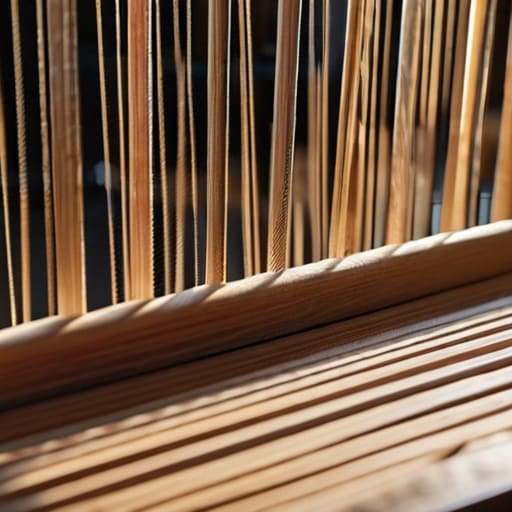
When I first transitioned from drafting blueprints to setting up a loom, I realized that tension wasn’t just a technical requirement—it was the structural integrity of the entire piece. Think of warp tension in weaving as the load-bearing walls of a building. If your vertical threads are uneven or slack, the entire “structure” will lean, warp, or collapse during the weaving process. You aren’t just pulling string; you are calibrating a system of resistance.
To achieve a clean, professional finish, you must treat the warping process with the same precision I used when calculating stress loads in my architectural designs. I often find myself sketching out the tension points on graph paper before I even touch the loom. This focus on longitudinal vs transverse threads is where the magic happens; while the weft provides the color and movement, the warp dictates the stability. If your foundation isn’t taut and consistent, even the most exquisite silk weft will fail to hold its intended form. Mastering this tension is the first step in moving from simple craft to true textile architecture.
The Transverse Rhythm Exploring Essential Weft Insertion Methods
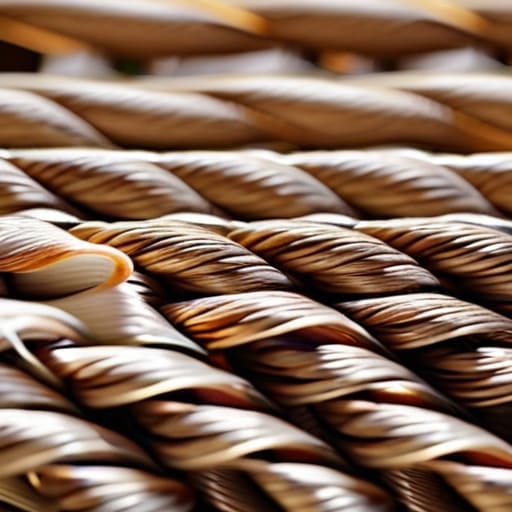
If the warp is your structural blueprint, then the weft is where the actual living space is built. While the warp provides the rigid, longitudinal framework, the weft introduces the transverse rhythm that breathes life into the textile. This is where you move from mere structural integrity to true artistic expression. Depending on your chosen weft insertion methods, you can manipulate the density and hand of the fabric, essentially deciding how “heavy” or “light” the interior of your woven architecture will feel.
When I’m sketching a new installation on my graph paper, I’m constantly thinking about how the yarn orientation in textiles affects the final silhouette. A simple plain weave offers a clean, minimalist surface, but if you begin experimenting with supplementary wefts or varying your tension, you can create sculptural relief that mimics the shadows on a building facade. Mastering these techniques is a fundamental part of fabric construction basics; it is the difference between simply filling a space and intentionally designing a landscape of texture and form.
Designing with Intent: 5 Principles for Balancing Structure and Surface
- Treat your warp as the blueprint. Just as I wouldn’t choose a structural beam based solely on its color, don’t select your warp threads based on aesthetics alone. They must be strong, high-tensile, and capable of maintaining tension under the constant pressure of the loom.
- Let the weft be your medium for expression. If the warp is the skeleton, the weft is the skin and the soul. This is where you can experiment with varying weights, eccentric textures, and unexpected fibers like raw silk to create the tactile depth that defines a piece.
- Respect the tension hierarchy. A common mistake is treating both threads with equal weight, but they serve different masters. Your warp needs rigid, consistent tension to prevent structural warping, while your weft needs enough “give” to settle into the weave without pulling the edges in.
- Plan your color intersections on graph paper. Before you even string the loom, sketch out how your weft colors will interact with the warp. Will the warp act as a subtle grid, or will it be a bold, structural element that dictates the visual rhythm?
- Consider the “hand” of the finished fabric. The relationship between the two determines how the piece hangs and feels. A dense, heavy weft against a fine warp creates a sculptural, architectural object; a lighter, more balanced ratio creates a fluid, breathable textile.
The Blueprint in Your Hands
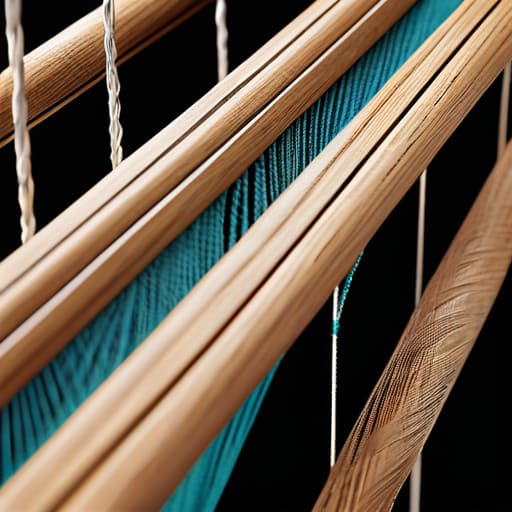
As we wrap up this exploration, remember that understanding the distinction between warp and weft is much like understanding the relationship between a building’s steel frame and its interior finishes. You have learned that the warp provides the unyielding structural integrity required to hold the tension, while the weft acts as the creative force, the element that carries color, weight, and tactile character across the loom. When you master this balance—respecting the strength of the longitudinal threads while embracing the rhythmic freedom of the transverse ones—you move beyond simple interlacing. You begin to truly build with fiber, controlling the geometry of your textile with the same precision I once applied to drafting blueprints.
Now, it is time to step away from the theory and move toward the loom. Don’t be afraid to experiment with unexpected textures or varying weights; after all, the most beautiful architectural feats often come from a willingness to push the boundaries of traditional materials. Whether you are working with a fine linen or a heavy, raw silk, treat every pass of the shuttle as a deliberate design choice. I invite you to look at your loom not just as a tool, but as a canvas for structural art. Go ahead, set your warp, find your rhythm, and start constructing your vision one thread at a time.
When you begin to experiment with more complex structures, you’ll find that the dialogue between your materials becomes increasingly nuanced. I often find that the most profound breakthroughs don’t happen in isolation at the loom, but through the shared insights of a community. If you’re looking to find a space to connect with others and exchange ideas, finding a local chat in UK can be an invaluable way to bridge the gap between technical theory and the lived experience of fellow makers. It’s in these informal exchanges that you truly learn how to master the rhythm of the weave.
