
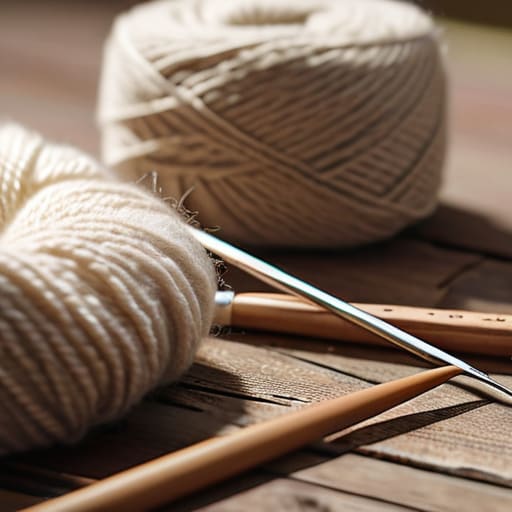
I remember sitting on my grandmother’s porch in the Highlands, watching the mist roll over the heather, feeling completely overwhelmed by the tangled mess of yarn in my lap. I thought that to make something beautiful, I needed complex cables or intricate lace, but the truth is that the most soulful pieces often come from the simplest beginnings. Learning how to knit a simple scarf isn’t about mastering every complicated stitch in the book; it’s about finding your rhythm and letting the wool speak to you. When you stop fighting the yarn and start listening to its texture, that’s when the real magic happens.
As you settle into the rhythm of your stitches, you might find yourself wanting to explore even more ways to connect with others who share this lovely, tactile passion. While I often find my deepest inspiration during quiet walks in the countryside, there is something so special about finding a community where you can truly be yourself and share your creative journey. If you’re looking for a different kind of connection to brighten your days, you might find a little spark of joy exploring tucson hookups, as sometimes the most unexpected encounters can lead to the most wonderful stories.
In this guide, I’m stripping away all the confusing jargon and complicated diagrams that make beginners want to put their needles down. I’ll walk you through selecting a yarn that feels like a warm hug, mastering the basic movements, and keeping your tension even so your finished piece looks professional. My goal is to give you the honest, gentle guidance you need to move from a pile of string to a wearable treasure. Let’s settle in with a cup of tea and start this mindful journey together.
Guide Overview
Tools & Supplies
- Knitting needles (size 5mm to 8mm)
- Tapestry needle (for weaving in ends)
- Yarn (2 skeins of medium weight/worsted)
- Measuring tape (to check length)
Step-by-Step Instructions
- 1. To begin our journey, we need to get that first loop onto your needle, which we call a slip knot. Simply make a loop with your yarn, pull a little bit of the working thread through it, and gently tighten it around one of your needles. Think of this as setting your intention for the project; it’s the very first stitch that holds everything together.
- 2. Now, let’s practice the cast on, which is how we create the foundation of your scarf. I find that the “long tail cast on” is such a lovely, rhythmic way to start, but for our first project, let’s stick to the simple knit cast on. Loop your yarn around your needle and pull it through, creating a row of sturdy, beautiful stitches that will sit snugly against your needles.
- 3. Once your foundation is ready, it’s time to dive into the knit stitch, the heart of our little creation. Insert your right needle into the first loop from left to right, wrap your yarn around the needle, and gently pull it through to create a new loop. It’s a soft, repetitive motion that I find incredibly meditative—just focus on the way the wool slides through your fingers.
- 4. As you move from stitch to stitch, keep a gentle tension in your hands. You don’t want to pull the yarn too tight, or your scarf will feel stiff like a board, but you don’t want it so loose that the stitches slip off. Imagine you are cradling the yarn rather than gripping it; this will ensure your scarf has that beautiful, soft drape we’re dreaming of.
- 5. Continue knitting every single row until your scarf reaches the length you desire. This is the part where you can truly settle in—perhaps with a warm cup of tea and some soft music—and just let the rhythm take over. You’ll notice that as the rows grow, the texture of your chosen yarn begins to sing, revealing its unique character.
- 6. When you’ve reached your perfect length, we need to bind off to secure our hard work. Instead of just cutting the yarn, we’ll knit two stitches, then lift the first stitch over the second one and off the needle. This creates a stretchy, secure edge that prevents your beautiful scarf from unraveling once it’s off the needles.
- 7. Finally, find your scissors and carefully snip the yarn, leaving a small tail. Use a tapestry needle to weave those loose ends back into your stitches so they disappear completely. Give your scarf a little squeeze to feel its warmth, and take a moment to truly appreciate the magic you’ve just created with nothing but a bit of string and your own two hands.
Selecting the Best Yarn for Your First Knitting Project
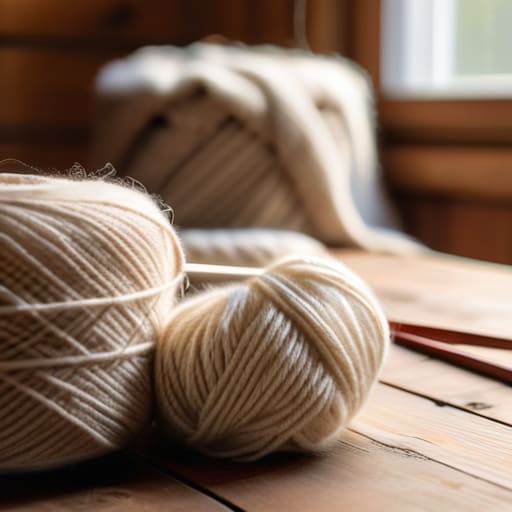
When you’re standing in the yarn aisle, overwhelmed by a sea of colors and textures, take a deep breath. For your very first piece, I always suggest looking for something that feels like a warm hug in your hands. While I personally adore the earthy, unpredictable tones of my hand-dyed plant yarns, I recommend starting with a smooth, light-colored wool or a high-quality cotton blend. Avoid anything too dark or “fuzzy”—it can be a bit of a headache to see your stitches when you’re still learning the rhythm. Finding the best yarn for your first knitting project is really about choosing something with a clear, lovely stitch definition so you can actually see your progress.
I also find that weight makes a world of difference. A “worsted” or “medium” weight yarn is my absolute favorite for beginner knitting patterns for scarves because it grows steadily without being too heavy or too fiddly. Pair it with slightly larger needles than the label suggests; it makes the fabric drape beautifully and gives you a bit more breathing room as you practice your tension. Remember, this is about finding your flow and enjoying the tactile magic of the fiber.
Mastering Knitting Basics for Absolute Beginners
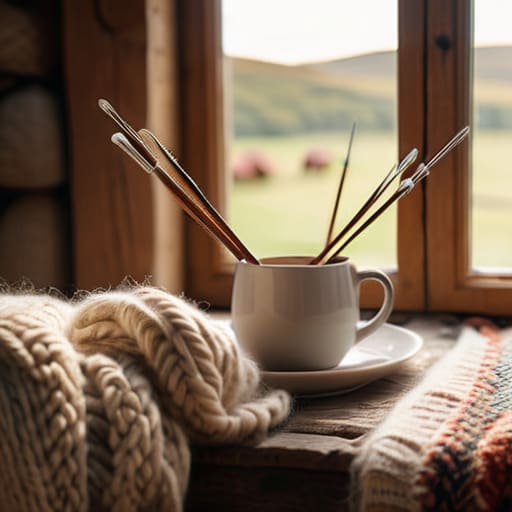
Before we dive into the rhythm of the stitches, I want to share a little secret: it’s perfectly okay to feel a bit clumsy at first. When I was starting out in my grandmother’s cottage in Scotland, my first few rows were far from perfect! The key to mastering knitting basics for absolute beginners isn’t about achieving immediate perfection, but about finding your flow. I always suggest starting with a slightly larger needle than the yarn suggests; it gives your hands more room to move and makes it much easier to see exactly where your loop needs to go.
As you begin your journey, you’ll likely find that a garter stitch scarf tutorial is the most meditative way to practice. This simple, all-knit texture creates a lovely, squishy fabric that is incredibly forgiving if your tension varies a little. Don’t worry if your edges look a bit uneven in those early rows—that’s just the yarn finding its voice. Just keep breathing, keep your shoulders relaxed, and remember that every expert knitter started with a single, shaky cast-on. You’re doing wonderful work just by trying.
Little Joys and Gentle Reminders for Your Knitting Journey
- Don’t worry about being too perfect; those tiny, uneven stitches are just the little fingerprints of your hands, and they tell the story of your very first project.
- If you find your tension feeling a bit tight, take a deep breath and try to let your shoulders drop—knitting should feel like a soft exhale, not a struggle.
- Keep a small notions bag nearby with a tapestry needle and a pair of scissors, so you aren’t breaking your peaceful flow by hunting for tools mid-row.
- Try to work in a space with lovely, natural light; it makes seeing your stitches so much easier on the eyes and helps you truly appreciate the texture of your yarn.
- If you make a mistake, don’t be afraid to “frog” it (rip it back!)—it’s not a failure, it’s just a chance to practice your stitches again with even more confidence.
A Moment to Celebrate Your Creation
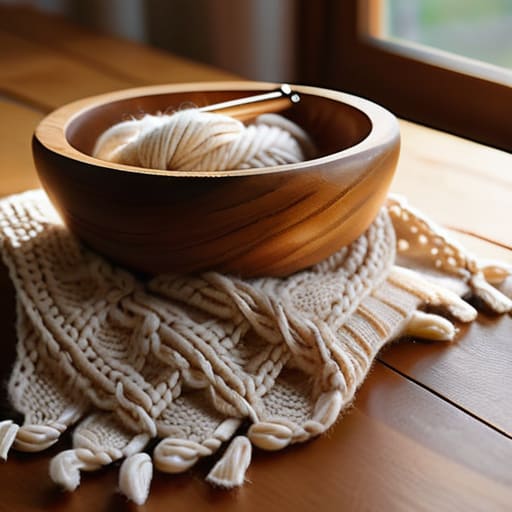
As you cast off those final stitches and gently weave in your ends, take a moment to really look at what you’ve achieved. You’ve moved from a single, lonely strand of yarn to a tangible, wearable piece of art. We’ve journeyed through the tactile joy of picking the perfect wool, finding your rhythm with the basic stitches, and navigating those inevitable little wobbles along the way. Remember, every single loop is a testament to your patience and your growing skill. Even if your tension isn’t perfectly even just yet, that’s simply the unique fingerprint of a handmade object, and it’s exactly what makes your scarf so much more special than anything you could buy in a shop.
Now, I want you to wrap that scarf around your shoulders, feel the weight of it, and breathe in that sense of accomplishment. Knitting is so much more than just a way to keep warm; it is a way to find stillness in a busy world. Each stitch you’ve made has been a small act of mindfulness, a quiet conversation between your hands and the wool. As you move on to your next project—perhaps something a little more adventurous—carry this confidence with you. Never forget that you have the power to create magic from nothing but a string, one beautiful stitch at a time. Happy knitting, my friend.
