
I still remember the first time I tried to learn how to crochet – I was overwhelmed by the plethora of patterns, yarn types, and confusing tutorials. It seemed like every guide to crochet for beginners assumed I already knew the basics, leaving me frustrated and eager for a clear, step-by-step approach. But what if I told you that crochet doesn’t have to be intimidating? With a little patience and the right guidance, anyone can master the craft. My own journey with crochet began as a way to relax and express my creativity, and I’m excited to share my knowledge with you through this guide to crochet for beginners.
As we embark on this journey together, I promise to provide you with practical, easy-to-follow instructions that will have you crocheting like a pro in no time. In this article, we’ll break down the fundamentals of crochet, covering everything from choosing the right yarn to mastering basic stitches. My goal is to empower you with the confidence to create something truly beautiful, and to enjoy the process of learning this wonderful craft. So, let’s get started on this amazing adventure, and I’ll walk you through every step, ensuring that you feel supported and encouraged throughout the way.
Table of Contents
Guide Overview: What You'll Need
Total Time: 2 hours 30 minutes
Estimated Cost: $20 – $50
Difficulty Level: Easy
Tools Required
- Crochet Hook available in various sizes
- Tapestry Needle for weaving in ends
- Scissors for cutting yarn
Supplies & Materials
- Yarn choose a beginner-friendly fiber like acrylic or cotton
- Stitch Markers optional, but helpful for tracking stitches
- Measuring Tape for measuring your work in inches
Step-by-Step Instructions
- 1. First, let’s start with the basics: gathering our materials. You’ll need a few essential tools to get started with crochet, including a crochet hook, some yarn, and a pair of scissors. Don’t worry too much about the type of yarn or hook size just yet; we’ll dive into those details later. For now, just make sure you have these basic supplies within arm’s reach.
- 2. Next, let’s talk about yarn weights and how to choose the right one for your project. As a beginner, it’s best to start with a medium-weight yarn that’s easy to work with. Look for yarn labels that indicate the weight as “medium” or “worsted.” This will help you achieve a balanced fabric that’s not too loose or too tight.
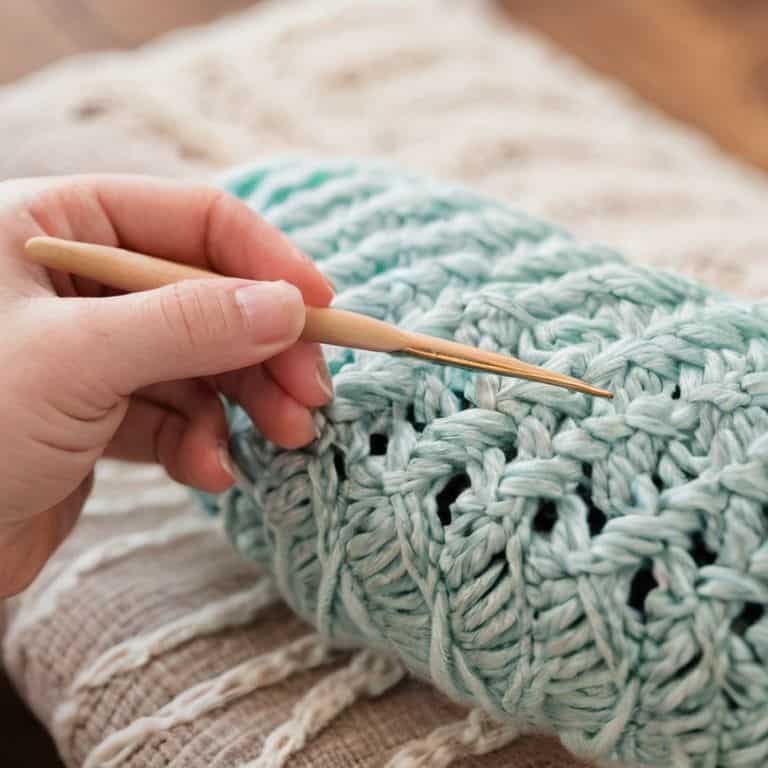
- 3. Now, it’s time to learn how to hold the crochet hook. This might seem like a small detail, but trust me, it makes a big difference in your overall comfort and stitch quality. Hold the hook like you would a pencil, with a relaxed grip and your hand positioned to allow for smooth, flowing motions.
- 4. With your hook in hand, let’s move on to making a slip knot. A slip knot is a small loop that you’ll use to secure your yarn to the hook. To make one, hold the yarn in your non-dominant hand, make a loop with the yarn, and then hook the crochet hook through the loop. Pull the yarn gently to tighten the knot, and you’re ready to start crocheting.
- 5. Next up, we have the chain stitch, which is the foundation of most crochet projects. To create a chain stitch, insert the hook into the stitch directly below the slip knot, yarn over, and pull the yarn through the stitch. You should now have one loop on the hook. Repeat this process until you have the desired number of chain stitches for your project.
- 6. Now that we have our foundation chain, let’s learn how to single crochet. The single crochet is a versatile stitch that’s perfect for beginners. To make a single crochet, insert the hook into the second chain from your hook, yarn over, and pull the yarn through the stitch. You should now have two loops on the hook. Yarn over again, and pull the yarn through both loops on the hook. This will complete one single crochet stitch.
- 7. As you work on your project, it’s essential to keep track of your stitches. One way to do this is by using a stitch marker to mark the beginning of your round or the start of a new pattern. You can also use a piece of scrap yarn or a small piece of paper to keep track of your progress. Don’t be afraid to count your stitches regularly to ensure you’re on the right track.
A Guide to Crochet for Beginners
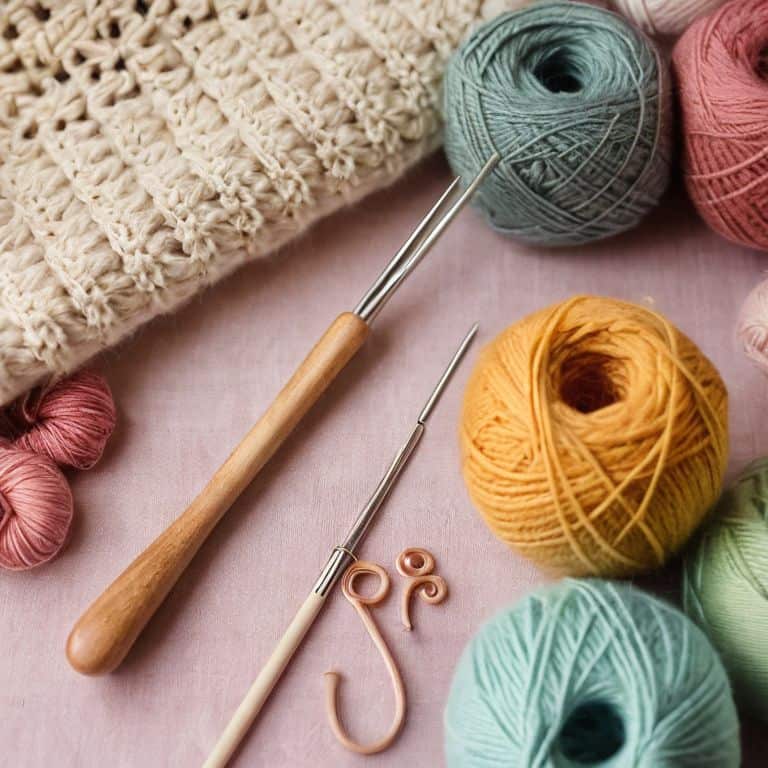
As we dive deeper into the world of crochet, it’s essential to remember that choosing the right crochet hook is crucial for a successful project. The size and material of the hook can significantly impact the tension and overall look of your stitches. When selecting a hook, consider the type of yarn you’re using and the desired texture of your project. For beginners, it’s best to start with a versatile hook that can accommodate a variety of yarn weights.
When it comes to crochet patterns for beginners, it’s vital to start with simple designs that allow you to practice basic stitches. Look for patterns that feature basic crochet stitches for beginners, such as the single crochet or half double crochet. These stitches are the foundation of most crochet projects and will help you build confidence in your skills. As you progress, you can move on to more complex patterns and techniques.
To ensure a smooth and enjoyable crochet experience, it’s also important to be mindful of common crochet mistakes to avoid. One of the most frequent errors is inconsistent tension, which can cause your project to become misshapen. To avoid this, try to maintain a consistent grip on the yarn and hook, and don’t pull the yarn too tightly. With practice and patience, you’ll be able to create beautiful crochet projects that you’ll treasure for years to come.
Choosing the Right Hook and Yarn
Choosing the right hook and yarn is a crucial step in your crochet journey. I like to think of it as setting the foundation for a beautiful friendship between you, the yarn, and the hook. For beginners, I recommend starting with a medium-weight yarn and a hook that feels comfortable in your hand. Look for yarns made from soft, easy-to-work-with materials like acrylic, cotton, or blends. As for hooks, aluminum or steel are great options – they’re durable and smooth, making it easier to glide the yarn through stitches.
When selecting a hook, consider the size and type of project you want to make. A smaller hook is perfect for intricate details, while a larger one is better suited for thicker yarns and quicker projects. Don’t worry if it seems overwhelming at first; with a little practice, you’ll develop a sense of what works best for you. Remember, the key is to have fun and experiment with different combinations until you find your perfect match.
Mastering Basic Stitches With Ease
Now that we’ve covered the essentials of choosing the right hook and yarn, let’s dive into the fun part – mastering basic stitches. To start, I recommend practicing the chain stitch, single crochet, and double crochet. These stitches are the foundation of most crochet patterns, and getting comfortable with them will make a huge difference in your progress.
I’ve found that breaking down each stitch into smaller, manageable steps is key to mastering them quickly. For example, to create a chain stitch, simply insert your hook into the stitch, yarn over, and pull the yarn through. Repeat this process until you reach the desired length. Remember, practice makes perfect, so don’t be afraid to make mistakes – they’re an opportunity to learn and improve.
5 Essential Tips to Get You Crocheting Like a Pro
- Start with the right tools: invest in a good quality crochet hook and yarn that suits your project and skill level
- Practice, practice, practice: don’t be discouraged if your stitches are uneven at first, it’s all part of the learning process
- Watch your tension: consistent tension is key to a beautiful and even crochet fabric, so try to keep your stitches relaxed and uniform
- Don’t be afraid to frog it: if you make a mistake, don’t worry, it’s easy to rip out your work and start again – it’s all part of the learning journey
- Join a crochet community: connecting with other crocheters can be a great way to stay motivated, learn new techniques and get feedback on your projects
Key Takeaways for Beginner Crocheters
Always start with the basics: understanding your hook, yarn, and basic stitches is crucial for a strong foundation in crochet
Breaking down complex patterns into simple, manageable steps can make even the most daunting projects feel achievable and enjoyable
Practice is key, but so is patience – don’t be afraid to make mistakes, as they are an essential part of the learning process and can often lead to new discoveries and techniques
Congratulations, You've Unraveled the Magic of Crochet!
As we come to the end of this journey together, let’s take a moment to reflect on what we’ve accomplished. We’ve covered the essential steps to get you started with crochet, from choosing the right hook and yarn to mastering basic stitches with ease. You’ve learned how to create a foundation, work through the initial rows, and ultimately bring your project to life. It’s been my pleasure to guide you through this process, and I hope you’ve found my instructions clear, concise, and easy to follow. Remember, the key to success lies in taking it one step at a time, being patient with yourself, and practicing regularly.
Now that you’ve dipped your toes into the world of crochet, I encourage you to keep exploring and pushing your creative boundaries. Don’t be afraid to try new patterns, experiment with different yarns, and make mistakes – they’re an essential part of the learning process. As you continue on this crafty path, remember that the joy of making is just as important as the end result. So, go ahead, pick up that hook, and let the gentle rhythm of crochet transport you to a world of relaxation and creativity. Happy hooking, and I look forward to seeing the beautiful things you’ll create!
Frequently Asked Questions
What if I accidentally drop a stitch, how do I fix it without unraveling my entire project?
Don’t worry, it’s an easy fix. If you drop a stitch, simply insert your hook into the stitch below and gently pull it back up to its original position. If the stitch has fallen too far, you can use a crochet hook to carefully pick it up, one row at a time, until you reach the mistake.
How do I know what type of yarn is best suited for a specific crochet pattern?
When selecting yarn for a pattern, consider the recommended fiber type, weight, and color. Check the pattern’s specifications or look for a yarn substitute guide. You can also consult with a knowledgeable staff member at a craft store or join a crochet community for advice. I like to make a simple checklist to ensure I’ve got the right yarn for my project.
Can I use a regular sewing needle to weave in ends, or do I need a special tapestry needle?
While you could use a regular sewing needle, I highly recommend a tapestry needle for weaving in ends. Its blunt tip and large eye make it perfect for navigating yarn threads without splitting the stitches. Trust me, it’s worth the investment for a neat and professional finish.
