
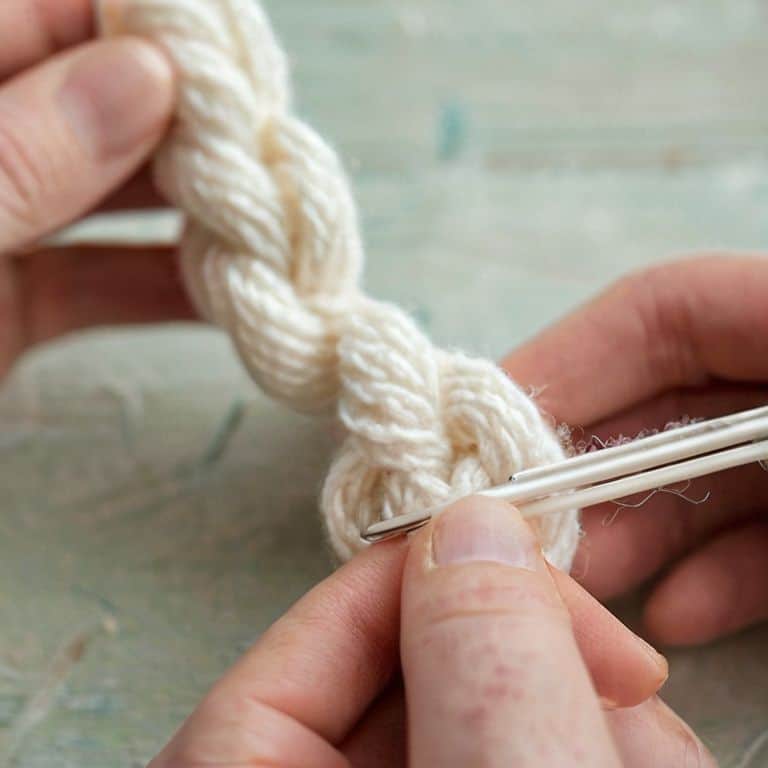
I still remember the first time I tried to learn how to make a slip knot and chain stitch – I was frustrated, tangled in a mess of yarn, and ready to give up on crochet forever. But then I discovered the secret to effortless slip knots and chain stitches: it’s not about following a formula, it’s about feeling the fiber and letting your hands move intuitively. The myth that you need to be a perfectionist to master these stitches is simply not true – in fact, it’s often the imperfect stitches that add character to a piece.
In this article, I’ll share my honest, no-hype guide to how to make a slip knot and chain stitch, and show you that with a little practice, you can create beautiful, handmade pieces that reflect your personality. You’ll learn how to create a slip knot with ease, and how to build upon it with a smooth chain stitch. My goal is to empower you to take control of your crochet journey, to experiment, and to make something truly unique – so let’s get started, and unravel the magic of slip knots and chain stitches, one stitch at a time.
Table of Contents
Guide Overview: What You'll Need
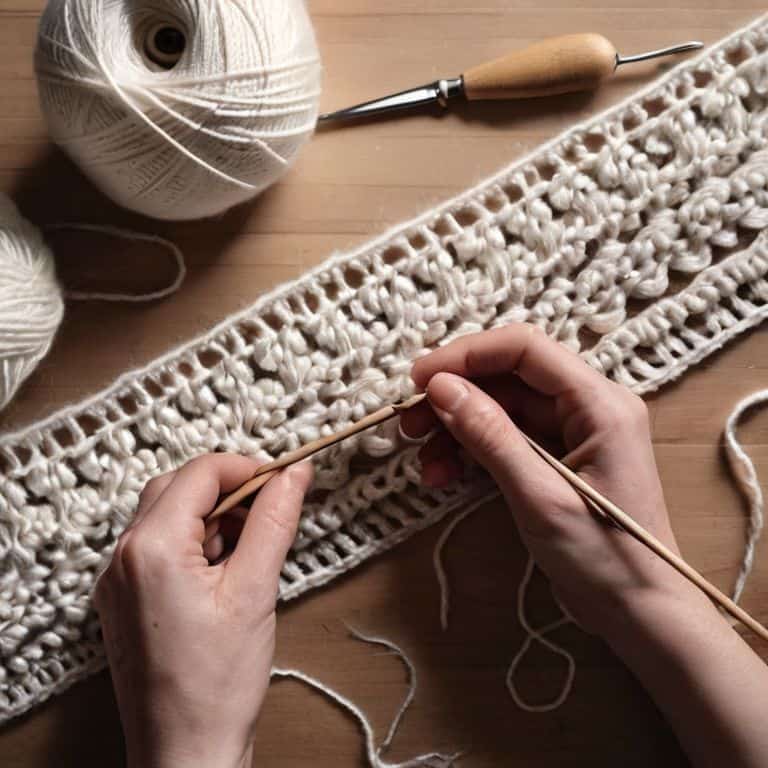
Total Time: 30 minutes to 1 hour
Estimated Cost: $0 – $10
Difficulty Level: Easy
Tools Required
- Scissors (sharp)
- Tapestry Needle (or other large-eye needle)
- Measuring Tape (or ruler)
Supplies & Materials
- Cotton Rope or Twine (about 6 feet long)
- Yarn or Thread (pick a color of your choice)
Step-by-Step Instructions
- 1. First, let’s get started with the foundation of our crochet journey – the slip knot. To create a secure slip knot, hold the yarn in one hand, make a loop with the yarn, and then hook the crochet hook through the loop. Think of it as giving your yarn a big hug, making sure it’s comfortable and ready for the stitches to come.
- 2. Next, gently pull the yarn tail to tighten the loop around the hook. Don’t pull it too tight, just enough to keep it from coming undone. You want it to be snug, but still have some give, like a warm welcome to your crochet project.
- 3. Now, let’s move on to creating the chain stitch. To do this, insert the hook back into the stitch directly below the slip knot, and then yarn over. This is where the magic begins, and your project starts to take shape. Remember, the chain stitch is the backbone of your crochet piece, so take your time and make sure each stitch is even and consistent.
- 4. After yarning over, pull the yarn through the stitch. You should now have one loop on the hook. Don’t worry if it looks a bit messy at this stage – we’re just getting started, and it’s all part of the creative process. The key is to keep going and have fun with it.
- 5. Continue to yarn over and pull the yarn through the previous loop on the hook. This will create another loop, and you’ll start to see your chain stitch come to life. As you work on your chain stitches, remember to keep a steady tension – not too tight, not too loose. You want it to be just right, like a perfectly balanced recipe.
- 6. Repeat step 5 until you have the desired length for your chain stitch. Don’t be afraid to experiment and try different lengths – it’s all about finding what works best for your project and your personal style. And hey, if you make a mistake, it’s not the end of the world – it’s just an opportunity to get creative with corrections.
- 7. Once you’ve achieved the length you want, pull the yarn tail to secure the last loop on the hook. This will keep your chain stitch from unraveling, and you can then use it as the foundation for your next stitches. Take a step back, admire your handiwork, and feel the sense of accomplishment that comes with creating something with your own hands.
- 8. Finally, take a deep breath, and get ready to move on to the next stage of your crochet journey. You’ve successfully created a slip knot and chain stitch – you’re a natural! Now, go forth and crochet like the wind, my friends, and remember to always have fun and make it your own.
Mastering Slip Knots
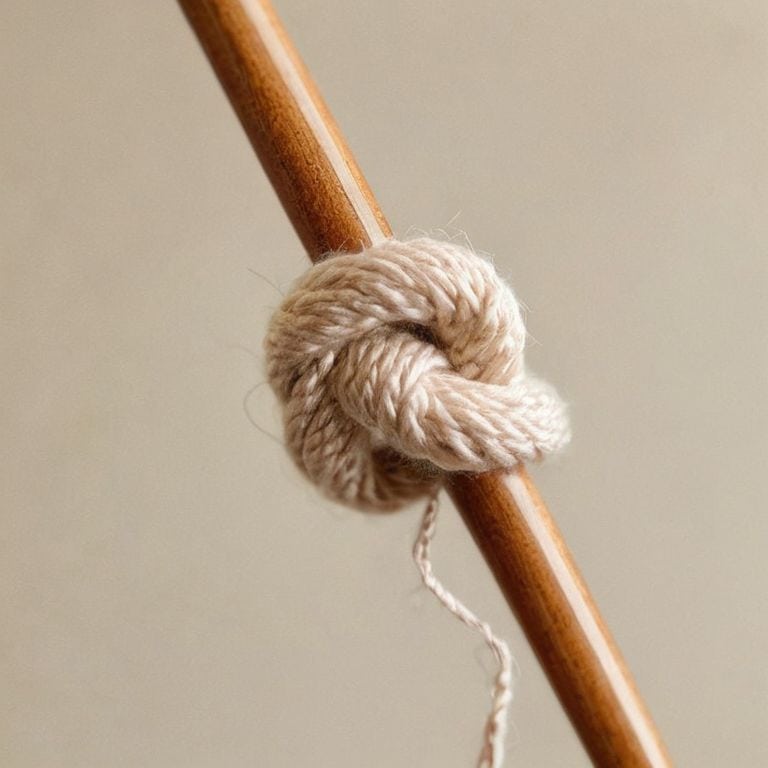
As I always say, mastering the basics is key to creating beautiful crochet pieces. When it comes to basic crochet stitches for beginners, the slip knot is an essential foundation. To ensure a secure slip knot, make sure the loop is not too tight or too loose, as this can affect the entire foundation chain stitch. I like to think of it as finding the perfect balance – not too snug, not too sloppy.
One common mistake beginners make is confusing the slip knot with the larkshead knot. While both knots are useful in crochet, they serve different purposes. The slip knot is ideal for starting a new project, as it allows for a smooth, even foundation. On the other hand, the larkshead knot is better suited for joining two pieces of crochet together. By understanding the differences between these knots, you’ll be able to choose the right one for your project and avoid common mistakes in crochet foundation.
To take your slip knot game to the next level, experiment with different yarn weight and fiber options. Thicker yarns, like wool or chunky acrylics, can create a more textured, rustic look, while thinner yarns, like cotton or silk, produce a more delicate, lacy effect. Remember, the type of yarn you choose will also impact the size and type of crochet hook you’ll need to use, so be sure to choose a hook that’s compatible with your yarn selection. With a little practice and patience, you’ll be creating beautiful, unique pieces in no time.
Choosing Yarn Weight for Beginners
When it comes to selecting the perfect yarn for your project, weight plays a huge role. As a beginner, it’s essential to choose a yarn that’s not too thick or too thin. I recommend starting with a medium-weight yarn – it’s versatile and easy to work with. Think of it as the goldilocks of yarns, not too heavy, not too light, but just right.
For slip knots and chain stitches, a yarn with a bit of texture and softness works beautifully. Acrylic, cotton, or a blend of the two are great options. Avoid anything too bulky or fuzzy, as it can be tricky to maneuver. Trust me, you want your first projects to be enjoyable, not frustrating. So, pick a yarn that feels lovely in your hands, and don’t be afraid to experiment with different weights and textures as you gain more experience.
Slip Knot vs Larkshead Knot
So, you’re wondering what’s the difference between a slip knot and a larkshead knot? Honestly, I used to get them mixed up all the time when I first started crocheting. But here’s the thing: a slip knot is adjustable, whereas a larkshead knot is more fixed. Think of it like the difference between a casual, flowy sundress and a fitted, statement piece – both have their place, but they serve different purposes.
For me, the slip knot is all about freedom and flexibility. I love that I can easily adjust the size of my loop, which is especially handy when I’m working with different yarn weights or creating a piece that needs a bit of give. The larkshead knot, on the other hand, is more structured and secure, making it perfect for projects that require a bit more stability.
Stitch Like a Pro: 5 Essential Tips for Slip Knots and Chain Stitches
- Keep it relaxed, friends – don’t pull the yarn too tight when creating your slip knot, or it’ll be harder to work with later
- Choose a yarn that speaks to you, and don’t be afraid to mix and match weights and textures for a unique look
- Practice makes perfect, so don’t get discouraged if your first few slip knots are a bit wonky – it’s all part of the handmade charm
- Pay attention to your chain stitch tension – you want it to be consistent, but not too tight, or your project will start to pucker
- Don’t be a perfectionist – a few intentional ‘mistakes’ can add character to your piece, and make it truly one-of-a-kind
Key Takeaways to Get You Hooked
Always remember, the key to a perfect slip knot lies in the gentle tug – not too tight, not too loose, just like life, it’s all about balance
Experimenting with different yarn weights is your ticket to unlocking a world of textures and styles, so don’t be afraid to mix and match
Whether you’re a fan of the slip knot or the larkshead knot, the most important thing is to have fun and make it your own – after all, that’s what handmade is all about
The Heart of Handmade
As I always say, the slip knot and chain stitch are more than just the foundation of a beautiful piece – they’re a reminder that even the smallest, most imperfect stitches can weave together to create something truly extraordinary.
Ruby Warren
Unraveling the Magic: A Journey of Slip Knots and Chain Stitches
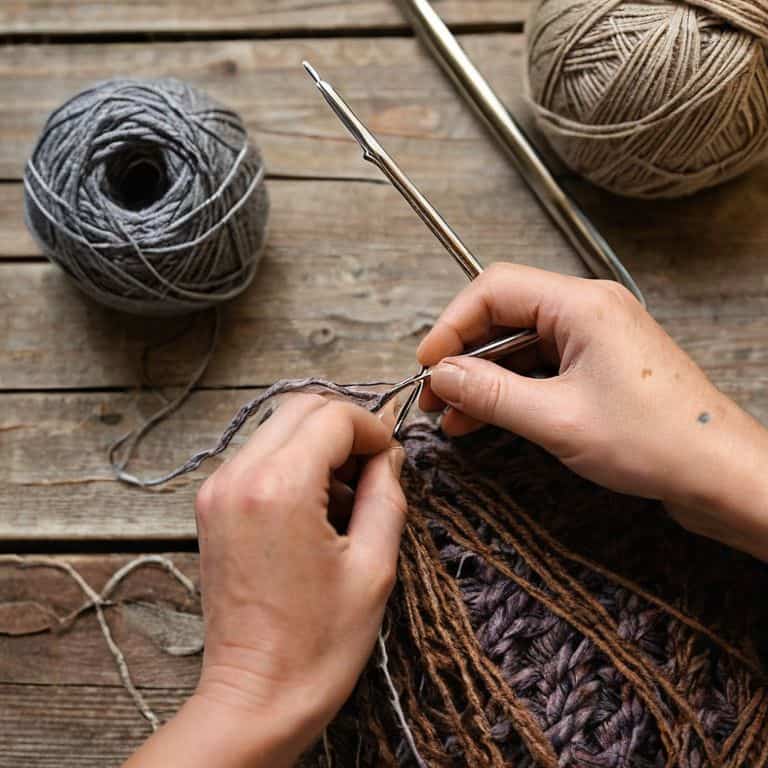
As we conclude this journey of creating slip knots and chain stitches, let’s take a moment to reflect on the key takeaways. We’ve mastered the art of making a slip knot, which is the foundation of our crochet and macrame projects. We’ve also explored the importance of choosing the right yarn weight for our projects, and how it can affect the overall texture and appearance of our handmade items. Additionally, we’ve discussed the difference between slip knots and larkshead knots, and when to use each. By understanding these fundamental concepts, we can unlock a world of creative possibilities and bring our unique ideas to life.
As you put down your hook and yarn, remember that the true beauty of handmade lies in its imperfections and uniqueness. Don’t be too hard on yourself if your stitches aren’t perfect – it’s the character and charm that makes each piece special. So, go ahead and experiment with different yarns, colors, and patterns. Let your creativity shine and make something that truly reflects your personality. With practice and patience, you’ll be creating stunning pieces that tell a story and bring joy to your home and the people around you.
Frequently Asked Questions
What's the best type of yarn to use for a slip knot and chain stitch for a beginner?
For beginners, I swear by medium-weight yarns – they’re forgiving and easy to work with. Acrylic or cotton blends are great choices, as they’re soft, yet sturdy enough to hold a beautiful slip knot and chain stitch. Trust me, friends, you’ll be hooked from the very first stitch!
How do I know if my slip knot is secure and won't come undone while I'm working on my project?
Hey, friend! To check if your slip knot is secure, gently tug on the yarn. If it feels snug and doesn’t budge, you’re golden! If it comes undone, don’t worry, just try again. I like to give it a little pull, just to be sure – it’s all about finding that sweet spot where it’s tight enough to stay put, but not so tight that it’s hard to work with.
Can I use a slip knot and chain stitch to start any type of crochet or knitting project, or are there specific patterns that require it?
While slip knots and chain stitches are super versatile, they aren’t always the best fit for every project. Some patterns, like amigurumi or lace shawls, might call for a different starting method, but for most blankets, hats, and scarves, this combo is a great way to get started!
