
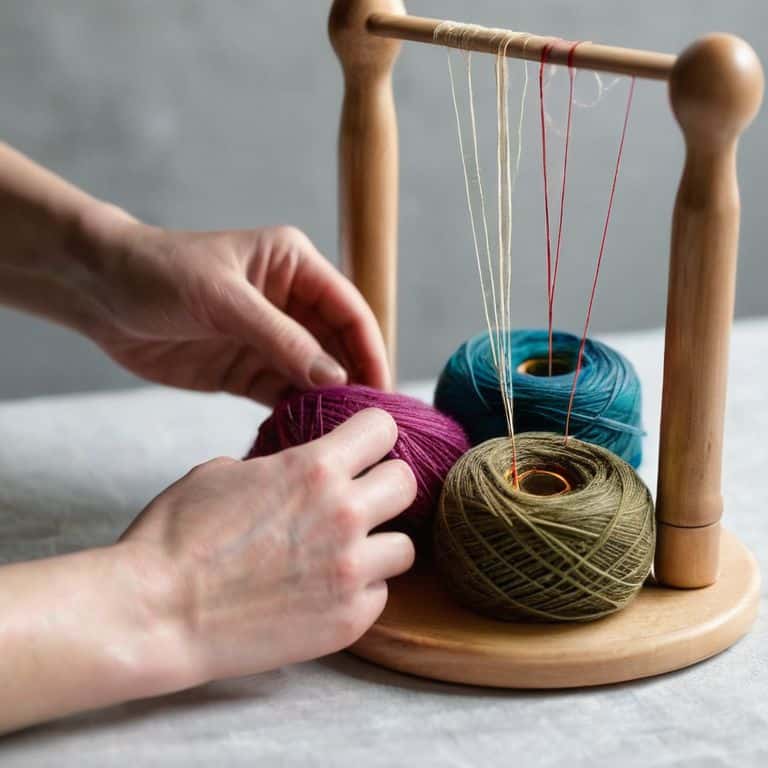
I still remember the first time my wife, an avid weaver, asked me to help her with how to wind a center-pull ball of yarn. She was frustrated with the tangled mess that seemed to appear out of nowhere, and I was determined to find a solution. As a carpenter and custom tool maker, I’ve always believed that the right tools and techniques can make all the difference. So, I set out to learn the best way to wind a center-pull ball of yarn, and what I discovered surprised me – it’s not as complicated as it seems, but it does require a bit of finesse.
In this article, I’ll share my personal approach to how to wind a center-pull ball of yarn, and provide you with step-by-step guidance on how to achieve a perfectly wound ball every time. You’ll learn how to choose the right tools, prepare your yarn, and wind it with ease. My goal is to empower you with the knowledge and confidence to take control of your yarn winding, and to make the process a enjoyable and therapeutic experience. By the end of this guide, you’ll be able to wind a center-pull ball of yarn like a pro, and get back to what you love – creating something beautiful with your own two hands.
Table of Contents
Guide Overview: What You'll Need
Total Time: 30 minutes to 1 hour
Estimated Cost: $0 – $5
Difficulty Level: Easy
Tools Required
- Yarn center-pull yarn to be wound
- Cardboard or paper tube from a paper towel roll, approximately 2 inches in diameter and 4 inches long
- Scissors for cutting yarn if necessary
Supplies & Materials
- Sticky note or small piece of tape to hold yarn end in place
Step-by-Step Instructions
- 1. To start winding your center-pull ball of yarn, begin by holding the yarn in one hand, with the end of the yarn between your thumb and index finger. This will give you control over the yarn as you start to wind it. Make sure the end of the yarn is securely in place to prevent it from coming loose as you wind.
- 2. Next, create a small loop with the yarn, keeping your thumb inside the loop to maintain tension. This loop will serve as the foundation for your center-pull ball. As you hold the loop, use your other hand to start wrapping the yarn around the center of the loop, moving in a circular motion.
- 3. Now, begin to shape the yarn into a ball by continuing to wrap the yarn around the center loop. Apply gentle pressure to compress the yarn as you go, making sure it’s not too tight or too loose. You want the yarn to be snug but still able to pull out easily from the center.
- 4. As you continue winding, pay attention to the ball’s shape, making adjustments as needed to keep it even and symmetrical. You can use your fingers to gently tug on the yarn and make any necessary adjustments to the tension.
- 5. To keep the yarn from tangling, use a figure-eight pattern as you wind, wrapping the yarn around the ball in a consistent and orderly fashion. This will help prevent knots and kinks from forming, making it easier to work with the yarn later on.
- 6. Once you’ve reached the desired size for your center-pull ball, secure the end of the yarn by wrapping it around the ball a few times and then tucking it under one of the wraps to keep it in place. Make sure the end is firmly anchored to prevent it from coming loose.
- 7. Finally, inspect your finished center-pull ball to make sure it’s even and securely wound. Give the ball a few gentle tugs to test the tension and make any final adjustments as needed. With your new center-pull ball of yarn, you’re now ready to start your next project, whether it’s knitting, crocheting, or weaving.
Mastering Yarn Ball Winding
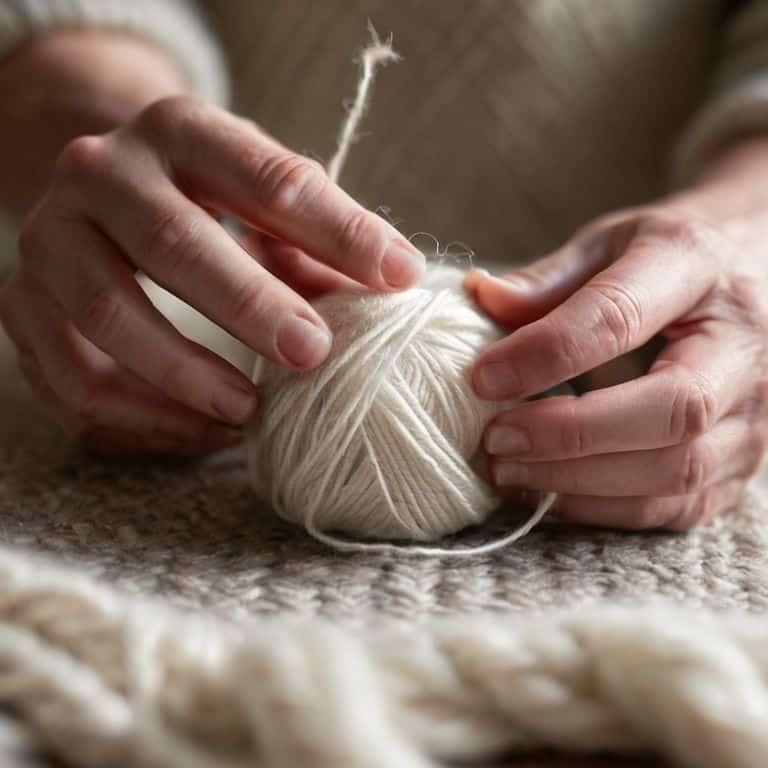
As I continue to refine my yarn ball winding techniques, I’ve come to appreciate the benefits of creating a center pull yarn ball. Not only does it make it easier to work with, but it also helps prevent yarn tangles and knots. When it comes to winding, I’m a firm believer in doing it by hand, rather than relying on a yarn winder. There’s something satisfying about feeling the yarn flow through your fingers as you carefully shape it into a ball.
One of the most important things to keep in mind when winding a yarn ball is to maintain a consistent tension. This will help prevent the yarn from becoming too loose or too tight, which can lead to problems down the line. I’ve also found that using a yarn ball size guide can be helpful in ensuring that my balls are uniform and easy to work with. By following these simple tips, you can create beautiful, functional yarn balls that will make your projects a joy to work on.
In my workshop, I’ve developed a few yarn organization tips that have made a huge difference in my productivity. For example, I like to store my yarn balls in a designated basket or container, where they can be easily accessed and kept tidy. By keeping my yarn organized, I can focus on the creative process, rather than wasting time searching for the right ball of yarn. Whether you’re a seasoned crafter or just starting out, I encourage you to experiment with different hand winding vs yarn winder methods to find what works best for you.
Hand Winding vs Yarn Winder My Verdict
As I stand in my workshop, surrounded by the scent of freshly sanded wood and the soft hum of my spinning wheel, I’ve come to realize that the age-old debate between hand winding and using a yarn winder is a personal one. For me, there’s something therapeutic about hand winding a center-pull ball of yarn – the tactile feel of the yarn flowing through my fingers, the gentle tug as it wraps around itself. It’s a sensory experience that connects me to the craft, much like the smell of cedar or walnut when I’m working on a new project.
That being said, I also appreciate the efficiency of a yarn winder, especially when working with larger quantities of yarn. My wife, an avid weaver, swears by her yarn winder for its speed and consistency. Ultimately, my verdict is that both methods have their place, and it’s up to each maker to decide what works best for their unique needs and preferences.
Unlocking Center Pull Yarn Ball Benefits
Now that we’ve mastered the art of winding a center-pull ball of yarn, let’s dive into the benefits of using this type of yarn ball. I’ve found that center-pull yarn balls are a game-changer for any fiber arts project. By having the yarn feed from the center, you’ll experience less tangling and twisting, making your knitting or crochet sessions much more enjoyable. This is especially true when working with finer yarns or complex patterns.
The reduced tension on the yarn also helps prevent breakage, giving you more control over your stitches. As someone who’s passionate about creating functional tools, I appreciate how a well-wound center-pull yarn ball can elevate the entire crafting experience. Whether you’re a seasoned maker or just starting out, using a center-pull yarn ball can make a significant difference in your workflow and overall project quality.
Winding Wisdom: 5 Essential Tips for the Perfect Center-Pull Ball
- Choose the right yarn for the job – consider the fiber type, weight, and twist to ensure it winds smoothly and evenly
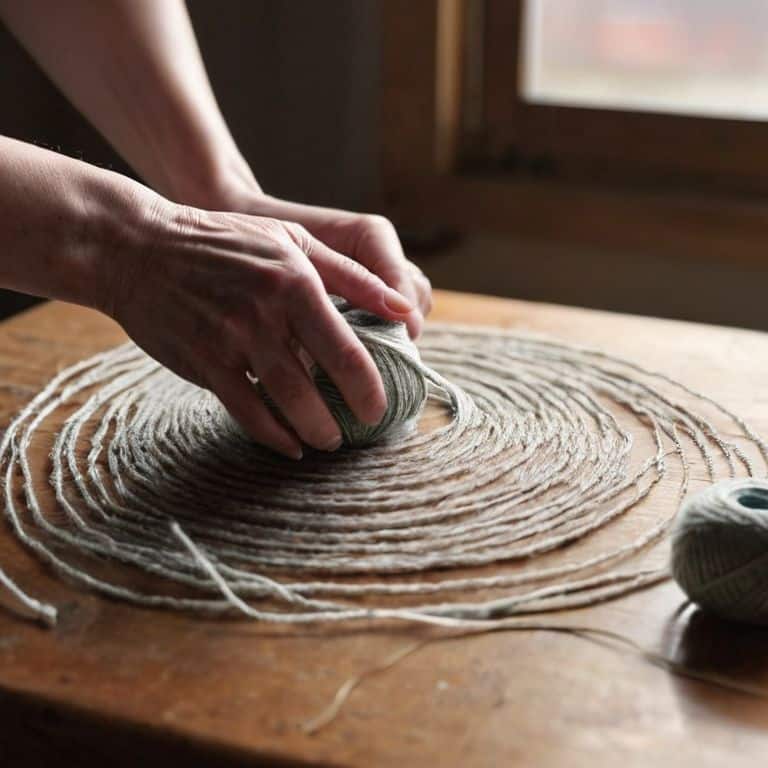
- Use a clean and dry surface to prevent tangles and knots, and make sure your yarn is free from twists and kinks before starting
- Start with a small, tight core and gradually build up the ball, keeping the yarn at a consistent tension to prevent it from becoming misshapen
- Don’t overwind – stop when the ball is firm but still yields to pressure, as overwinding can cause the yarn to become distorted or even break
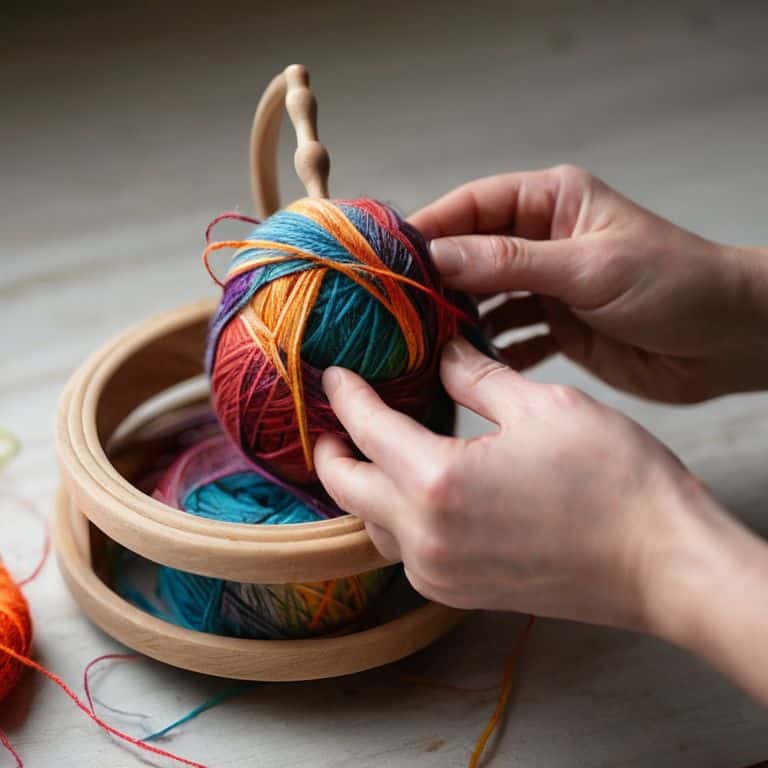
- Consider using a yarn bowl or other container to keep your yarn organized and prevent it from rolling away or getting tangled as you wind
Key Takeaways for the Perfect Yarn Ball
Always consider the type of yarn you’re working with, as different fibers and weights will affect how it winds and behaves in your project
Hand winding and using a yarn winder both have their advantages, but for a truly personal touch and to ensure minimal tangles, I swear by a combination of both techniques
Practice makes perfect: don’t be discouraged if your first few attempts at winding a center-pull ball of yarn don’t turn out as expected – with patience and the right tools, you’ll soon be a pro at creating perfectly wound yarn balls
Wrapping Up the Perfect Yarn Ball
As we’ve explored the world of winding a center-pull ball of yarn, I hope you’ve picked up some valuable tips and tricks to make your yarn-winding journey smoother. From the initial steps of preparing your yarn to the debate between hand winding and using a yarn winder, we’ve covered it all. I also shared my verdict on the benefits of each method, highlighting the importance of choosing the right tool for the job. By now, you should be well on your way to mastering the art of yarn ball winding, and I’m excited to see the beautiful projects you’ll create with your perfectly wound yarn.
As you put these new skills into practice, remember that the process of creating something with your own hands is just as important as the end result. Don’t be afraid to experiment, try new things, and make mistakes – it’s all part of the journey to becoming a skilled maker. And when you’re sitting at your workbench, surrounded by half-finished projects and balls of yarn, just think about the satisfaction of creating something from scratch, and let that feeling drive you to keep pushing the boundaries of what’s possible with your own two hands.
Frequently Asked Questions
What's the best way to prevent tangles when winding a center-pull ball of yarn?
To prevent tangles, I swear by a gentle, consistent touch. As I wind, I keep the yarn at a slight tension, just enough to prevent twists. It’s all about feeling the yarn’s flow, like guiding a wood plane across a fresh plank. Give it a try, and you’ll be winding tangle-free in no time!
How do I know if I've wound my yarn too tightly or too loosely?
That’s a great question, my friend. To check if your yarn is wound just right, give it a gentle tug. If it feels rigid or doesn’t have any give, it’s too tight. If it’s too loose, it’ll feel sloppy. You want it to have a bit of softness, like a well-made wooden joint – snug, but not suffocating.
Can I use a yarn winder to create a center-pull ball, or is hand-winding the only way to get it just right?
While a yarn winder can speed up the process, I’m a firm believer in hand-winding for center-pull balls. There’s just something about the control and feel you get from doing it by hand that makes all the difference. That being said, some yarn winders are designed specifically for center-pull balls, so it’s worth exploring those options if you’re short on time.
