
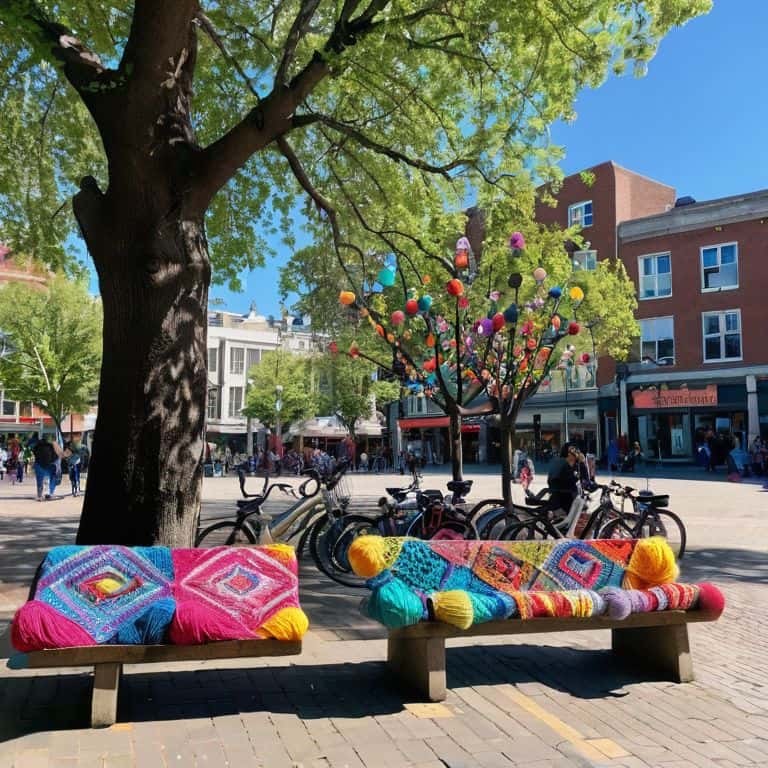
I still remember the first time I stumbled upon a community yarn bombing project – it was a vibrant display of colorful scarves wrapped around a lamppost in a small town. As I approached the installation, I noticed a group of people gathered around, chatting and laughing together. One of them turned to me and asked, “Want to join in?” And just like that, I was hooked. I learned that how to start a community yarn bombing project is not just about knitting or crocheting, but about bringing people together.
As I delved deeper into the world of yarn bombing, I realized that it’s not just about creating something beautiful, but also about building connections within the community. If you’re looking to start your own community yarn bombing project, you’re probably wondering where to begin. In this article, I’ll share my personal experience and provide you with practical advice on how to get started, from gathering a team of enthusiastic makers to choosing the perfect location for your installation. You’ll learn how to turn your vision into a reality and create a stunning display of community art that will inspire and delight everyone who sees it.
Table of Contents
Guide Overview: What You'll Need
Total Time: 2 hours 30 minutes
Estimated Cost: $50 – $100
Difficulty Level: Intermediate
Tools Required
- Knitting Needles (various sizes)
- Crochet Hook (various sizes)
- Scissors (sharp and dedicated to cutting yarn)
- Tape Measure (for measuring spaces and yarn lengths)
- Camera (for documenting the project)
Supplies & Materials
- Yarn (various colors and textures)
- Stitch Markers (for tracking patterns and rows)
- Measuring Tape (for measuring 6 inches or more of yarn)
- Community Engagement Materials (posters, flyers, social media templates)
- Permission Forms (for gaining approval from local authorities)
Step-by-Step Instructions
- 1. First, let’s gather our tribe by spreading the word about our community yarn bombing project. I like to think of this step as the initial spark that sets off a chain reaction of creativity and connection. Reach out to local yarn stores, fiber guilds, and online communities to get the word out and start building a team of enthusiastic participants.
- 2. Next, we need to define our mission and decide on a theme or goal for our project. This could be anything from decorating a public park to creating a massive yarn installation. It’s essential to have a clear vision to guide our efforts and ensure everyone is working towards the same objective. I’ve found that having a strong mission statement helps to inspire creativity and motivates participants to contribute their unique skills and talents.
- 3. Now it’s time to get organized and start planning the logistics of our project. This includes setting a budget, securing necessary permits, and coordinating with local authorities or property owners. It’s also crucial to establish a clear timeline and schedule regular meetings or updates to keep everyone informed and on track. I like to use project management tools to streamline communication and ensure that all team members are aware of their responsibilities and deadlines.
- 4. With our plan in place, we can start assigning tasks and delegating responsibilities to team members. This might include dividing participants into smaller groups to focus on specific aspects of the project, such as yarn selection, pattern design, or installation. It’s essential to play to people’s strengths and provide opportunities for everyone to contribute their skills and talents. I’ve found that empowering team members to take ownership of their tasks helps to foster a sense of community and shared purpose.
- 5. As we begin to create our yarn masterpieces, it’s essential to provide guidance and support to participants. This might include offering workshops or tutorials on specific techniques, such as knitting, crochet, or weaving. We should also establish a system for sharing progress updates and showcasing individual contributions to keep everyone motivated and inspired. I love seeing the creative process unfold and watching our community come together to bring our vision to life.
- 6. Once our yarn creations are complete, it’s time to install our masterpiece and share it with the public. This might involve coordinating with local event organizers, arranging for transportation and storage, and ensuring that our installation is safe and secure. We should also plan for promoting our project through social media, local press, and community outreach to maximize its impact and reach. I’ve found that building a buzz around our project helps to attract new participants and supporters, which can lead to even more exciting opportunities and collaborations.
- 7. Finally, let’s celebrate our success and reflect on what we’ve accomplished together. This might involve hosting a public event or exhibition, creating a photo album or documentary, or simply taking time to appreciate the beauty and significance of our community yarn bombing project. It’s essential to acknowledge the efforts of all participants and recognize the value of our collective creativity and collaboration. I believe that honoring our process and the people involved is just as important as the final product, and it’s what makes our community so strong and resilient.
Unleashing Community Art
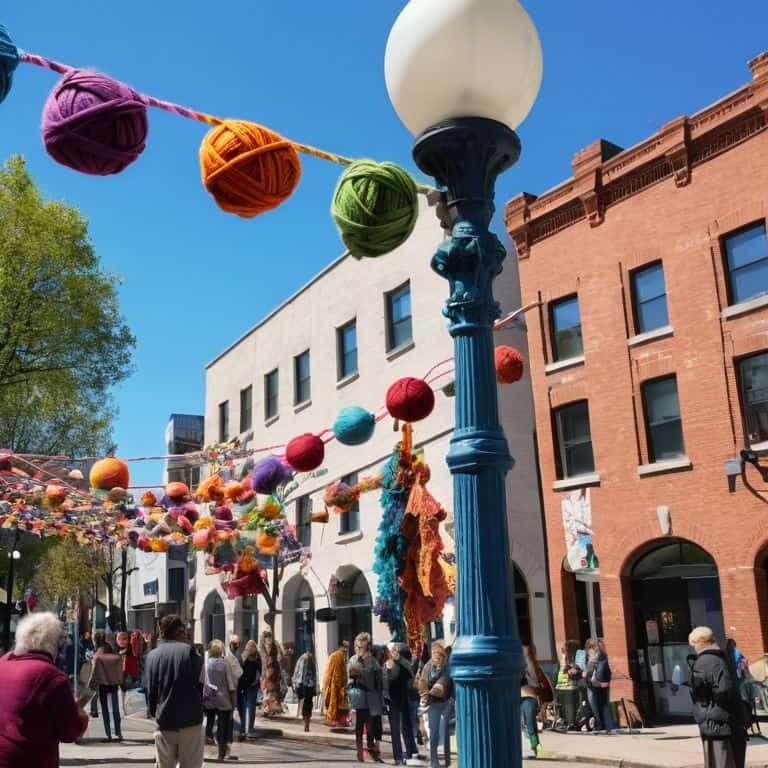
As I’ve traveled to fiber festivals like Rhinebeck and EYF, I’ve seen firsthand the impact of community art project planning on bringing people together. When it comes to yarn bombing, it’s essential to consider the space where your installation will be displayed. Think about the surroundings, the foot traffic, and how your piece will interact with the environment. This will help you choose the right yarn selection for outdoor installations and ensure your art withstands the elements.
When brainstorming yarn bombing ideas for beginners, remember to keep it simple and fun. You can start by involving local schools, community centers, or fiber groups to get more people excited about the project. This collaborative approach will not only make the process more enjoyable but also foster a sense of ownership among participants. As you work together, you’ll discover the true power of collaborative fiber art projects in building connections and creating something truly unique.
As you prepare to unleash your community art, don’t forget to research street art permission and regulations in your area. This will save you from potential headaches and ensure your installation can be enjoyed by everyone. By being mindful of these details, you’ll be free to focus on the creative aspects of your project, like experimenting with guerrilla knitting techniques or pushing the boundaries of what’s possible with yarn.
Guerrilla Knitting Techniques Explained
As I’ve traveled to fiber festivals, I’ve seen the impact of guerrilla knitting firsthand. It’s about taking our craft to the streets, literally. Techniques like “yarn tagging” and “stitch bombing” allow us to add a pop of color and texture to public spaces. I’ve met makers who use everything from simple scarf patterns to intricate cable designs to create these temporary installations. The key is to be bold, yet respectful – to bring joy without damaging property. By embracing these unconventional methods, we can share our passion with a wider audience and inspire others to join in.
Yarn Bombing Ideas for Beginners
As I’ve traveled to fiber festivals, I’ve seen some amazing yarn bombing ideas that are perfect for beginners. One of my favorites is the “yarn vortex” – wrapping yarn around a pole or column to create a colorful, swirling effect. It’s easy to do and makes a big impact. I’ve also seen beautiful “yarn flowers” created by wrapping yarn around a wire frame, which can be attached to a fence or wall. These types of projects are great for getting started with yarn bombing, and they’re a wonderful way to add some fiber art to your community.
Weaving Together: 5 Essential Tips for Launching a Community Yarn Bombing Project
- Start by building a community of like-minded makers and designers who share your passion for yarn bombing, and get to know their stories and motivations
- Choose a theme or concept that resonates with your community, and encourages participants to express their creativity and individuality through their yarn bombing projects
- Select a public space that is visible, accessible, and safe for your yarn bombing installation, and ensure that you have the necessary permissions and approvals
- Plan a series of workshops, meetups, or online events to teach guerrilla knitting techniques, share yarn bombing ideas, and foster a sense of collaboration and camaraderie among participants
- Document and showcase your community’s yarn bombing projects through social media, blogs, or local press, and celebrate the stories and connections that emerge from this shared creative experience
Weaving It All Together: 3 Key Takeaways
Embracing the spirit of community yarn bombing is all about connection – it’s not just about the yarn, but about the people and stories behind each stitch, and how we can come together to create something truly special
By unleashing community art through yarn bombing, we open up opportunities for beginners to get creative, experiment with new techniques like guerrilla knitting, and join a vibrant movement that celebrates craft, community, and self-expression
Ultimately, the true magic of yarn bombing lies in its ability to transcend borders, generations, and skill levels, reminding us that every skein of yarn has a story to tell, and every maker has a unique voice to share with the world
Sparking Connection Through Yarn
The true magic of a community yarn bombing project lies not in the yarn itself, but in the connections it weaves between the people who create it, and the stories it tells to those who experience it.
Noah Byrne
Weaving a Lasting Impact
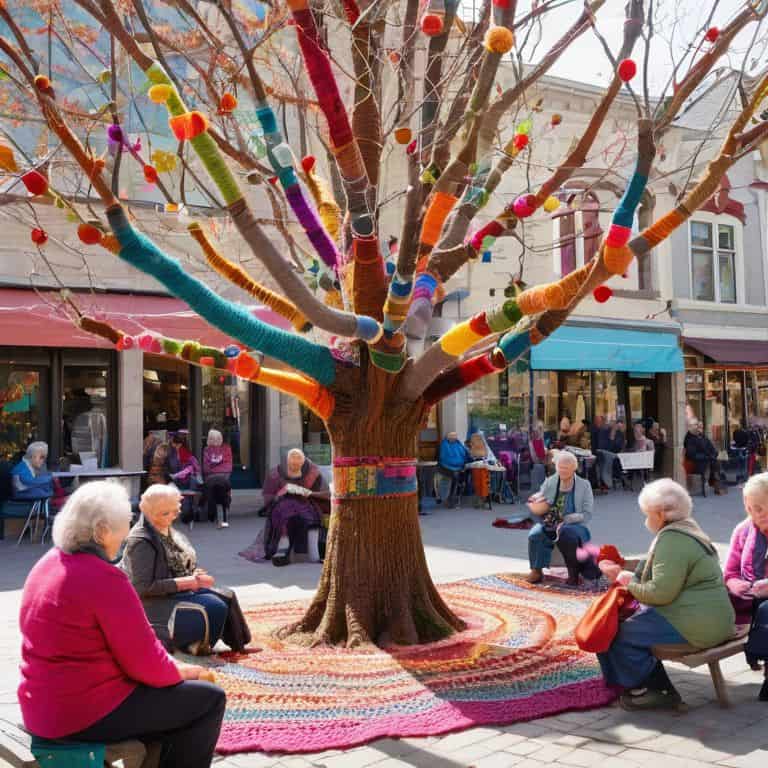
As we’ve explored the world of community yarn bombing, it’s clear that this craft is about more than just wrapping trees in yarn. We’ve covered the essential steps to get started, from gathering a team of passionate makers to choosing the perfect yarn for your project. We’ve also dived into the creative possibilities of unleashing community art, including innovative yarn bombing ideas for beginners and the fascinating world of guerrilla knitting techniques. By embracing this unique form of expression, we not only bring color and joy to our public spaces but also foster a sense of community among participants.
As you embark on your own community yarn bombing journey, remember that the true beauty of this craft lies in its ability to connect us all. It’s about the stories we tell through our stitches, the laughter we share as we work together, and the sense of pride we feel when our creations are revealed to the world. So, let’s keep exploring, creating, and pushing the boundaries of what’s possible with yarn. Let’s weave a lasting impact on our communities, one stitch at a time, and celebrate the incredible stories that every skein of yarn has to tell.
Frequently Asked Questions
What are some ways to get permission from local authorities to yarn bomb public spaces?
Reaching out to local authorities can seem daunting, but I’ve found that a friendly email or call can go a long way. Explain your project’s intent and benefits, and be prepared to provide examples of your work. Some cities even have programs for public art installations, so it’s worth asking about those too!
How can I ensure that my community yarn bombing project is inclusive and accessible to makers of all skill levels?
To make your project inclusive, consider offering workshops for beginners, providing patterns and yarn for varying skill levels, and encouraging collaboration between experienced and new makers – that way, everyone can contribute and learn from each other.
What are some tips for maintaining and repairing yarn bombed installations over time, especially when exposed to outdoor elements?
As I’ve traveled to fiber festivals, I’ve seen yarn bombs withstand the elements, but they do need TLC. Regularly inspect installations, re-secure loose threads, and consider using water-resistant yarns or sealants to protect them from the elements.
