
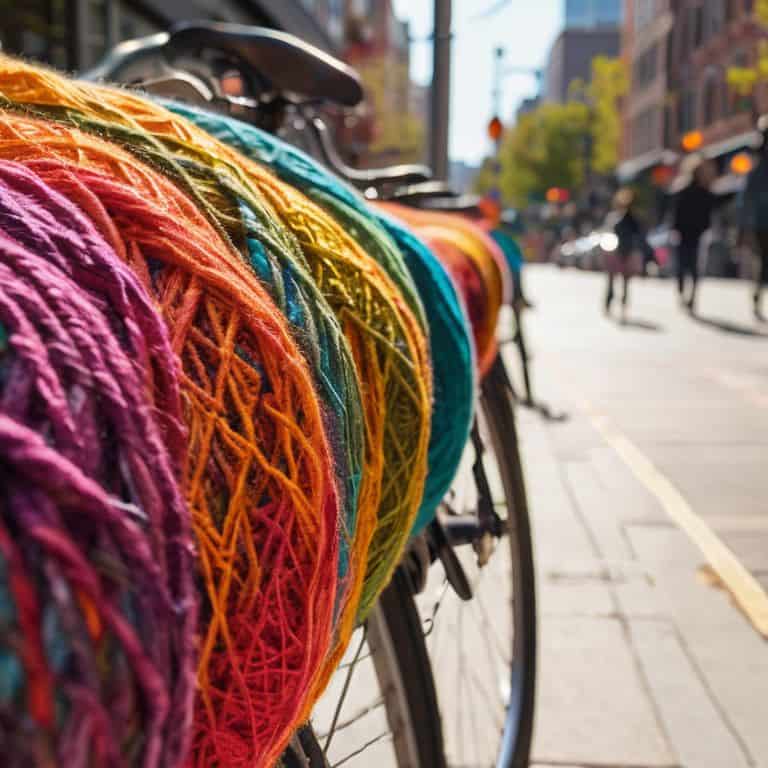
I still remember the first time I stumbled upon a yarn bombing installation – it was a vibrant, colorful scarf wrapped around a lamppost in a quiet neighborhood. As I stood there, admiring the guerrilla knitting, I wondered about the story behind it. Who made it? Why did they choose this spot? And what were the rules of yarn bombing that they followed? As I delved deeper into the world of fiber arts, I realized that there’s more to yarn bombing than just wrapping yarn around objects. It’s about community, self-expression, and pushing boundaries. That’s why I’m excited to share with you a guide to the rules of yarn bombing, and explore the unwritten codes that govern this unique form of street art.
As we embark on this journey together, I promise to share practical advice and personal anecdotes that will help you navigate the world of yarn bombing. You’ll learn about the different types of yarn bombing, from temporary installations to permanent fixtures, and how to choose the right materials and locations for your projects. Whether you’re a seasoned fiber artist or a curious beginner, this guide will provide you with the inspiration and know-how you need to create your own yarn bombing masterpieces. So, let’s dive in and explore the fascinating world of yarn bombing, and discover the stories and secrets that lie behind this captivating art form.
Table of Contents
Guide Overview: What You'll Need
Total Time: 1 hour 30 minutes
Estimated Cost: $10 – $30
Difficulty Level: Easy
Tools Required
- Scissors (sharp and dedicated to cutting yarn)
- Tape measure (for measuring wrapping areas)
- Staple gun (optional for securing yarn in place)
Supplies & Materials
- Yarn (various colors and textures)
- Tree guards or column wraps (for protecting surfaces from yarn damage)
- Zip ties (for temporarily holding yarn in place)
Step-by-Step Instructions
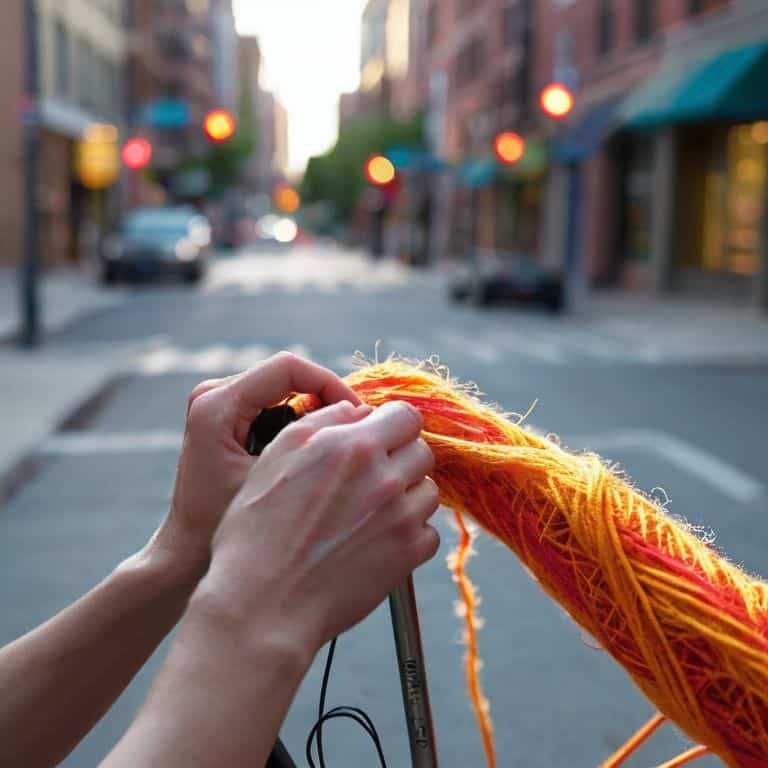
- 1. First, let’s start with the basics: understanding the concept of yarn bombing. It’s not just about wrapping yarn around objects, but about creating a sense of community and beauty in public spaces. To get started, research local yarn bombing groups or events in your area to learn from experienced makers and understand the local regulations.
- 2. Next, choose your target wisely. Look for objects that are visually appealing and can be transformed with yarn, such as bike racks, street signs, or park benches. Consider the environmental impact and ensure that your yarn bombing project won’t harm the environment or damage property.
- 3. Now it’s time to select your yarn. Choose a color scheme that complements the surroundings and reflects the mood you want to create. Consider using eco-friendly yarns or repurposed materials to reduce waste and add an extra layer of meaning to your project.
- 4. Plan your design and create a pattern or template to help you visualize the final result. You can use graph paper, sketching apps, or even create a mood board to get inspired. Keep in mind that simplicity can be just as effective as complexity, so don’t be afraid to experiment and adapt.
- 5. Prepare your materials and start wrapping. Begin with a simple stitch or pattern, and gradually move on to more complex designs as you gain confidence. Remember to respect the object and the community, avoiding any damage or disruption to the surrounding area.
- 6. As you work on your project, engage with the community. Share your progress on social media, and encourage others to join in or provide feedback. This will help create a sense of belonging and foster connections among like-minded makers.
- 7. Once your project is complete, step back and admire your handiwork. Take photos, share your story, and reflect on the experience. Consider the impact of your project on the community and the environment, and think about how you can build upon this experience in future projects.
- 8. Finally, leave a lasting legacy by ensuring that your yarn bombing project is removable and doesn’t cause any permanent damage. Leave a note or a hidden message for the next person to discover, and consider creating a time-lapse video or a blog post to document your process and inspire others.
A Guide to Yarn Bombing Rules
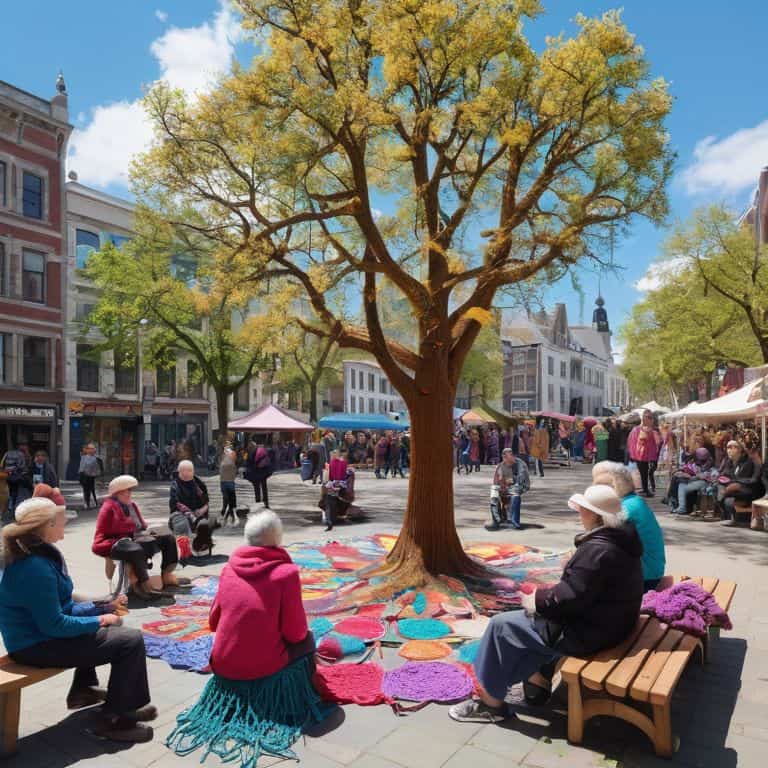
As I’ve traveled to various fiber festivals, I’ve seen the impact of yarn bombing for beginners – it’s not just about creating something beautiful, but also about building a sense of community. When it comes to guerrilla knitting techniques, it’s essential to consider the location and the message you want to convey. I’ve met many talented makers who use street art with yarn to express themselves and bring people together.
When choosing yarn choice for outdoor installations, it’s crucial to think about durability and weather resistance. I’ve learned from experience that the right yarn can make all the difference in creating a stunning piece that can withstand the elements. By using high-quality yarns, makers can ensure their creations remain vibrant and intact, allowing them to be enjoyed by the community for an extended period.
As I continue to explore the world of yarn bombing, I’m reminded of the importance of community engagement through yarn bombing. It’s not just about creating something beautiful; it’s about bringing people together and fostering a sense of connection. By sharing their stories and creations, makers can inspire others to join in, creating a ripple effect of kindness and creativity that can have a lasting impact on the community.
Navigating Yarn Choice and Community Engagement
As I’ve traveled to fiber festivals and met incredible makers, I’ve learned that yarn choice is a crucial part of yarn bombing. It’s not just about grabbing any old skein, but about selecting colors and textures that tell a story. I remember meeting a dyer at Rhinebeck who created a limited-edition colorway just for the festival – it was stunning. When it comes to community engagement, I’ve seen how yarn bombing can bring people together. I’ve interviewed designers who use social media to crowdsource ideas and share their processes, and it’s amazing to see how this collaborative spirit enhances the craft.
By choosing yarns that reflect the community’s personality and engaging with locals, yarn bombers can create installations that are truly meaningful. I’ve seen it time and time again – a beautifully crafted piece that not only adds beauty to a public space but also sparks conversation and connection among those who see it.
Unleashing Guerrilla Knitting Techniques
As I’ve traveled to fiber festivals and spoken to yarn bombers, I’ve discovered that guerrilla knitting is all about creativity and subtlety. It’s not just about wrapping yarn around a pole, but about telling a story and bringing joy to a community. I’ve seen stunning examples of this, from intricate doilies on street signs to vibrant sweaters on sculptures. The key is to be respectful and considerate of the space and the people around it.
I’ve learned from experienced yarn bombers that it’s essential to choose the right yarn and colors to match the surroundings, and to consider the message you want to convey. Some use humor, while others make bold statements. Whatever the approach, the result is always a delightful surprise that brings people together.
Weaving Community Spirit: 5 Essential Tips for Yarn Bombing
- Respect the space: always ensure your yarn bombing installation is removable and doesn’t damage the surrounding environment, because we want to leave a positive impact, not a lasting stain
- Choose your yarn wisely: consider the weather, the location, and the message you want to convey – the right yarn can make or break your installation, and I’ve learned this from the amazing indie dyers I’ve met on my travels
- Engage with the community: yarn bombing is as much about the people as it is about the yarn, so take the time to talk to locals, share your story, and listen to theirs – it’s these connections that make our craft truly special
- Be mindful of permissions: while yarn bombing is often about pushing boundaries, it’s crucial to understand local regulations and get permission when needed, because we want to inspire, not provoke, and I’ve seen how this can bring people together
- Leave a legacy, not litter: when your installation is done, make sure to remove it and leave the space as you found it, because our craft is about creating something beautiful, not contributing to the problem, and I believe every skein of yarn has a story to tell
Key Takeaways from Our Yarn Bombing Journey
As I’ve learned from my conversations with yarn bombers around the world, the most important rule is to respect your community and the spaces you’re transforming with your art
Choosing the right yarn is not just about color and texture, but also about considering the environmental impact and durability of your piece, as many of our community members have shared with me through their own experiences
Ultimately, yarn bombing is about connection, creativity, and bringing people together, which is why I believe the most essential ‘rule’ is to have fun, be open to new ideas, and always ask, ‘What are you working on?’
The Heart of Yarn Bombing
Yarn bombing isn’t just about wrapping yarn around a pole, it’s about weaving a story of community, creativity, and connection – one stitch at a time.
Noah Byrne
Weaving a Community: The Heart of Yarn Bombing
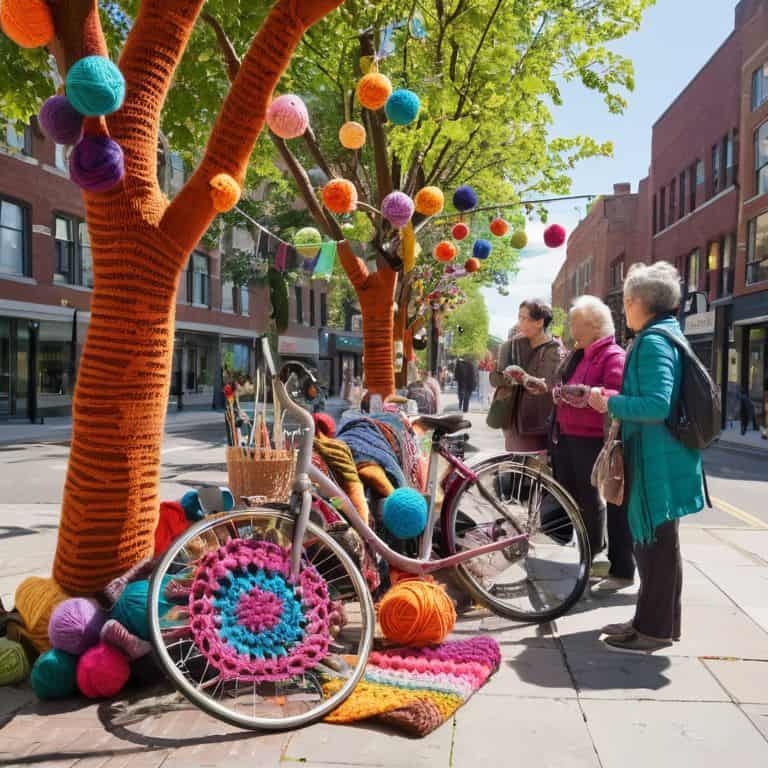
As I reflect on the unwritten rules of yarn bombing, it’s clear that this craft is about so much more than just wrapping yarn around objects. It’s about community engagement, creative expression, and pushing the boundaries of what’s possible with fiber arts. From the guerrilla knitting techniques to the careful consideration of yarn choice, every aspect of yarn bombing is an opportunity to connect with others and tell a story. Whether you’re a seasoned maker or just starting out, the world of yarn bombing is full of inspiration and guidance from a vibrant community of like-minded individuals.
So as you embark on your own yarn bombing journey, remember that the true magic happens when you let go of perfection and embrace the process. Don’t be afraid to experiment, try new things, and connect with others along the way. The stories and memories you create will be just as valuable as the yarn itself, and that’s what makes this craft so truly special. With every stitch, you’re not just creating something beautiful – you’re becoming part of a larger narrative that celebrates creativity, community, and the joy of making.
Frequently Asked Questions
What are the most important things to consider when choosing a location for a yarn bombing installation?
When choosing a location, I always ask, “What’s the story you want to tell?” Consider the community, the surroundings, and the message you want to convey. Is it a bustling street or a quiet park? Think about the impact, the visibility, and the potential for interaction. I’ve seen amazing installations in unexpected places, and I’m always excited to hear, “What are you working on?” in those spots.
How can I ensure that my yarn bombing project is respectful and considerate of the surrounding community?
To ensure your yarn bombing project is respectful, consider the community’s vibe and involve them in the process. I’ve seen amazing collaborations between yarn bombers and local businesses or residents, creating something truly special. Ask yourself, “What story do I want to tell with my yarn?” and “How can I make this a positive addition to the community?
Are there any specific yarns or materials that are best suited for outdoor yarn bombing projects, and how can I make sure they will withstand the elements?
For outdoor yarn bombing, I’ve found that durable, water-resistant yarns like acrylic or nylon blends work best. Some indie dyers even create special “outdoor” lines with UV-resistant dyes. I’ve also seen makers use materials like recycled plastic or copper wire for added durability. What are you working on, and have you experimented with any unique outdoor materials?
