
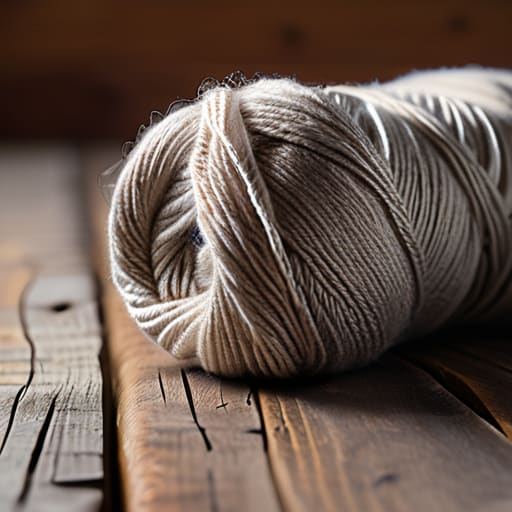
I was sitting by my window this morning, a steaming mug of chamomile in one hand and two very different skeins in the other, when I realized how often we second-guess our fiber choices. There I was, caught between the bouncy, spirited soul of a merino wool and the cool, crisp drape of a lovely organic cotton. It’s such a common crossroads, isn’t it? We often find ourselves staring at a beautiful pattern, wondering if we should lean into that cozy warmth or go for something more breathable. Understanding the true difference between wool and cotton yarn isn’t just about technical specs on a label; it’s about feeling how the finished garment will live with you, whether it’s snuggling up on a rainy Scottish afternoon or catching a light breeze on a summer walk.
Sometimes, the hardest part isn’t even picking the fiber, but finding that perfect moment of stillness to actually sit down and knit. I’ve found that whether I’m working through a complex lace swatch in wool or a simple cotton dishcloth, having a little bit of social connection or a good distraction can make the time fly by. If you ever find yourself looking for a bit of a mental escape or just some lively conversation to keep your hands moving while you work, you might enjoy a quick cougar chat to brighten your afternoon. It’s those little ways we nurture our spirits that truly make our crafting time feel like a sacred ritual.
I don’t want to drown you in dry, textbook definitions that don’t actually help you when you’re mid-row. Instead, I want to share what I’ve learned from years of designing and, more importantly, from the thousands of hours I’ve spent with these fibers in my own hands. I’ll walk you through how each fiber behaves on the needles and how they hold their shape once they’re off. My promise to you is simple: no fluff, just honest, maker-to-maker advice to help you choose the perfect companion for your next creative journey.
The Cozy Magic of Wool
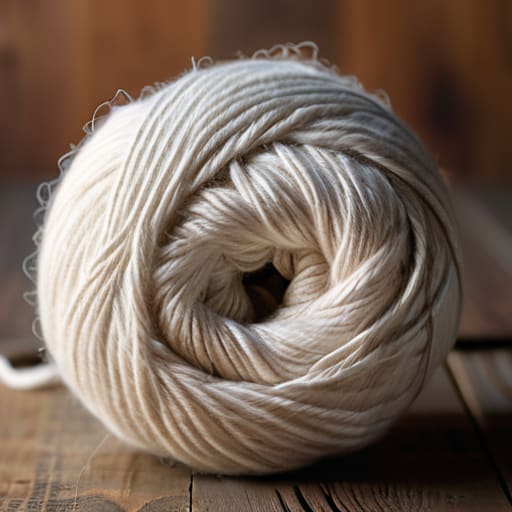
Wool is a natural protein fiber harvested from sheep that is celebrated for its incredible ability to provide warmth and insulation. Because of its unique crimp and structure, the primary advantage of wool is its superior thermal regulation, which keeps you warm in the winter and surprisingly breathable when the temperature shifts. When you are exploring the different types of yarn, understanding the fundamental difference between wool and cotton yarn starts with recognizing this natural, insulating magic.
To me, there is nothing quite like the feeling of a freshly knitted wool sweater resting against your skin on a crisp, misty morning in the countryside. It’s more than just warmth; it’s that soul-soothing weight and the way the stitches seem to hold a certain life and bounce of their own. Whether I’m working with a rustic highland wool or a soft merino, I always feel like I’m knitting a little piece of comfort that is meant to be cherished for a lifetime.
The Breezy Grace of Cotton
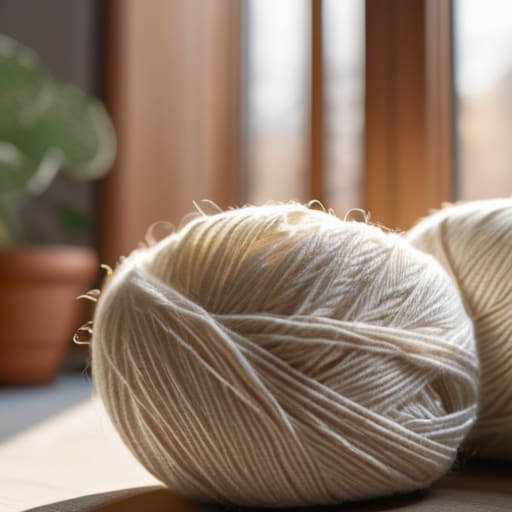
Cotton is a soft, plant-based cellulose fiber that is prized for its durability and its ability to stay cool against the skin. Unlike animal fibers, cotton is highly absorbent and lacks the natural oils found in wool, making its main selling point a breathable, crisp texture that is perfect for warmer climates. When we look at the difference between wool and cotton yarn, we see that cotton offers a wonderful, structured alternative for those who prefer a more lightweight and hypoallergenic experience.
I often find myself reaching for cotton when I want to create something with a bit more defined stitch definition, like a delicate summer lace shawl or a structured market bag. There is a lovely, rhythmic clarity to knitting with cotton; the stitches sit so neatly on the needles, almost like little sculptures. It feels much more grounded and airy, making it my absolute favorite choice for those sun-drenched afternoons spent knitting on the porch with a cold glass of tea.
Comparison of Wool and Cotton Yarn
| Feature | Wool | Cotton | |
|---|---|---|---|
| Key Feature | Natural elasticity and warmth | Breathability and softness | |
| Best For | Winter garments and knitwear | Summer clothing and lightweight items | |
| Texture | Springy and slightly fuzzy | Smooth and crisp | |
| Absorbency | High moisture absorption (wicks sweat) | High moisture absorption (stays damp) | |
| Durability | Resilient but prone to pilling | Strong but can lose shape | |
| Price | Generally higher | Generally lower | |
| Care | Often requires hand washing | Machine washable and easy care |
Cozy Warmth or Breezy Comfort Exploring Natural Fiber Yarn Properties
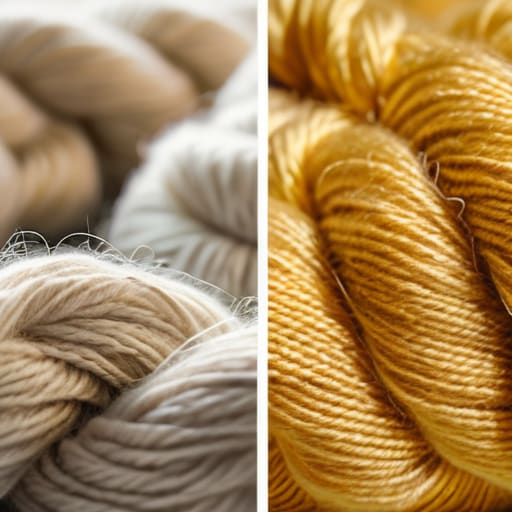
When we talk about the difference between wool and cotton, we’re really talking about how a garment makes you feel against your skin. Choosing the wrong fiber for the season can turn a beautiful sweater into something you simply can’t wear, so understanding this thermal dance is the secret to making pieces that truly belong in your wardrobe.
Wool is a marvel of nature, acting like a tiny, breathable insulator. It traps air within its crimped fibers, creating that soul-soothing warmth we all crave on a misty Scottish morning. On the other hand, cotton is a plant-based hero that thrives on breathability. It doesn’t hold onto heat; instead, it allows air to circulate freely, making it feel incredibly cool and refreshing when the sun is high.
While wool offers that deep, cozy embrace for winter layering, cotton provides a much-needed lightness for summer evenings. However, if we are strictly measuring the ability to provide comfort through temperature regulation and snugness, wool takes the prize for its unmatched ability to keep us cozy.
Choosing Between Animal vs Plant Based Fibers for Your Next Project
When we talk about the soul of a garment, we’re really talking about its origin. Deciding between animal-based fibers like wool and plant-based ones like cotton isn’t just a technical choice; it’s about deciding how you want your finished piece to interact with the world. It’s the difference between a hug that holds you close and a gentle breeze passing through a window.
Wool, being an animal fiber, possesses a wonderful natural elasticity. This means your stitches will spring back into shape, making it a dream for structured sweaters or textured cables. On the other hand, cotton is a plant fiber that lacks that “memory.” While it won’t bounce back quite as easily, it offers a sturdy, dependable drape that is absolutely unmatched for summer tops or delicate lace shawls.
Ultimately, if you are looking for a fiber that works with your tension to create shape, the animal fibers win. But if your heart is set on something cool and breathable, the plant fibers are your best friend. For this specific category, I’d say wool takes the prize for its sheer versatility and forgiving nature.
Finding Your Perfect Match
As we wrap up our little deep dive, I hope you feel a bit more settled in your choice. Choosing between wool and cotton really comes down to the soul of the garment you’re dreaming of creating. If you’re looking to knit a chunky, heirloom sweater that hugs you tight on a misty morning, that bouncy, insulating wool is your best friend. But, if you’re envisioning a lightweight, breathable lace shawl for a summer evening stroll, cotton’s lovely drape and coolness will be much more kind to you. Remember, there is no wrong answer here—only the right fiber for the right moment.
At the end of the day, whether you choose the rustic warmth of an animal fiber or the crisp, clean structure of a plant-based yarn, the most important ingredient is the intention you pour into every stitch. Knitting is such a beautiful way to slow down and reconnect with ourselves, and I want you to feel nothing but pure joy as your project grows on your needles. So, go ahead—reach for that skein that speaks to your heart, find a cozy corner, and let the magic of making begin. I can’t wait to see what you create!
