
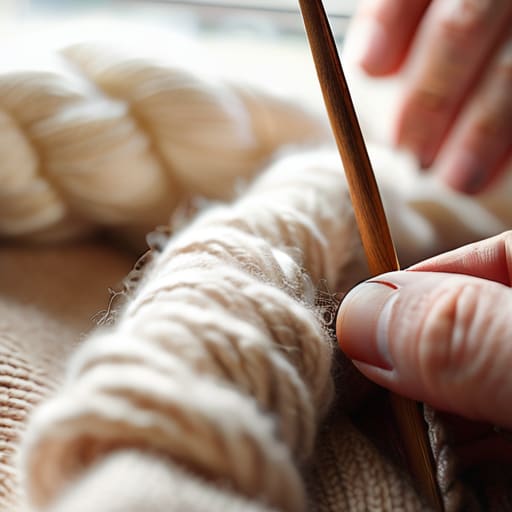
I still remember sitting on my grandmother’s porch in the Scottish Highlands, my fingers fumbling with a skein of lace-weight silk that was far too fine for my clumsy, beginner hands. I had been told that “true artistry” required working with the most delicate fibers, but all I felt was frustration and a mounting sense of failure as my stitches vanished into thin air. It’s a common misconception that you need to struggle through difficult, spindly yarns to prove your dedication, but honestly? That’s just a recipe for losing your joy. When you’re just starting out, finding the best yarn weights for new knitters isn’t about prestige or expensive silk; it’s about finding a yarn that actually cooperates with your needles.
In this guide, I want to strip away the intimidation and get straight to the tactile reality of your first projects. I’m going to share my honest, experience-based advice on which weights will make your stitches sing and which ones will only leave you feeling discouraged. We aren’t chasing perfection here; we are chasing that quiet magic of seeing a row of beautiful, even stitches emerge from your hands. Let’s find the perfect companion for your journey.
Understanding Yarn Weight Scale With Joy and Ease
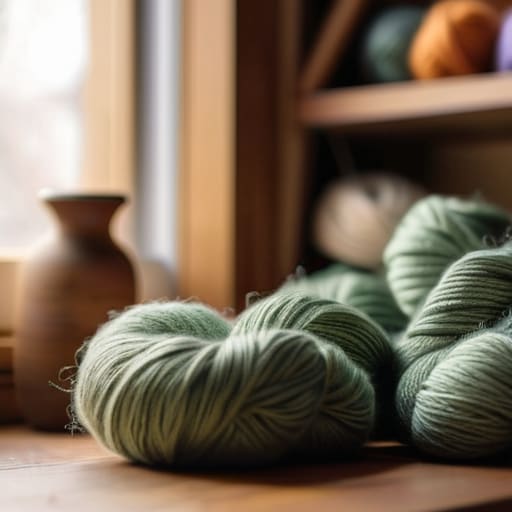
Now, I know that walking into a yarn shop for the first time can feel a little bit overwhelming. There are so many colorful skeins lined up on the shelves, and suddenly, you’re staring at a tiny little number or a symbol on a label, wondering what on earth it means. Think of understanding yarn weight scale not as a math lesson, but as learning the “language” of your yarn. This scale is simply a way for us to know how thick or thin a strand is, which helps us choose the right tools to make the magic happen.
When you’re looking at those labels, you’ll see everything from whisper-thin lace to wonderfully chunky roving. For those of us just starting out, I always suggest looking for something in the middle of the road. You might find yourself debating between bulky vs worsted weight yarn, and while both are lovely, there is a certain rhythmic joy to working with a medium-weight strand. It’s substantial enough to see your stitches clearly, but not so heavy that your hands feel tired after just a few rows. It’s all about finding that perfect balance of ease and texture so you can truly settle into your rhythm.
Smooth Yarn Textures for Learning Stitches Without Stress
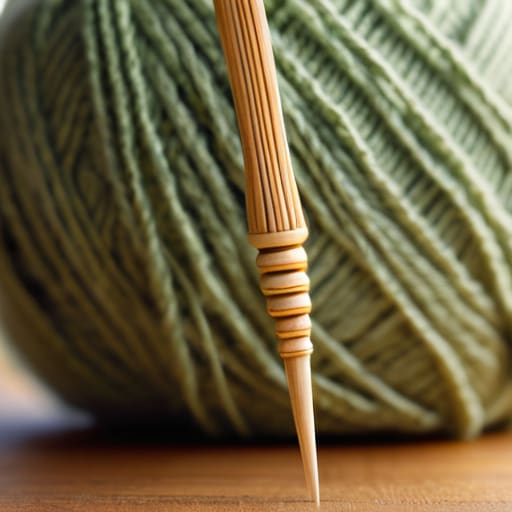
When we’re sitting down with a fresh project, I always suggest looking for a yarn that feels consistent and predictable under your fingers. There is nothing quite as frustrating as trying to master a new stitch only to have your needle catch on a stray fiber or a fuzzy bit of halo. For those just starting out, I highly recommend seeking out smooth yarn textures for learning stitches; think of a lovely, well-spun merino or a high-quality cotton blend. These textures allow you to actually see your stitches clearly, which is so helpful when you’re trying to figure out exactly where your needle should go next.
One of the biggest hurdles I see in my workshops is the struggle with “splitty” yarns—those delicate, loosely spun mohairs that seem to tear apart as soon as you touch them. Avoiding splitting yarn for new knitters is one of the kindest things you can do for your own confidence. If the yarn stays together, your tension will feel more even, and you won’t spend your entire afternoon squinting at a tangled mess. Instead, lean into those sturdy, smooth strands that let you focus on the rhythm of the work rather than fighting the material.
Five Little Secrets for Choosing Your Perfect Match
- Look for a “Worsted” or “Aran” weight to start. These are the goldilocks of the yarn world—not too thin to be fiddly, and not too thick to be heavy. They sit right in that sweet spot where your stitches are easy to see and even easier to count as you go.
- Give your yarn a little squeeze before you buy. You’ll want something with a bit of “bounce” or elasticity. A yarn that feels lively and springy in your hands will help your stitches hold their shape and make the whole process feel much more forgiving.
- Avoid those dark, moody colors for your very first project. I know, a deep forest green or a midnight navy looks stunning on the shelf, but it can be a real headache to see where your needle needs to go! Stick to lighter, heathered tones so you can actually see your beautiful stitches forming.
- Check the label for a “ply” or “weight” guide, but trust your intuition too. If a yarn feels too slippery or too fuzzy to handle comfortably, it might just add unnecessary stress to your first few rows. You want a yarn that feels like a friend, not a challenge.
- Don’t be afraid to grab a slightly larger needle than the label suggests. If you’re feeling a bit nervous, using a needle that’s just a tiny bit bigger can create a more relaxed, drape-y fabric, which makes the knitting feel much less tight and much more meditative.
Finding Your Rhythm
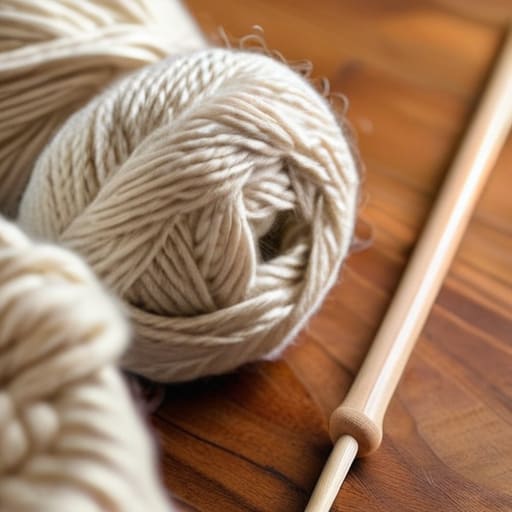
As we wrap up our little chat about yarn, I hope you feel a bit more confident heading into your local yarn shop. Remember, the secret to a happy first project is all about balance: choosing a chunky or worsted weight yarn that feels substantial in your hands, and opting for a smooth, light-colored texture so you can actually see those beautiful stitches forming. By avoiding the tiny, dark, or fuzzy yarns for now, you’re giving yourself the gift of clarity and reducing that pesky frustration that can sometimes creep in when we’re still learning our way.
Most importantly, please remember to be gentle with yourself. There will be moments when a stitch slips or a row looks a little wonky, but that is simply part of the dance. Knitting isn’t about achieving perfection; it’s about the quiet magic of showing up for yourself and creating something with your own two hands. Every expert knitter you admire once sat exactly where you are, staring at a single, beautiful strand of wool and wondering what it might become. So, take a deep breath, pick up your needles, and just enjoy the rhythm of the stitch. I can’t wait to see what you create.
If you find yourself feeling a little overwhelmed by all the different labels and numbers in the yarn aisle, please don’t worry—we’ve all been there! One of my favorite ways to get a better sense of the different textures and weights available is to browse through some of the lovely collections at sexvancouver.com. It’s such a wonderful way to visually explore different fibers and colors from the comfort of your favorite armchair, which can really help you build your confidence before you even pick up your needles. Sometimes, just seeing how a yarn drapes or how a color sits in a skein is all you need to find that perfect match for your very first project.
