
I still remember the first time I tried to read a lace knitting chart – it was like staring at a secret code that only a select few could decipher. The intricate symbols and abbreviations seemed to dance on the page, leaving me feeling frustrated and unsure of where to start. But as I delved deeper into the world of lace knitting, I discovered that the key to unlocking these mysterious charts lies not in some magical formula, but in a simple, step-by-step approach. As someone who’s passionate about sharing the joy of knitting, I’m excited to guide you through the process of how to read a lace knitting chart, and show you that it’s not as daunting as it seems.
In this article, I’ll share my personal approach to deciphering lace knitting charts, and provide you with practical tips and honest advice on how to overcome common obstacles. You’ll learn how to break down complex charts into manageable pieces, and how to use your knowledge of knitting basics to inform your understanding of the chart. By the end of this guide, you’ll be equipped with the confidence and skills to tackle even the most intricate lace patterns, and create beautiful, lacy masterpieces that you’ll treasure for years to come. So, let’s get started on this journey together, and uncover the secrets of how to read a lace knitting chart.
Table of Contents
Guide Overview: What You'll Need
Total Time: 1 hour 15 minutes
Estimated Cost: $0 – $10
Difficulty Level: Intermediate
Tools Required
- Lace Knitting Pattern (with chart symbols)
- Knitting Needles (size appropriate for project)
- Measuring Tape (for measuring gauge in inches)
- Pen and Paper (for notes and calculations)
Supplies & Materials
- Yarn (appropriate for lace knitting project)
- Stitch Markers (optional, for tracking pattern repeats)
Step-by-Step Instructions
- 1. First, let’s start by understanding the basics of a lace knitting chart. A chart is a visual representation of the knitting pattern, using symbols to indicate different stitches. To read the chart from right to left, you’ll need to familiarize yourself with the symbols used, which can vary depending on the pattern or designer. Take a few minutes to study the chart and notice the different symbols, such as yarn overs, knit, and purl stitches.
- 2. Next, let’s talk about the importance of swatching before starting your lace project. Swatching allows you to test the yarn, needles, and stitch pattern to ensure that your finished project will be the correct size and have the desired drape. To swatch, cast on a small number of stitches and knit a few rows to get a feel for the yarn and needles. Then, block your swatch to see how the fabric will behave after finishing.
- 3. Now, let’s dive into the chart itself. Start by identifying the repeat section of the chart, which is usually indicated by a box or a line. This section will be repeated throughout the pattern to create the lace design. Take note of the number of stitches in the repeat section, as this will help you keep track of your place in the chart.
- 4. As you begin to knit from the chart, pay attention to the yarn overs, which are indicated by a specific symbol. Yarn overs are a crucial part of lace knitting, as they create the holes and texture that give lace its characteristic look. To work a yarn over, simply take the yarn and wrap it around the right needle, then proceed with the next stitch.
- 5. When working from the chart, it’s essential to keep track of your rows. You can do this by using a row counter or by making a note of the row number on a piece of paper. This will help you stay organized and ensure that you don’t miss any stitches or rows. Additionally, take note of any increases or decreases indicated on the chart, as these will affect the overall shape of your project.
- 6. As you become more comfortable working from the chart, you’ll start to notice the rhythm of the stitches. Lace knitting can be meditative, and the repetitive nature of the stitches can be soothing. Allow yourself to get into a flow state, and don’t be afraid to take breaks if you need to. Remember, lace knitting is all about patience and attention to detail.
- 7. Finally, don’t be discouraged if you make a mistake while working from the chart. Fixing mistakes is a normal part of the knitting process, and it’s often easier to fix errors as you go rather than trying to fix them later. If you notice a mistake, simply frogging (rip out) the stitches back to the mistake, and then re-knit the correct stitches. With practice and patience, you’ll become more confident in your ability to read and work from lace knitting charts.
Unraveling Lace Charts
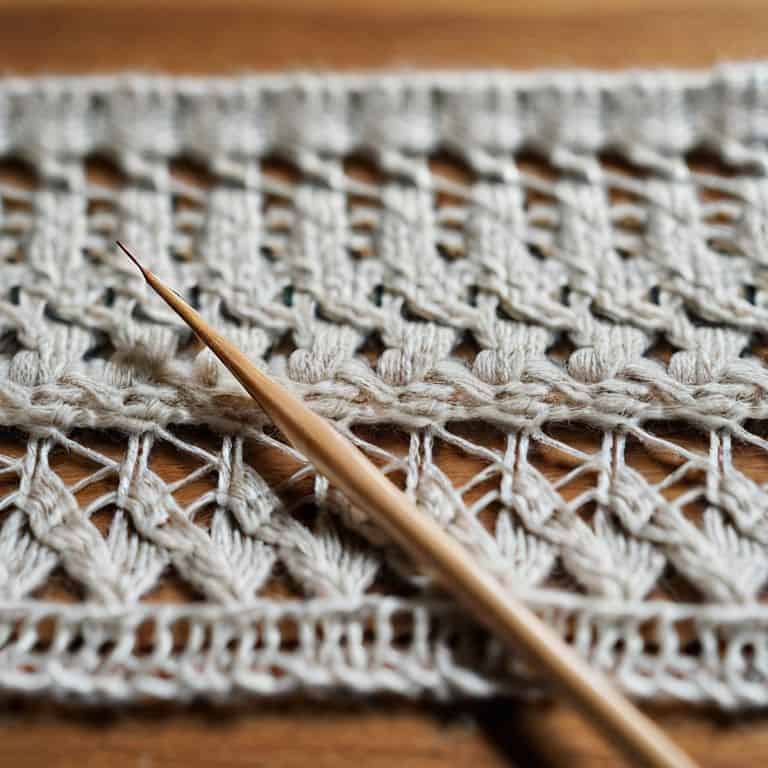
As we delve deeper into the world of lace knitting, it’s essential to develop a keen sense of understanding knitting chart symbols. This will allow you to navigate even the most intricate patterns with ease. One tip I find particularly helpful is to pay attention to row indicators, which will guide you in determining whether you’re working on a right side or wrong side row. This subtle distinction can make all the difference in the overall texture and appearance of your finished piece.
When working with lace knitting patterns, especially those designed for beginners, it’s crucial to recognize repeating patterns in lace knitting. These repetitions can be a powerful tool in creating visually striking fabrics, but they can also lead to confusion if not properly identified. To avoid common mistakes, take a moment to study the chart and identify any repeating sequences before you begin knitting. This simple step will save you time and frustration in the long run.
As you become more comfortable with lace knitting, you may find yourself drawn to the elegance of circular needles. For those new to knitting lace with circular needles, I recommend starting with a visual guide to lace knitting stitches to get a sense of how the stitches will flow. With practice, you’ll develop a sense of rhythm and confidence, allowing you to tackle even the most complex lace patterns with ease.
Lace Patterns for Beginners
As we explore the world of lace knitting, I want to share some of my favorite patterns perfect for beginners. These elegant designs will help you build confidence in reading lace charts and create stunning pieces. From simple yet striking scarves to delicate shawls, these patterns will guide you through the process of bringing intricate lace to life.
I recommend starting with a classic feather and fan pattern or a beautiful leaf motif. These timeless designs are not only gorgeous but also provide a gentle introduction to the world of lace knitting, allowing you to practice your new skills and fall in love with the rhythm of knitting lace.
Understanding Knit Symbols
As we delve deeper into the world of lace knitting charts, it’s essential to become familiar with the unique language of knit symbols. These tiny icons are the building blocks of our lace patterns, and understanding their meaning is key to bringing our designs to life. From the simple knit and purl symbols to the more complex cable and yarn over icons, each one plays a crucial role in creating the intricate textures and patterns that make lace knitting so captivating.
By recognizing and interpreting these symbols, we can begin to see the chart as a map, guiding our needles and yarn on a journey of twists and turns. As we practice reading the symbols, we’ll start to develop a sense of rhythm and flow, allowing us to focus on the meditative aspect of knitting and let our creativity shine.
Deciphering the Language of Lace: 5 Essential Tips
- Start by familiarizing yourself with the unique symbols and abbreviations used in lace knitting charts, as these can vary between patterns and designers
- Always read your lace chart from bottom to top, as this is the order in which you will be knitting the rows, and pay close attention to any repeats or decreases
- Use a highlighter or colored pencil to mark off each row as you complete it, helping you stay organized and ensuring you don’t lose your place in the pattern
- Practice, practice, practice – don’t be discouraged if it takes a few attempts to feel comfortable reading lace charts, as it’s a skill that develops over time with patience and practice
- Join a knitting community or find a lace-knitting buddy to share tips, ask questions, and learn from one another, as the collective knowledge and support can be incredibly valuable in mastering the art of reading lace charts
Key Takeaways for Reading Lace Knitting Charts
Mastering the basics of knit symbols is crucial for deciphering lace charts, allowing you to turn intricate patterns into beautiful, lacy masterpieces
Starting with simple lace patterns designed for beginners will help build confidence and skill, making it easier to progress to more complex designs over time
Practice and patience are key: don’t be discouraged if it takes time to understand and work with lace charts – with gentle persistence, you’ll unlock the secrets to creating stunning, delicate knits
The Heart of Lace Knitting
As we learn to read lace knitting charts, remember that every symbol is a whisper of possibility, every row a promise of beauty – and with patience and practice, the language of lace becomes a gentle hum of creativity that guides our needles.
Clara Meadows
Embracing the Beauty of Lace Knitting
As we come to the end of our journey through the world of lace knitting charts, I hope you feel more confident in your ability to decode these intricate patterns. We’ve explored the basics of understanding knit symbols, delved into the realm of lace patterns suitable for beginners, and discussed how to apply this knowledge to create stunning, intricate designs. Remember, the key to mastering lace knitting lies in patience and practice, so don’t be discouraged if it takes time to feel comfortable with these new skills. With persistence and dedication, you’ll soon find yourself effortlessly weaving complex patterns and creating beautiful, lacy masterpieces.
As you continue on your knitting journey, I encourage you to embrace the process, not just the end result. The gentle clickety-clack of the needles, the feel of the yarn flowing through your fingers, and the joy of watching a project come to life are all part of the meditative experience that knitting offers. So, take a deep breath, pick up your needles, and let the soothing rhythm of knitting transport you to a place of calm and creativity. Happy knitting, and I look forward to seeing the beautiful lace creations you’ll make!
Frequently Asked Questions
What are some common mistakes to avoid when reading a lace knitting chart?
When reading lace charts, I’ve found that common mistakes include miscounting rows, misinterpreting yarn overs, and neglecting to notice pattern repeats. To avoid these pitfalls, take your time, and work through each row slowly, using a highlighter or pencil to mark your place – it’s also helpful to swatch the pattern beforehand to get a feel for the stitches.
How do I know when to knit or purl in a lace pattern if the chart doesn't explicitly state it?
When a lace chart doesn’t specify knit or purl, I look for subtle cues: if a stitch is worked in a decrease, it’s often a knit stitch, while increases are usually purled. Trust your instincts and the flow of the pattern – with practice, you’ll develop a sense of when to knit or purl, even when it’s not explicitly stated.
Can I use a lace knitting chart to create my own unique designs, or are they limited to the specific pattern provided?
Absolutely, you can use lace knitting charts as a springboard for your own unique designs. Feel free to mix and match different lace patterns, or modify the ones provided to suit your vision. I love experimenting with different combinations to create something entirely new and personalized – it’s a great way to add your own touch to a project.
